The network for creativity
Join 1.25M professional creatives like you
Connect with clients, get discovered, and run your business 100% commission-free
Creatives on Contra have earned over $150M and we are just getting started
Back to feedPost

Most Django projects fail not because of bad code — but bad architecture decisions made early on.
Here are 3 mistakes I fix for clients regularly:
1️⃣ No API versioning — breaks everything when you scale
2️⃣ N+1 query problems — silently kills performance
3️⃣ No proper environment separation — dev settings leaking to production
These are fixable. And if your Django project is suffering from any of these, let's talk.
🔗 My services: djangodeveloperw75fmel9.contra.com
#Django #WebDev #PythonTips #BackendDevelopment #SoftwareEngineering

The network for creativity
Join 1.25M professional creatives like you
Connect with clients, get discovered, and run your business 100% commission-free
Creatives on Contra have earned over $150M and we are just getting started




Related posts

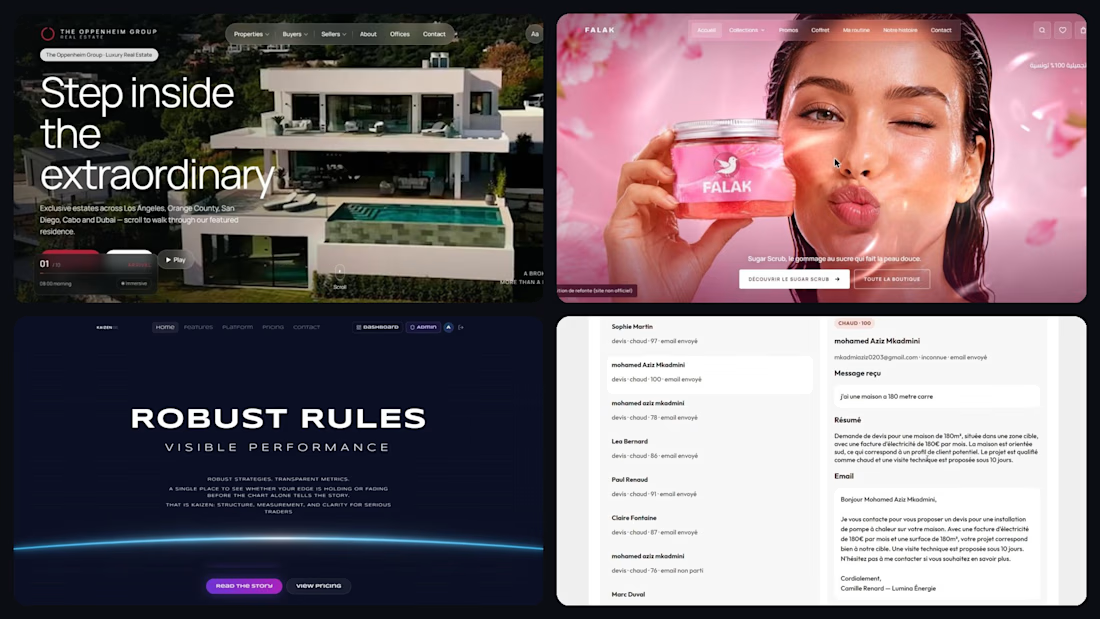
Most small businesses lose clients in the gap between "new request" and "someone replies".
This year I shipped 5 projects that close that gap.
→ n8n AI agents that score every lead and reply with a personalised email in seconds
→ MedAssist AI, a SaaS that lets patients book and get answers 24/7
→ Kaizen Kyoto Capital, a crypto SaaS live with Paddle billing, 2FA and 43 automated tests
→ Two premium redesigns (luxury real estate in 3D, a cosmetics brand) with before/after
I'm a full-stack & AI automation developer, available now for websites, SaaS MVPs and n8n automations. French, English, Arabic. I reply within 24h.
Got a process that eats your team's time? Send me a message and I'll map your first automation for free.

Good work, keep going

Building a Voice AI Assistant That Turns Phone Calls Into Thoughtful Follow‑Through
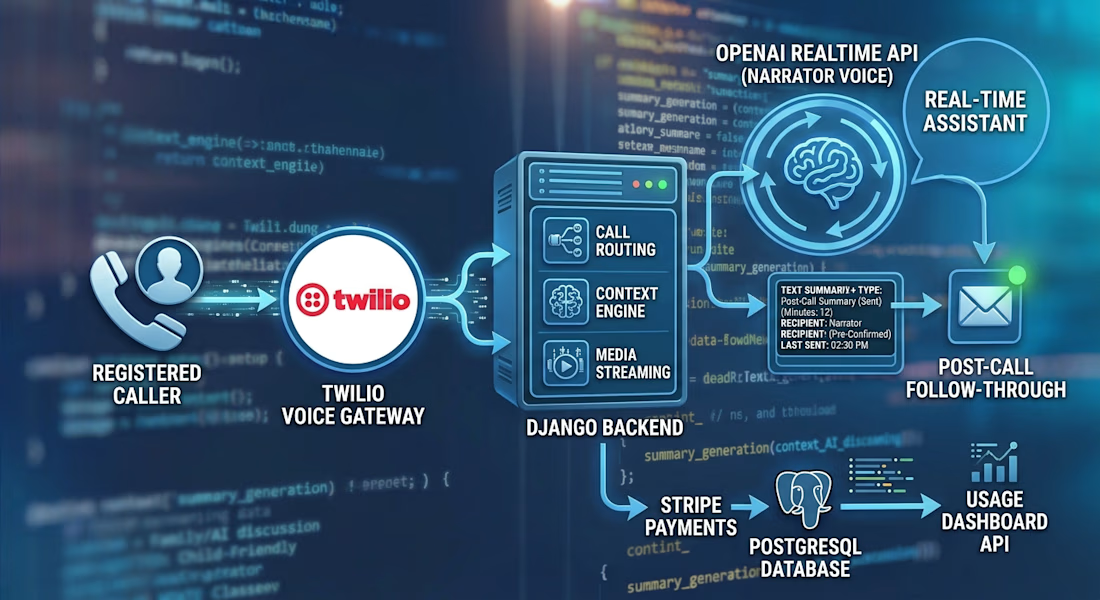
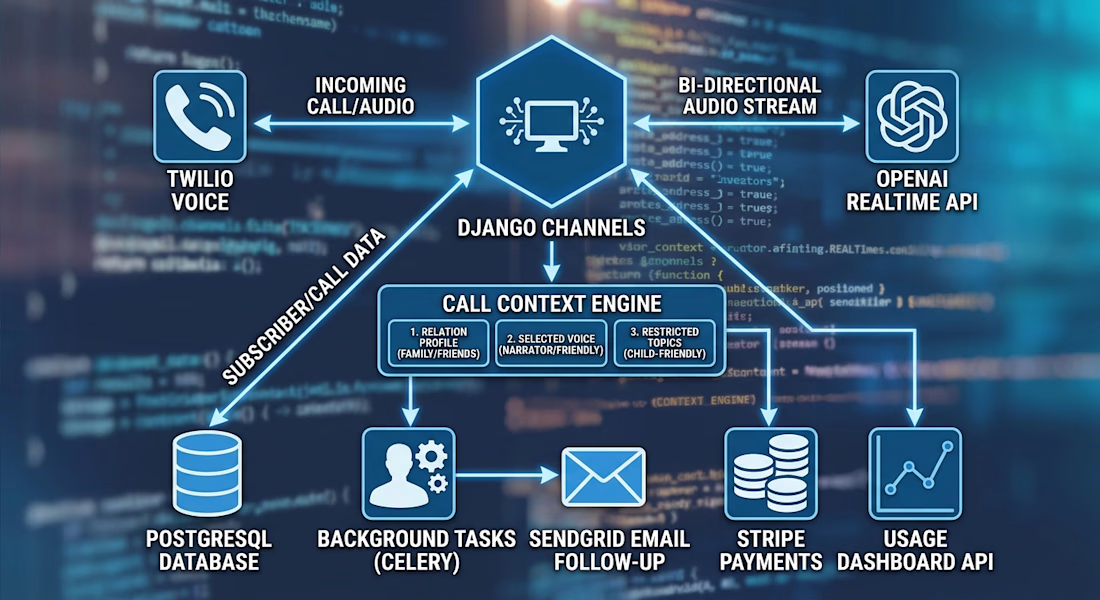
I built a Django backend for a family-focused AI phone assistant. A registered caller connects through Twilio, and Django Channels streams the call to an OpenAI Realtime session for a natural, two-way conversation.
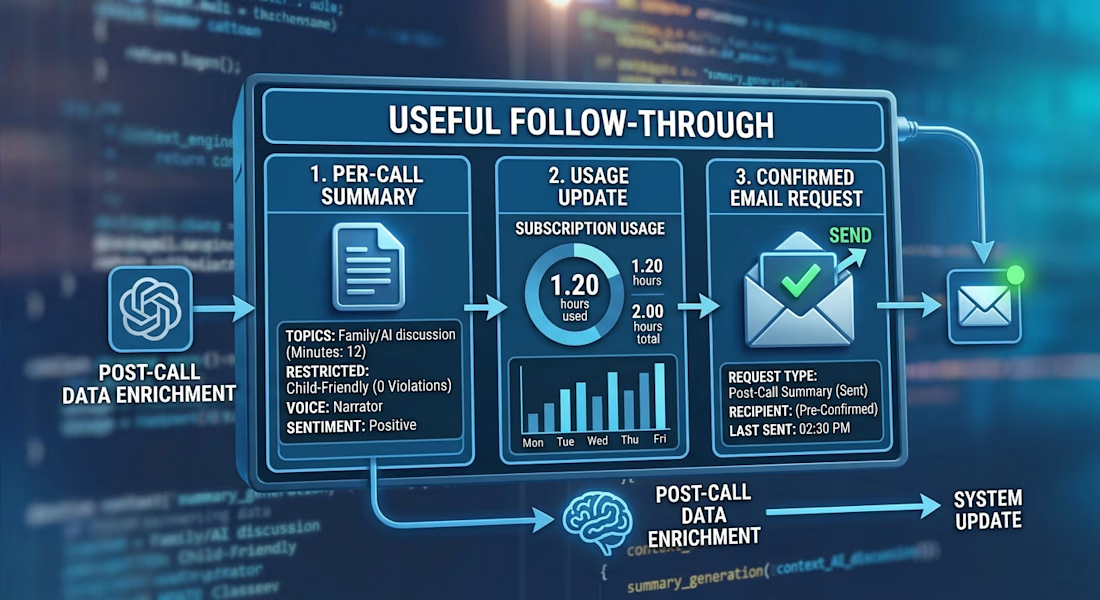
The backend adds caller-specific context, selected voices, subscription minute limits, and interruption handling. After the call, background tasks generate a separate summary. A follow-up email is sent only when requested and the recipient is confirmed.
I also built APIs for managing relations, subscriptions, and dashboard usage data. One of the most interesting parts was connecting the whole lifecycle: incoming call, real-time conversation, usage tracking, and post-call follow-through.
#Django #VoiceAI #RealtimeAI #Twilio #OpenAI #BackendDevelopment




Fine tuning and testing on real client's project. That tool works perfectly, love it, especially when I use it for myself!
#startup #design #designsystem #tool #founder
1 voted
33%
2 voted
67%
3 votes
Closed


real client work is the only honest test for tools like this tbh