The network for creativity
Join 1.25M professional creatives like you
Connect with clients, get discovered, and run your business 100% commission-free
Creatives on Contra have earned over $150M and we are just getting started
Back to feedPost

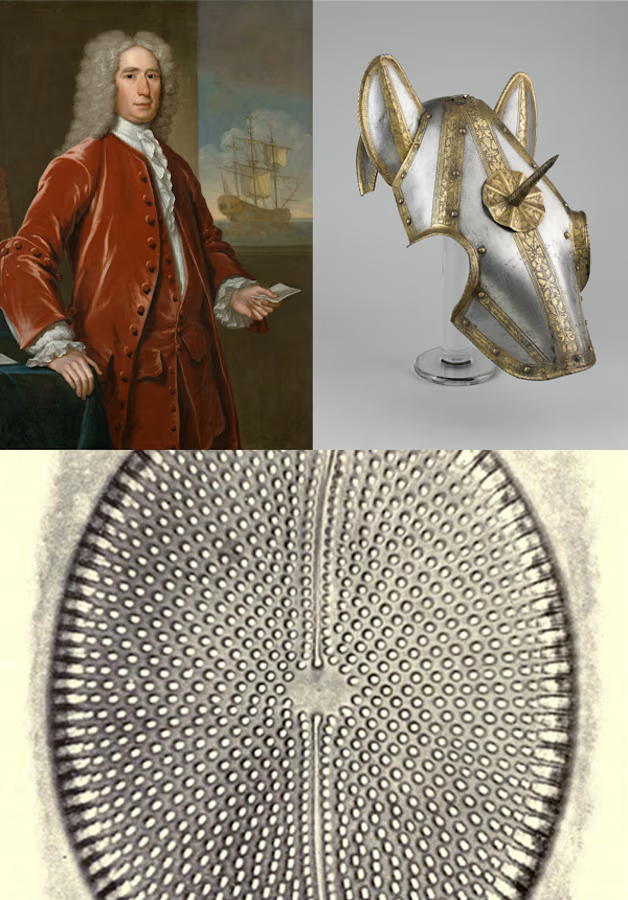
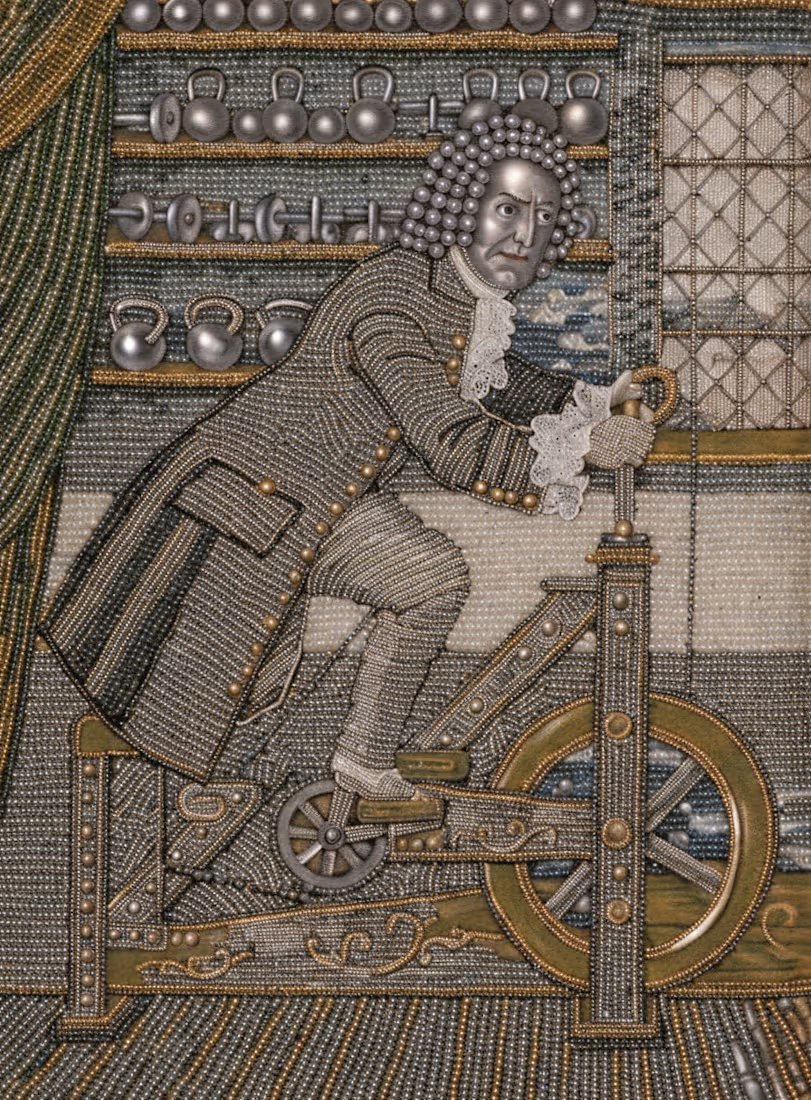
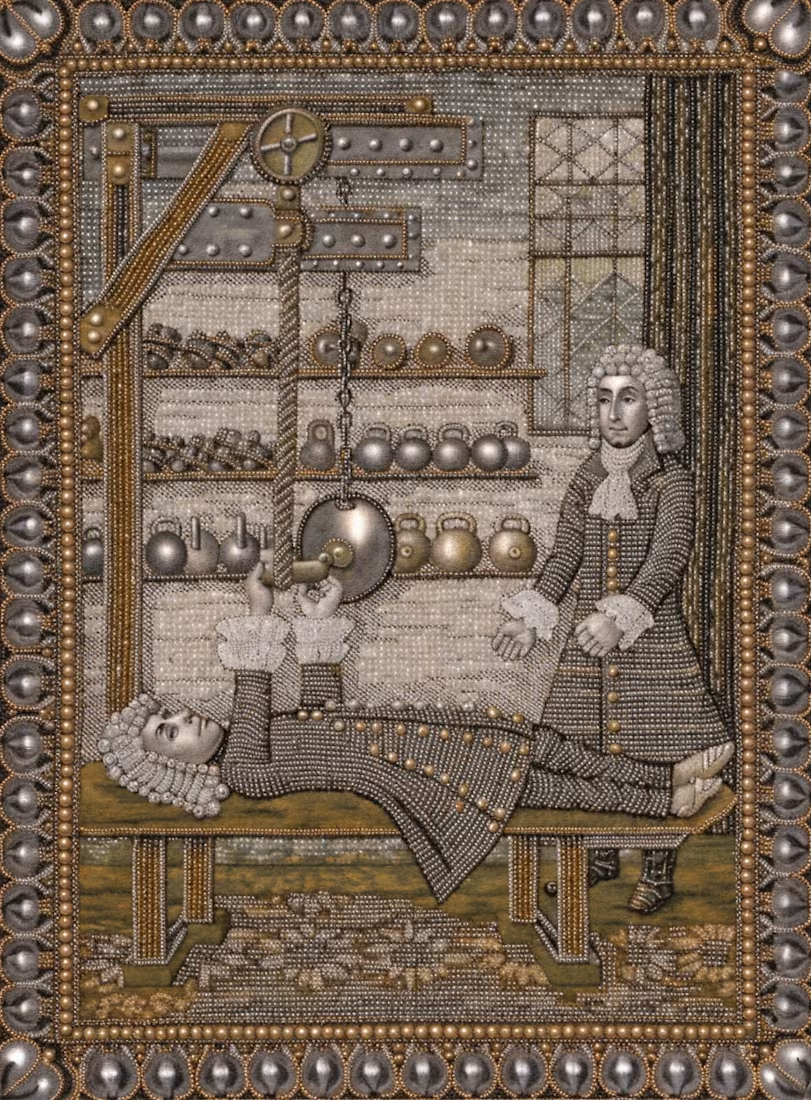
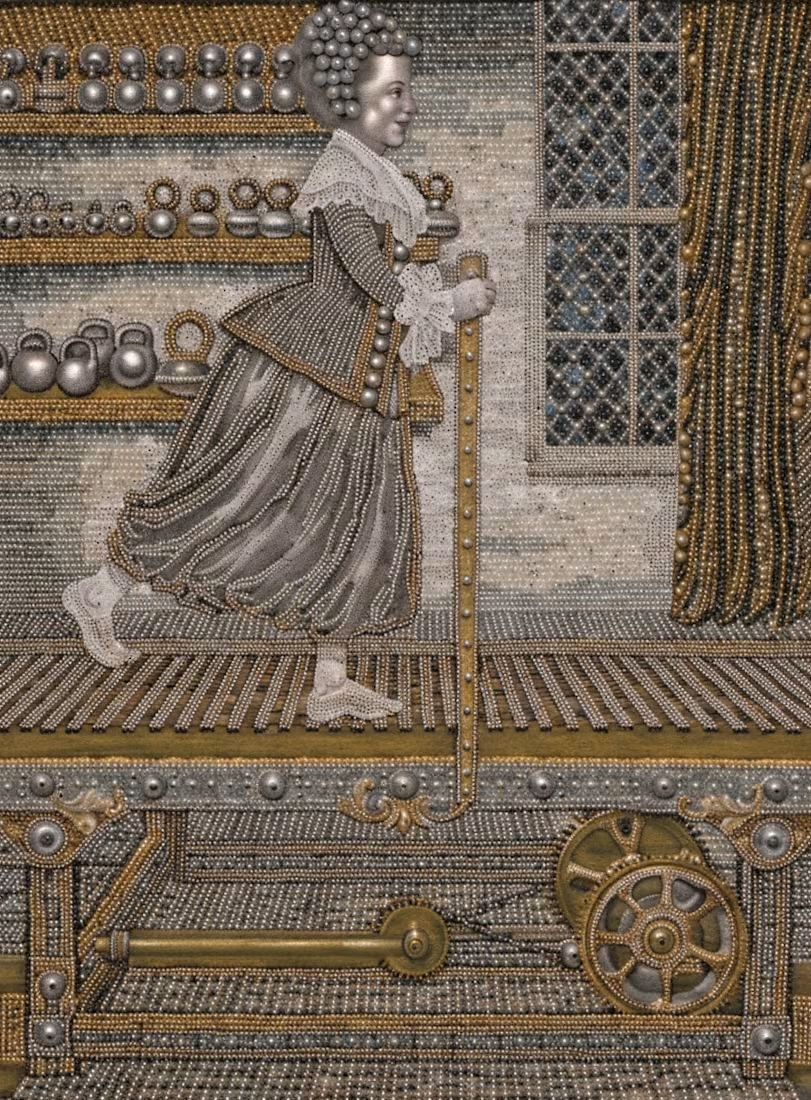
I found three public-domain objects that turned out to share one form: John Smibert's 1733 portrait of the Boston merchant Richard Bill at the Art Institute of Chicago, a Milanese shaffron of about 1575 — etched steel with gilding — from the same museum, and a 1909 photomicrograph of a diatom from the Public Domain Image Archive. The round buttons on Bill's coat, the rows of rivets along the armour's edges and the silica pores of the diatom are the same thing at three scales: a raised boss. I built a Recraft V4 Style that rebuilds every surface of the picture from large glossy spheres — beadwork and polished metal instead of paint — and used it for The Beaded Gymnasium, 1738, eight portraits of Georgian gentlemen and ladies working out on modern machines.
The network for creativity
Join 1.25M professional creatives like you
Connect with clients, get discovered, and run your business 100% commission-free
Creatives on Contra have earned over $150M and we are just getting started





Related posts

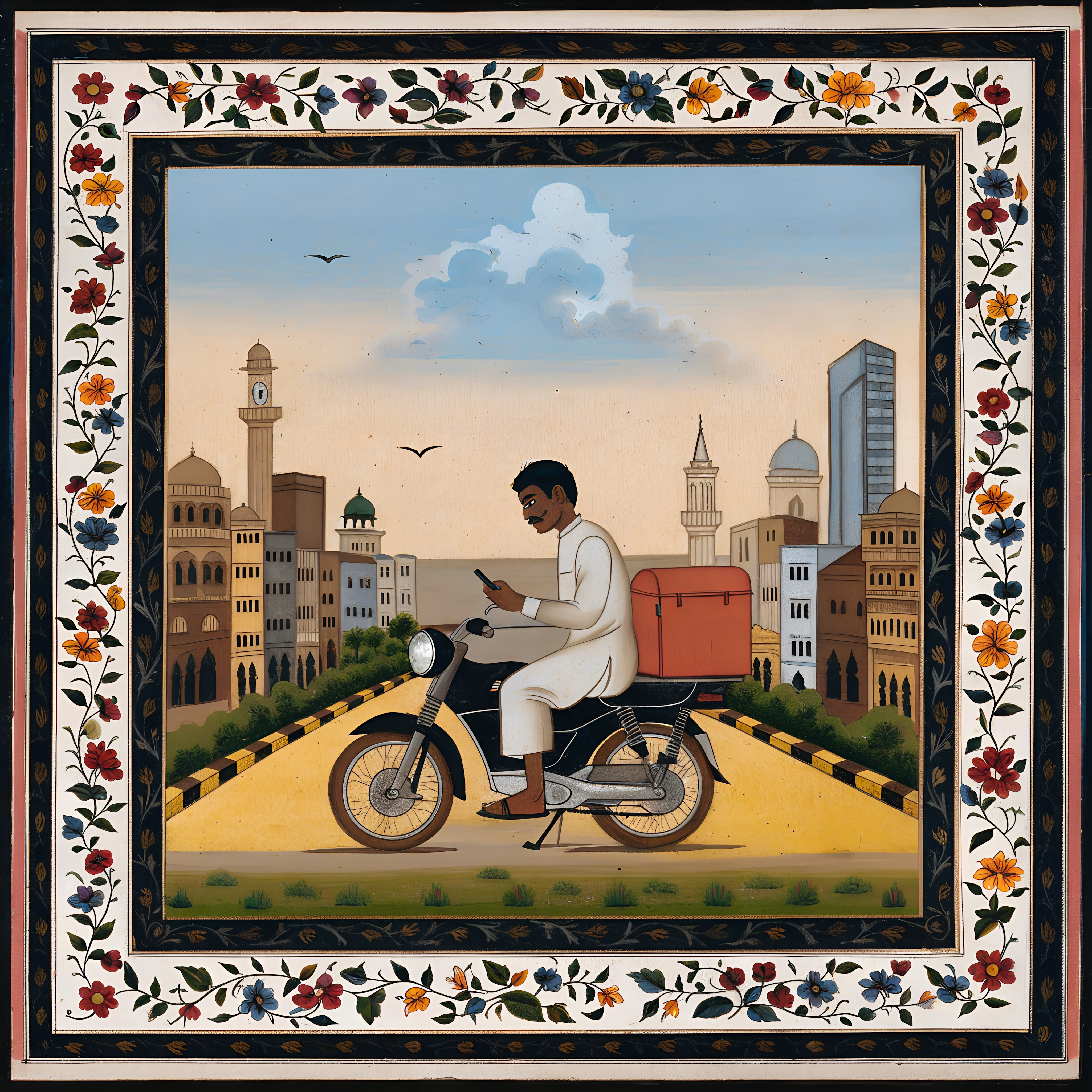
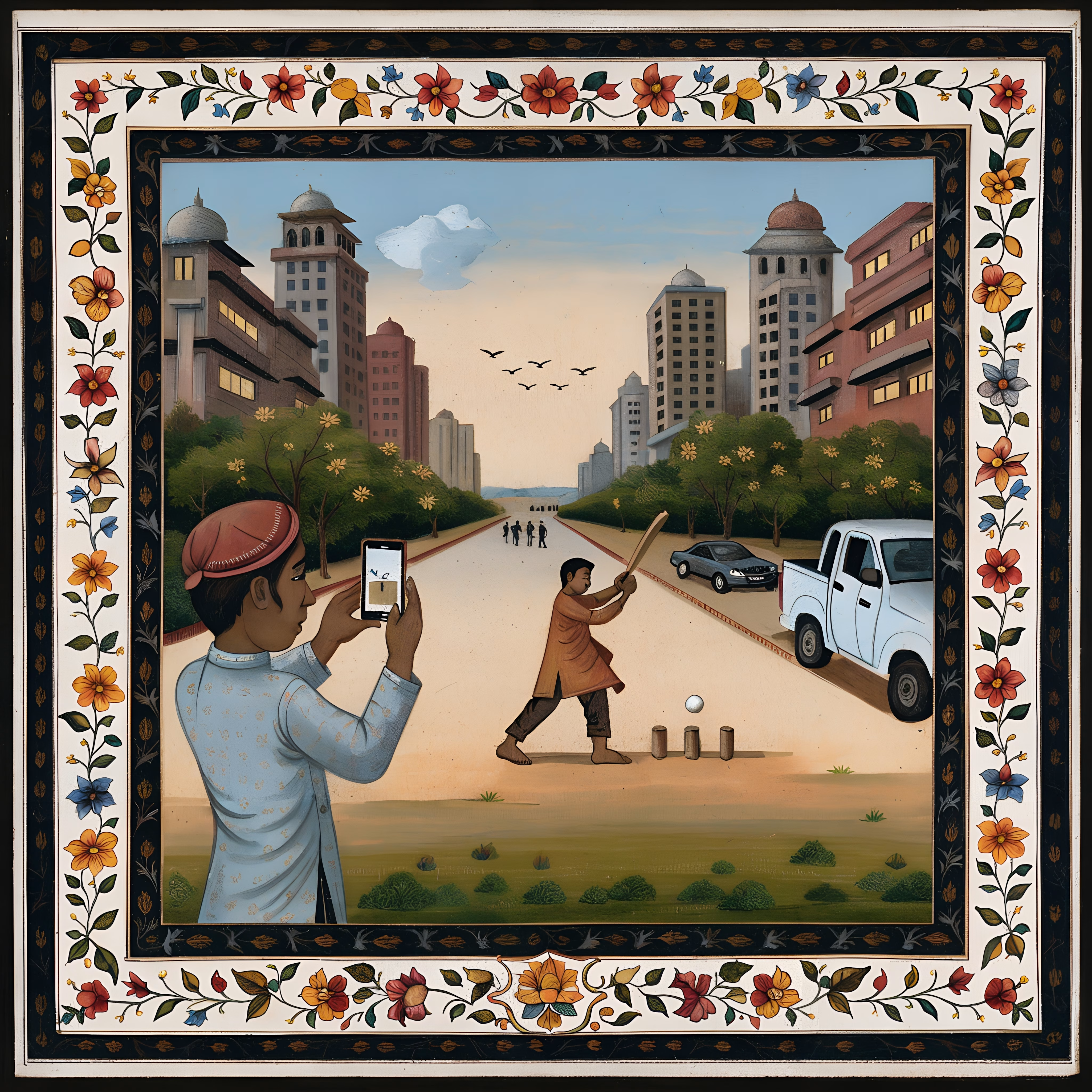
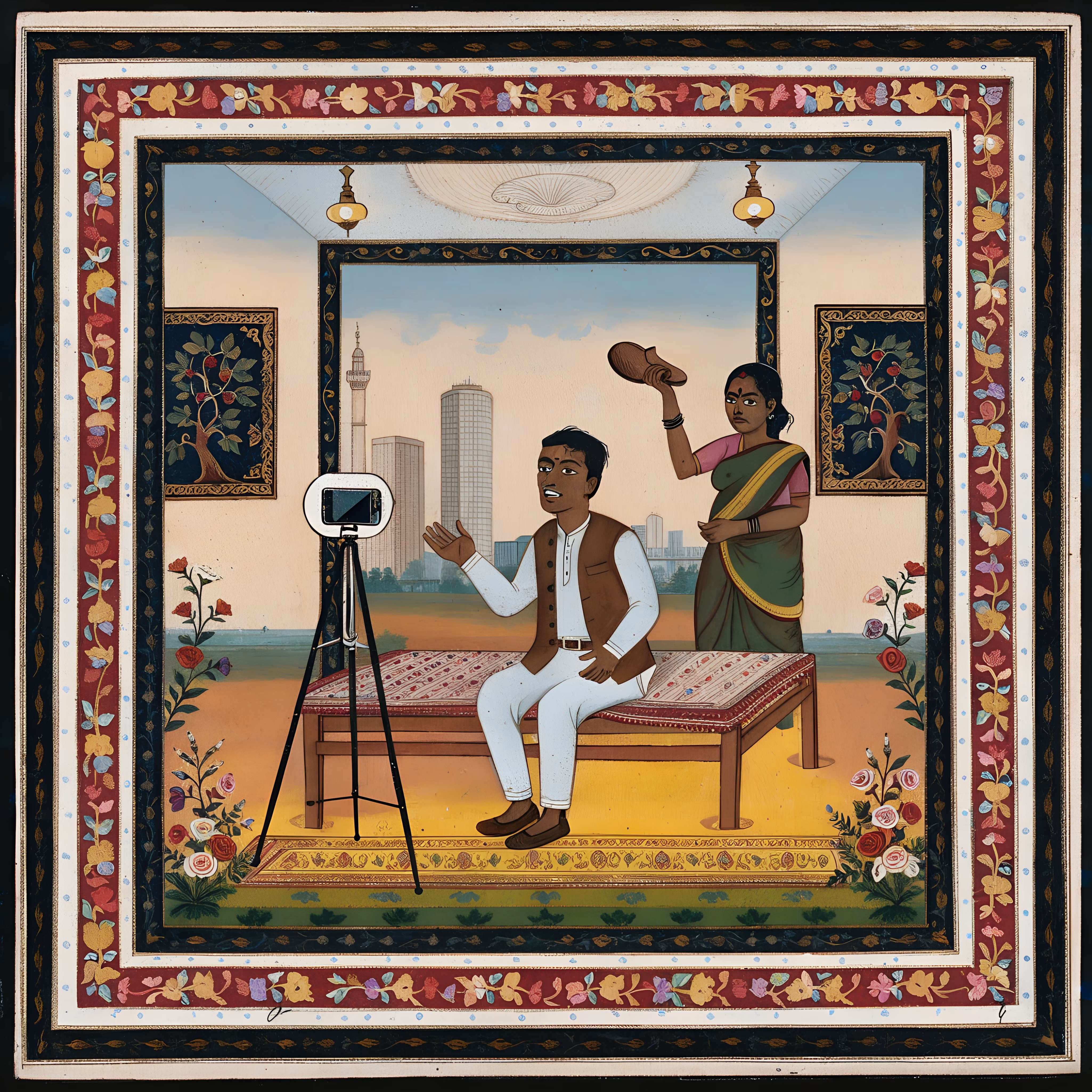
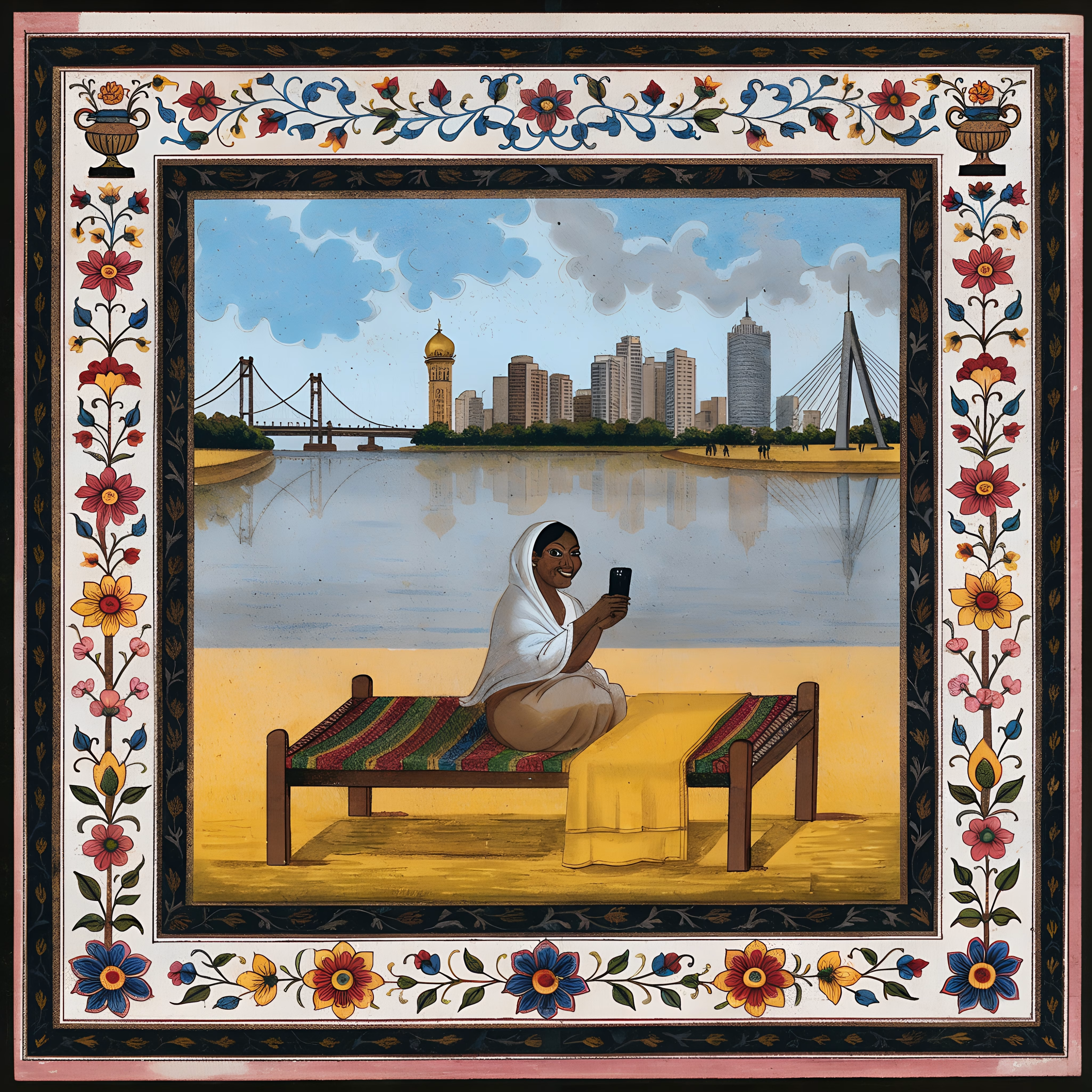
200 years ago, local artists painted the everyday people of the subcontinent: barbers, porters, chai wallas, knife sharpeners. Each one got a portrait, flat colours, a fancy border, total respect.
So I asked: what if those same painters time travelled to Lahore today?
I found their work in the Wellcome Collection’s public domain archive, trained a Recraft Style on it, and sent it to paint the new pesha of my city.
Same old painter, new Lahore. 😄

Love this. Giving chai wallas and porters that old portrait treatment again feels really respectful. The borders are beautiful.

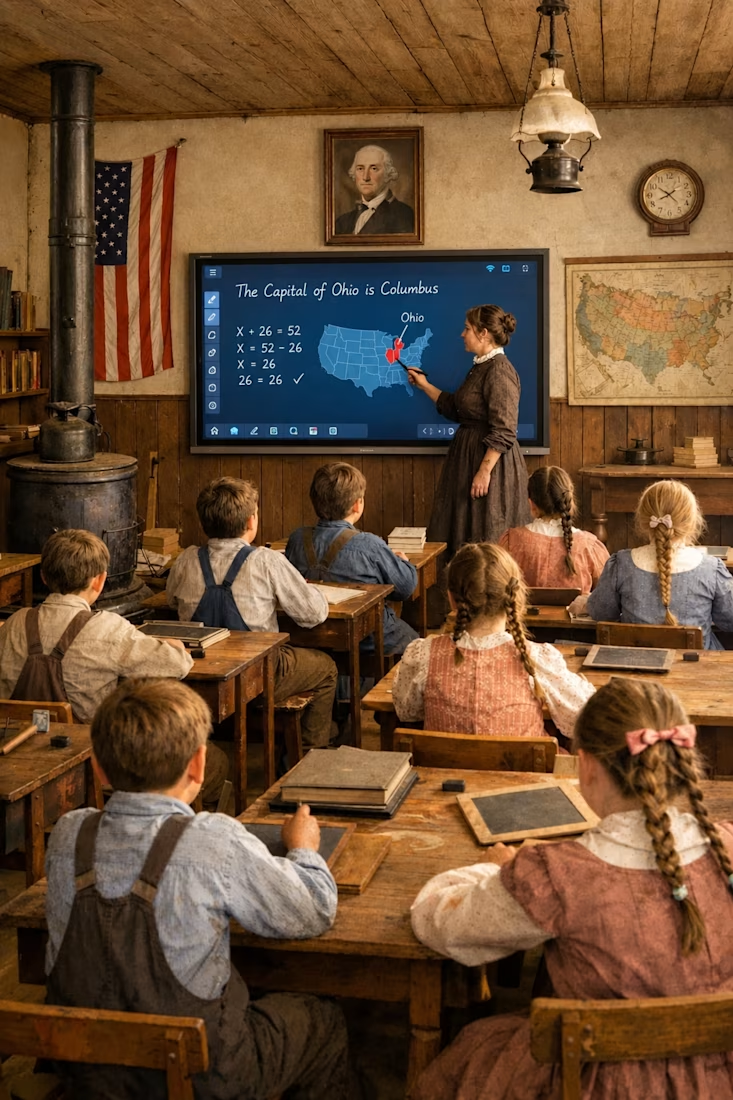
vintage classroom meets modern technology, featuring a teacher using a digital smartboard while students learn in a historic school setting. A creative blend of traditional education and digital innovation.
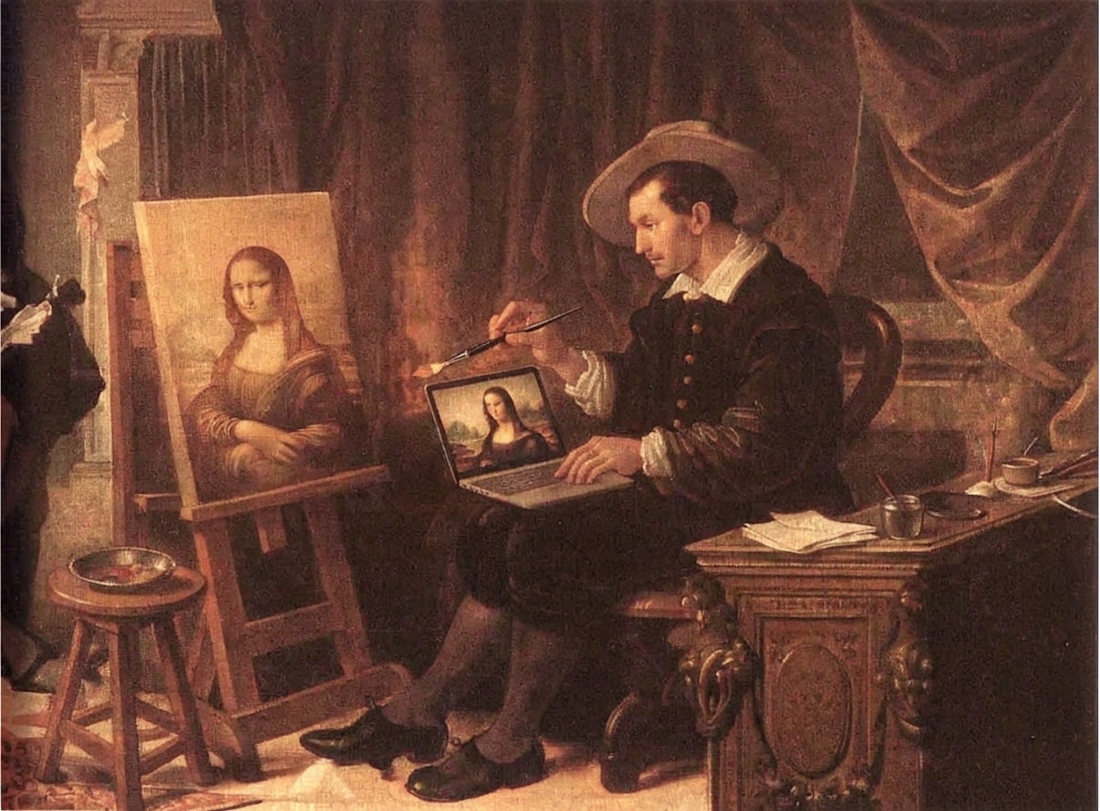
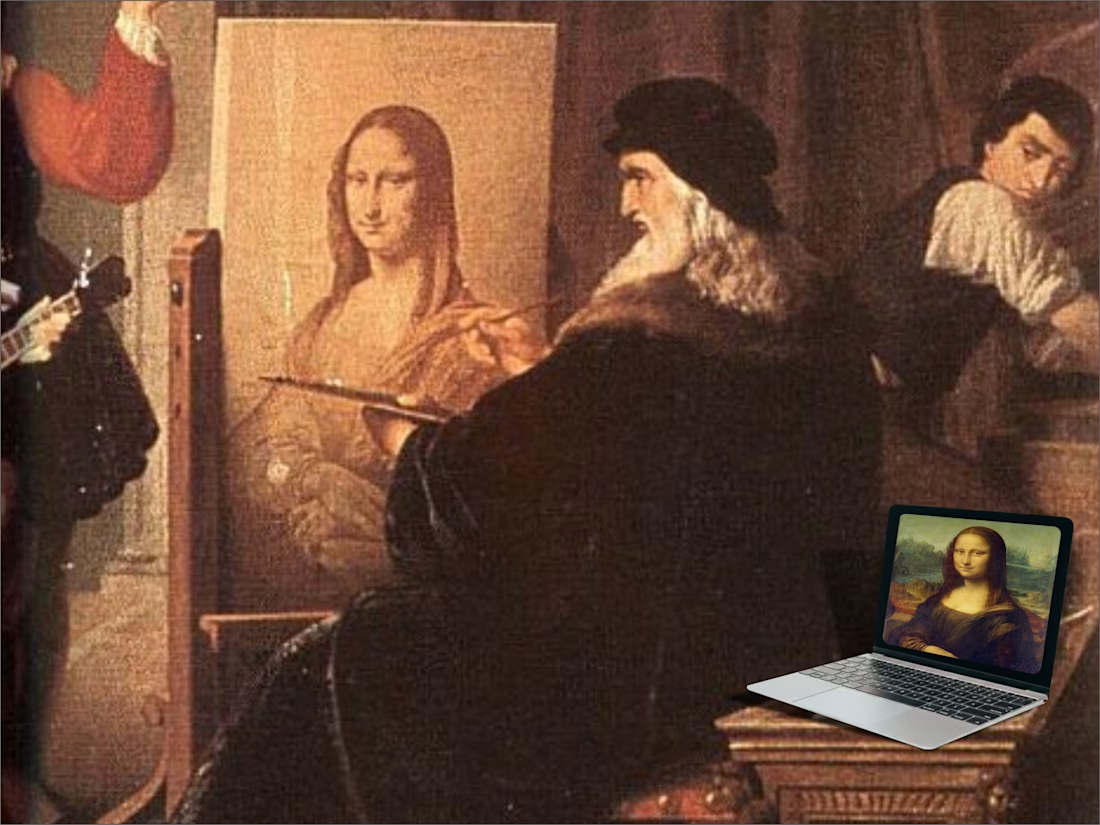
Exploring the transformation of artistic creation from the Renaissance era to the digital age, where timeless masterpieces meet modern technology.
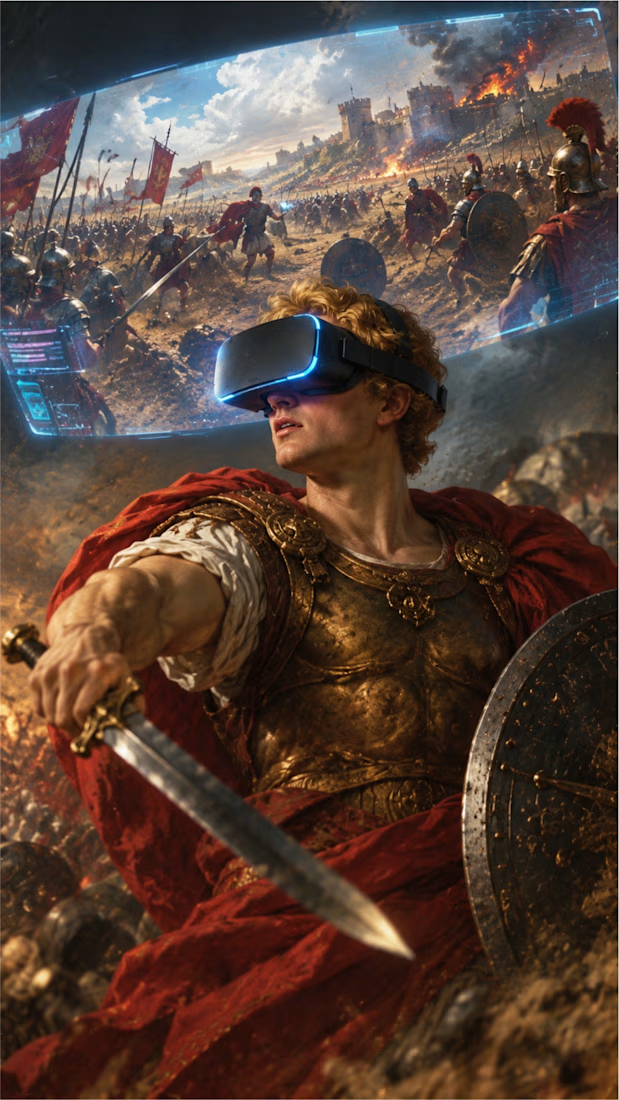
History Reimagined: A fusion of ancient Roman warfare and futuristic virtual reality, showcasing how emerging technology can transform our experience of history.


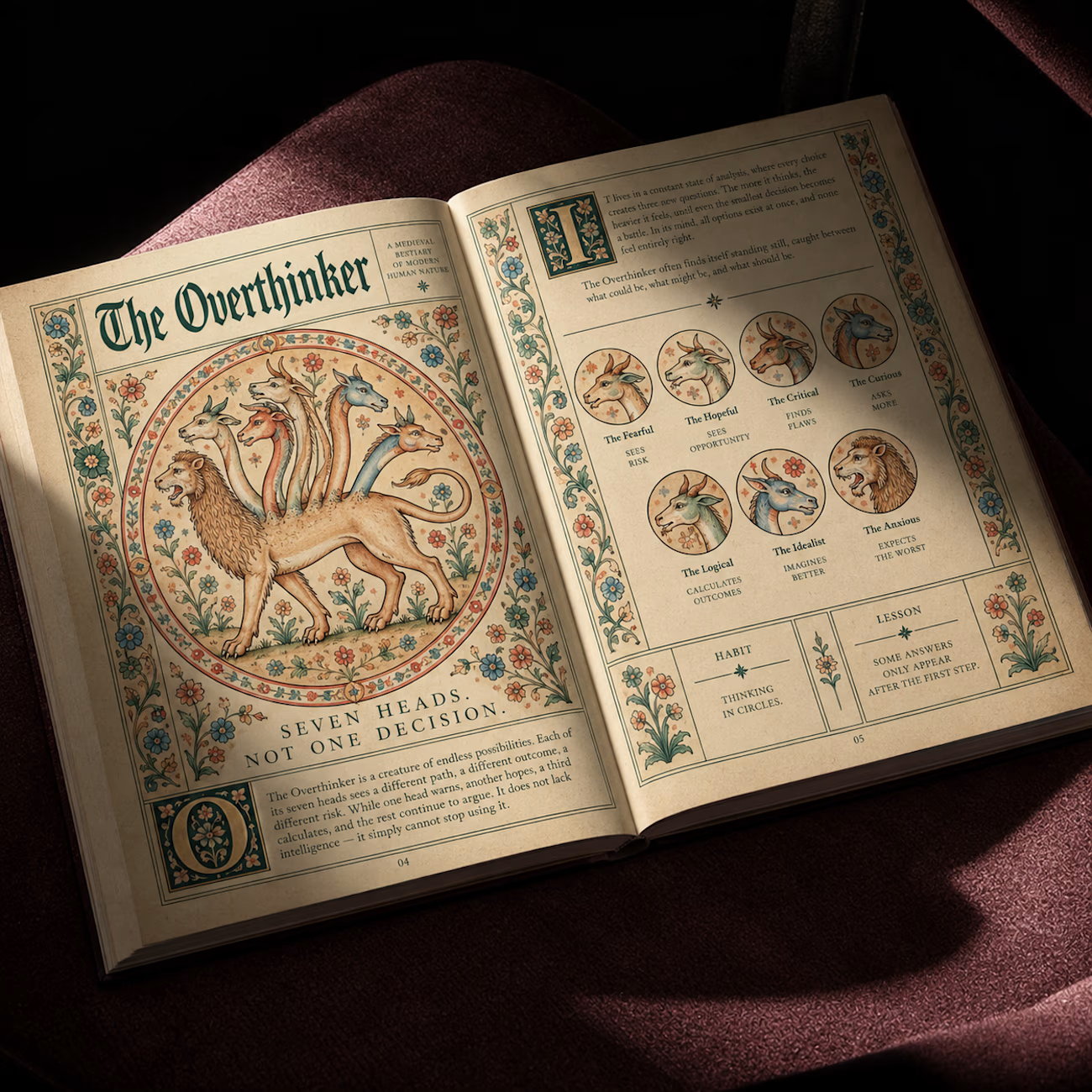
The New Book of Beasts
A Medieval Bestiary of Modern Human Nature
What if medieval bestiaries described the habits of modern people instead of mythical creatures?
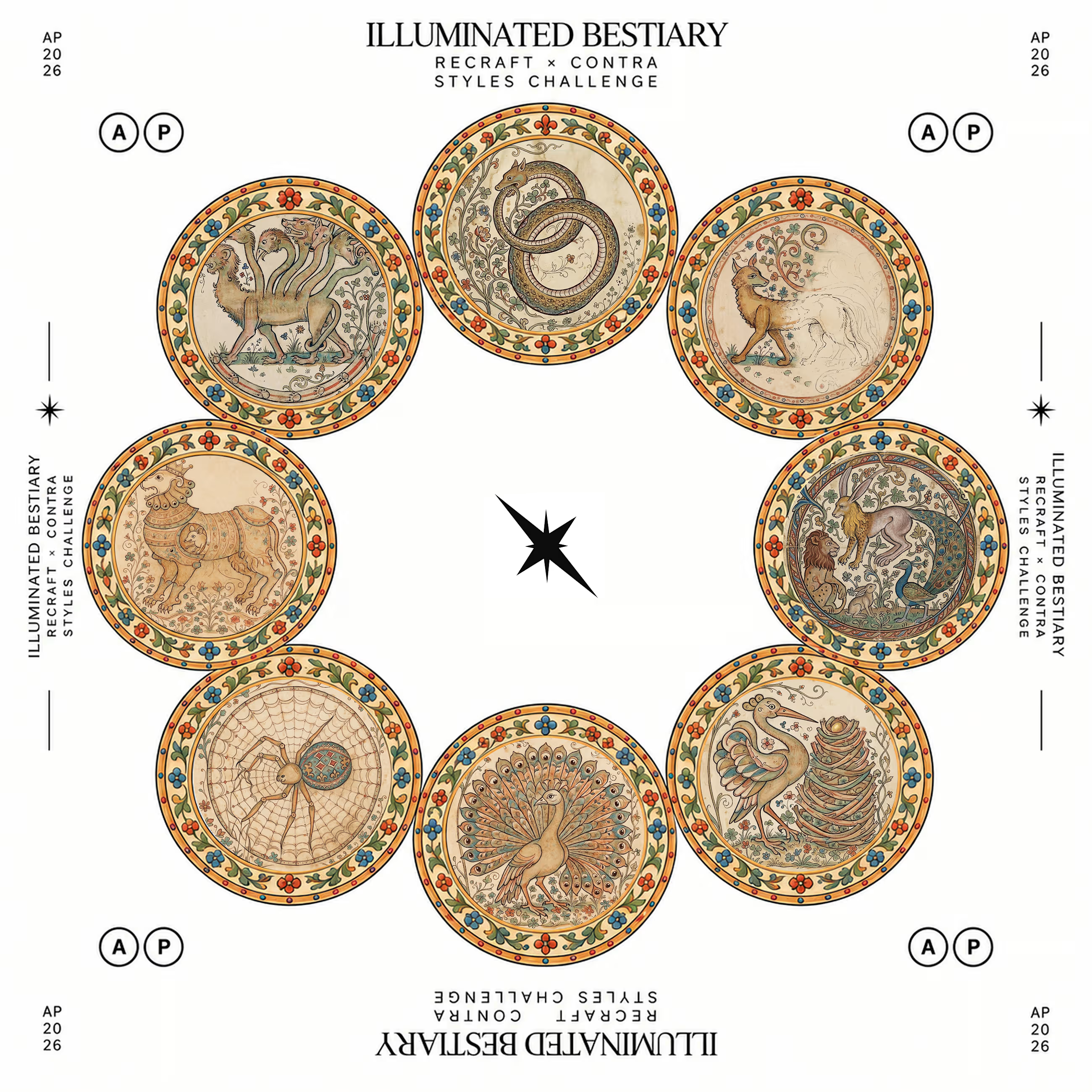
For the Recraft × Contra Styles Challenge, I created Illuminated Bestiary, a custom Recraft Style inspired by public-domain illustrations from 13th–15th-century manuscripts.
I used historical references from the Public Domain Image Archive to explore medieval animal anatomy, ornamental details, ink drawings, and muted natural pigments.
Then I applied the style to eight imaginary beasts, each representing a familiar modern behavior: overthinking, people-pleasing, doomscrolling, procrastination, ghosting, perfectionism, attention-seeking, and impostor syndrome.
The result is a collection of creatures that look like they belong in a centuries-old manuscript, even though their habits are very much our own.


Such a creative idea! Love how you’ve connected medieval art with modern human habits. The concept is both unique and relatable! 👏✨