The network for creativity
Join 1.25M professional creatives like you
Connect with clients, get discovered, and run your business 100% commission-free
Creatives on Contra have earned over $150M and we are just getting started
Back to feedPost
Any software engineer get hired from this platform?

I've Just Recently Joined, I think Its Mostly Freelancing Contracts Or Maybe Clients WIll contact you, im not sure tbh

Me too tbh. Most of the job post is about graphic designer
The network for creativity
Join 1.25M professional creatives like you
Connect with clients, get discovered, and run your business 100% commission-free
Creatives on Contra have earned over $150M and we are just getting started





Related posts


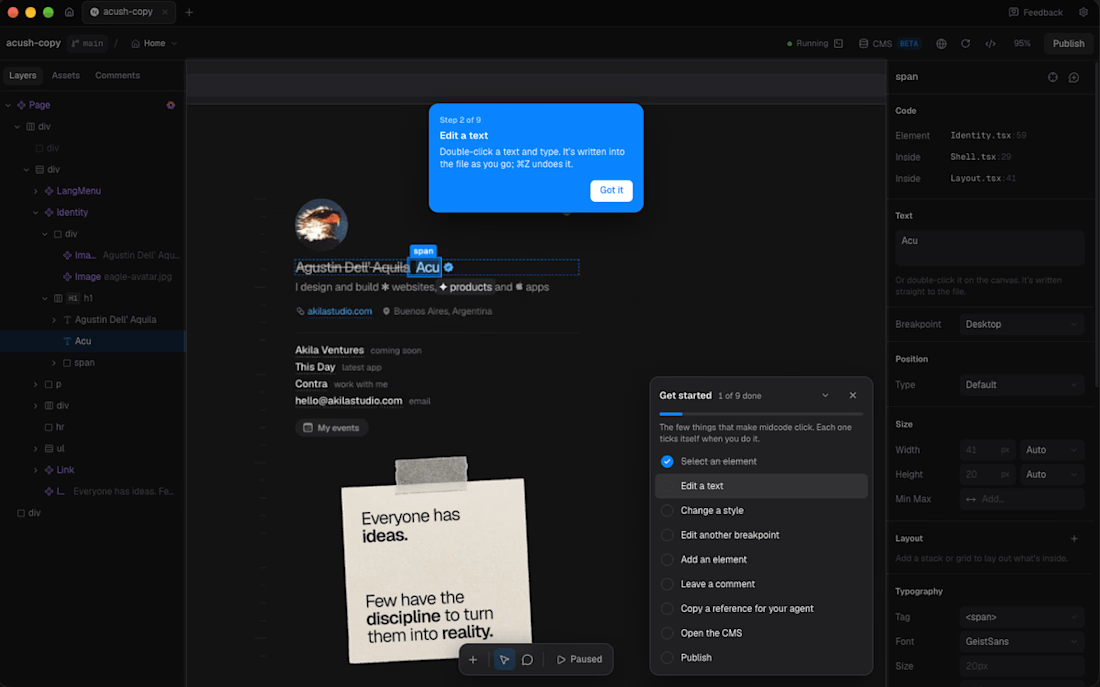
Onboarding flow for midcode.app

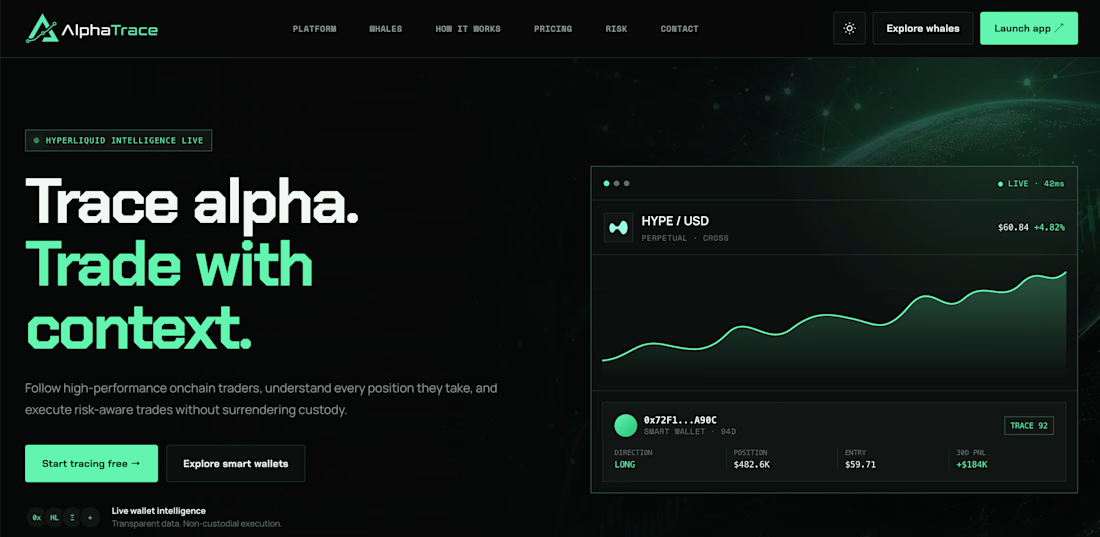
AlphaTrace is a crypto whale intelligence and copy-trading platform built around Hyperliquid. It tracks high-performing wallets, analyzes trading activity and market signals, and enables users to discover and follow whale strategies through a modern, data-driven interface.



This is cool!

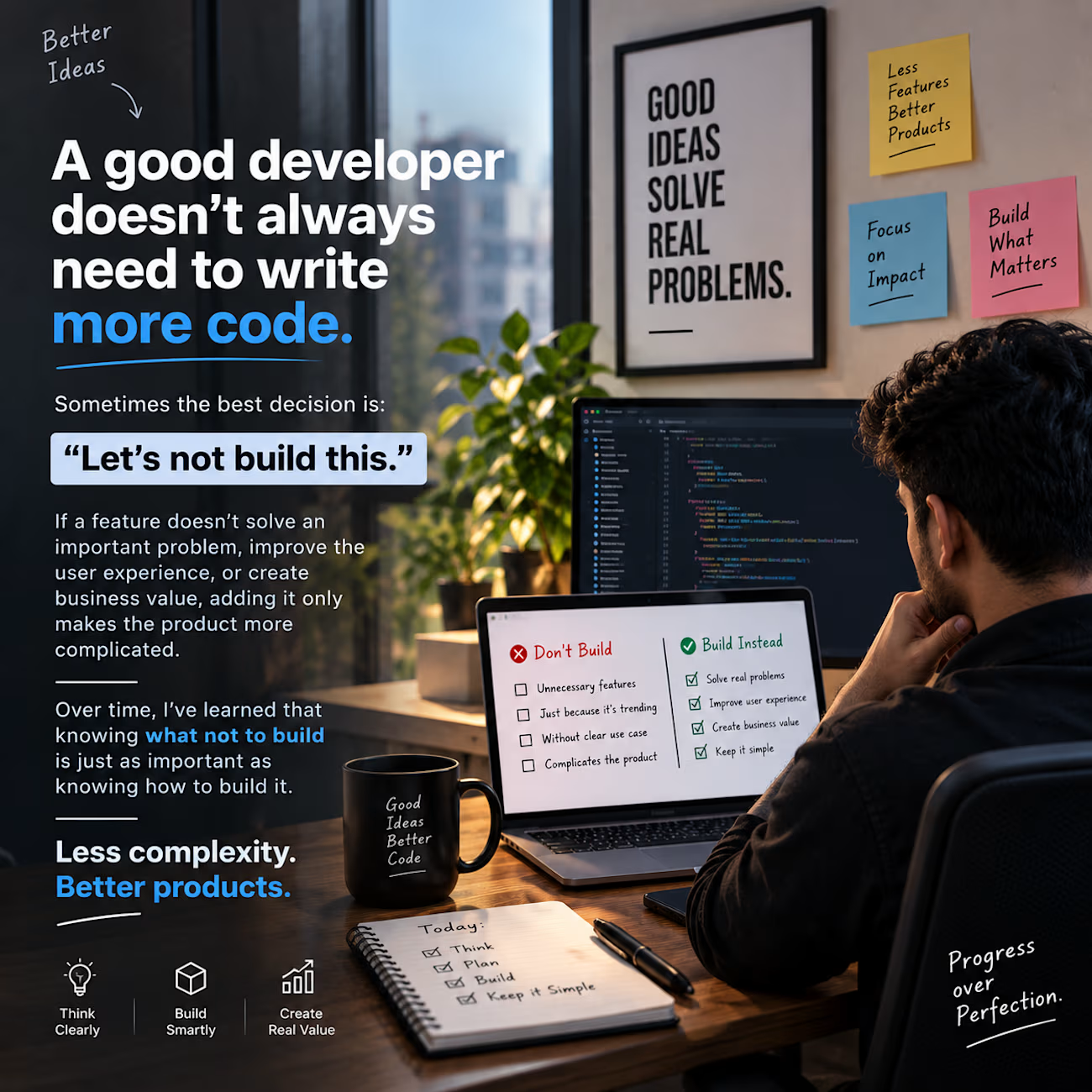
A good developer doesn't always need to write more code.
Sometimes the best decision is:
Let's not build this.
If a feature doesn't solve an important problem, improve the user experience, or create business value, adding it only makes the product more complicated.
Over time, I've learned that knowing what not to build is just as important as knowing how to build it.
Less complexity. Better products.
#SoftwareDevelopment #ProductDevelopment #TechFounder #FullStackDeveloper #SaaS #WebDevelopment