The network for creativity
Join 1.25M professional creatives like you
Connect with clients, get discovered, and run your business 100% commission-free
Creatives on Contra have earned over $150M and we are just getting started
Back to feedPost


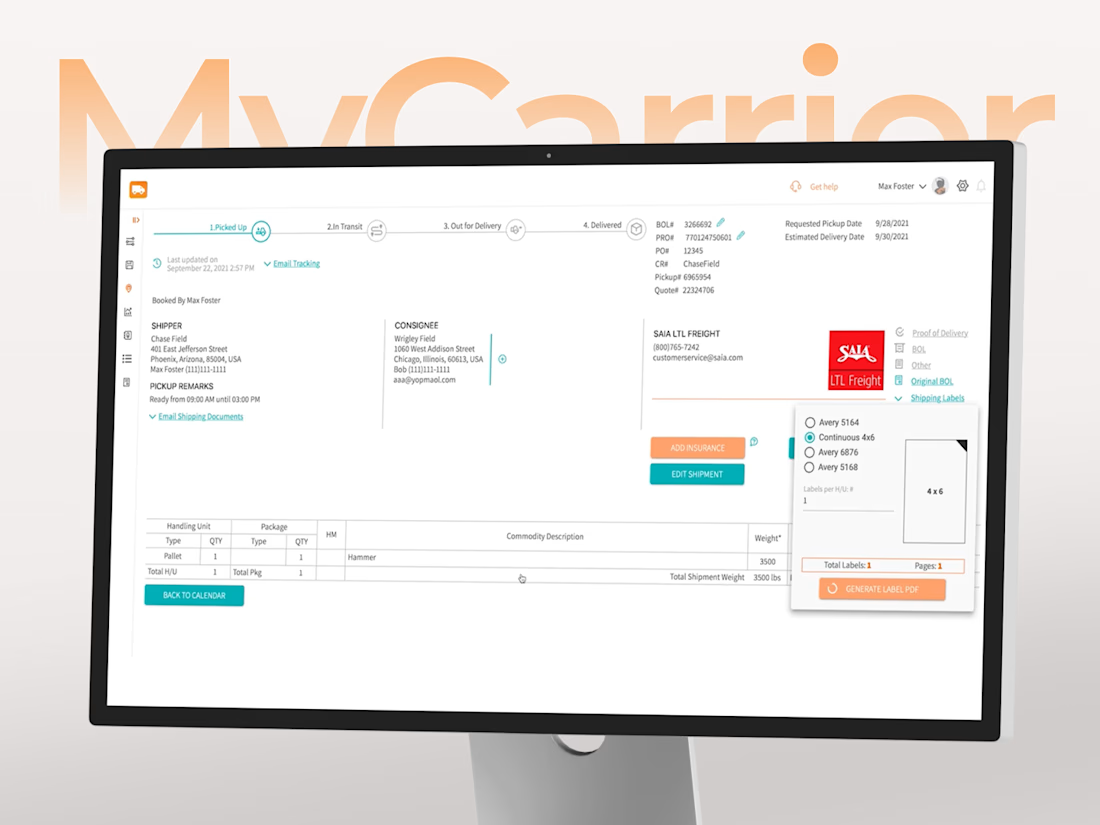
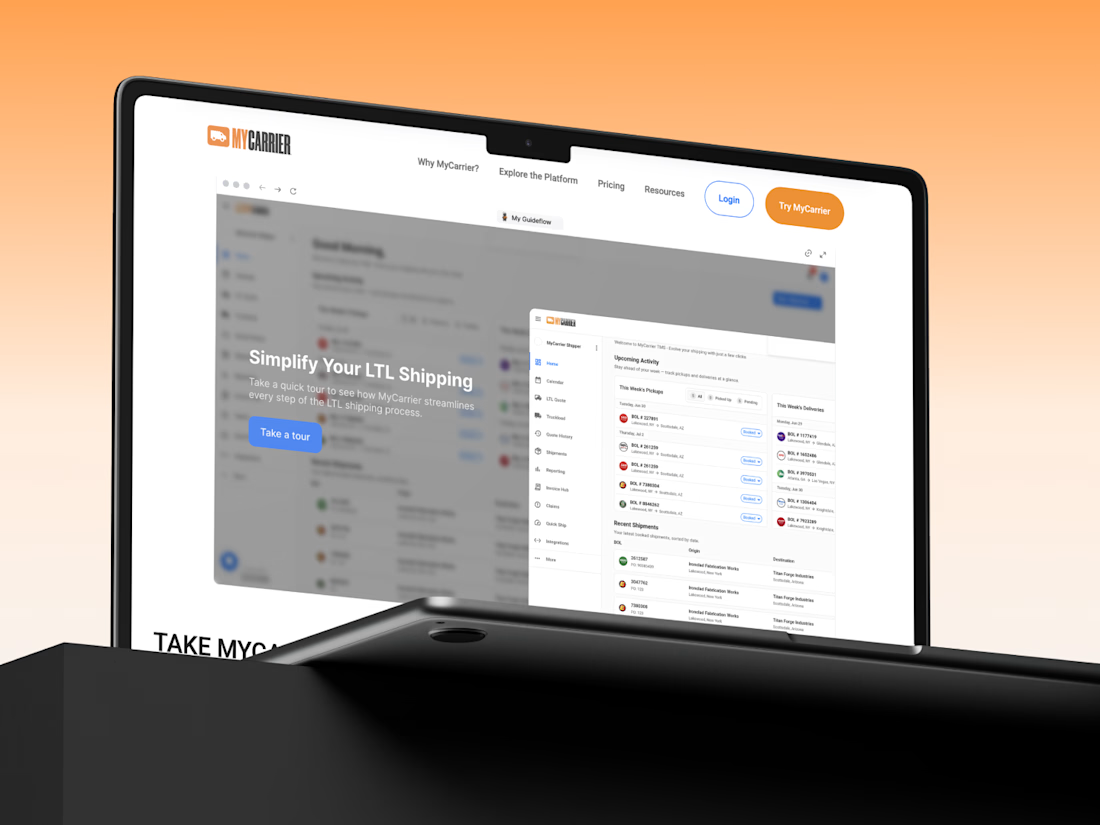
MyCarrier: DevOps & Cloud Transformation for Scalable Logistics SaaS
Preview description:
We helped MyCarrier move toward cloud-ready DevOps: adapted the system for microservices, implemented CI/CD and test automation, moved workloads to Azure, achieved 99.9% availability, decreased update delivery time to minutes.
Full description:
Problem
MyCarrier was growing fast, and the monolithic codebase became harder and more expensive to maintain. It was heavy, resource-consuming, and less suitable for the client’s long-term scaling plans. The team also needed faster delivery processes, but changes in the codebase and cloud migration had to stay unnoticed by users. Their logistics workflows could not be interrupted.
Solution
IT Craft aligned the project infrastructure with a microservices architecture and prepared the system for cloud operation. The team started with a technical audit and developed the migration strategy consisting of 20-28 items. The process was divided into pre-migration, migration, and post-migration phases, thus the product could keep running while infrastructure changed step by step.
The team moved non-critical standalone jobs to the cloud, connected virtual machines to Azure Storage Account, moved logging to MongoDB Atlas, and transferred user data and related processes to the cloud. New app functionality was released as microservices. IT Craft also designed and fine-tuned a CI/CD pipeline, automated infrastructure deployments, and reduced update delivery time through regression test automation.
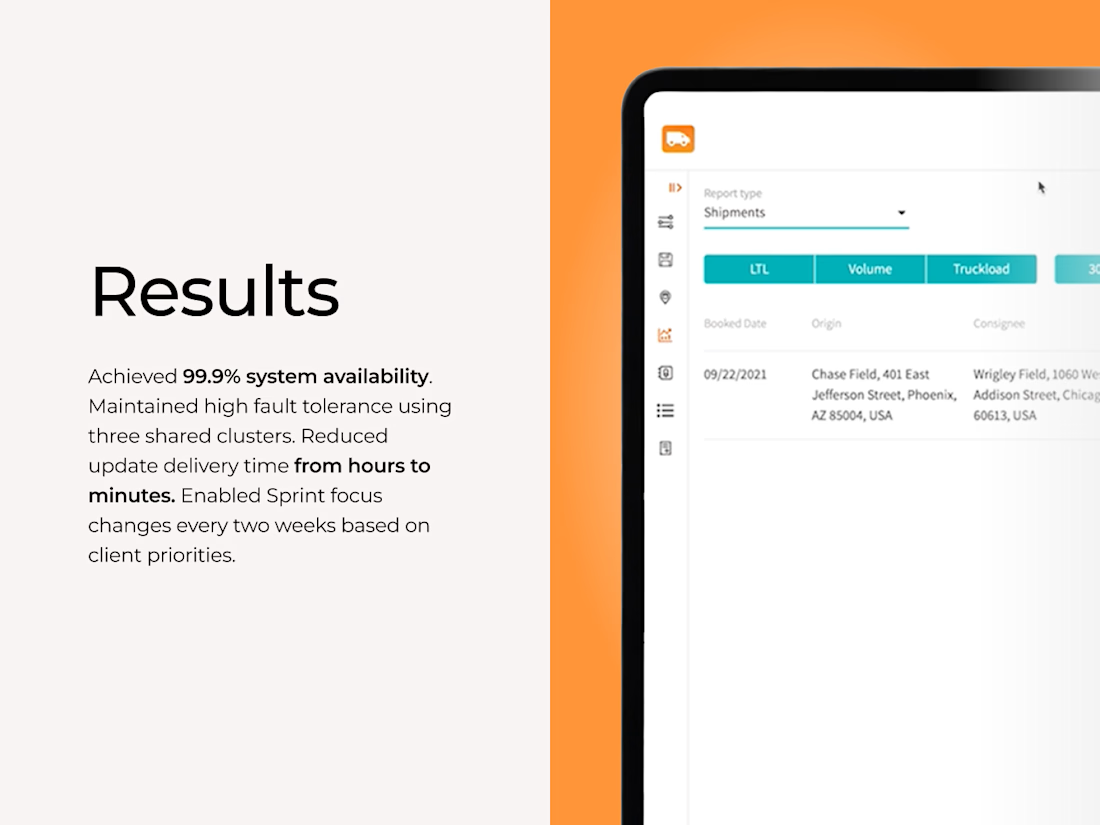
Results
· Achieved 99.9% system availability.
· Maintained high fault tolerance using three shared clusters.
· Reduced update delivery time from hours to minutes.
· Enabled Sprint focus changes every two weeks based on client priorities.
Tech Stack:
· Azure Cloud
· MongoDB Atlas
· Azure SQL
· Azure App Service
· Azure Functions
· Azure Storage Account




great job


That’s a solid transformation. Cutting update time from hours to minutes is a huge improvement.


solid writeup

The network for creativity
Join 1.25M professional creatives like you
Connect with clients, get discovered, and run your business 100% commission-free
Creatives on Contra have earned over $150M and we are just getting started











Related posts

CA Firm Automation Suite — Complete. 5 Stages. 9 Days.
Started with a problem. Finished with a system.
✅ Stage 1 — Client onboarding: form to folder in seconds
✅ Stage 2 — FBR & SECP alerts: 7, 3, 1 day warnings, every client
✅ Stage 3 — Invoice follow-ups: 3 escalating reminders, auto-stop on payment
✅ Stage 4 — Tax data collection: automated document requests with checklist
✅ Stage 5 — New client outreach: personalised emails based on pain point
Built by a 20-year-old CA student who knows this industry from the inside.
Zero per-month cost. Runs free on n8n + Railway.
Looking for the first CA firm to implement this. If that’s you — let’s talk.


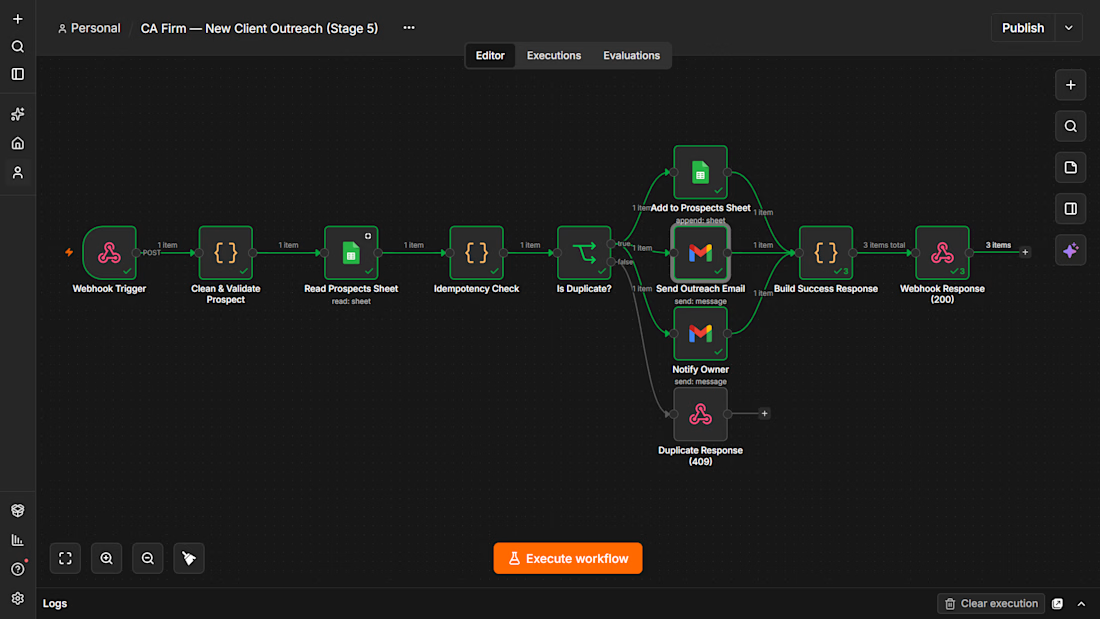
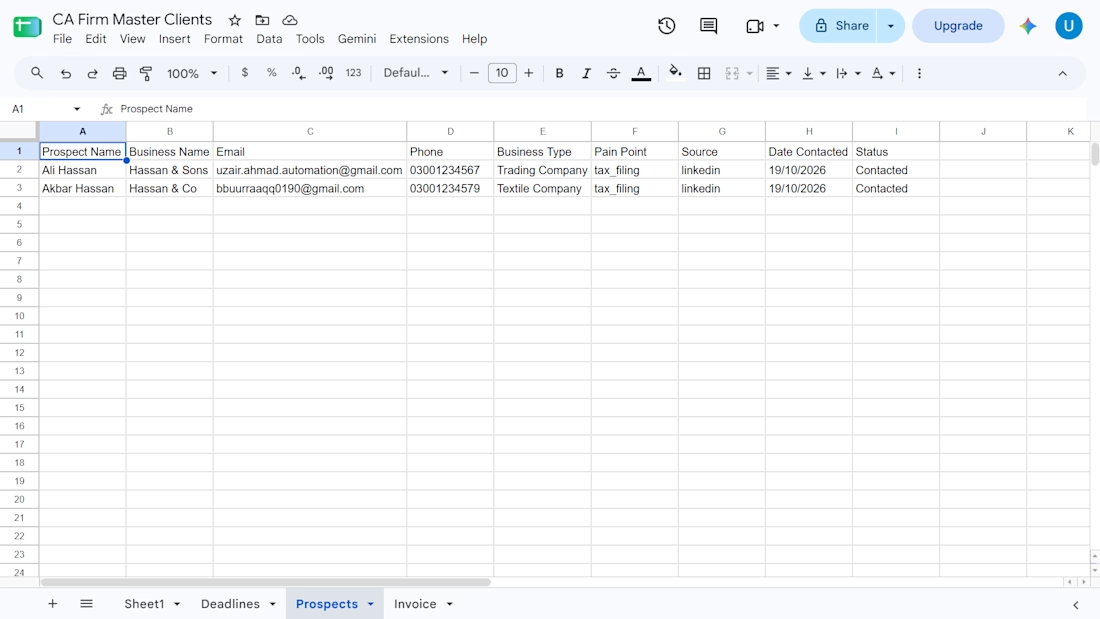
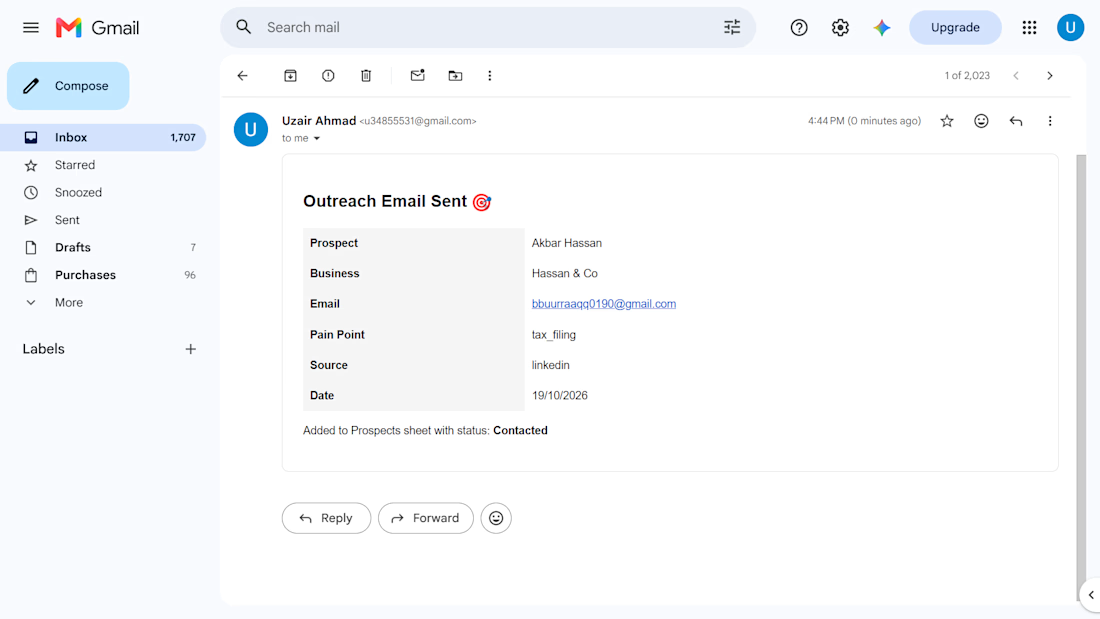
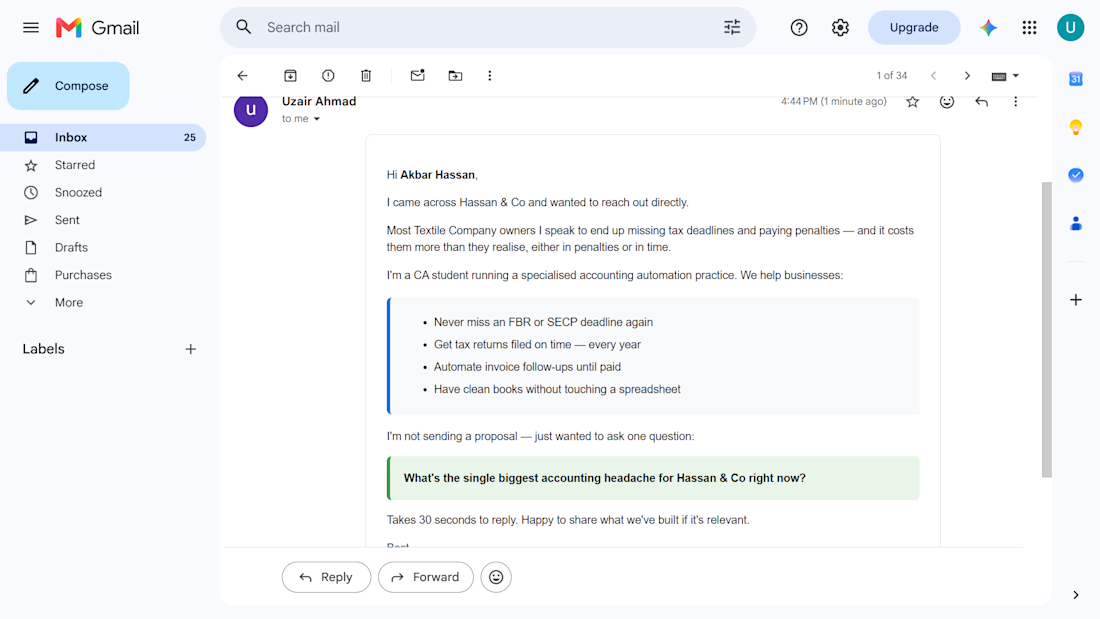

For the tax document checklist, I'd match uploads to both the client and tax period before marking an item complete. How do you handle a client uploading last year's statement or a replacement after the checklist has already cleared?

VeloHub – Logistics & Warehouse Management Dashboard
A streamlined warehouse management dashboard built to simplify logistics, monitor fleet performance, and keep operations running smoothly.
Want to create something like this?
Let's Talk!

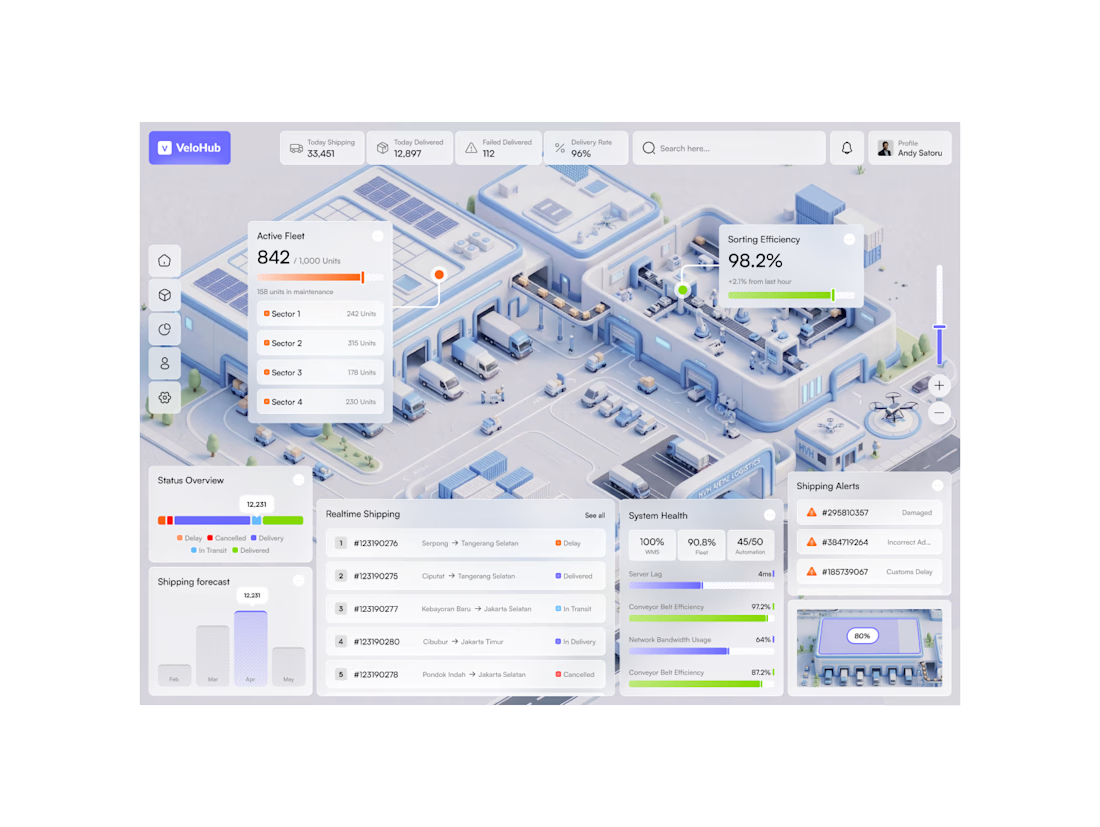

That isometric 3D warehouse view is what makes this one special, Hatypo. A spatial view of the whole facility with live stats like picking accuracy at 98.2% tells an ops manager more in one glance than a wall of tables ever could.

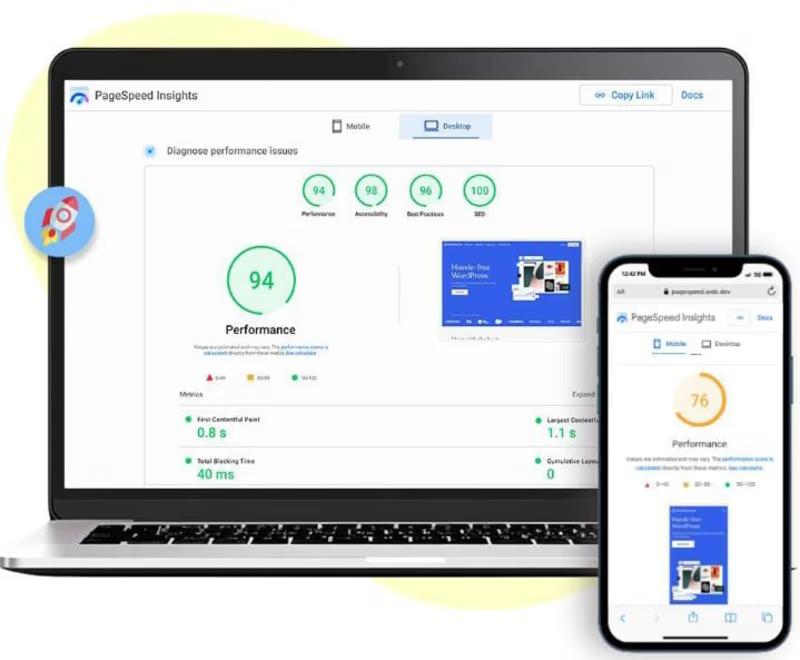
Project Title: WordPress Website Speed Optimization
Project Description:
This sample project demonstrates my approach to improving WordPress website speed, performance, and user experience. It focuses on identifying common performance issues, optimizing images, configuring caching, and reducing unnecessary loading delays.
The goal is to create a faster, more responsive website that delivers a smoother browsing experience across desktop and mobile devices.
Services Demonstrated:
WordPress speed optimization
Image compression and optimization
Caching configuration
CSS and JavaScript optimization
Mobile performance improvements
Core Web Vitals assessment
Tools: WordPress, WP Rocket, LiteSpeed Cache, Google PageSpeed Insights, and GTmetrix.
#pagespeed #wordpress website #websitedevelopment#googlespeed#Developer



Wonderful work!