The network for creativity
Join 1.25M professional creatives like you
Connect with clients, get discovered, and run your business 100% commission-free
Creatives on Contra have earned over $150M and we are just getting started
Back to feedPost
Most restaurant owners don't realize this:
Their website is open 24/7.
But their customer support isn't. 😕
That's exactly what we fixed for our client.
We built an AI Chatbot for a restaurant that:
✅ Answers menu questions instantly
✅ Takes reservations automatically
✅ Handles complaints without human help
✅ Works in Arabic & English both
Result?
📞 Zero missed inquiries
⏰ Staff saved 3+ hours daily
💰 30% more table bookings in first month
This is what we do at EVOX AI TECH.
AI Chatbots + WordPress Websites
specifically built for restaurants.
Want the same for your restaurant?
👇 Message me — let's talk.
restaurantgrowthrestaurantautomationaichatbotAI Chatbot DevelopmentAI AutomationAI DevelopmentBotpressOpenAIVoiceflow


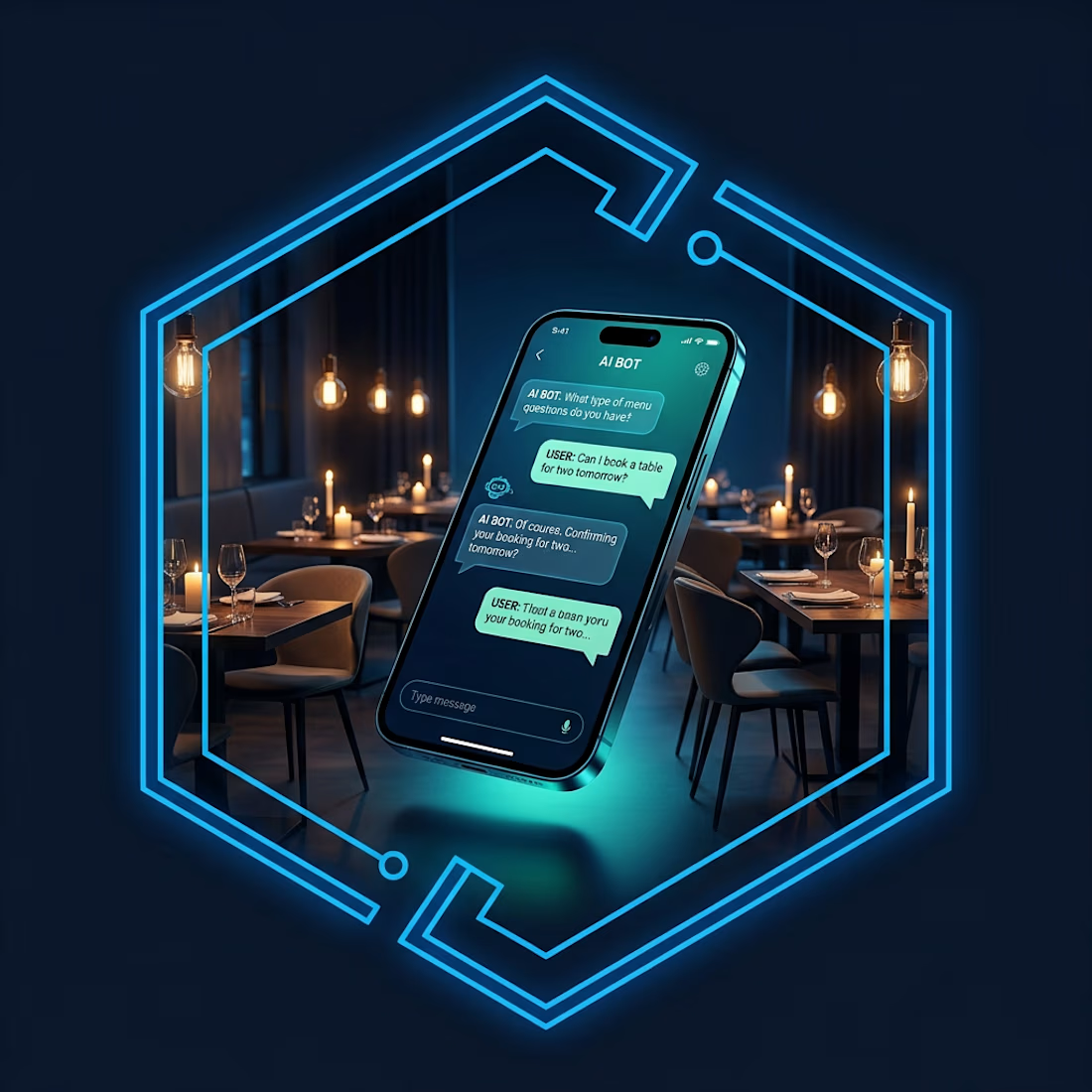

Most restaurants are still losing customers
after closing hours without even realizing it.
A customer tries to book a table at 11pm.
No one answers. They move on.
That booking? Gone forever. 💸
An AI Chatbot doesn't clock out.
It doesn't take breaks.
It doesn't miss a single...

Nice work!


Good job!
The network for creativity
Join 1.25M professional creatives like you
Connect with clients, get discovered, and run your business 100% commission-free
Creatives on Contra have earned over $150M and we are just getting started











Related posts

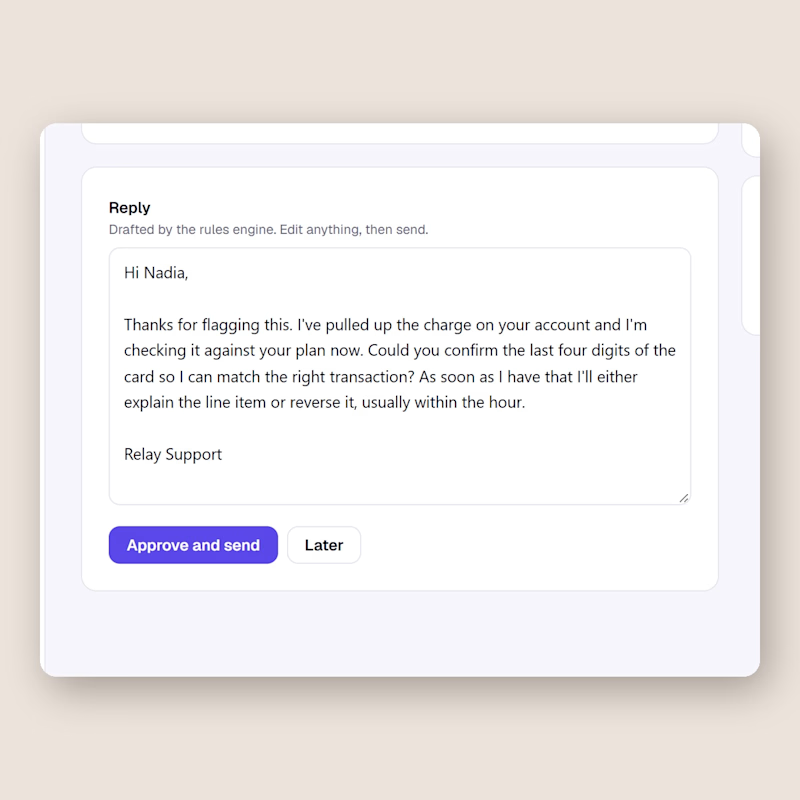
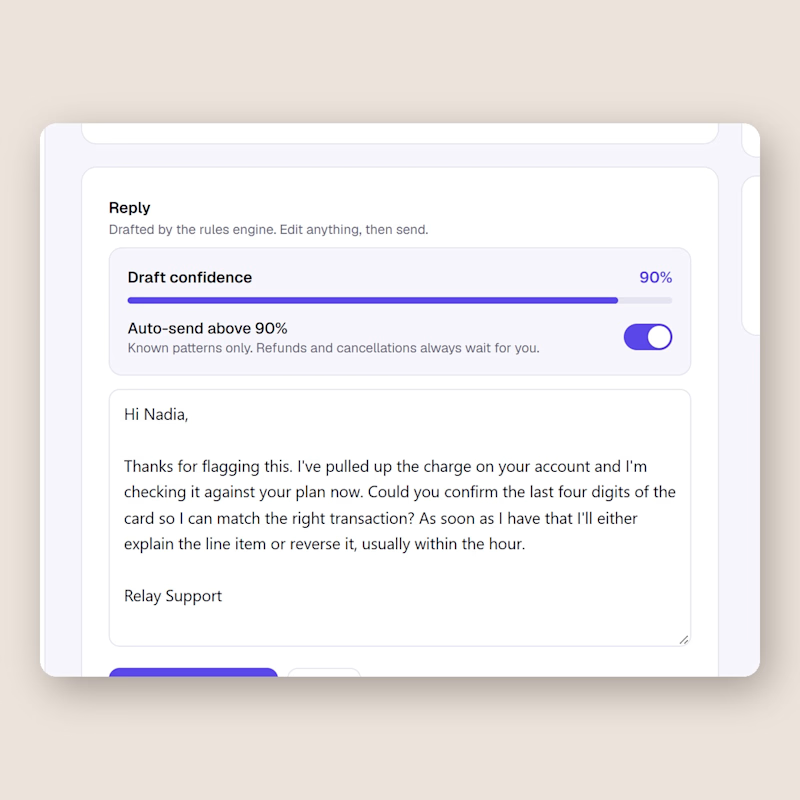
Same support inbox, one difference. Left keeps a human on every send. Right lets the AI send on its own once the draft confidence passes 90, refunds and cancellations excluded.
I built both in Relay this week and I still cannot decide.
Would you flip that switch for your own customers, and at what number?
0 voted
0%
2 voted
100%
2 votes
Closed

I'd flip it per topic, not per score. A 90 on a question the AI has answered hundreds of times is safe. A 90 on a question it has never seen is still a guess. Can Relay set a different threshold per topic?

🚨 A dental clinic was losing patients every single day.
Not because of bad service. Not because of high prices.
Because nobody was replying to messages.
Patients messaged on WhatsApp, Messenger, SMS… And waited. And waited. And left.
The clinic owner contacted me with one simple ask:
“I can’t hire someone to reply 24/7. Can you help?”
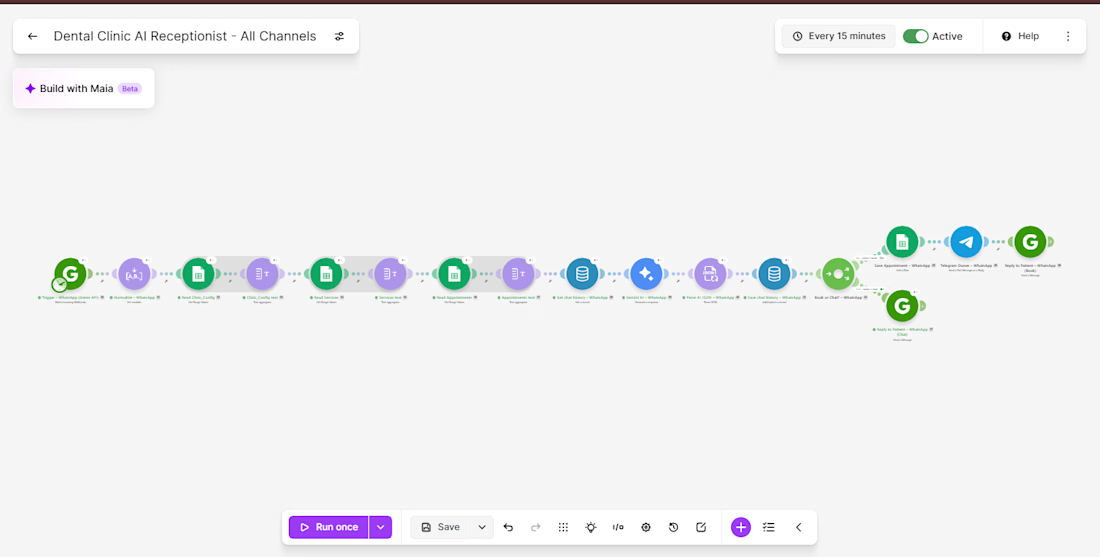
So, I built them an AI receptionist that never sleeps. 👇
Here’s exactly what it does:
✅ Omnichannel Support: Instantly replies to patients on WhatsApp, Facebook Messenger & SMS — all from one system.
✅ Human-like AI: Google Gemini AI understands the message, detects intent, and replies naturally.
✅ Smart FAQ Handler: Answers questions about services, pricing & clinic hours by pulling live data from Google Sheets.
✅ Automated Booking: Checks availability, blocks double-bookings, and confirms only after saving to the sheet.
✅ Instant Alerts: Notifies the clinic owner instantly via Gmail + Telegram on every new booking.
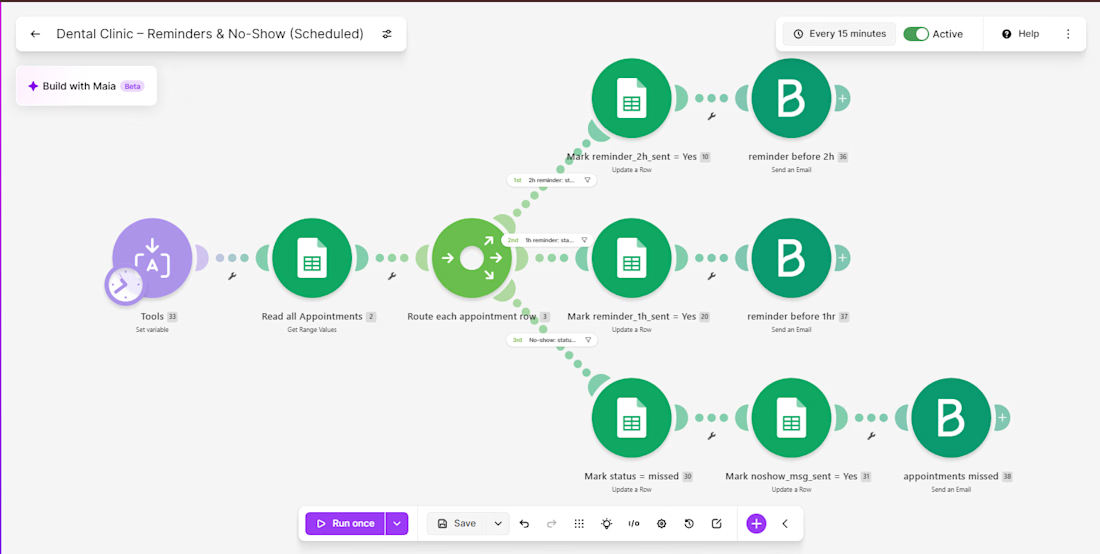
✅ Smart Reminders: Sends automated email reminders — 2 hours and 1 hour before the appointment.
✅ No-Show Recovery: Detects missed appointments and automatically sends a polite rescheduling email after 12 hours.
The Tech Stack 🛠️:
⚙️ Make.com — Automation backbone
🧠 Google Gemini 2.0 Flash — AI brain
📊 Google Sheets — Live clinic database
💬 Green API — WhatsApp integration
📱 Facebook Messenger API & Twilio — Chat & SMS
✉️ Brevo — Email reminders
📢 Telegram Bot — Owner notifications
💾 Make.com DataStore — Conversation memory per patient
The Result? 📈
Every patient gets an instant, intelligent reply — 24/7. No missed bookings. No forgotten appointments. No manual follow-ups.
The clinic owner now wakes up to confirmed appointments already in the sheet with zero manual effort.
This is what I build for businesses. If you’re still replying manually and losing leads while you sleep — DM me. Let’s fix that. 👇
#MakeAutomation #AIAutomation #NoCode #Makecom #GeminiAI #WhatsAppAutomation #BusinessAutomation #AIReceptionist #FreelanceAutomation #Upwork #Fiverr



Nice build, and very close to a WhatsApp assistant I just built for a dental-clinic use case on the WhatsApp Cloud API. Two things mattered a lot in testing: when a patient asks for a person, the bot has to go completely quiet for that chat until the owner hands it back, and the...

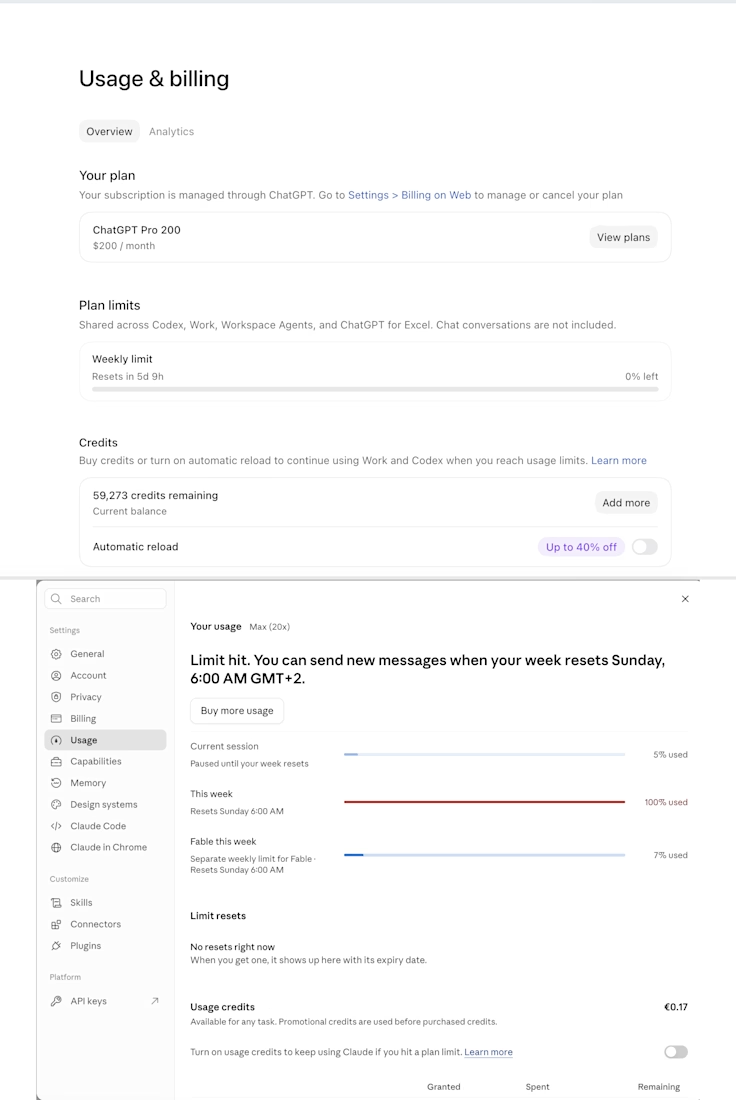
ChatGPT Pro: 0% left. Claude Max: 100% used.
Two $200 plans, and somehow I still need more AI. 😅
At this point, am I a developer or just an AI subscription collector? 💀

💯 Can't stop creating