The network for creativity
Join 1.25M professional creatives like you
Connect with clients, get discovered, and run your business 100% commission-free
Creatives on Contra have earned over $150M and we are just getting started
Back to feedPost

The F-35 is the first tactical fighter built without a physical HUD in fifty years. The pilot's helmet does the job instead — symbology and sensor video projected right in front of the eyes, tracked to wherever the head is pointing. On paper, that already reads as a display problem solved.
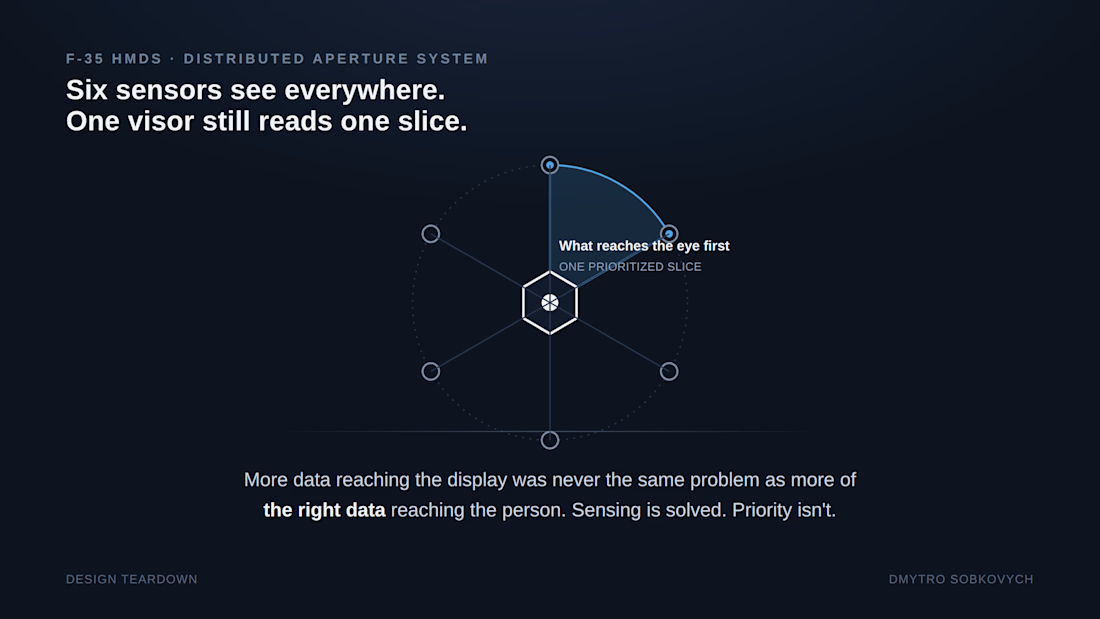
What actually replaces the HUD is the Distributed Aperture System: six infrared sensors mounted around the airframe, stitched into one continuous feed and projected straight onto the visor. Look down and you see through the cockpit floor. Look behind you and you see through the tail. No blind spot in any direction, no need to physically scan for a threat outside the canopy. It's the closest thing a cockpit has to giving a pilot spherical, 360-degree awareness by default.
The instinct is to treat that as the information problem solved — more sensor coverage, more of the world reaching the pilot, case closed. Decades of human-factors research on head-up displays say otherwise. Clutter degrades detection of both flight-critical changes and incoming traffic, and it does so whether the data sits head-up or head-down — moving information in front of the eyes doesn't fix a layering failure, it just relocates it. Adding a sensor doesn't remove a decision. It adds one, at the exact moment the pilot has the least spare attention to make it.
Six infrared feeds merged into a sphere of "everything is technically visible" is a sensing achievement. Deciding which sliver of that sphere earns the pilot's eye in the next half-second is still, entirely, an information-design problem — and no amount of additional sensor coverage answers it for you.
More data reaching the display was never the same problem as more of the right data reaching the person. Solving the sensing problem just moves the harder problem downstream, to whoever decides what surfaces first.
The network for creativity
Join 1.25M professional creatives like you
Connect with clients, get discovered, and run your business 100% commission-free
Creatives on Contra have earned over $150M and we are just getting started






Related posts

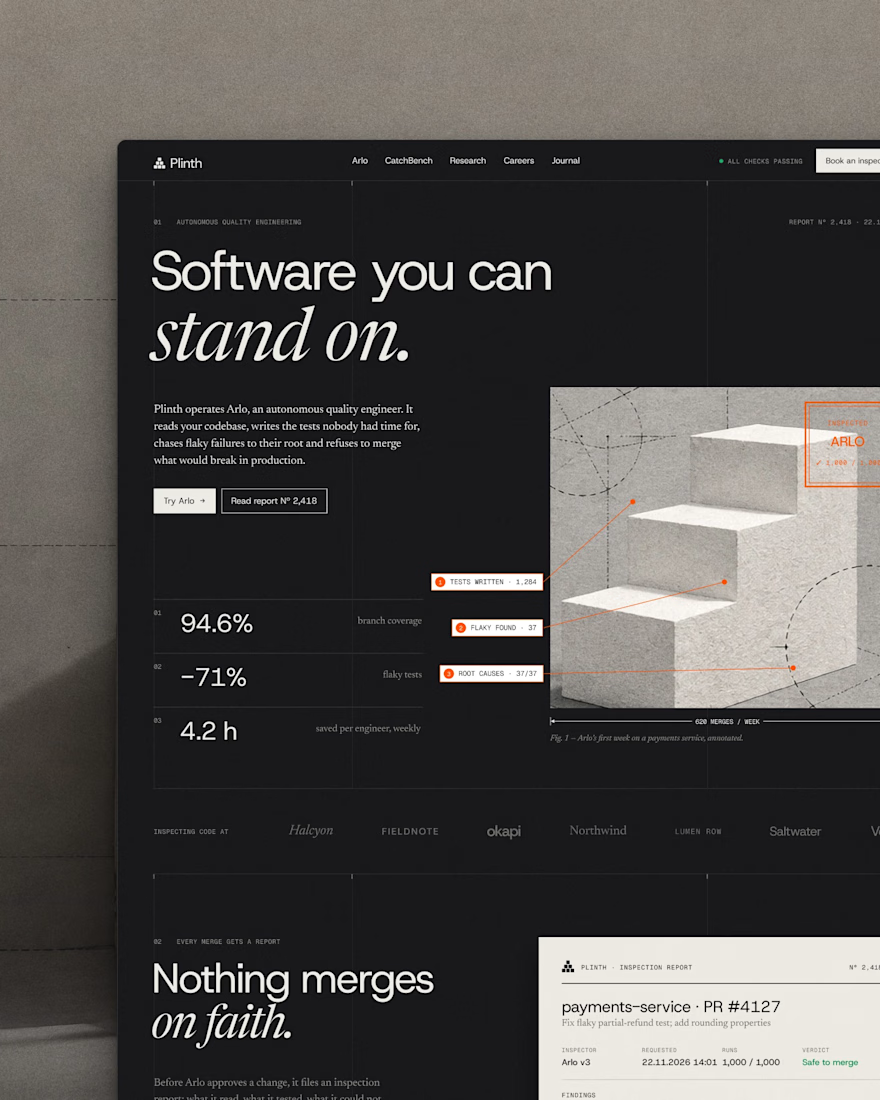
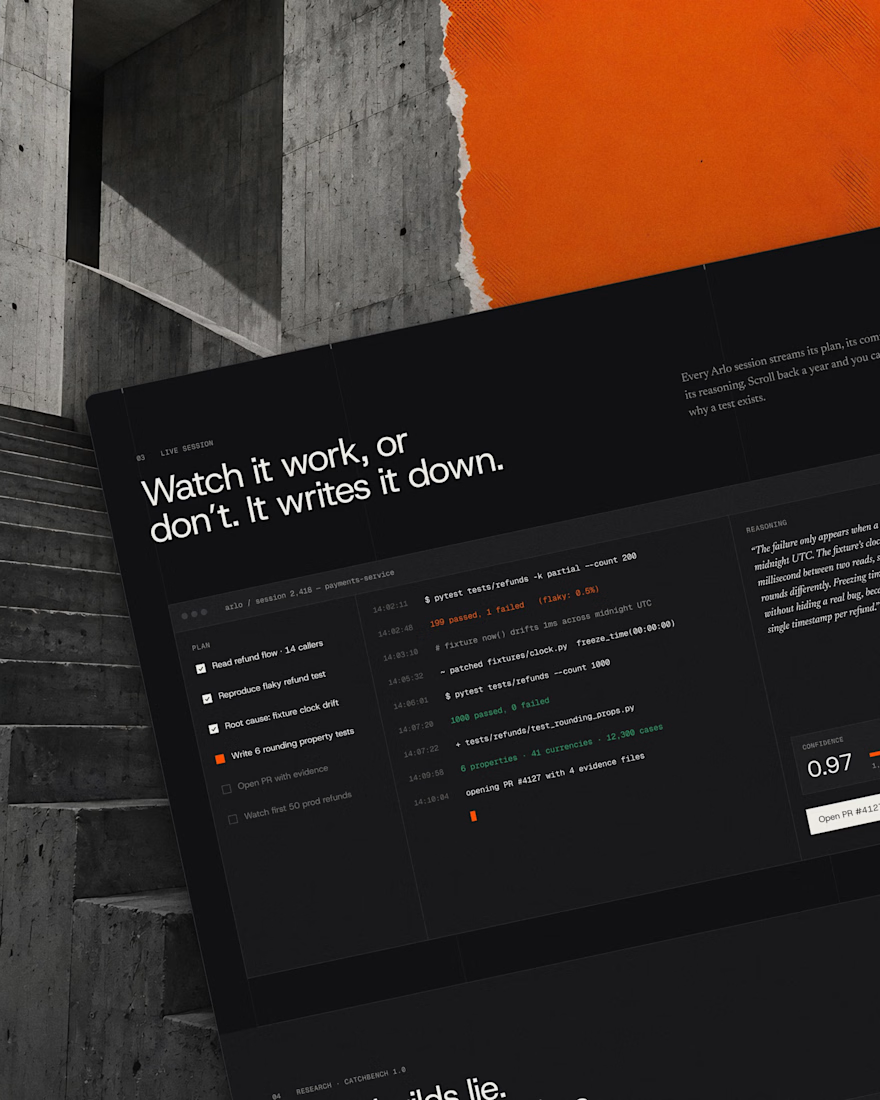
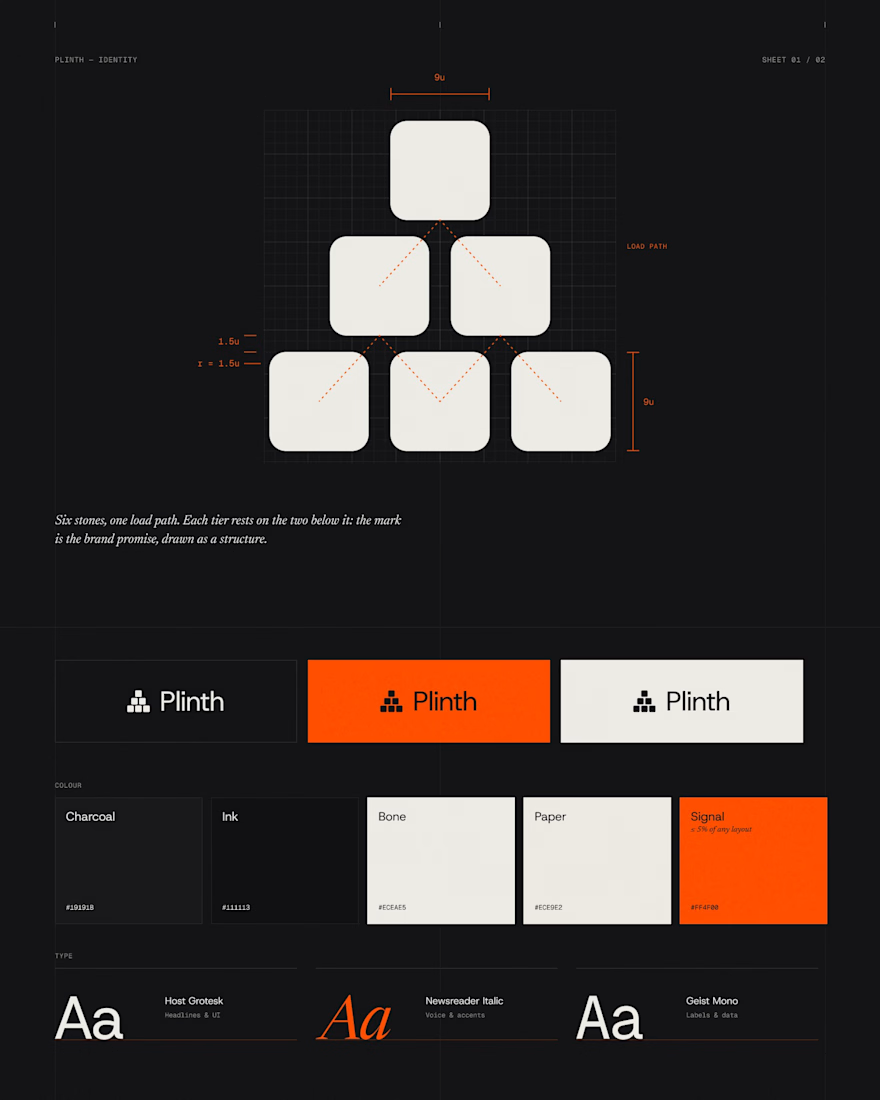
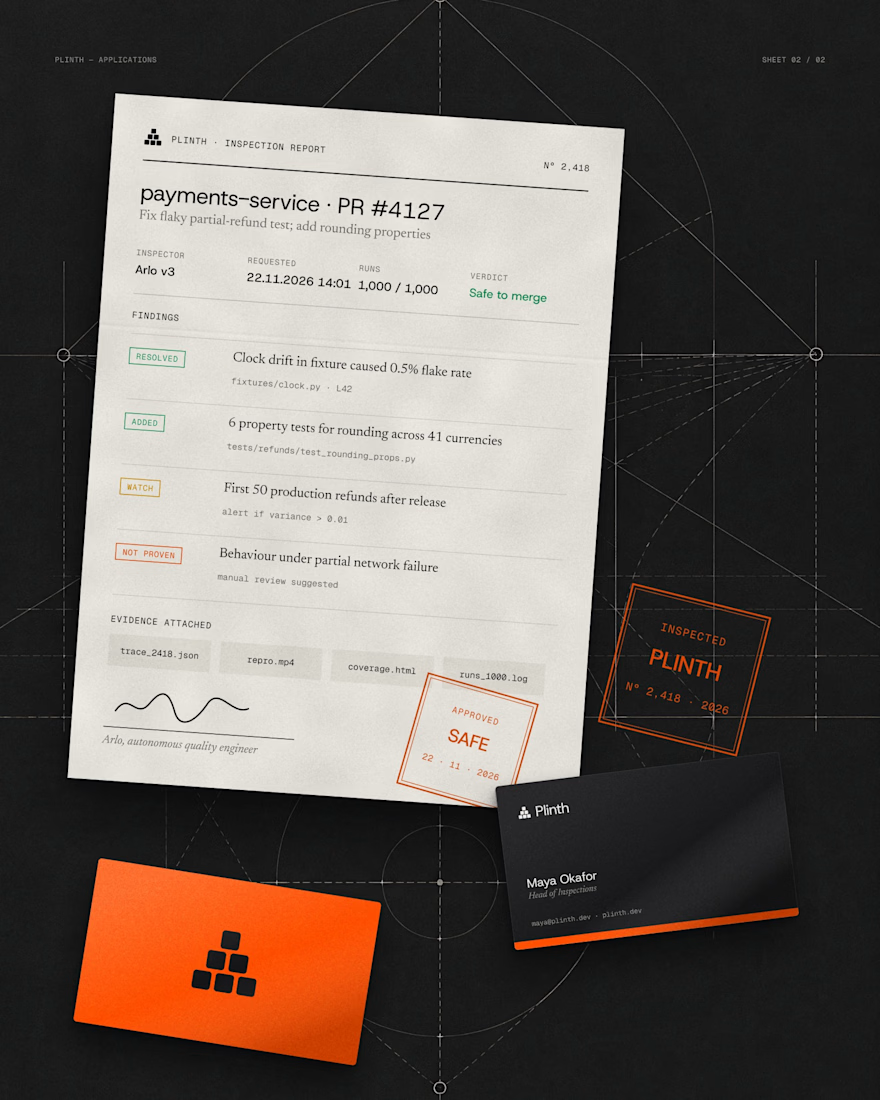
Designed a little brand and landing page for an AI testing company, called Plinth.
Their agent writes the tests nobody had time for, chases flaky failures to the root, and files an inspection report before anything gets merged. Nothing merges on faith.
Design by designgud.co

Great work 👏🏻

A portfolio should feel like the person behind the work.
That was the idea behind SIGHTLINE - an interactive Framer portfolio template I've been building.
Instead of another grid of projects and an About section, I wanted the entire website to feel like one continuous story.
Oversized typography. Cinematic transitions. A curved project gallery. Immersive case studies.
And one of my favorite details: a portrait made of particles that react to your cursor.
But I didn't want to build something that only looked good with my own content.
So I made SIGHTLINE customizable.
You can replace the imagery, edit projects and case studies, change typography and colors, and fine-tune the experience directly through Framer controls — without rewriting the code.
Even the particle interaction adapts when you replace the portrait.
SIGHTLINE is now available as a customizable Framer portfolio template.
Built for designers, developers, photographers, and creatives who want their portfolio to feel a little more personal.
Would love to know which interaction stands out to you.
#Framer #PortfolioDesign #WebDesign #CreativeDevelopment

Vox explainers feel the way they do for reasons you can actually measure.
Before making one, I took 7 of their films apart frame by frame. Here's what I didn't expect.
Graphics move on 2s (12 fps) even inside a 24 fps edit. Only real footage moves on 1s.
About half the on-screen events get a sound, mostly soft paper and air. Crisp hits are rare.
Something new lands on screen every 2 to 3 seconds.
Then I built a 4-minute documentary in that style. 9/11, minute by minute, from public-domain archival footage, old survey maps and the 9/11 Commission Report.
Every fact on screen carries its source in the corner.
What topic should get the collage treatment next?