The network for creativity
Join 1.25M professional creatives like you
Connect with clients, get discovered, and run your business 100% commission-free
Creatives on Contra have earned over $150M and we are just getting started
Back to feedPost

65% faster delivery — rebuilt a fragmented peer-to-peer video tool into a scalable conferencing system in 2 weeks instead of 6, using AI-assisted development workflows.
Delivered multi-user sessions, adaptive video layouts, two-way screen sharing, and host/guest roles with waiting room and admission control.
MY ROLE
- Designed interaction models and system flows in Figma
- Built frontend architecture and real-time state management
- Implemented backend integrations — sockets, Redis, APIs
DELIVERABLES
- Multi-user video sessions with adaptive layouts
- Two-way screen sharing
- Host/guest roles + waiting room + admission control
TECH STACK
Vue, Vite, Pinia, Node.js, Redis, WebSockets, Figma
RESULTS
- 65% reduction in development timeline — 6 weeks to 2 weeks via AI-assisted workflows
- 0→1 prototype transformed into a viable product system
- Scalable architecture established for real-time multi-user communication


The network for creativity
Join 1.25M professional creatives like you
Connect with clients, get discovered, and run your business 100% commission-free
Creatives on Contra have earned over $150M and we are just getting started
Related posts

Made some project page fixes on my Framer template in progress and made the project index page responsive before going to bed tonight.
To keep the UX feeling nice I added a scroll snapping effect to the project video panes so that they never appear only partially, but one pane at a time is always fully on screen as the user scrolls. 🔧


Really inspiring work! 😁


wow, impressive work

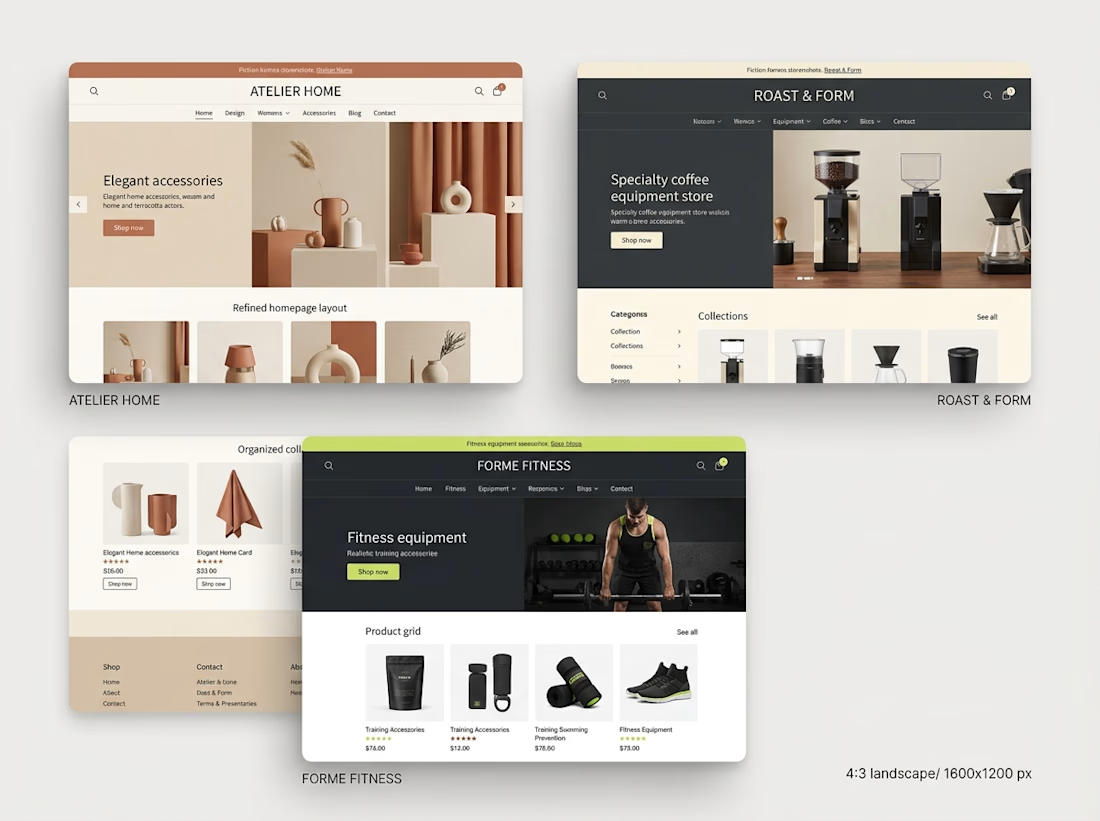
Over the past month, I've been spending more time exploring Shopify store design and thinking about what makes an online store work well.
One thing that stands out to me is that good e-commerce design involves much more than appearance.
I've been paying closer attention to:
→ How a homepage guides visitors
→ How product pages present important information
→ How collections help customers discover products
→ How navigation affects the shopping experience
→ How a store adapts to mobile screens
→ How consistent design builds a stronger brand experience
I'm also learning to think more carefully about the purpose behind each section instead of designing just because something looks good.
Every page should have a reason to exist, and every design decision should contribute to the overall experience.
I still have more to learn and improve, but each project gives me another opportunity to practice, experiment, and develop my approach.
My biggest takeaway so far: good Shopify design brings visual presentation, usability, and the customer's journey together.
What's one thing you believe every e-commerce designer should understand?

Understanding customer behavior is key to creating better shopping experiences. 👏


