The network for creativity
Join 1.25M professional creatives like you
Connect with clients, get discovered, and run your business 100% commission-free
Creatives on Contra have earned over $150M and we are just getting started
Back to feedPost

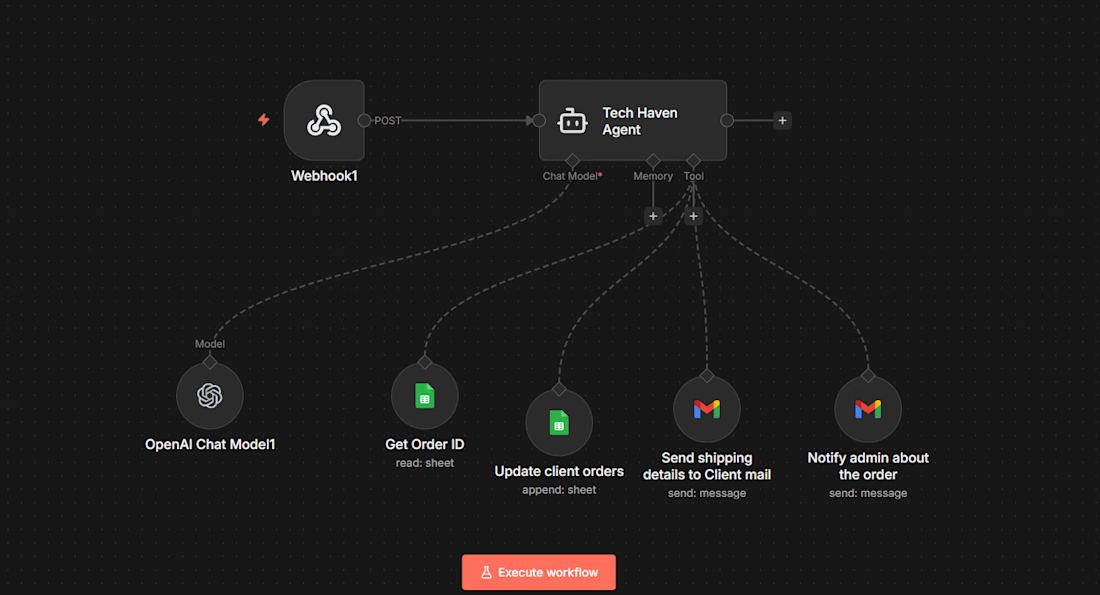
AI-Driven Order Fulfillment & Customer Engagement Workflow
Summary This autonomous workflow leverages LLMs to streamline e-commerce operations. It intelligently interprets data to manage the full order lifecycle—from database updates to stakeholder communication—entirely without human intervention.
Core Capabilities
🤖 AI Orchestration: Dynamically selects tools based on webhook context to execute tasks.
📊 Data Management: Performs real-time order verification and updates via Google Sheets.
📧 Automated Alerts: Orchestrates instant, specific notifications for clients and admins via Gmail.
⚡ Adaptive Logic: Automatically distinguishes and routes general inquiries vs. active orders.
Tech Stack n8n • OpenAI (GPT-4) • Google Sheets • Gmail • RESTful Webhooks


The network for creativity
Join 1.25M professional creatives like you
Connect with clients, get discovered, and run your business 100% commission-free
Creatives on Contra have earned over $150M and we are just getting started




Related posts

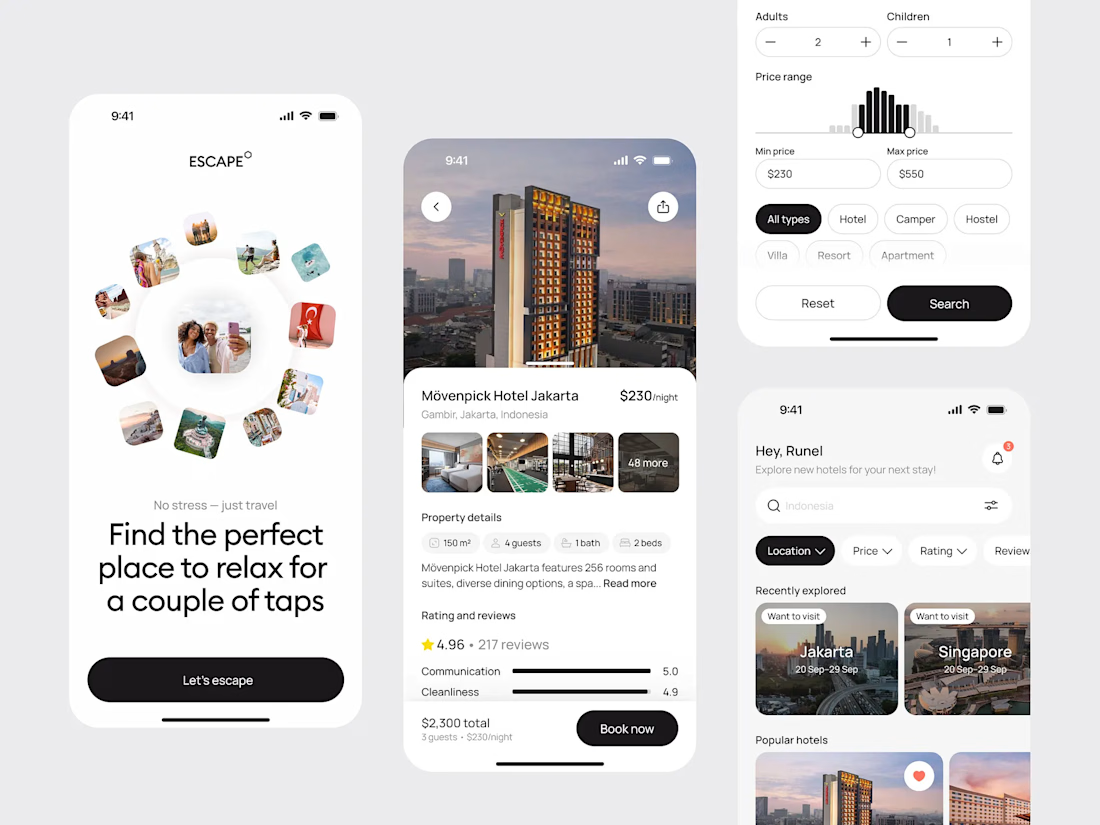
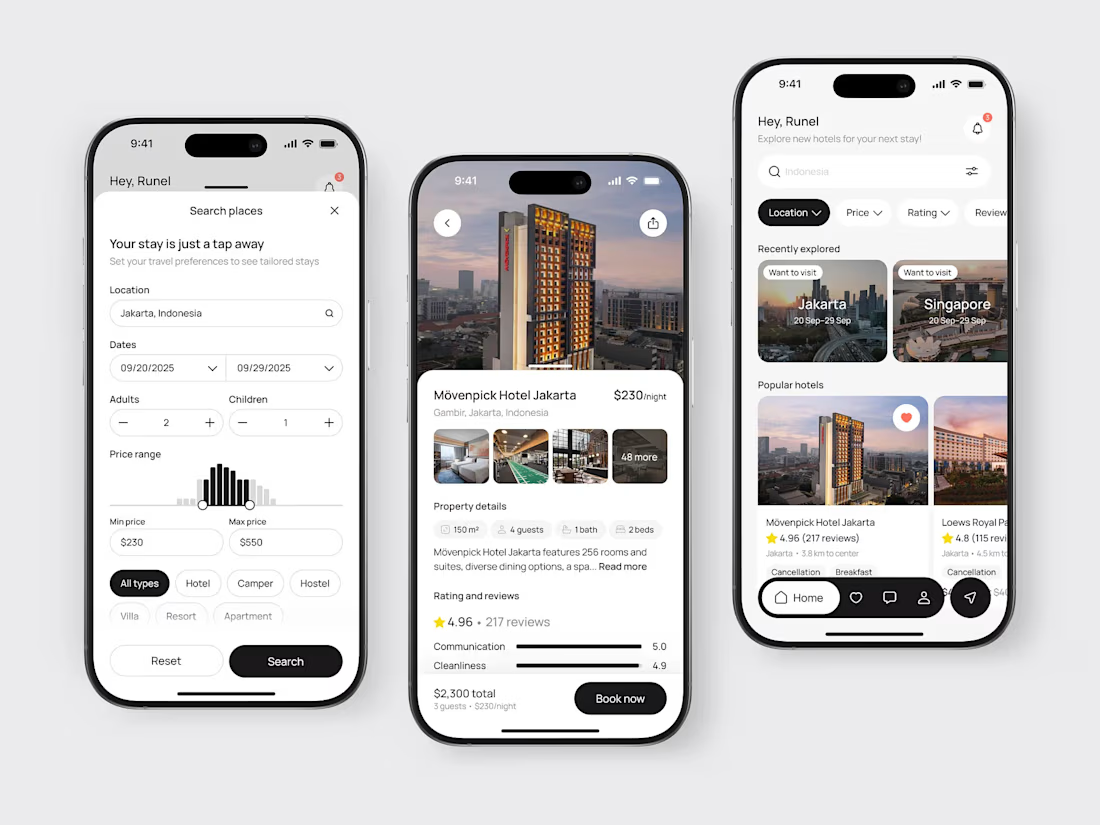
Really clean and polished app design! The booking flow looks intuitive and the overall UI feels modern and easy to use. 👏




good work

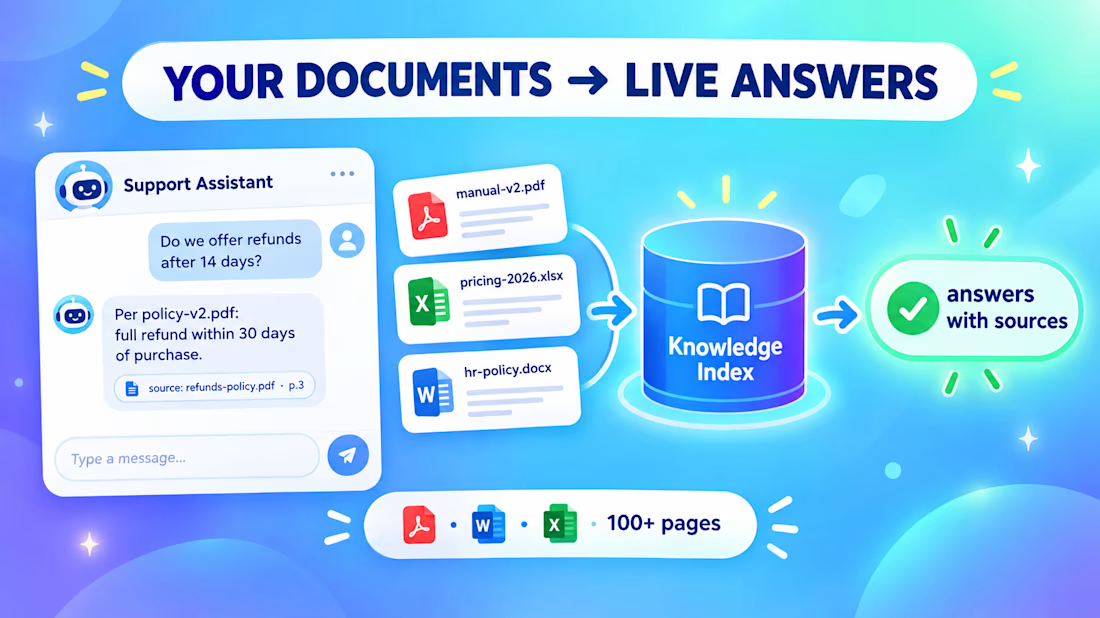
AI Assistant Using Your Business Knowledge Base — RAG on Your Documents
THE PROBLEM
Q&A bots break down when knowledge lives in documents: a 100-page manual has no "questions" to match, it can't fit into a prompt, and generic chatbots hallucinate instead of admitting what they don't know.
THE SOLUTION
A RAG (Retrieval-Augmented Generation) knowledge base: documents are split into meaningful chunks, embedded into a vector index, and the assistant answers from the right sections — by meaning, not keywords.
Any format as-is: PDF, DOCX, TXT, Markdown — 100+ pages is fine
Answers grounded in YOUR documents — it says "I don't have that information" rather than inventing
Source references — every answer shows which document and section it came from
Runs on your infrastructure — documents never leave your control
One command to re-index after updating documents — documented, no programmer needed
LIVE DEMO
Ask it about my products, pricing, deployment and support — it answers from 6 real documents with sources:
https://kb-assistant-demo.dvc-ai.workers.dev



The 'I don't have that information' line is the part most RAG builds skip, and it's the one that matters. How do you set the cutoff? On mine, a fixed similarity threshold broke once I filtered results by user role. Scores shifted and it refused questions it could answer.

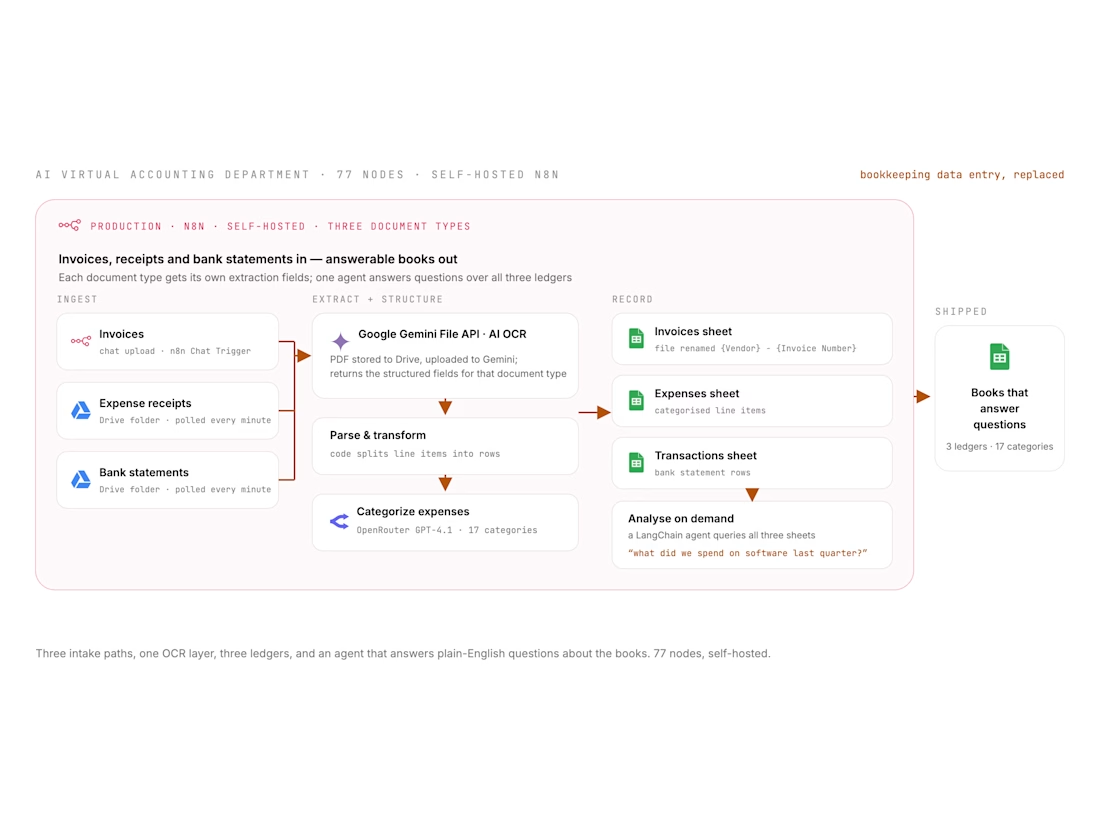
Architecture diagram for a 77-node AI accounting workflow that converts invoices, receipts, and bank statements into structured Google Sheets ledgers and answers questions about the books.