The network for creativity
Join 1.25M professional creatives like you
Connect with clients, get discovered, and run your business 100% commission-free
Creatives on Contra have earned over $150M and we are just getting started
Back to feedPost

We've all been there: spending 30 minutes browsing Netflix, only to re-watch The Office for the 10th time.
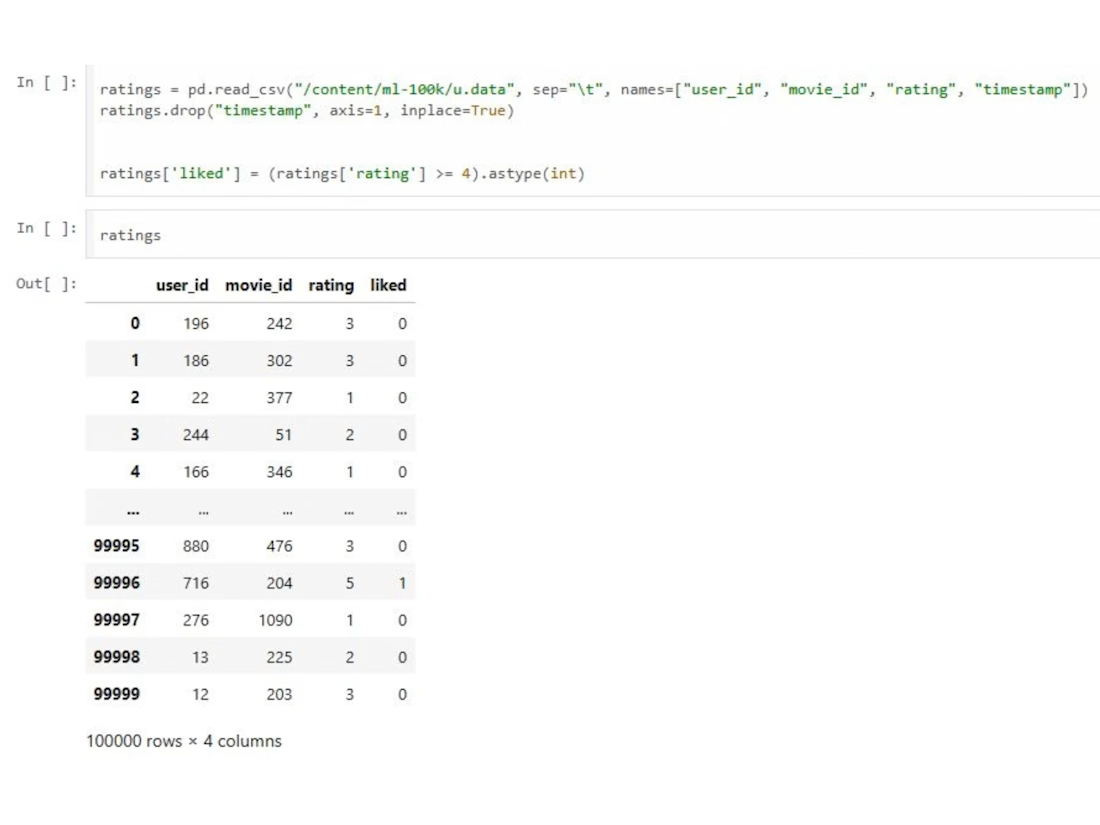
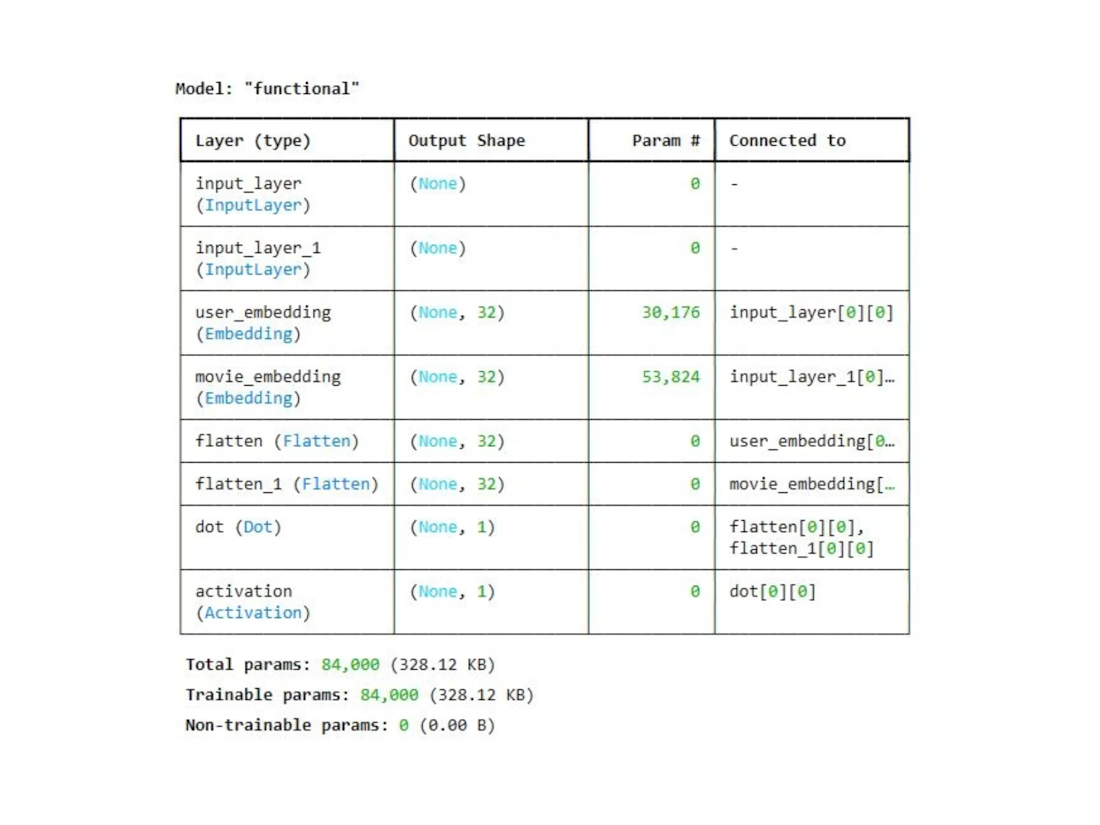
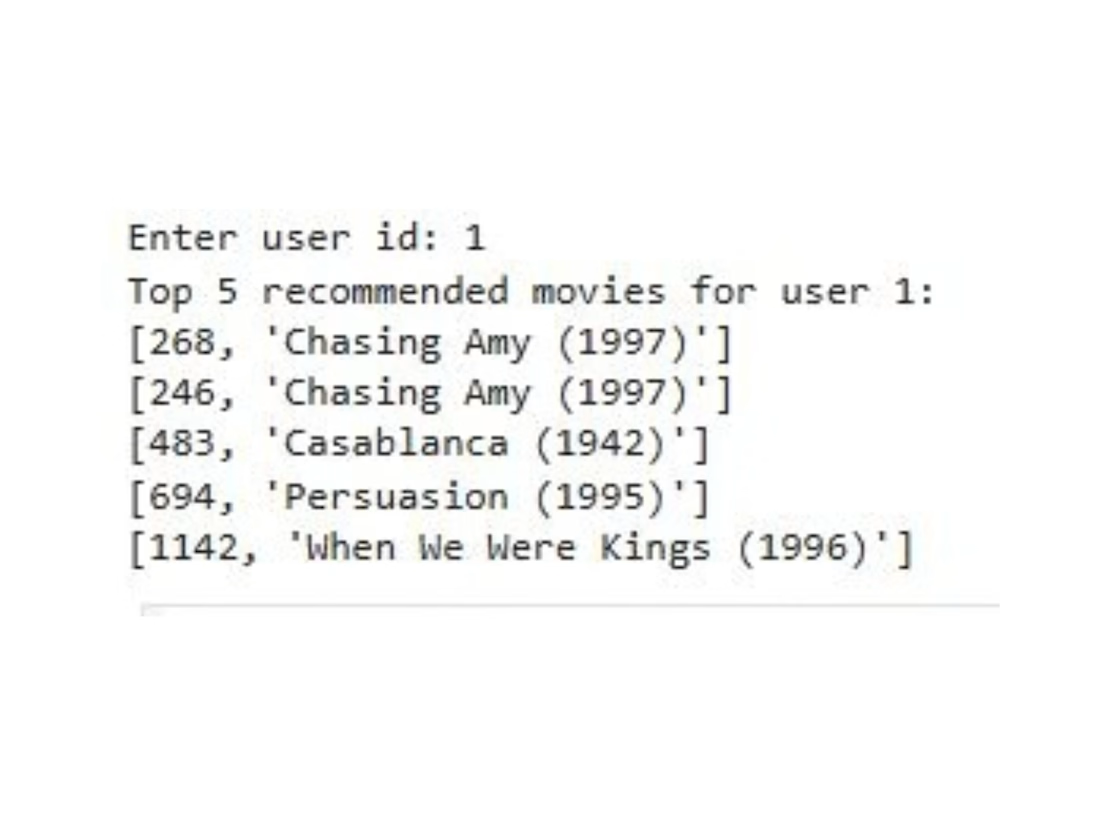
I wanted to fix that "what should I watch?" problem. So, I built a custom neural network from scratch using TensorFlow/Keras. It analyzes massive datasets of user behavior and maps complex relationships between viewers and films.
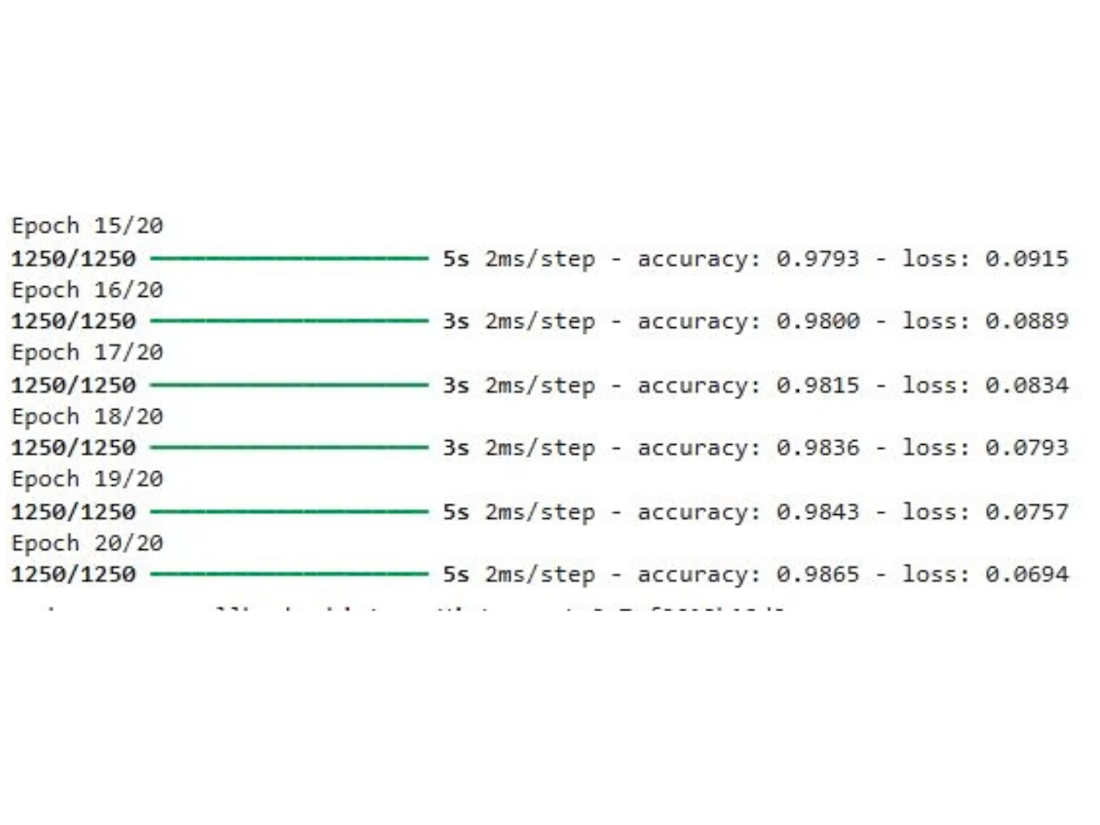
The result? A highly accurate recommendation engine that serves up the perfect top 5 movies based on individual taste. It's like giving every user their own personal film buff.


The network for creativity
Join 1.25M professional creatives like you
Connect with clients, get discovered, and run your business 100% commission-free
Creatives on Contra have earned over $150M and we are just getting started





Related posts

Rosso Archive — Gallery Website
Rosso Archive is a website for a contemporary art gallery — a calm, editorial space built around a single idea: twenty-four works.
We kept the interface quiet so the images can speak. Monospaced captions, a soft grey palette and generous white space give the archive the feel of a printed catalogue, while small interactions make it feel alive online.
What's inside:
— Index list view with a live preview of the hovered work
— Grid view with a colour-on-hover state for the active piece
— Work detail page with specs, description and related works
— Seamless zoom-in transitions between artworks and screens
Have a project in mind? Let's talk.


Great work, Dmytro!

Then: 1 month, 1 template.
Now: 1 week, 15 templates.
Same designer, different workflow.
I wrote up how I built no-code.supply: fifteen website templates, each with its own brand, in HTML and React, and some in Framer too. Claude Code did most of the typing. I did the directing.
no-code.supply
How I built 15 website templates with an AI coding agent in a week
How I built 15 AI-ready website templates with Claude Code in a week: the workflow, the quality bar, and why a template is only the starting point.

Going from one template a month to fifteen a week is wild. How much of the design direction did you still do by hand?


An AI-built app can work perfectly while any stranger can read its customers' data. Nothing on screen shows it.
Ask whoever built it: which tables hold user data, and what stops a logged-out stranger from reading each one? A good answer is a list. "It should be fine" means nobody has checked.

Andrés, this is the check most founders never run, because nothing breaks until someone looks. Asking for the list of tables and who can read each one is a test any owner can do without writing code. Row level access belongs on the launch checklist, not the cleanup list.