The network for creativity
Join 1.25M professional creatives like you
Connect with clients, get discovered, and run your business 100% commission-free
Creatives on Contra have earned over $150M and we are just getting started
Back to feedPost

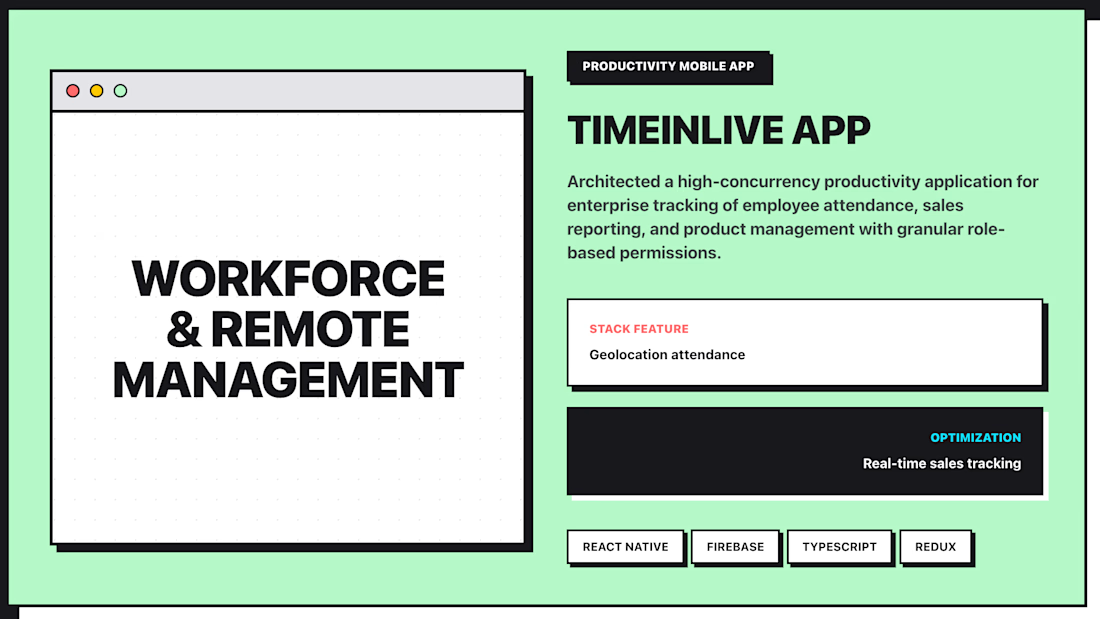
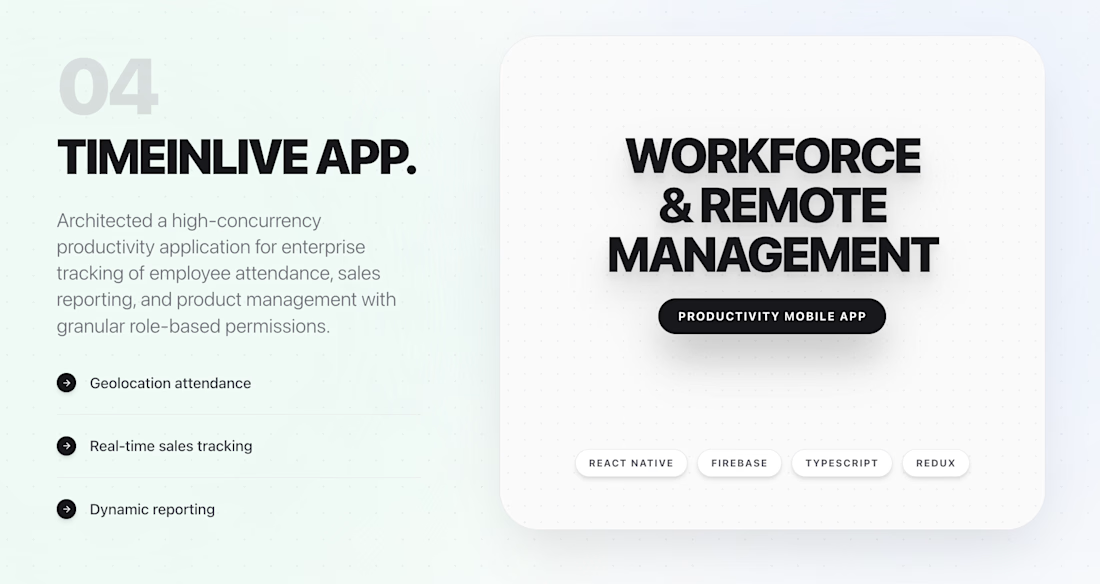
Architected and developed a high-performance enterprise productivity application designed to streamline employee attendance tracking, sales reporting, and product management operations. Built the system to handle high concurrency and real-time data synchronization, ensuring reliable performance for large teams and distributed workforces.
Implemented geolocation-based attendance tracking to accurately record employee check-ins and check-outs, along with dynamic reporting dashboards to monitor sales performance and operational metrics. Designed and integrated a granular role-based permission system, enabling secure access control for different organizational roles such as Admin, Manager, and Sales Executive.
Focused on scalable architecture, secure authentication, optimized API communication, and responsive mobile user experience suitable for enterprise environments.
Key Features
Geolocation-based attendance tracking system
Real-time sales tracking and performance monitoring
Dynamic reporting and analytics dashboards
Role-based access control (RBAC) system
Employee and product management modules
Secure authentication and authorization
Offline data synchronization support
REST API integration with backend services
Push notifications for activity updates
High-performance and scalable architecture


The network for creativity
Join 1.25M professional creatives like you
Connect with clients, get discovered, and run your business 100% commission-free
Creatives on Contra have earned over $150M and we are just getting started











Related posts

React Bits & Lovable. Just try this cool stuff! 👍
#prototyping #uiux #nocode


Love this stack Alona! React Bits + Lovable is such a powerful combo for rapid prototyping. No-code/low-code but still keeping that custom UIX feel - that's the sweet spot! Have to try this cool stuff indeed. Great share! 👍

Hushdesk — AI Support SaaS Website | Next.js + GSAP


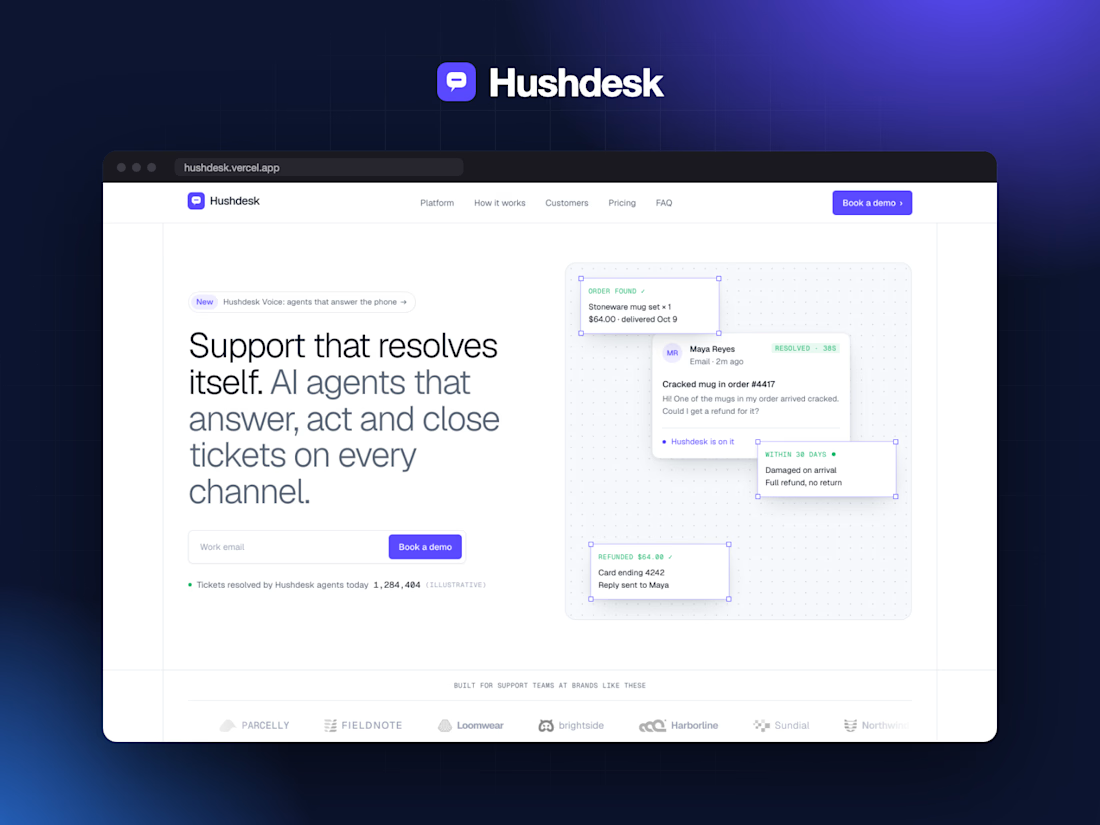

For an AI support flow, I’d make the handoff point part of the demo: show what happens when the answer is uncertain or the customer asks for a person. Is that transition covered in the interaction?


Onboarding workflow for Resplendent Data, a business intelligence platform

Cool animations and a very clean UI. Great work!