The network for creativity
Join 1.25M professional creatives like you
Connect with clients, get discovered, and run your business 100% commission-free
Creatives on Contra have earned over $150M and we are just getting started
Back to feedPost

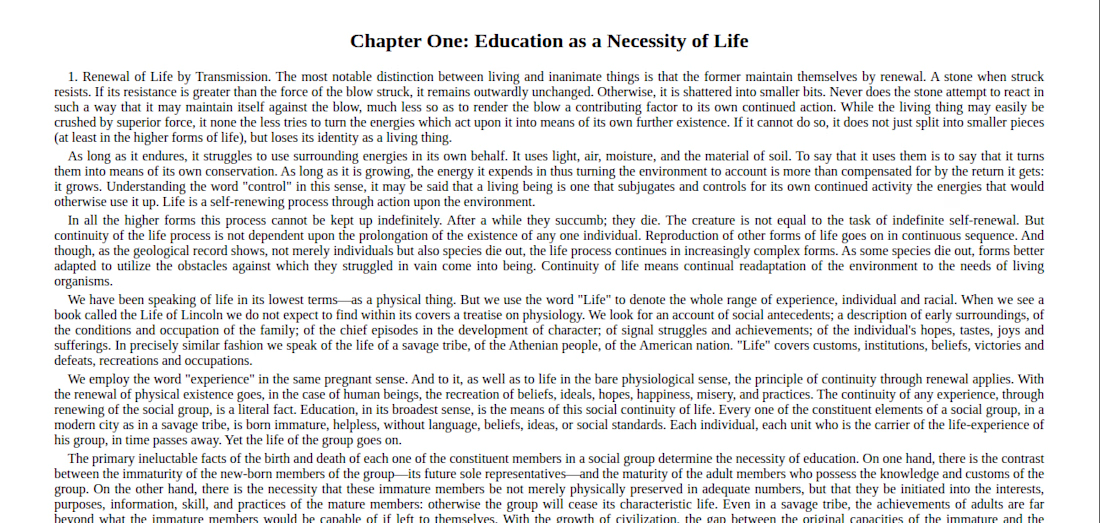
Editing the next book I'm going to publish, Democracy and Education: An Introduction to the Philosophy of Education (John Dewey). Originally published in 1916, this text has been foundational in our understanding of how our species survives through transmission of knowledge to our young, and how that knowledge shapes our minds for fitness to live productively in society.
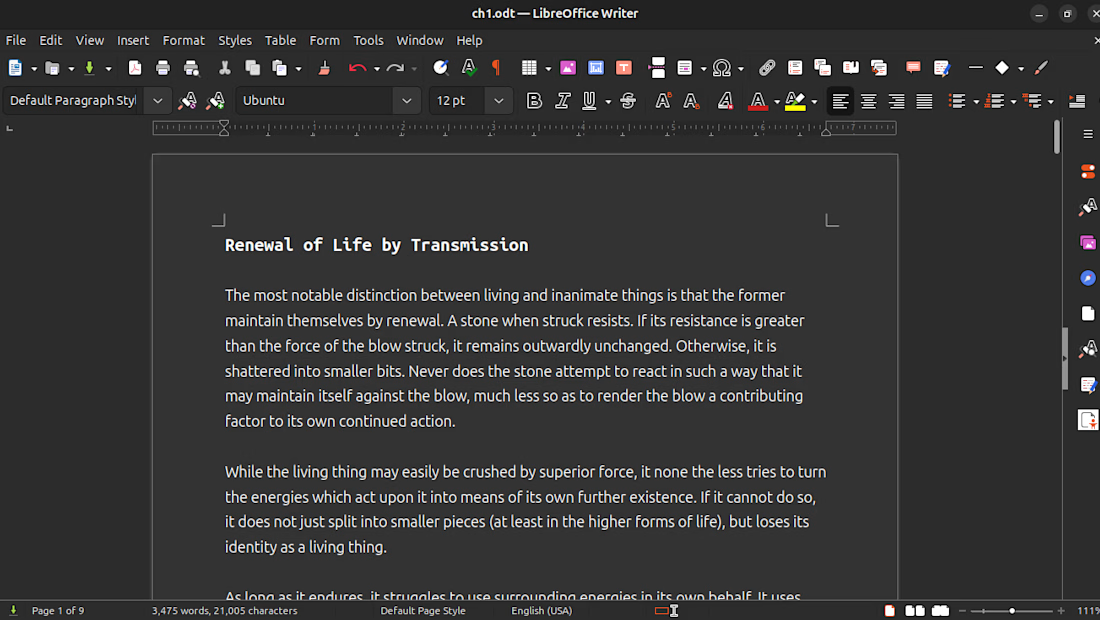
However, formal language from 1916 doesn't fit well with the way we read today. Especially for people with neurological differences like autism, ADHD, dyslexia, tangential or circumstantial thinking. Or for Gen Z. Or 21st century readers in general.
I have to edit my way through my first read. Because the text looks like this. My word processor color settings are manually changed to mimic dark mode, because white screens hurt my eyes.

The network for creativity
Join 1.25M professional creatives like you
Connect with clients, get discovered, and run your business 100% commission-free
Creatives on Contra have earned over $150M and we are just getting started











Related posts

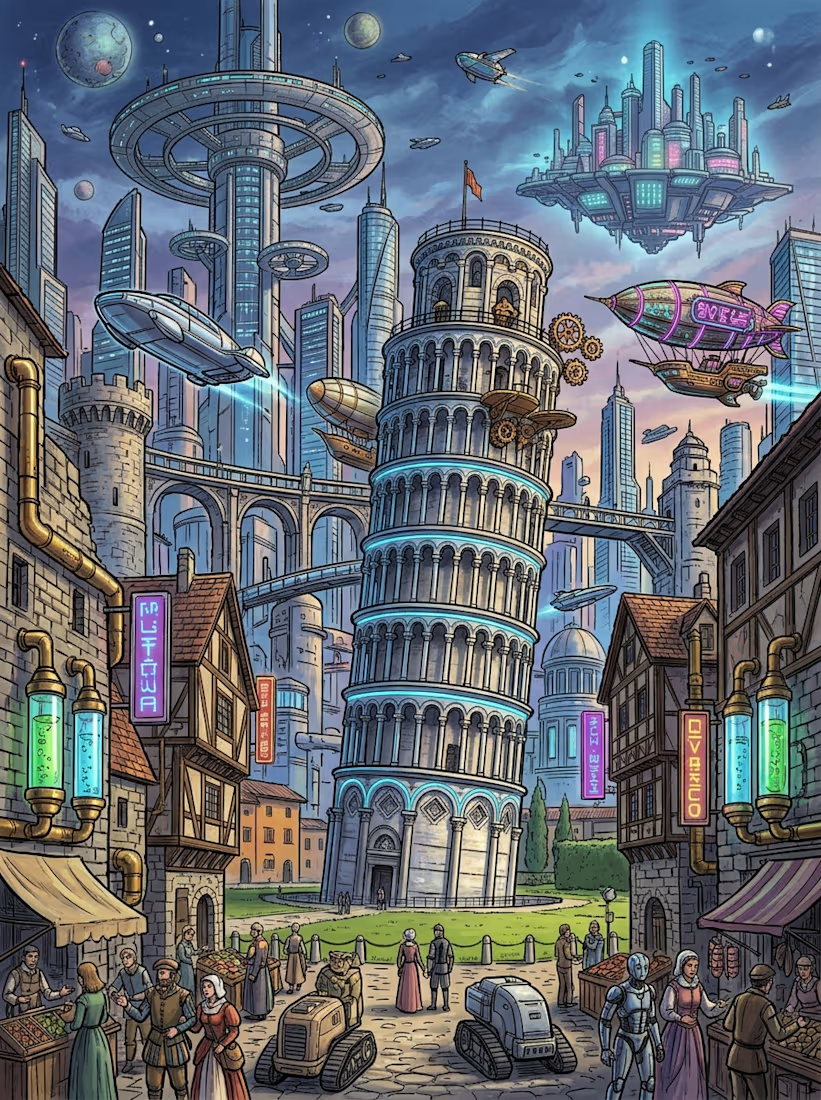
Title: Echoes of Tomorrow — The Tower of Pisa
Description: Reimagining world history through sci-fi fantasy. Set against a backdrop of floating cities and vintage futuristic machinery, this artwork charts the imaginary evolution of Pisa from its ancient roots into a sprawling technological marvel. Designed with rich details, atmospheric lighting, and a unique storytelling aesthetic.

Hi thank you

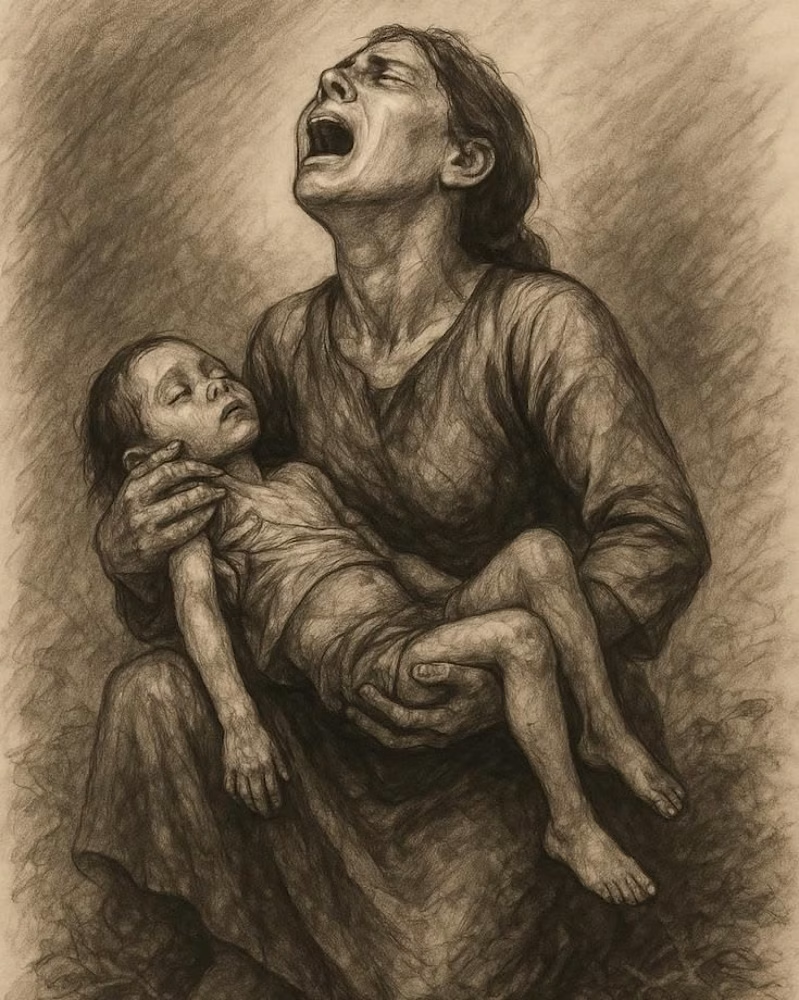
The Weight of Goodbye | Emotional Pencil Illustration
What if a single illustration could tell an entire story without a single word? A mother holds her child close, her face filled with an emotion too powerful to describe.
Every pencil stroke, shadow, and expression contributes to the story, capturing the depth of love, loss, and human connection. This artwork reminds us that illustration isn't simply about drawing beautiful images. It's about creating moments that make people stop, feel, and remember.
As a children's-book illustrator and visual storyteller, I believe the most powerful illustrations communicate emotions before readers even turn the page.
I'm always interested in collaborating with authors, publishers, and creative teams on meaningful, character-driven projects.
What emotion did you feel first when you saw this illustration?
#Illustration #VisualStorytelling #PencilArt #BookIllustration #CharacterIllustration



Have you tried Stacki?
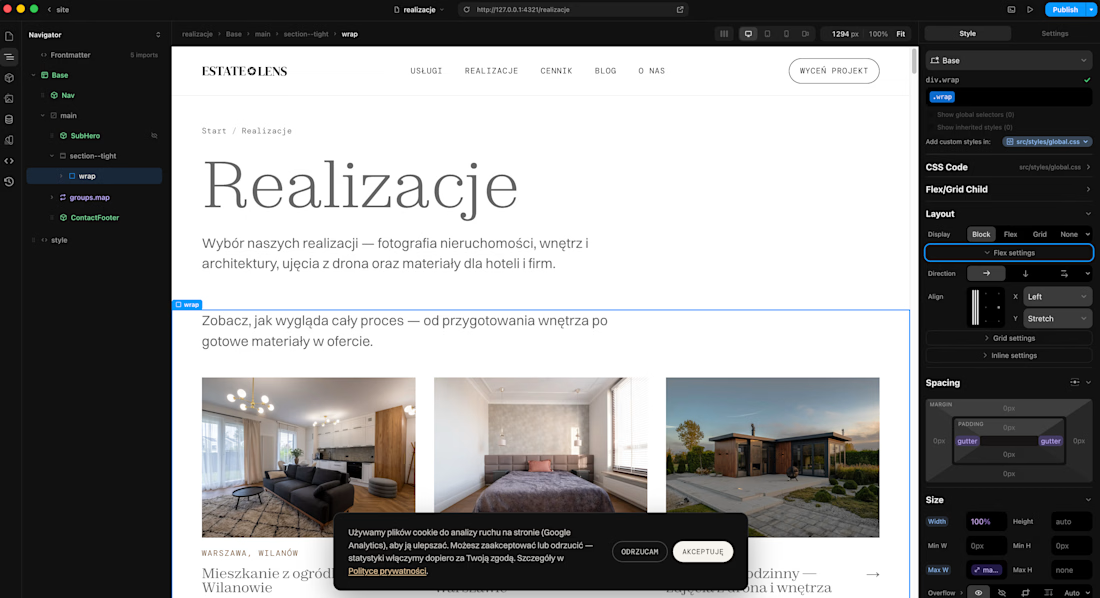
It’s a visual editor for Astro sites (stacki.build). Early stage, but you can edit an Astro site in the UI like in Webflow, for free, while keeping full control of the code. That also means fewer AI tokens spent on small changes.
Are you building on Astro? How do you handle edits today?


Ye le Jani:
Stacki looks super interesting! A Webflow-like visual editor for Astro while keeping full code control is exactly what the ecosystem was missing. And saving AI tokens on small edits is such a smart angle. Definitely going to check out stacki.build - are you building this?

stacki.build
Stacki
Stacki is a free, open source visual builder for Astro. Edit real .astro files on a live canvas: pages, components, styles, content and variables, then publish straight to GitHub.