The network for creativity
Join 1.25M professional creatives like you
Connect with clients, get discovered, and run your business 100% commission-free
Creatives on Contra have earned over $150M and we are just getting started
Back to feedPost

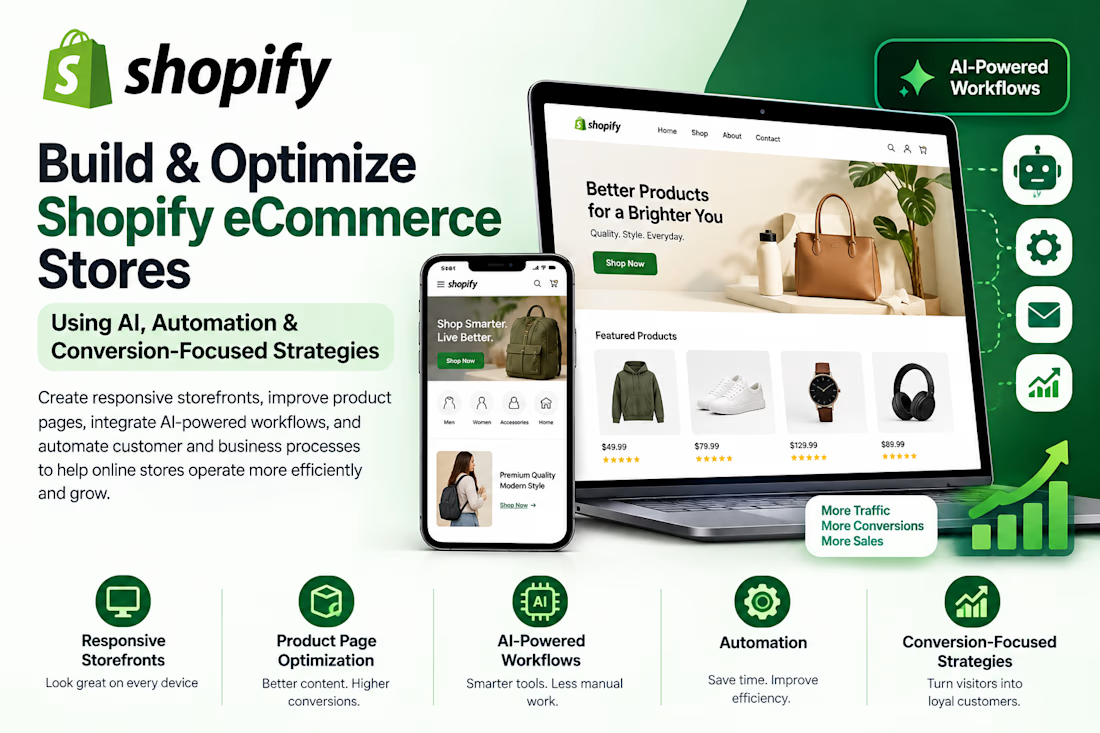
Build and optimize Shopify eCommerce stores using AI, automation
The network for creativity
Join 1.25M professional creatives like you
Connect with clients, get discovered, and run your business 100% commission-free
Creatives on Contra have earned over $150M and we are just getting started





Related posts

E-commerce Operations Automation & Order Management System
I designed an e-commerce operations automation system to show how a growing online store can handle increasing order volume without increasing repetitive manual work.
The system connects key operational processes—including order handling, customer data, CRM updates, inventory monitoring, customer notifications, internal alerts, and reporting—into one coordinated workflow.
Instead of teams manually transferring information between tools, checking stock, updating customer records, sending routine notifications, and preparing reports, the workflow automatically moves data and triggers the appropriate next action.
The system was designed around a simple operational flow:
Order Received → Customer Data Verified → CRM Updated → Inventory Checked → Customer Notified → Team Alerted → Reporting Updated
I also designed safeguards for exceptions and failed processes so issues can be identified instead of silently disrupting the workflow.
The result is an operational system designed to help an e-commerce business achieve:
Less manual processing • Fewer errors • Faster customer communication • Better operational visibility • Easier scaling
This project demonstrates how automation can become part of the infrastructure behind a growing e-commerce store—not just a collection of disconnected automations.
Tools & technologies: Shopify/WooCommerce workflows, n8n, Make, Zapier, CRM systems, APIs, spreadsheets, and automated reporting.


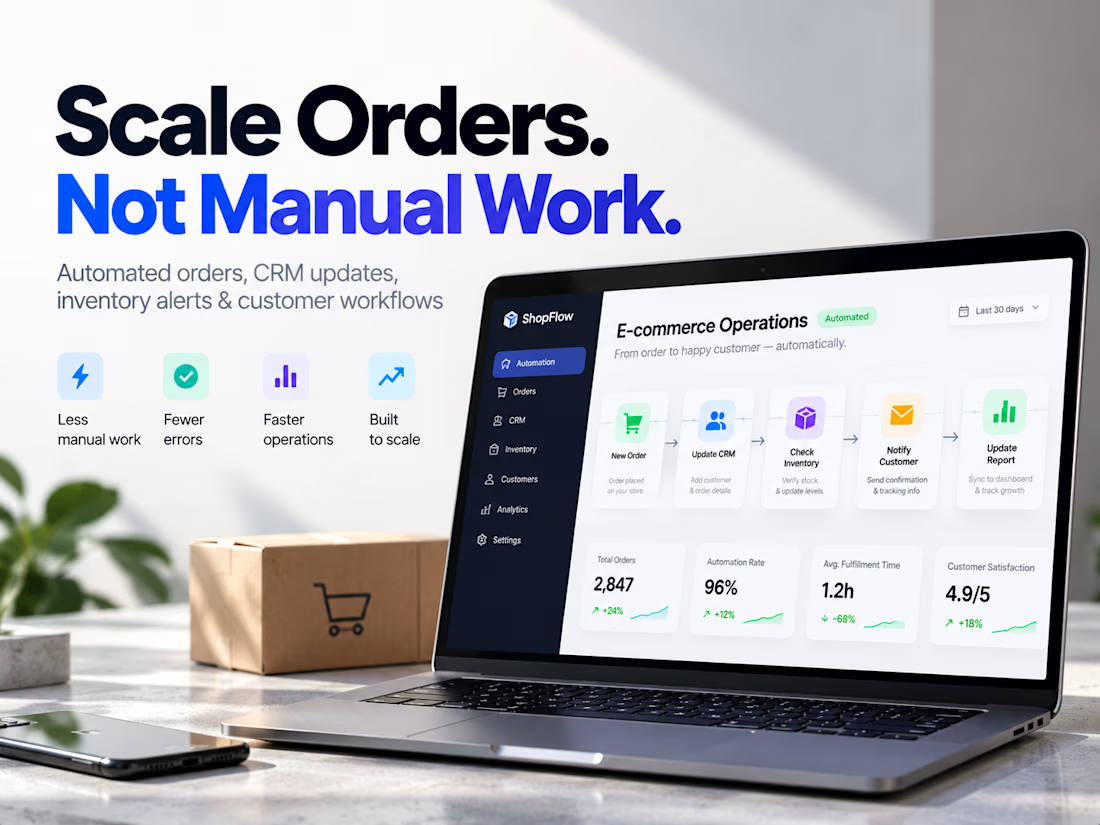

What caught my attention was the exception safeguards that surface failures instead of letting the flow die silently.
E-commerce Revenue Recovery & Retention Automation System
I designed an e-commerce revenue recovery and retention system to show how online stores can recover abandoned sales and bring more customers back to purchase again.
The system automates key customer journeys including abandoned-cart recovery, post-purchase follow-up, win-back campaigns, repeat-purchase reminders, and customer segmentation.
Instead of relying on manual follow-ups, the workflow uses customer behavior and purchase data to trigger the right action at the right time.
The system follows a simple journey:
Customer Visits → Adds to Cart → Abandons → Automated Follow-up → Purchase → Retention Workflow → Repeat Purchase
I also structured the system to track how customers move through each stage, so the business can see where revenue is being recovered and where customers are dropping off.
The project demonstrates how automation can help an e-commerce brand:
Recover lost sales • Increase repeat purchases • Improve retention • Reduce manual follow-up • Increase customer lifetime value
Tools & technologies: Shopify, Klaviyo/Zoho Marketing Automation, n8n, Make, Zapier, CRM systems, email/SMS automation, and customer-data workflows.


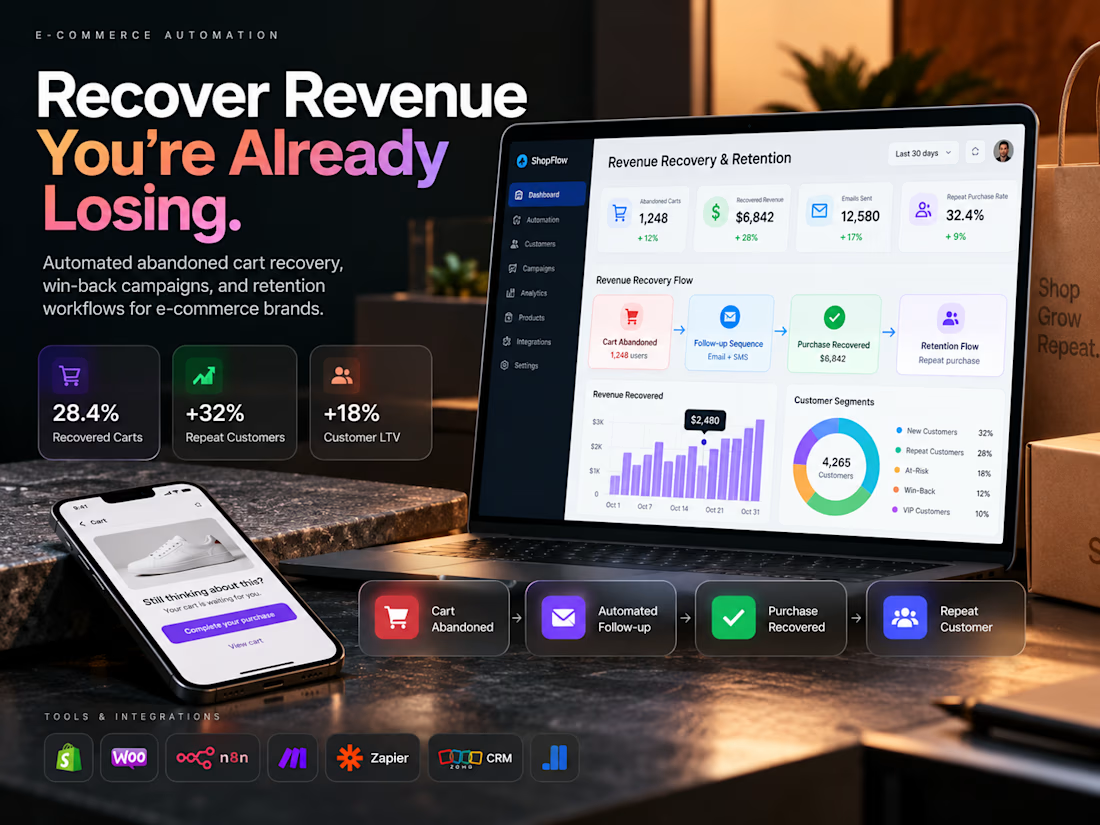
What caught my attention was the stage by stage tracking you built, it should pinpoint exactly where the drop offs happen and where the recovered revenue comes from

Checked a live Shopify store's robots.txt today to see how it handles AI crawlers. No GPTBot, no PerplexityBot, no ClaudeBot listed anywhere. They just fall under the general rule that blocks admin, cart, checkout and account pages, same as any other bot.
That's actually fine for most stores. Product and collection pages stay crawlable by default, so ChatGPT, Perplexity and Claude can read them when answering shopping questions. The mistake we see is stores that add a blanket AI-blocking line to robots.txt thinking it protects content, and accidentally block the exact pages they want showing up in AI answers.
Worth a 2 minute check: open yourstore.com/robots.txt and make sure product and collection paths aren't disallowed.