The network for creativity
Join 1.25M professional creatives like you
Connect with clients, get discovered, and run your business 100% commission-free
Creatives on Contra have earned over $150M and we are just getting started
Back to feedPost
When should you stop adding more Zapier steps and build a custom integration instead?
Zapier and Make are great for straightforward automations.
But as workflows grow, you can start running into:
• Higher task usage and rising costs
• Delayed synchronization
• Duplicate records
• Complex field mapping
• Difficult error handling
• Too many separate workflows to maintain
At that point, adding more automation steps can make the system harder to manage rather than easier.
For more complex workflows, a custom API integration can provide better control over:
• Data validation
• Error handling
• Duplicate prevention
• Logging and monitoring
• Bidirectional sync
• Custom business logic
The goal is not to replace no-code tools everywhere.
It’s knowing when Zapier or Make is enough and when the workflow has become complex enough to justify a custom solution.
CRM Automation • Zapier • Make • Node.js • REST APIs • Webhooks


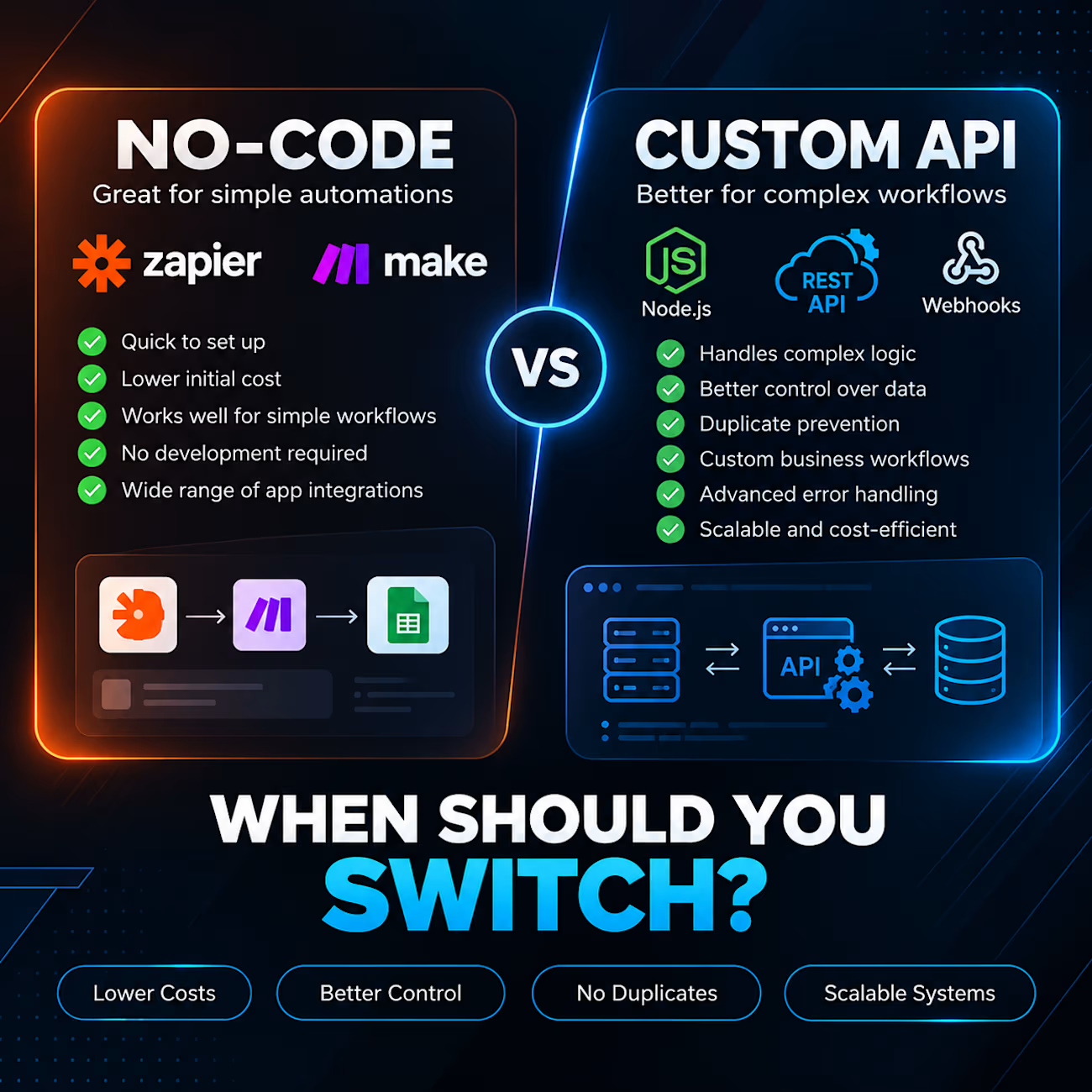

When duplicate records start stacking up, a custom API keeps the data clean and cuts the task bill.

Exactly. Once duplicates and task volume start becoming recurring problems, it usually means the workflow needs more control than a basic automation can provide. A custom API layer can handle matching, validation and update rules directly, which helps keep the data cleaner and reduces unnecessary task usage.
The network for creativity
Join 1.25M professional creatives like you
Connect with clients, get discovered, and run your business 100% commission-free
Creatives on Contra have earned over $150M and we are just getting started









Related posts

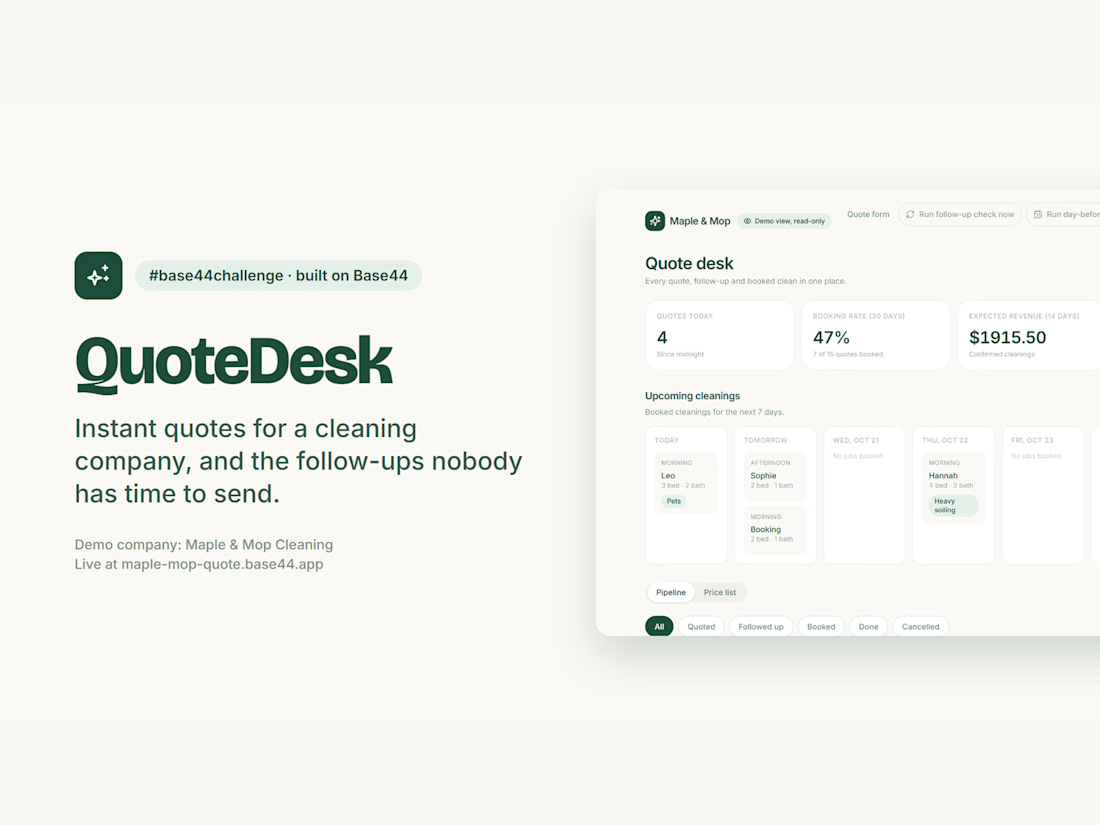
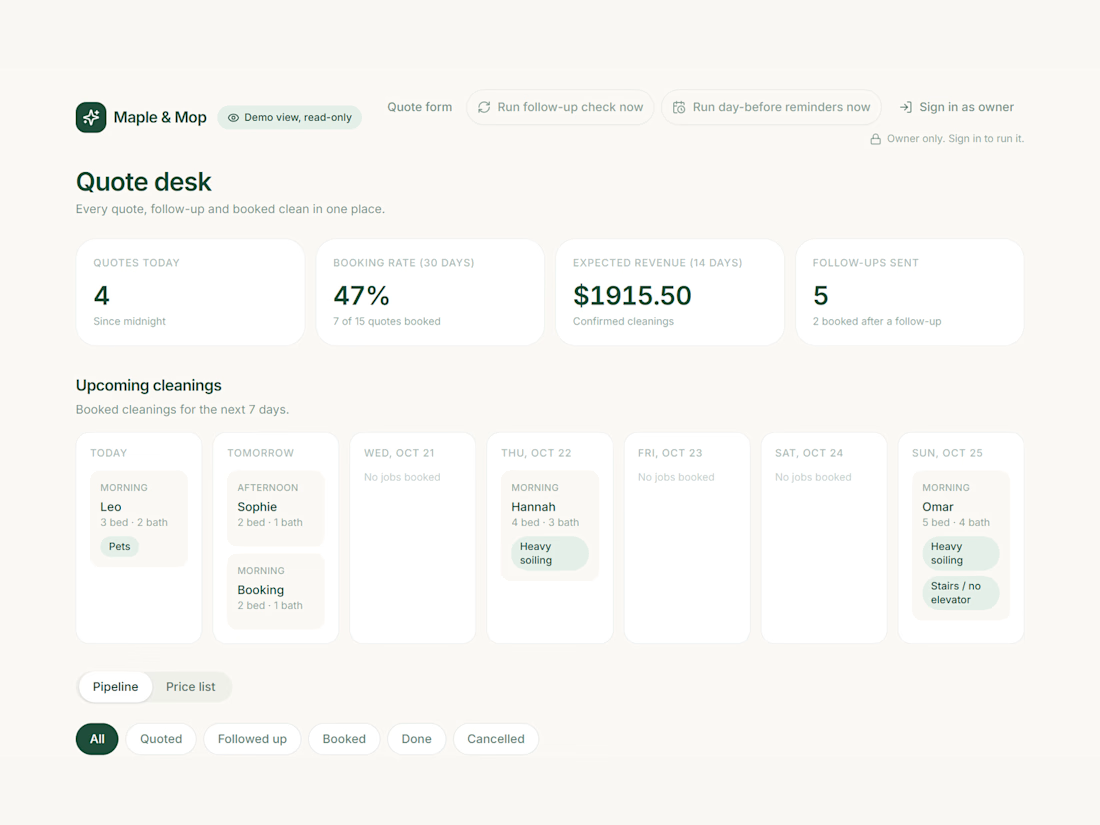
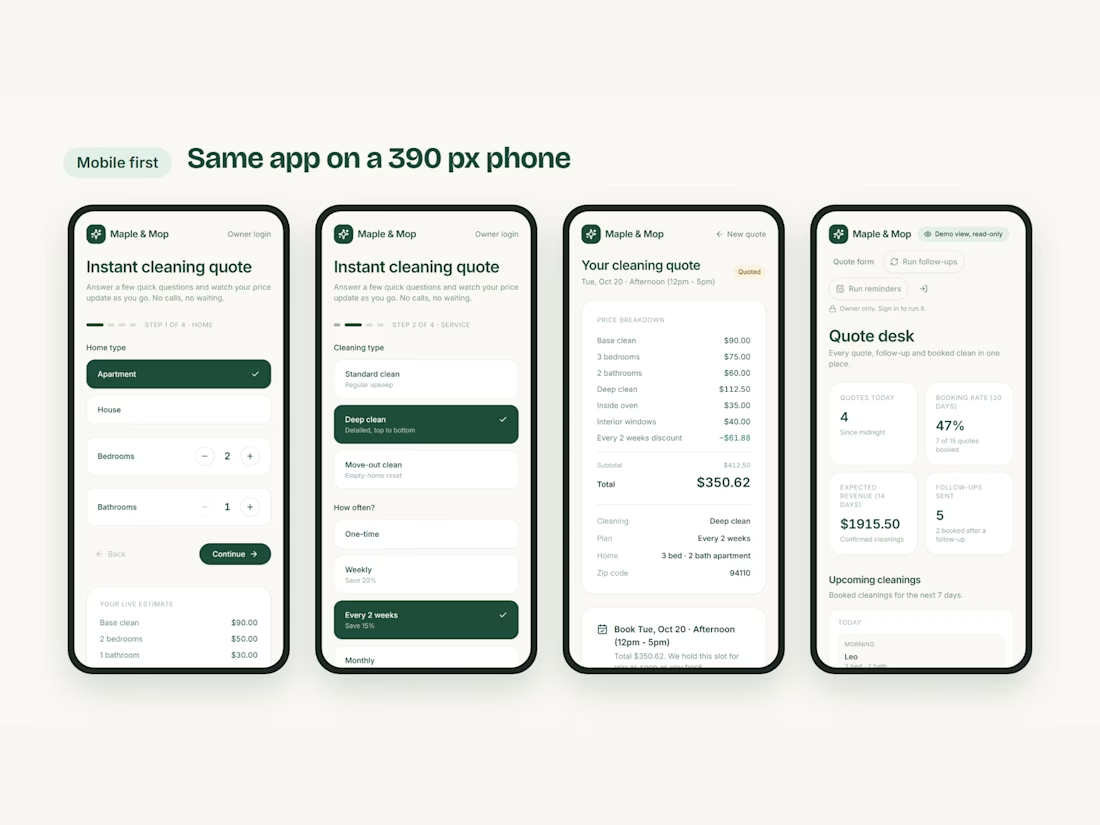
QuoteDesk: instant quotes for a cleaning company, and the follow-ups nobody has time to send.
A home cleaning business loses jobs in two places: quotes that take a day to come back, and open quotes nobody chases. QuoteDesk handles both for Maple & Mop, a demo company.
What runs on its own:
• Priced on the server. The client sees a live, itemized price; the saved total is recomputed from the owner's price list, never trusted from the browser, in integer cents.
• The quote is emailed the second it is saved, with a link to book or pick another slot.
• One follow-up, never two: an hourly job nudges quotes still open after 24 hours, stamps them so it can't fire twice, and skips anyone who booked.
• A day-before reminder for every booked cleaning, also sent once.
• AI reads the client's notes: "two cats, fourth-floor walk-up" becomes Pets and Stairs flags plus 30 extra minutes for the crew.
• Owner dashboard: quotes today, booking rate, expected revenue, bookings after a follow-up, a 7-day schedule and an email timeline per quote.
Owner actions require the Base44 admin login, checked on the server. Judges get a read-only demo view with masked emails: Owner login, then View the demo dashboard.



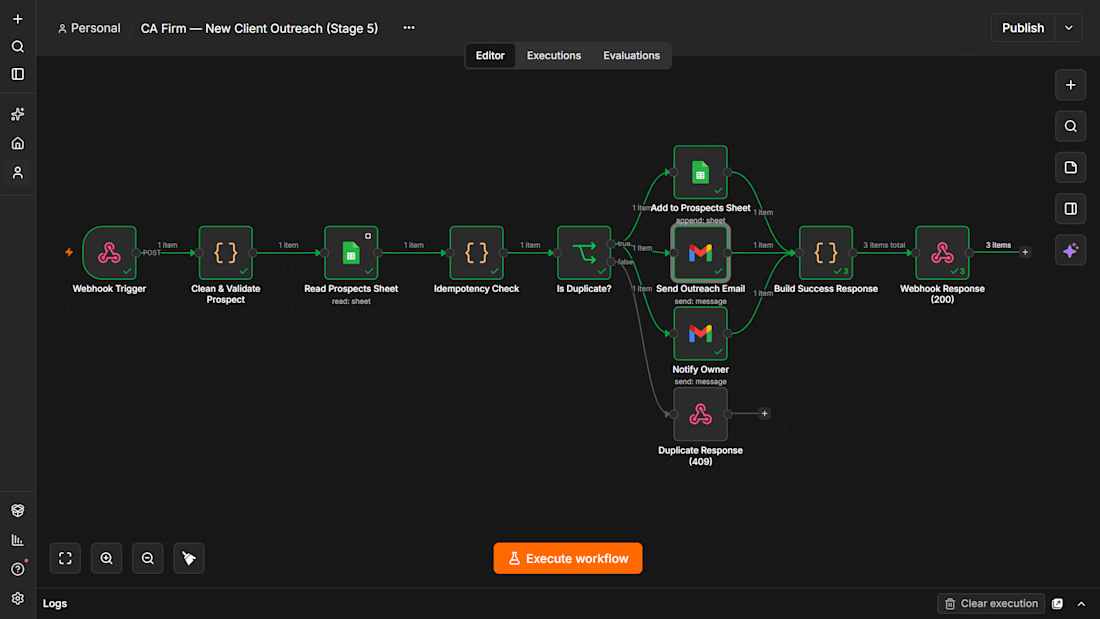
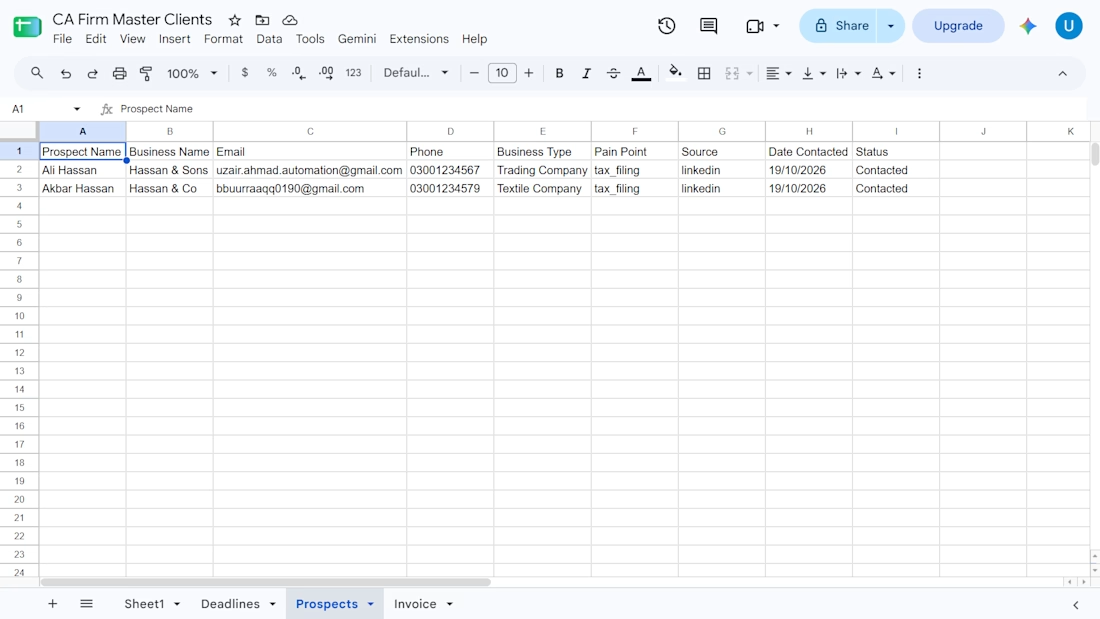
CA Firm Automation Suite — Complete. 5 Stages. 9 Days.
Started with a problem. Finished with a system.
✅ Stage 1 — Client onboarding: form to folder in seconds
✅ Stage 2 — FBR & SECP alerts: 7, 3, 1 day warnings, every client
✅ Stage 3 — Invoice follow-ups: 3 escalating reminders, auto-stop on payment
✅ Stage 4 — Tax data collection: automated document requests with checklist
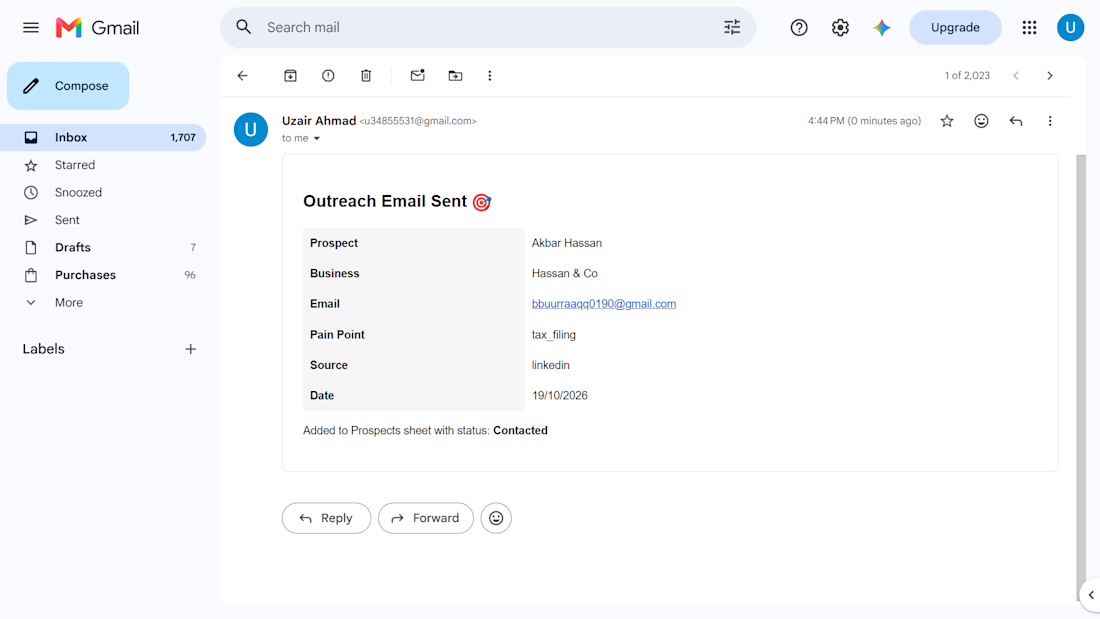
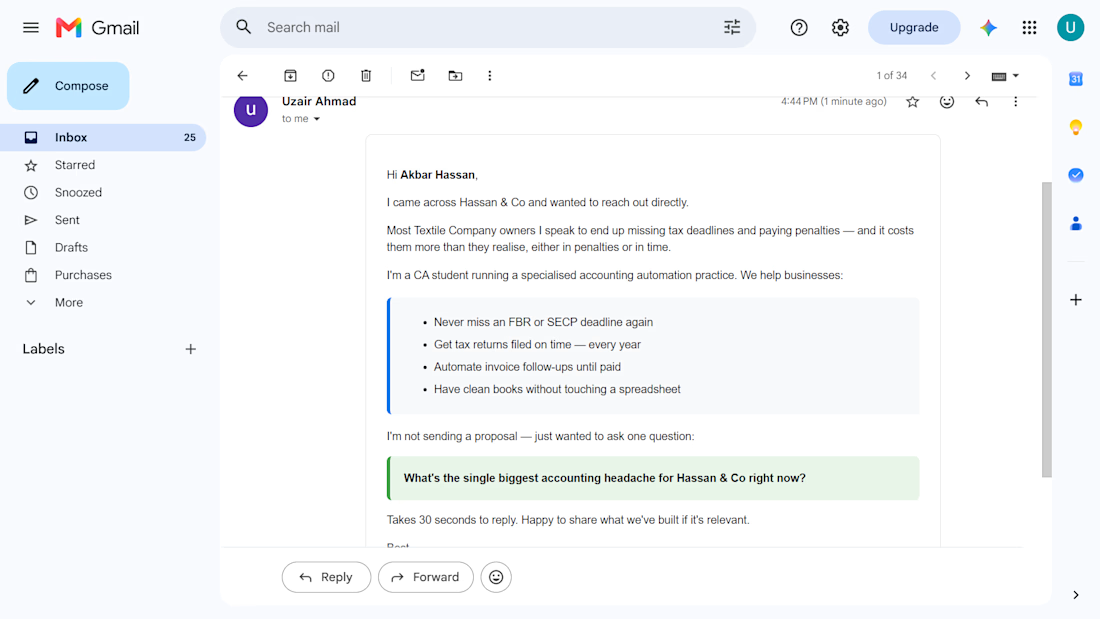
✅ Stage 5 — New client outreach: personalised emails based on pain point
Built by a 20-year-old CA student who knows this industry from the inside.
Zero per-month cost. Runs free on n8n + Railway.
Looking for the first CA firm to implement this. If that’s you — let’s talk.



For the tax document checklist, I'd match uploads to both the client and tax period before marking an item complete. How do you handle a client uploading last year's statement or a replacement after the checklist has already cleared?


Some workflows slow you down. Others make everything flow.
NeuraFlow is an AI workflow automation web UI concept designed to make complex processes feel simple, connected, and effortless. From the landing page to the product dashboard, every element works together to present a smarter way to automate tasks, connect tools, and manage workflows.
Because great UI design doesn’t just look good. It makes complex things feel simple.
View Full Project Below
https://contra.com/p/oFZ3cZkL-neuro-flow-web-ui?referralExperimentNid=DEFAULT_REFERRAL_PROGRAM&referrerUsername=muhammad_salman_7fzoa5bs
#WebUIDesign #UIUXDesign #SaaSDesign #WebDesign #AIDesign #DashboardDesign #ProductDesign #DigitalDesign




Great UI design makes complex things feel simple is the perfect thesis for an automation product. The serene hero image is a bold choice for AI workflow software, and it actually works, calm visuals for calm workflows.