The network for creativity
Join 1.25M professional creatives like you
Connect with clients, get discovered, and run your business 100% commission-free
Creatives on Contra have earned over $150M and we are just getting started
Back to feedPost

What Is Reverse Engineering, and Why Does It Matter?
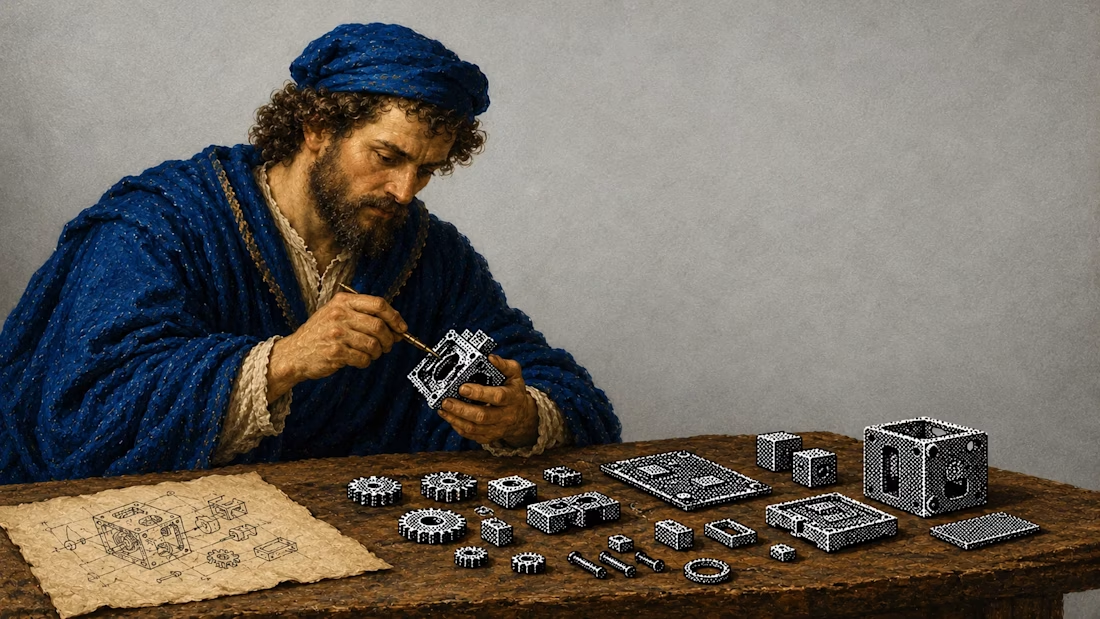
Most software engineers imagine their job as building new things. In reality, a large part of the work involves understanding things that already exist. That's where reverse engineering comes in.
What is reverse engineering?
Reverse engineering is the process of studying an existing system to understand how it works, usually without access to its original design or documentation. Normal engineering moves from idea to product. Reverse engineering moves from product back to understanding.
In software, it can look like:
Reading old, undocumented code to understand its logic
Studying how an application communicates with its server
Working out a database's structure from the data stored inside it
Analyzing a compiled program to learn what it actually does
Why it matters
Legacy systems are everywhere. Many businesses still run on software built years ago by people who have since moved on. Before you can improve or replace a system like that, you need to understand it.
Safe migrations depend on it. Moving data from an old platform to a new one is risky when nobody knows exactly how the old one stored information. Reverse engineering reduces that risk.
Rewrites fail without it. One of the most common mistakes in software is rebuilding a product and accidentally removing features users relied on. Studying the old system first prevents that.
It makes integrations possible. Third-party tools don't always come with complete documentation. Understanding how they behave lets engineers connect systems reliably.
It strengthens security. Attackers use reverse engineering to find weaknesses. Security teams use the same techniques to find and fix them first.
How to approach it
Start by observing the system from outside: what goes in, what comes out, and how it behaves in different situations. Then move inward, tracing data and logic step by step. Write down what you learn as you go, because the documentation you create may be the only documentation that exists. Most importantly, test your assumptions before making changes.
A note on legality
Reverse engineering systems you own or have permission to work on is a normal part of software development. Third-party software is different. License and laws may limit what you're allowed to do, so always check before analyzing code you don't own.
Final thoughts
Reverse engineering isn't just a niche skill for security researchers. It's an everyday tool for engineers who maintain, migrate, and modernize real software. The better you understand existing systems, the more confidently you can build what comes next.
The network for creativity
Join 1.25M professional creatives like you
Connect with clients, get discovered, and run your business 100% commission-free
Creatives on Contra have earned over $150M and we are just getting started



Related posts


Looks nice, kudos 😃

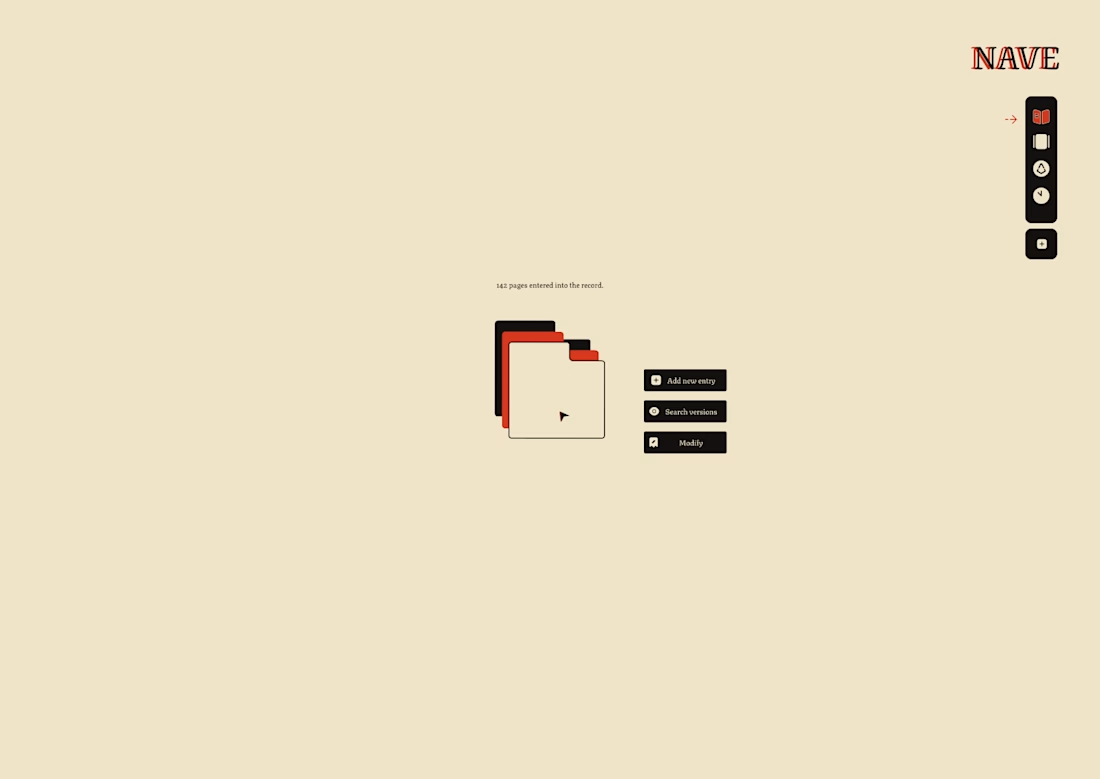
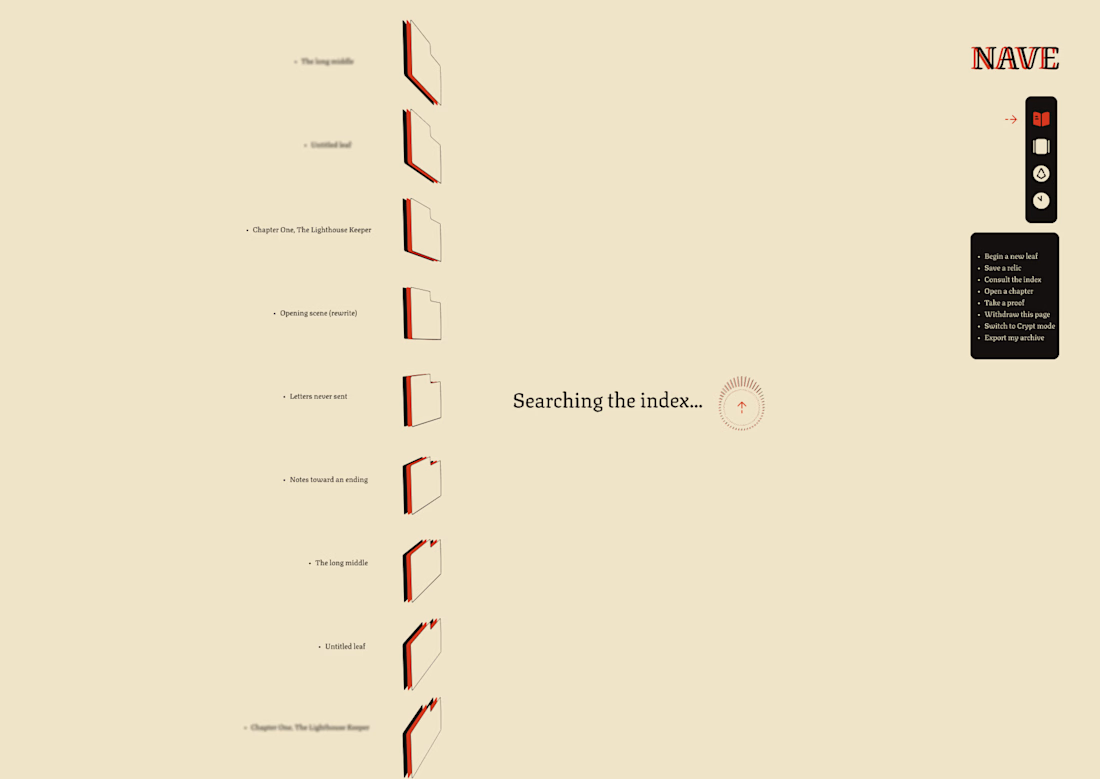
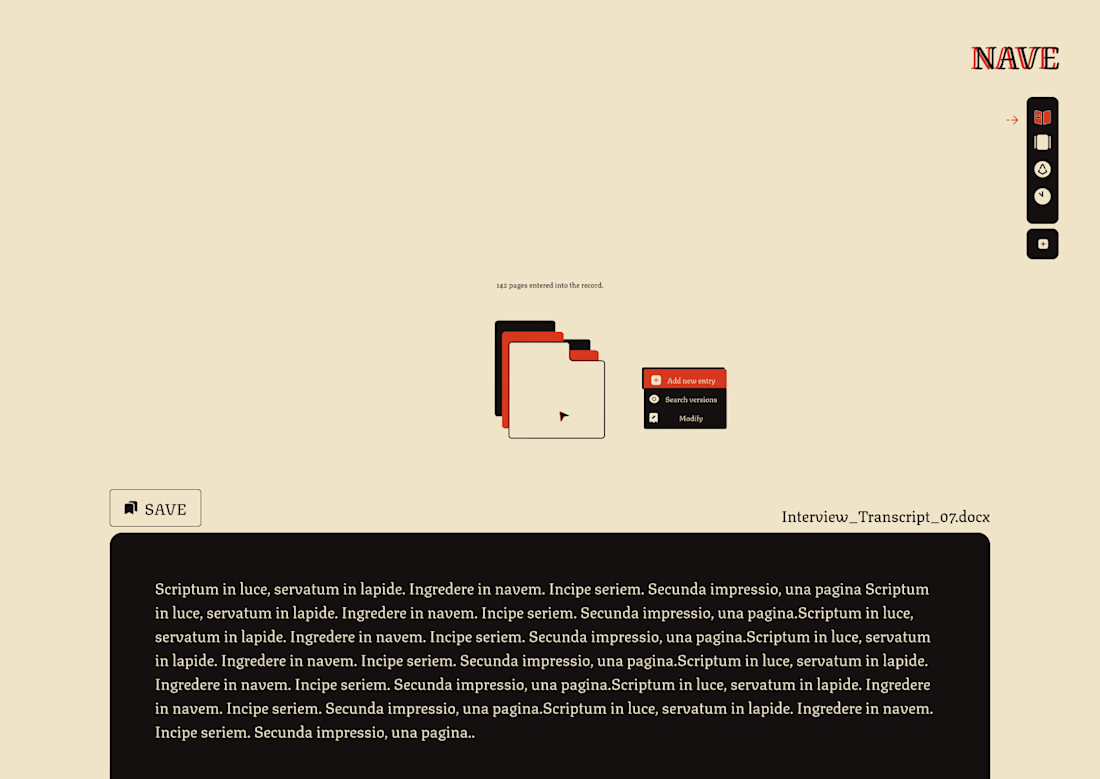
What if your drafts never disappeared?
NAVE prints every revision behind the current one, like a second pass on a press.
See what changed. Bring back what you miss. Keep both.
Out soon

Nice colors

I just built a tool so my client would stop needing me.
Sounds like bad business. It's the opposite.
I'm actually working with these guys from 2023
I'd just wrapped the brand for RHOAM.
Logo approved. Everyone happy.
But I kept picturing what happens next.
Someone on team needs a post by 5pm.
I'm not around.
They open Canva.
And slowly, the brand drifts.
So I didn't hand them a PDF.
I handed them something they'd actually use.
Pick a photo.
Pick a look.
The logo lands where it should.
Done.
Now their marketing team makes on-brand visuals in seconds.
Of everything I delivered, that's what they loved most.
We've been working together for years now.
Not because they can't do without me.
Because every time, the work solves a real problem.