The network for creativity
Join 1.25M professional creatives like you
Connect with clients, get discovered, and run your business 100% commission-free
Creatives on Contra have earned over $150M and we are just getting started
Back to feedPost

Profit looks good on paper, but without strong cash flow, even profitable businesses can struggle to survive. Managing cash flow means understanding how money moves in and out of your business — and making sure you always have enough to cover your operations, investments, and unexpected expenses.
Positive cash flow allows you to:
✔ Pay expenses on time
✔ Invest in growth opportunities
✔ Build financial stability
✔ Avoid unnecessary debt
On the other hand, poor cash flow management can lead to delayed payments, missed opportunities, and financial stress.
That’s why tracking your inflows and outflows regularly is not just important — it’s essential. A well-managed cash flow system helps you make smarter decisions, plan ahead, and keep your business running smoothly.
Remember:
Revenue is vanity, profit is sanity, but cash flow is reality.


The network for creativity
Join 1.25M professional creatives like you
Connect with clients, get discovered, and run your business 100% commission-free
Creatives on Contra have earned over $150M and we are just getting started



Related posts

Business banking is already complex. The product shouldn’t make it feel even harder.
That was the thinking behind Bankora.
Payments, invoices, cash flow, financial overview. These are things business teams deal with constantly, yet many banking products still bury simple actions under dense data, long paths, and complicated navigation.
So I started with the workflows, not the screens.
I looked at the tasks people need to complete most often, where unnecessary steps appear, and what information actually needs attention first.
From there, I built the experience around clearer priorities: key actions available quickly, predictable navigation, structured financial data, and modular UI that makes things like pending and overdue invoices easier to understand at a glance.
I also designed an interactive cash flow calculator to help users see where the business may be heading, not just what has already happened.
The goal wasn’t to make financial operations simpler than they really are.
It was to make interacting with them feel simpler.
Less searching. Less cognitive load. More confidence in what to do next.
And it was especially nice to see Bankora later featured by Contra.
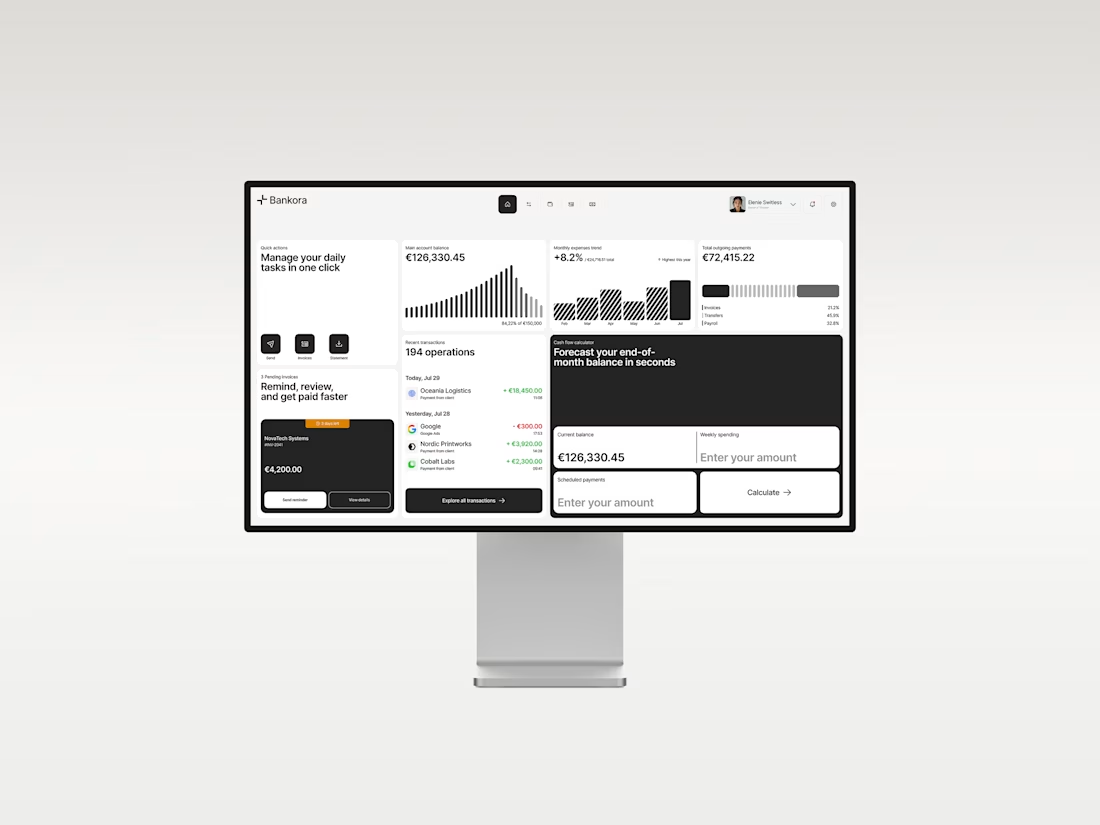
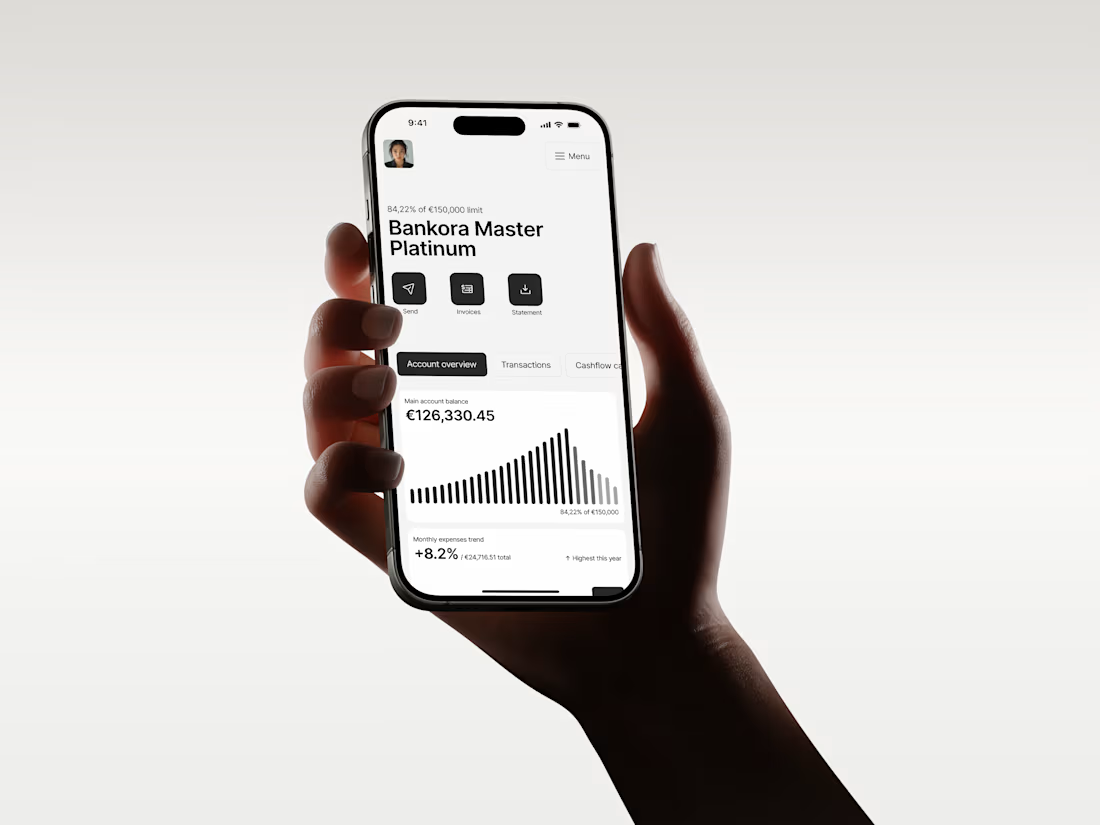
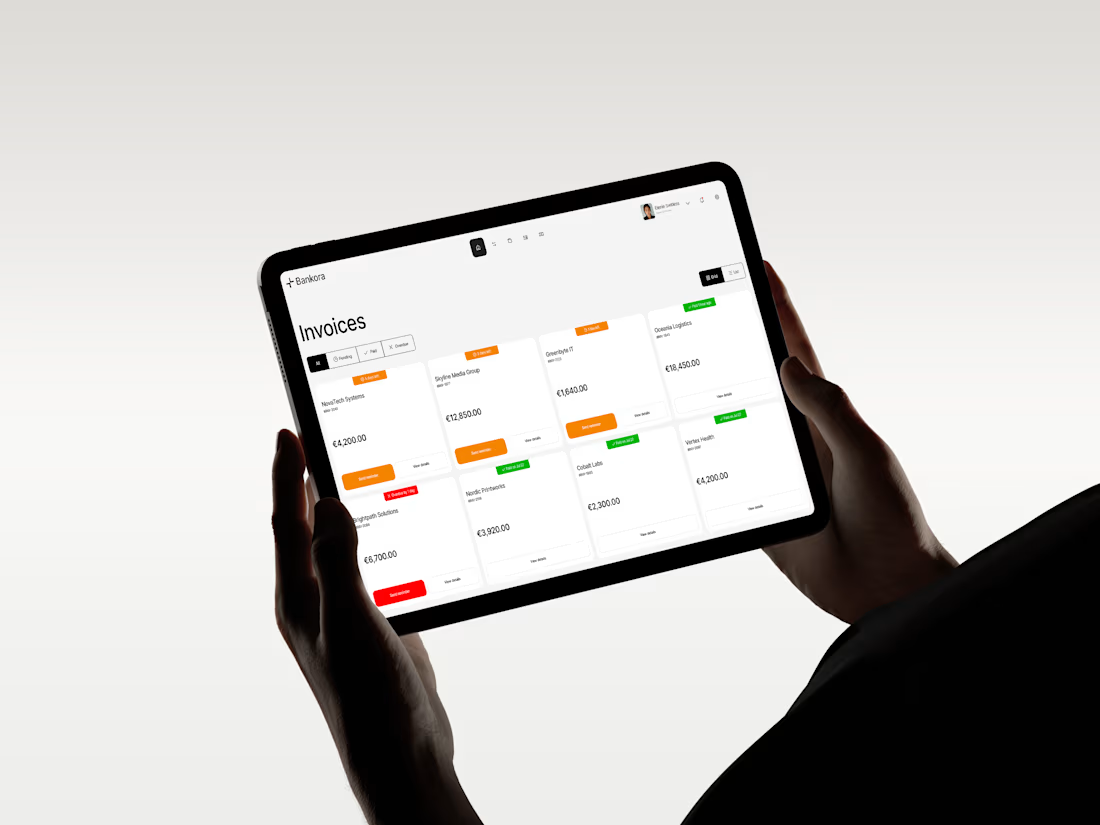
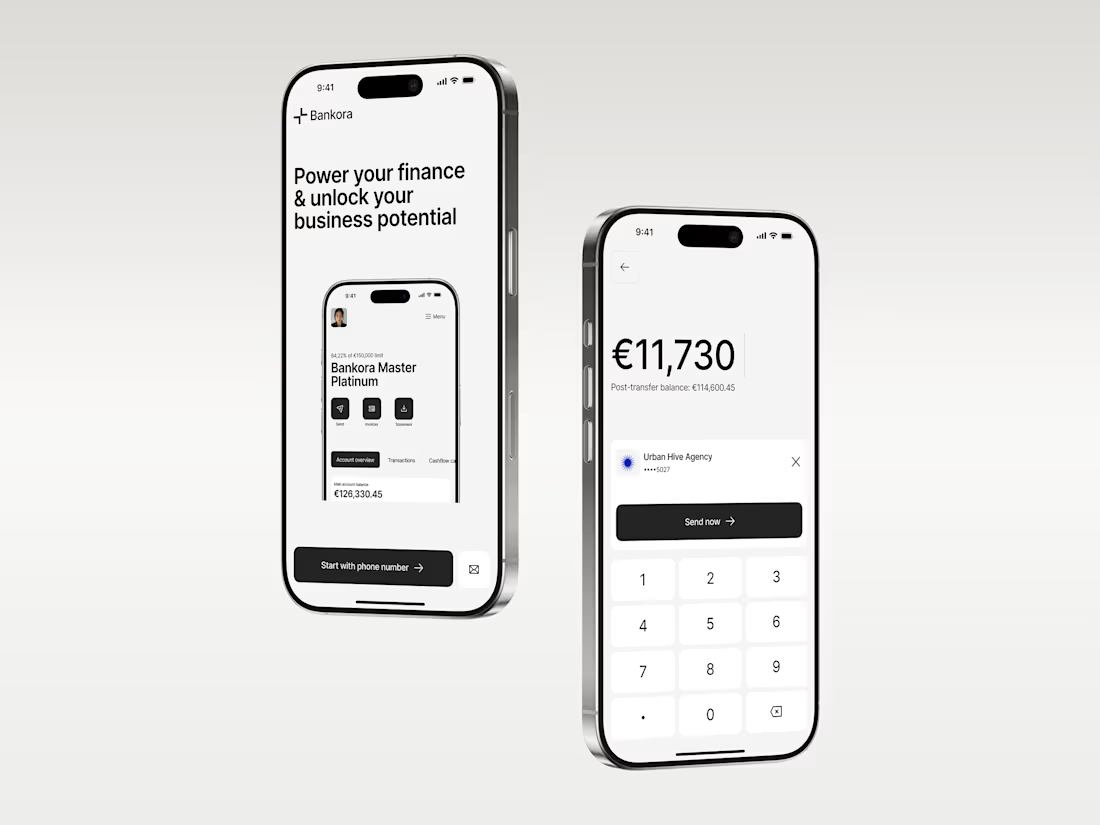


Lovely!


A calculator that runs by itself is a clever way to show the product without asking anyone to read. Watching a price turn into an invoice explains the value instantly.

Before having a practical experience, I was always curious about how bank reconciliations were completed for real companies . Because my bookkish knowledge was to compare the bank statement with cashbook and adjust differences.
I often heard seniors discussing that we are doing bank reconciliation, but I always had that thought in my mind that how difficult it could be doing adjustments for the real company's financials and then reconcile bank.
When I finally started handling the full cycle accounts and bank reconciliation was a major task, then I started experiencing the real challenges involved in it.
Theory explains you the process, but the practical knowledge teaches you how to solve the real challenges.
We can't understand the theoretical concepts fully until we have applied in actual scenarios.
what is the one concept you understood better from practical experience?

For me, it was realizing that bank reconciliation isn't an accounting task, it's a business health check.