The network for creativity
Join 1.25M professional creatives like you
Connect with clients, get discovered, and run your business 100% commission-free
Creatives on Contra have earned over $150M and we are just getting started
Back to feedPost

What a useful AI search audit should actually tell you
If you are paying to improve your visibility in AI search, you should be able to see what was checked, what changed, and what the evidence supports.
A report saying “your schema is valid” answers one technical question. It tells you very little about whether an answer engine will cite your business.
Two recent articles on Answer Engine Notes look at this from different directions: what structured data describes, and what a displayed citation actually reveals about source selection. Together, they suggest a practical way to scope the work.
Start with the page you want people to find. Can a crawler reach the actual article, product page, or service page? Is the important information available as text? Do internal links make it discoverable? Are indexing settings or hosting restrictions getting in the way?
Checking the homepage leaves those questions open for the rest of the site.
For Google’s AI Overviews and AI Mode, a supporting page must be indexed and eligible to appear in Search with a snippet. Those requirements make consideration possible. Appearance still is not guaranteed.
An audit can therefore begin with something concrete: access and eligibility problems on the URLs that matter to the business.
Then compare the page with its structured data. Article markup can describe a headline, author, publisher, and publication date. Those details need to agree with what readers see.
If an editor changes the visible byline while the markup still names someone else, the site is publishing two different accounts of who wrote the article. Fixing that contradiction is useful work.
Validation helps find technical problems. It cannot establish that an author is qualified, that an article is accurate, or that a page deserves a citation for a particular question. Google also says its AI search features require no special schema.
That changes the deliverable: maintain an accurate description of the content, with checks that catch it drifting out of sync.
Measurement needs equally clear boundaries. An answer can mention a company without linking to its website. It can cite a page without sending a recorded visitor. A visit can happen without producing an enquiry.
I would keep those observations separate:
Brand mentions and linked URLs in saved answers.
Recorded referral visits in analytics.
Enquiries or other conversions that can be attributed from the available data.
For each answer checked, record the question, platform, date, and displayed sources. That gives a later review something concrete to compare.
Suppose an answer links to an independent guide and leaves out your product documentation. The missing link does not tell you whether your page was considered, whether it was inaccessible, or why the guide appeared. Adding another schema type would be a guess until there is evidence connecting the problem to markup.
The next investigation should follow what is uncertain. Check access. Review how clearly the page answers the question. Read the cited guide and see whether it supports the answer. Repeat documented observations when looking for a pattern.
A useful audit should leave a business with affected URLs, verified problems, proposed changes, and checks to run after implementation. A blocked service page, conflicting author details, and missing enquiry tracking each need a different fix. The owner should be able to see which problem the budget is paying to solve.
The full articles are on Answer Engine Notes:

The network for creativity
Join 1.25M professional creatives like you
Connect with clients, get discovered, and run your business 100% commission-free
Creatives on Contra have earned over $150M and we are just getting started










Related posts

Most agencies think AI SEO is just about adding Schema markup.
They are missing the main part: How AI actually connects brands to topics.
Here is how ChatGPT and Perplexity decide which business to recommend:
Brand Topic Connection: AI builds a mental map. If your brand isn't constantly mentioned next to your core service online, AI won't trust you.
Entity Sources: AI checks structured sources like Wikidata, Crunchbase, and niche directories to verify if your business is real and authoritative.
Co-mentions: If your brand is mentioned alongside top industry leaders across blogs and forums, AI treats you as a top choice.
Traditional SEO helps you rank on Google.
Entity optimization helps you get recommended by AI.
Want my AI Brand Visibility Checklist to see if AI trusts your brand?
Comment "AI" below and I’ll DM it to you!
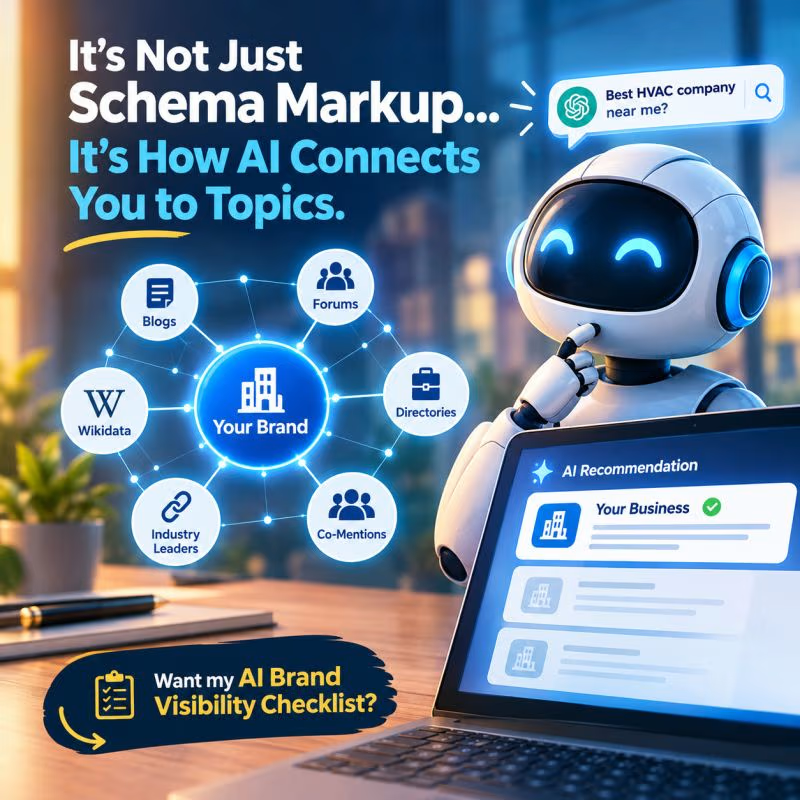

Agree on the topic connection part. We saw the same with B2B lists: a brand gets named when third party pages describe it consistently, not when the markup is perfect.

I built an open-source skill that stops AI from making every design look the same
Every AI-generated website looks the same. Centered hero. Purple gradient. Three feature cards.
The reason isn't bad taste. AI agents fill gaps in a brief with the average of their training data. If you don't define what "not average" means for your project, you get the mean.
So I built Intent Interrogator, a free skill that works across Claude Code, Codex, Cursor, Copilot, and any agent that reads the Agent Skills standard.
It does three things:
Interrogates - asks 4 questions before writing any code:
→ What should someone feel in the first 3 seconds?
→ Who specifically is this for?
→ What's the one constraint I must respect?
→ What should this definitely not look like?
Persists - saves the brief to a .intent/ file inside your project. New chat, new week, new agent, the intent is still there.
Verifies - before declaring the work done, it compares what it built against what you asked for, and produces an Intent Receipt showing where it matched and where it drifted.
That last part is the piece I haven't seen anywhere else.
You don't need to code to use it. You just answer four questions.
Free forever. Feedback welcome.
#design #ai #opensource #productdesign
github.com
GitHub - yutivora/intent-interrogator
Contribute to yutivora/intent-interrogator development by creating an account on GitHub.

AI can design websites. So why do startups still need designers?
AI knows what your product does.
But does it understand why your customers struggle with the problem it solves?
Does it understand their problems, doubts, and what makes them trust your product?
That's where human understanding matters.
As a designer, I keep noticing gaps in startup websites.
Unclear messages, weak value, and websites that don't connect with customers.
These aren't always visual design problems.
They're problems of understanding the customer.
AI can help us design faster. It can generate layouts, write copy, and explore ideas.
Someone still needs to understand the customer and decide what the website should communicate.
The goal isn't to choose between AI and designers.
It's to use AI as a tool while keeping human understanding at the center of the process.
Because a website shouldn't just look good.
It should make the right customer feel:
"This is exactly what I need."
If you're building a startup and feel your website could communicate your product better, I'd be happy to connect.
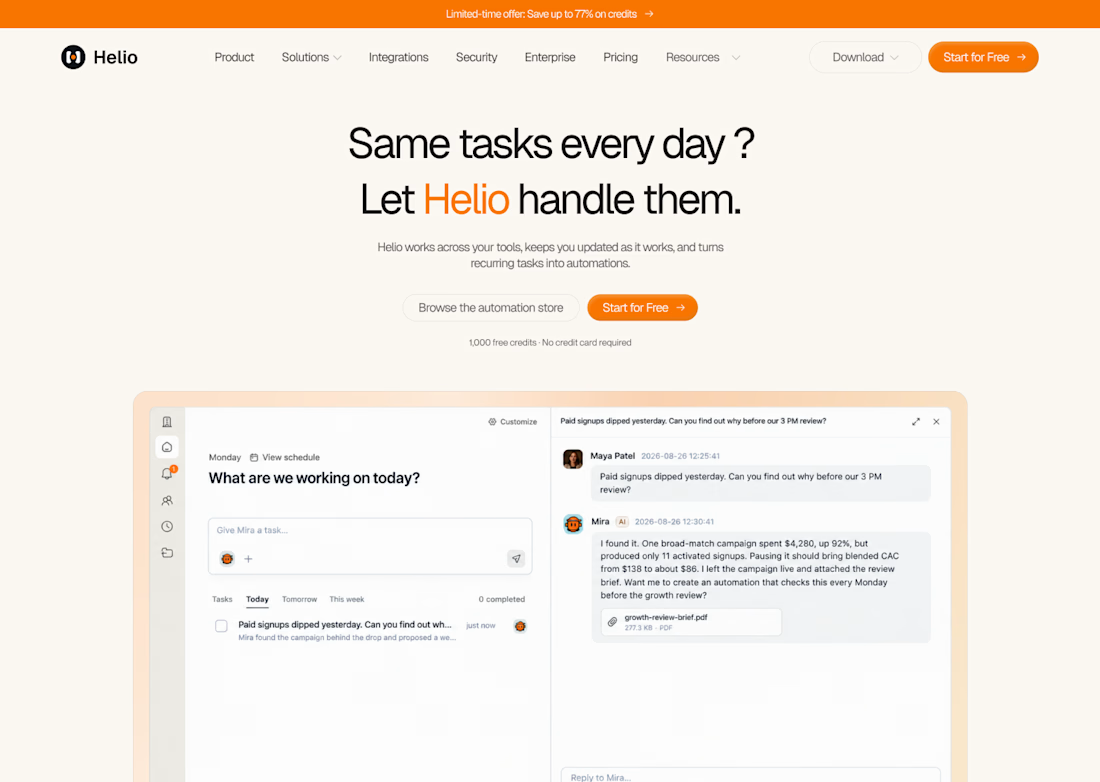
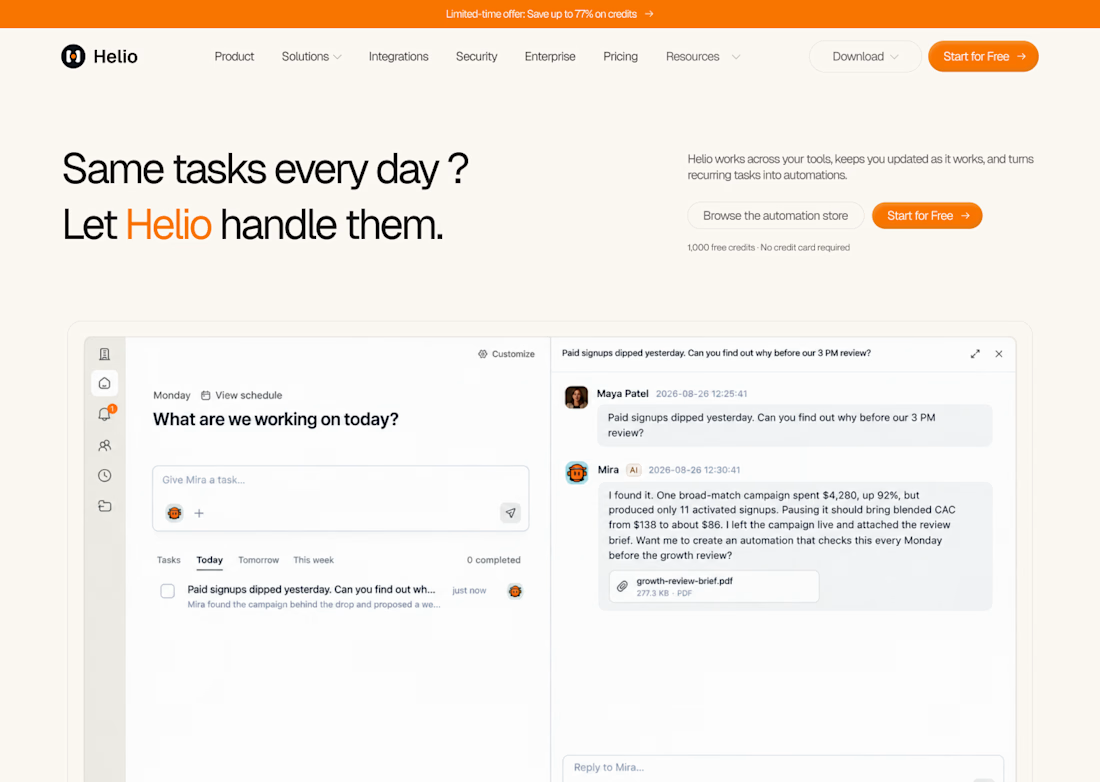

Understanding customer doubts is where UX really matters.