The network for creativity
Join 1.25M professional creatives like you
Connect with clients, get discovered, and run your business 100% commission-free
Creatives on Contra have earned over $150M and we are just getting started
Back to feedPost

Is it uploaded? 😵💫
That’s the first question that arises once you drag a file to upload without hearing from the screen.
When technology runs too fast, the human brain feels disconnected. If a user drags a file into an app and it disappears into the cloud in 0.05 seconds with zero feedback, they don't feel efficient, THEY FEEL CONFUSED.
Real speed is about perceived speed. You need a micro-interaction to give the brain that essential fraction of a second to register success.
Now tell me, does using an animation file replacing that 0.05 seconds with a minimum 5 other seconds to deliver a perceived speed feeling make sense? It must be lightning fast to load the animation alone, without mentioning its reaction time!
That’s why Rive solves this better than traditional video loops:
No Fixed Timelines: The animation dynamically scales to real-time network response rather than forcing a 2-second video loop.
Instant State Snapping: If an upload finishes in 5ms, the state machine smoothly snaps directly into a satisfying success checkmark.
Data-Bound Triggers: Reacts directly to uploadProgress or isComplete inputs with microscopic asset overhead.
🔗 Explore my Real-Time Interactive UI service on Contra: https://contra.com/s/bvgqOQq6-real-time-interactive-ui-and-rive-animation?r=mohammadalhelany
#Rive #WebDev #AppDevelopment #UIUX #Frontend #MotionDesign #InteractiveDesign #ProductExperience #UXDesign #FrontendDevelopment

The network for creativity
Join 1.25M professional creatives like you
Connect with clients, get discovered, and run your business 100% commission-free
Creatives on Contra have earned over $150M and we are just getting started






Related posts

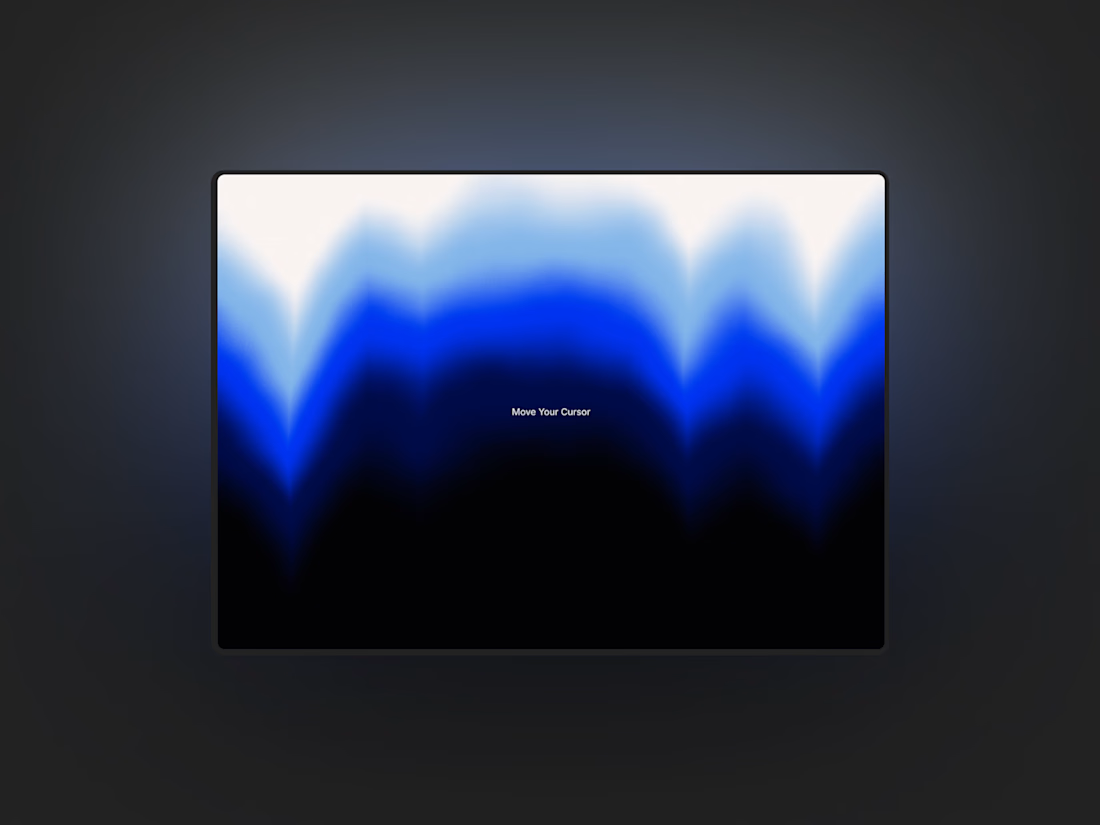
I wanted to bring more depth and movement to Framer backgrounds — something that feels alive rather than just sitting behind the content.
Meet Liquid Background, a Framer component that combines flowing gradients, organic dripping shapes, subtle pixel textures, and interactive cursor effects.
You can customize five gradient colors, adjust the liquid flow and animation speed, control the dripping effects, and add a slow tide animation. You can also make the liquid react to cursor movement for an extra layer of interaction.
I focused on making it highly customizable while keeping it easy to use.
And the best part? It's completely FREE.
A little more movement for your next Framer project.



Vox explainers feel the way they do for reasons you can actually measure.
Before making one, I took 7 of their films apart frame by frame. Here's what I didn't expect.
Graphics move on 2s (12 fps) even inside a 24 fps edit. Only real footage moves on 1s.
About half the on-screen events get a sound, mostly soft paper and air. Crisp hits are rare.
Something new lands on screen every 2 to 3 seconds.
Then I built a 4-minute documentary in that style. 9/11, minute by minute, from public-domain archival footage, old survey maps and the 9/11 Commission Report.
Every fact on screen carries its source in the corner.
What topic should get the collage treatment next?

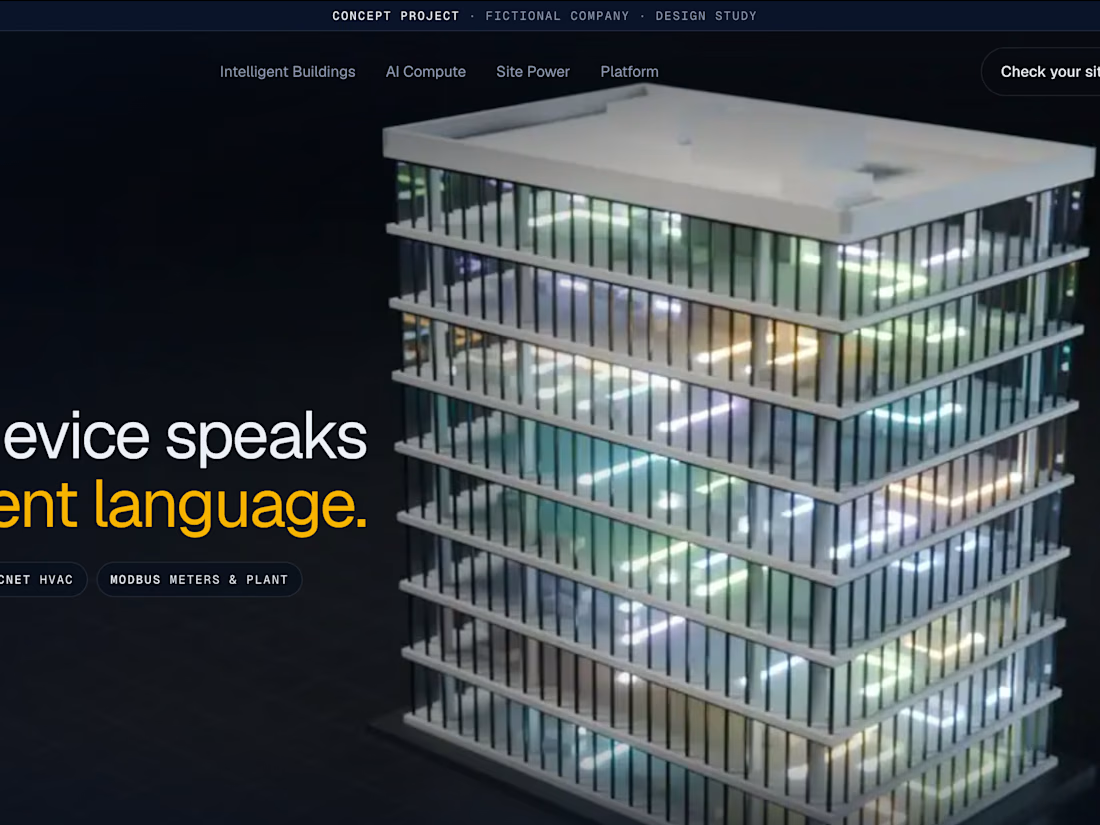
A cinematic 3D film you control by scrolling: a concept site for a smart-building company, rendered in Blender.

Interesting concept