The network for creativity
Join 1.25M professional creatives like you
Connect with clients, get discovered, and run your business 100% commission-free
Creatives on Contra have earned over $150M and we are just getting started
Back to feedPost

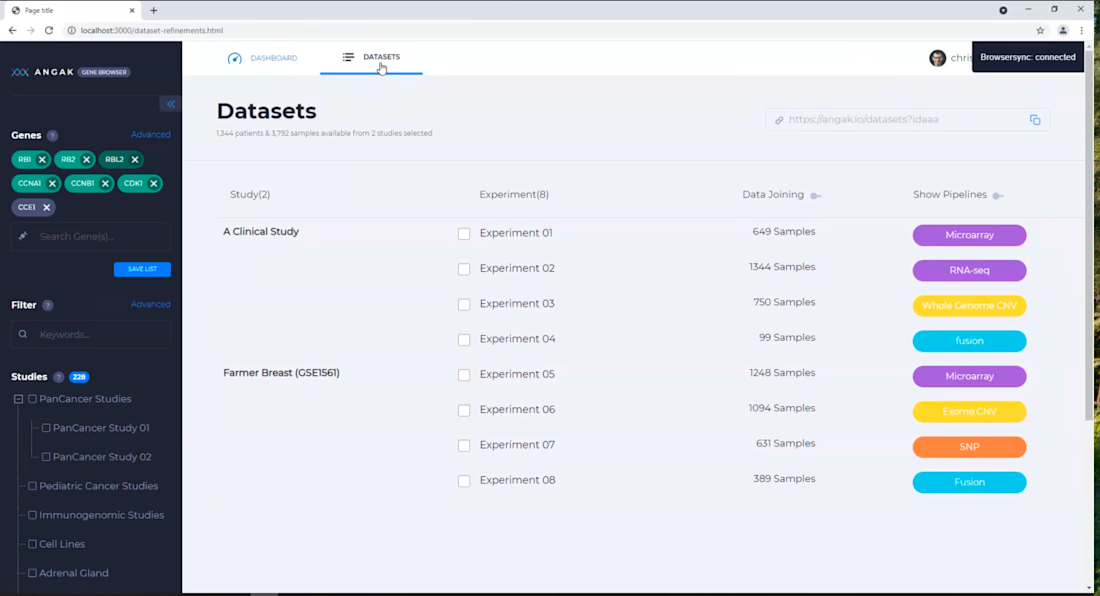
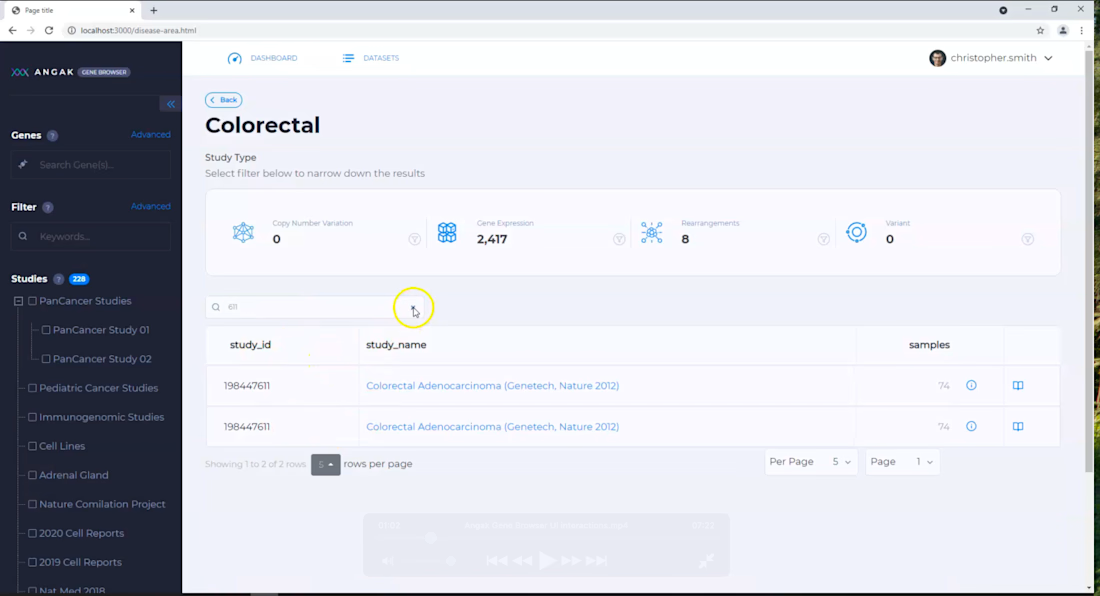
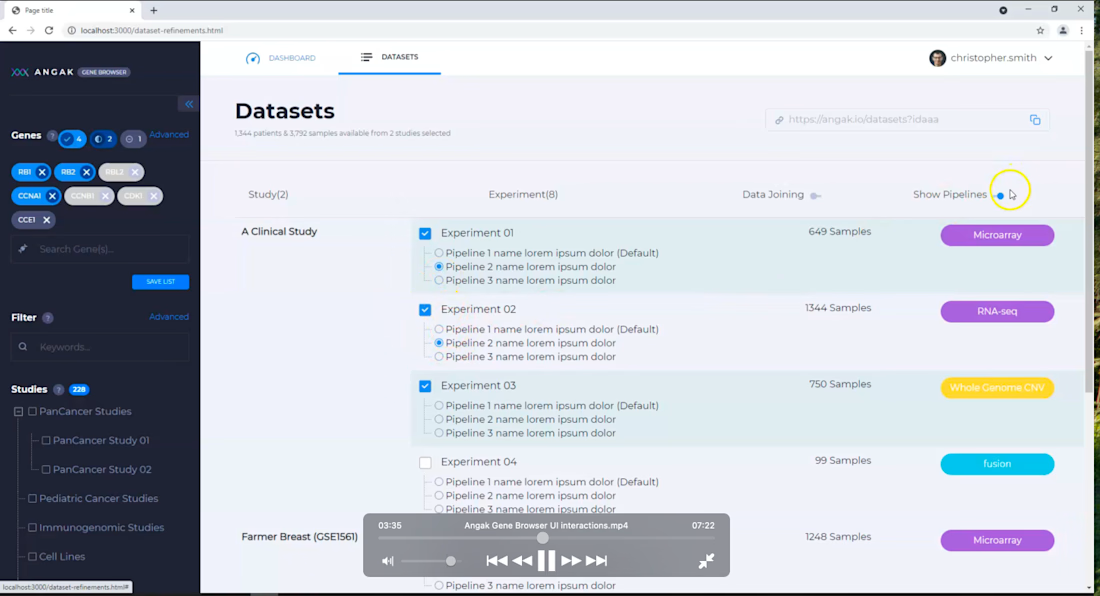
Angak Gene Browser is a biomedical data exploration platform designed to help researchers interact with large, complex genomic datasets through a clean and responsive web interface.
The backend was powered by Python, but the real challenge was creating a frontend experience that could make that backend usable: researchers needed to search genes, filter studies, explore disease areas, select experiments, manage datasets, inspect metadata, and download analysis-ready results without getting lost in the complexity of the data.
This is where my experience as an industry veteran came in.
The project used an old-school frontend stack — JavaScript, jQuery, HTML, CSS, and Panini templates — but the thinking behind the build was very much modern: reusable interface patterns, component-like sections, stateful interactions, progressive filtering, dashboard summaries, and data-driven UI flows. In many ways, this was about bringing an older frontend architecture back to life and making it feel closer to the kind of polished interaction you would expect from a React-based application.
The result was a practical, research-focused frontend that gave structure, visibility, and usability to a data-heavy Python backend.


The network for creativity
Join 1.25M professional creatives like you
Connect with clients, get discovered, and run your business 100% commission-free
Creatives on Contra have earned over $150M and we are just getting started
Trending
retrofuturism
Share your favorite designs from the past exploring the distant future. Or your own take on the aesthetic 🚀
halftone
Dots. Texture. Grain. Let's see your designs using the halftone technique.

Midjourney
Creatives are showing off what they're making with Midjourney.
colorgrade
Video editors sound off: How do you enhance the mood of your video in color grading?


Related posts

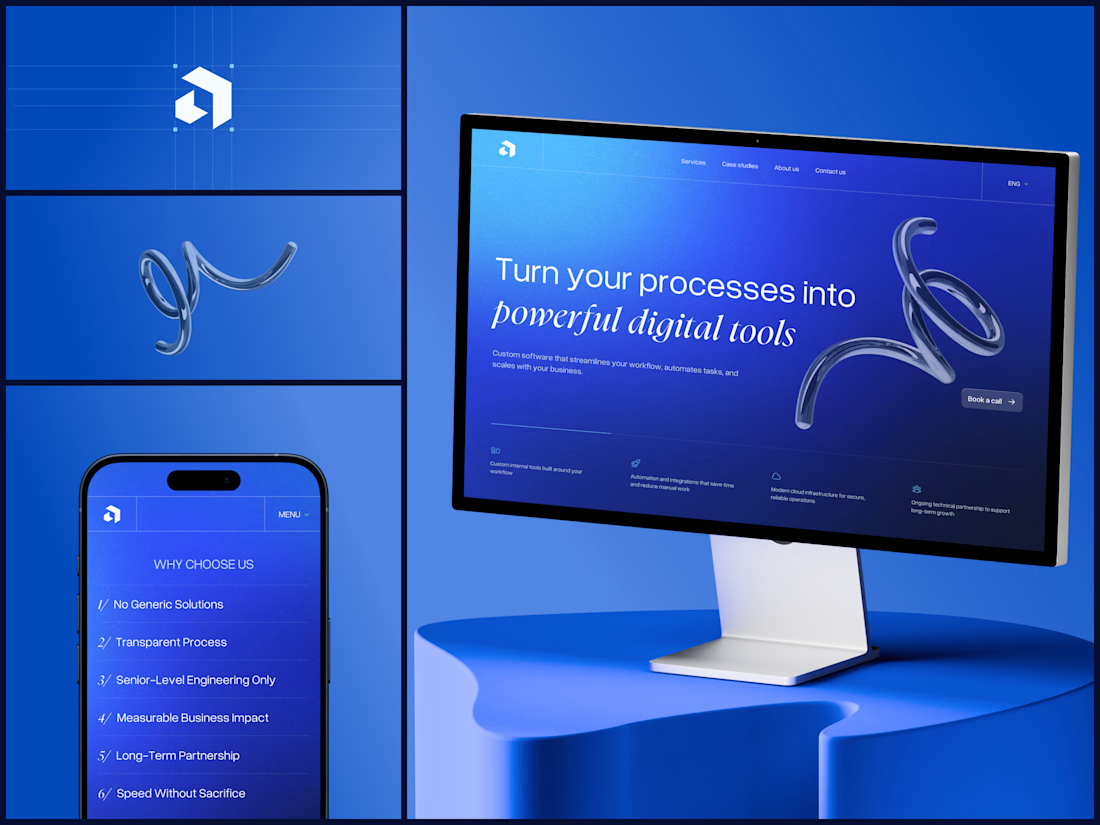
Custom Software Studio - B2B Tech / SaaS Services
Monochromatic is the hardest palette to pull off. You can't hide behind contrast or accent colors. Every element has to earn its space through depth, light, and typography alone. So the 3D chrome spirals do the heavy lifting for visual interest while the blue gradient handles the rest.
#WebDesign #B2BTech #UIDesign #SaaS #3DDesign


Super sharp layout for a tech studio! How did you approach translating complex software architectures into clean visual components?

VIREO — Modern Eyewear Landing Page 👓✨
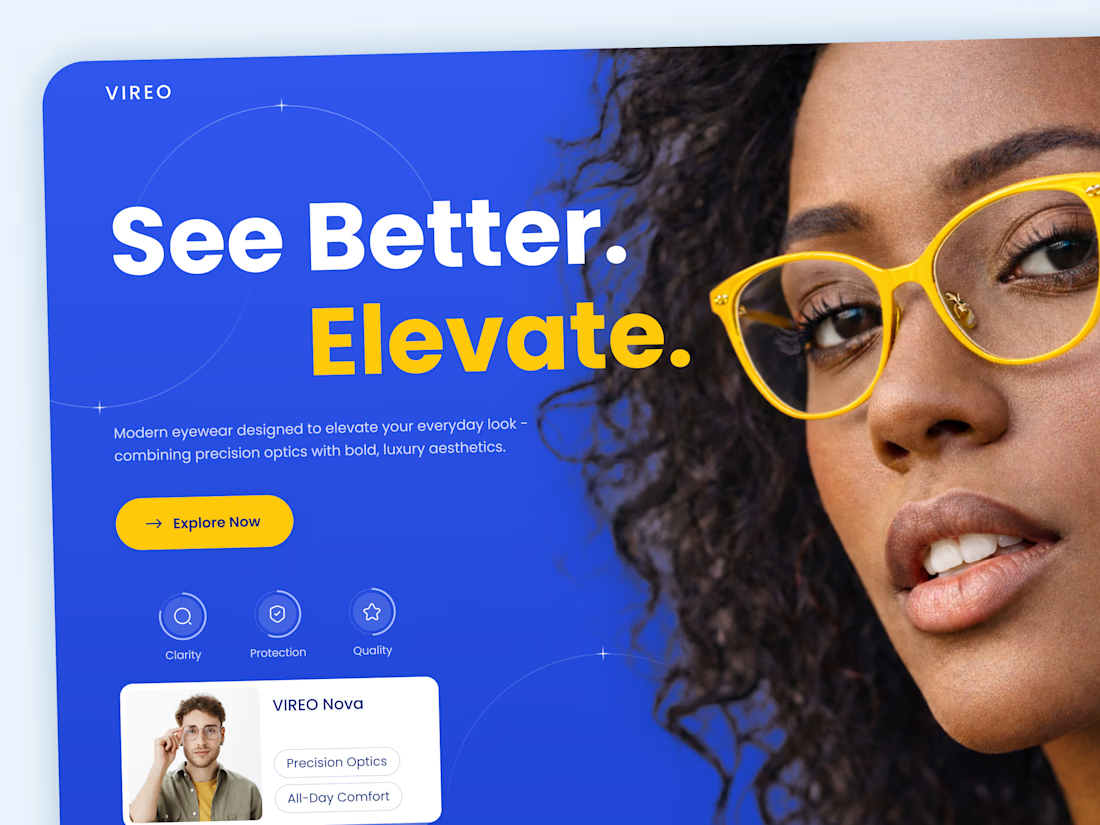
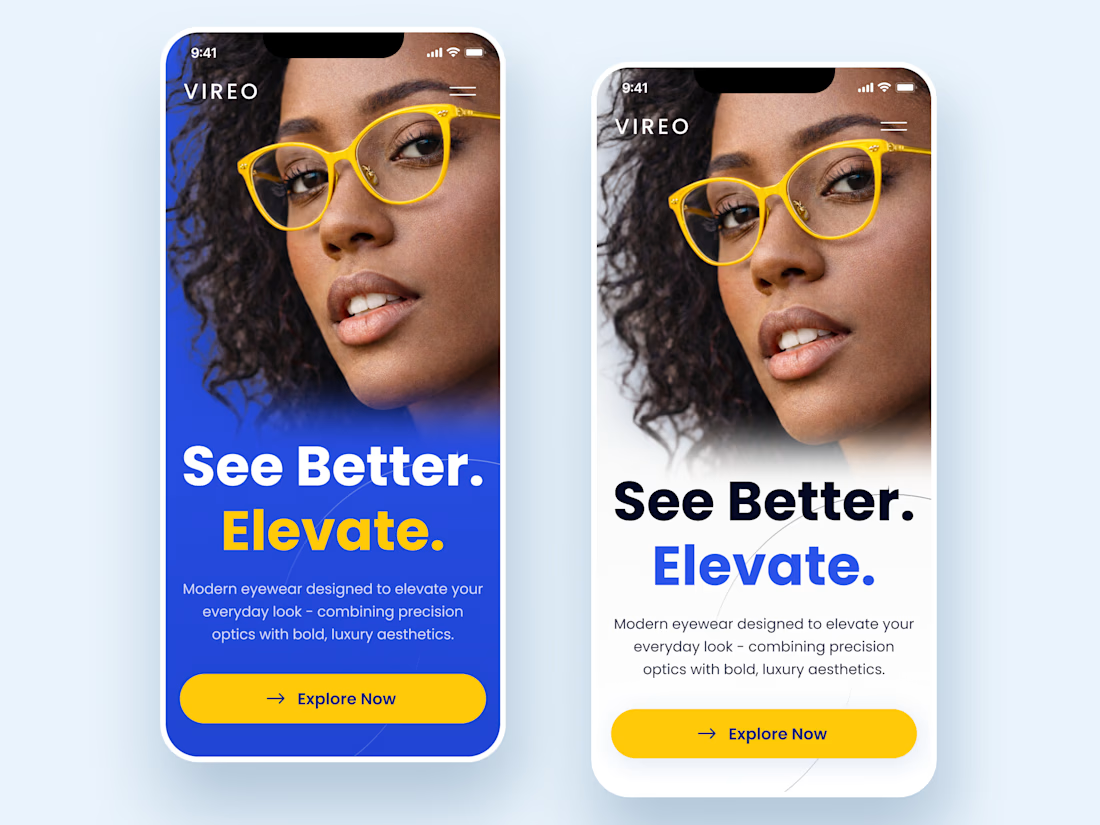
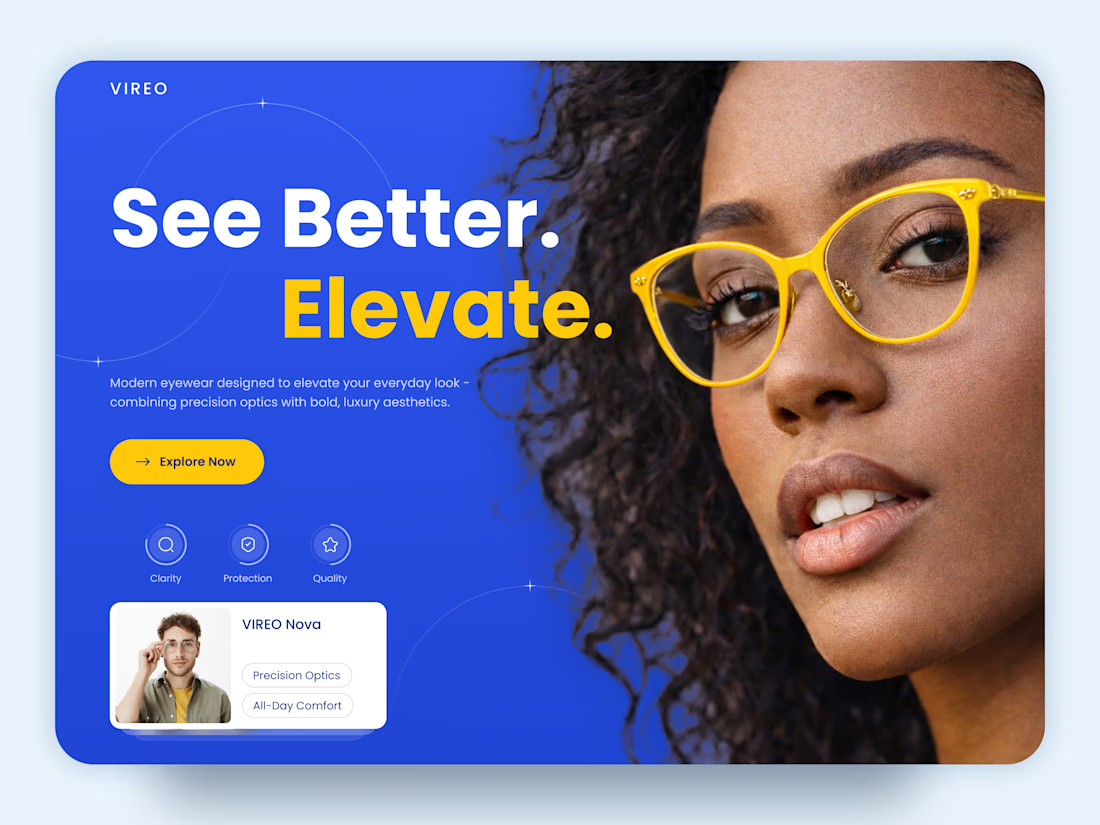
VIREO is a bold eyewear landing page concept created to present modern glasses as both a functional product and a statement piece.
The goal was to combine the feeling of precision optics with a more expressive, fashion-forward visual direction. Deep electric blue, vibrant yellow accents, oversized typography, and close-up lifestyle photography create a strong identity while keeping the product and its benefits easy to understand.
Special attention was given to:
• a high-impact hero section built around expressive eyewear photography;
• bold color contrast that makes the yellow frames immediately stand out;
• clear product benefits like clarity, protection, and quality;
• a simple Explore Now CTA that keeps the next step obvious;
• product information integrated directly into the visual experience;
• strong typography that supports the brand’s confident personality;
• responsive mobile layouts that preserve the same visual impact on smaller screens 📱;
• a clean balance between fashion-focused imagery and functional product messaging.
The result is a vibrant eyewear experience that feels modern, confident, and product-focused — positioning glasses as something you don’t just wear to see better, but as part of your everyday style. 💛
Looking to create a digital experience for a fashion, eyewear, or lifestyle brand that makes the product impossible to overlook? Let’s build it. 🚀



For Omnes, we designed an investor-focused pitch deck that turns a complex Bitcoin mining proposition into a clear and credible visual story.
The presentation combines strong typography, structured layouts, charts, maps and data visualisation to communicate the market opportunity, infrastructure and investment strategy with clarity.
The result is a professional and consistent deck built to support confident investor conversations.
Pitch deck designed by ABOX Agency.

