The network for creativity
Join 1.25M professional creatives like you
Connect with clients, get discovered, and run your business 100% commission-free
Creatives on Contra have earned over $150M and we are just getting started
Back to feedPost

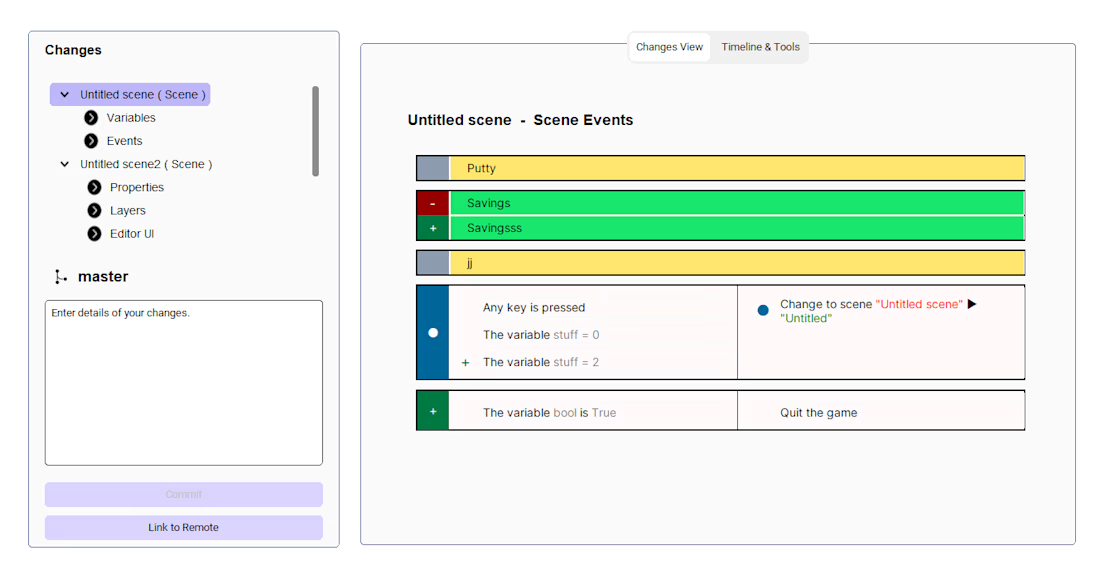
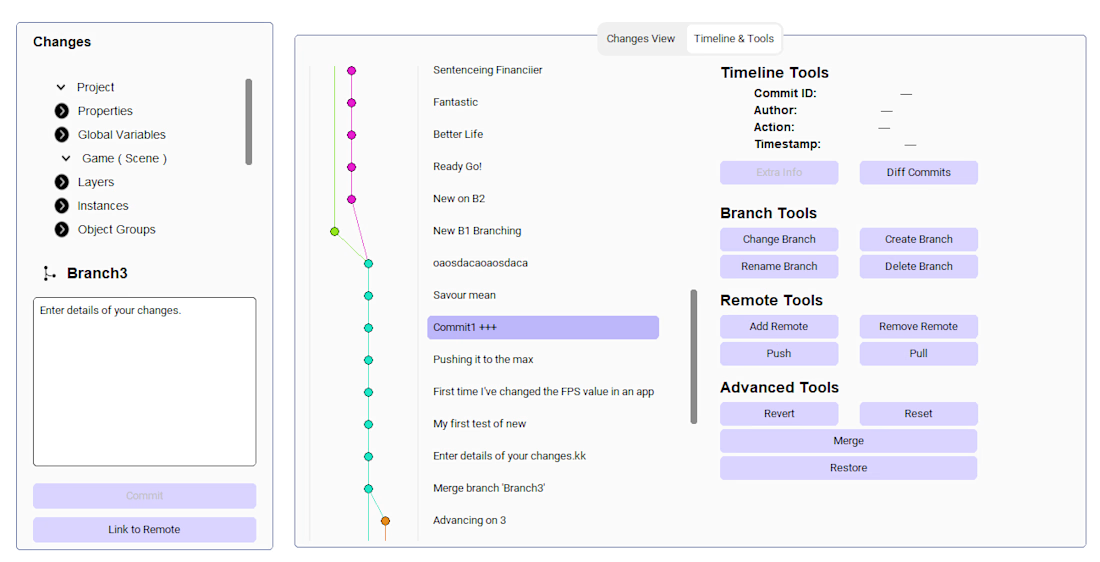
GDWisp is a project management tool designed specifically for GDevelop game development workflows.
I'm developing it as an independent software project, with a focus on helping game developers organize their projects, manage parallel development work, and work with Git without unnecessary complexity.
The application is built around a visual project management experience, using Git branches to organize individual development lanes.
I'm responsible for the entire project, from designing the application and implementing its features to building the underlying Git integration.
GDWisp is currently under active development.


The network for creativity
Join 1.25M professional creatives like you
Connect with clients, get discovered, and run your business 100% commission-free
Creatives on Contra have earned over $150M and we are just getting started
Related posts

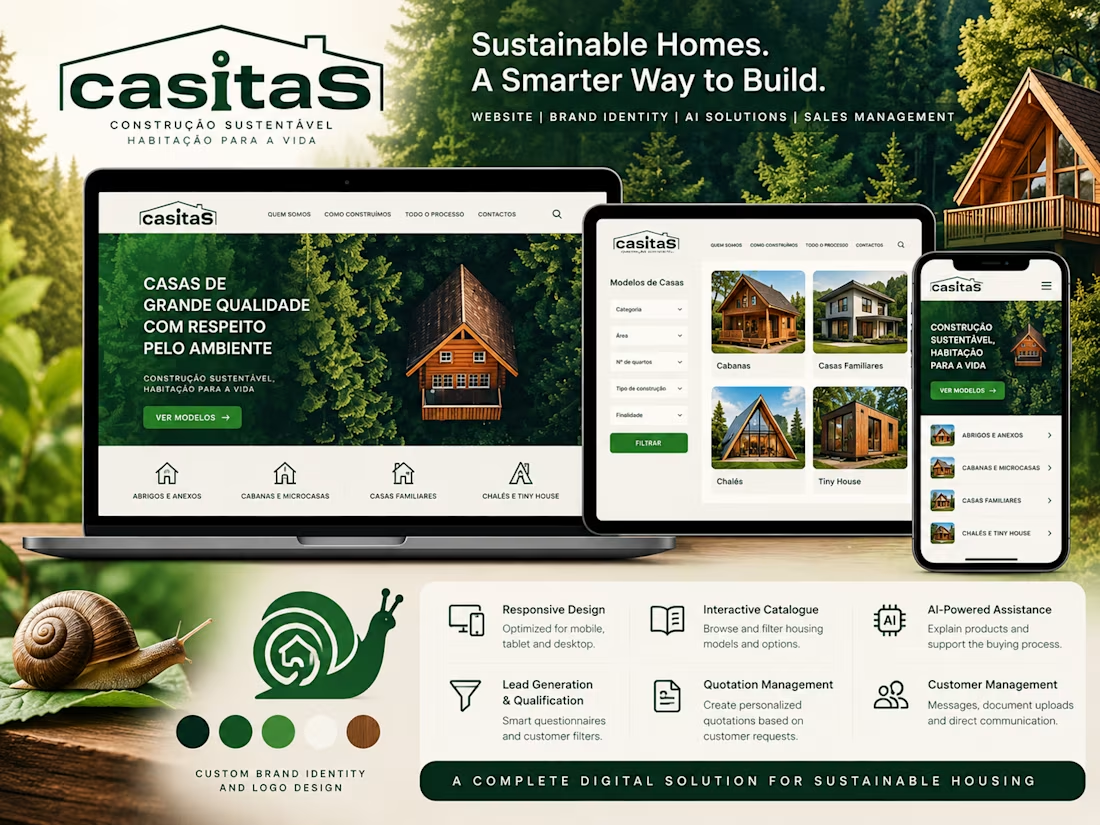
Casitas.pt | Brand Identity, AI-Powered Website & Sales Management Platform
A comprehensive digital platform for the sustainable housing sector, combining custom brand identity, architectural design, artificial intelligence and business management solutions.
My Role — Creative Direction & Visual Identity
I was responsible for creating the visual identity of the project, carefully considering the client’s objectives, preferred colour palette and the image they wanted their brand to communicate.
I personally designed the logo and developed the snail-inspired brand symbol, reflecting the client’s vision and creating a distinctive visual identity.
The website’s visual language, colours and overall design were developed to ensure consistency between the brand’s personality and its digital presence.
Digital Platform Features
Responsive website for desktop, tablet and mobile
Interactive housing catalogue with advanced product filtering
AI-powered product explanations and sales assistance
Lead generation, qualification and customer segmentation
Customer management dashboard
Personalised quotation management based on customer requests
Document uploads and two-way customer communication
Mobile notifications and digital workflow automation
Project Scope
Brand Identity • Logo Design • Creative Direction • UX/UI Design • Responsive Web Development • AI Integration • Digital Catalogue • Lead Management • Quotation Systems • Business Automation
Live Website: https://casitas.pt/




a sales platform plus the brand identity in one project is a big scope. did the ai part come first or the identity?

This right here is a MAGNUM OPUS! Detailed website for a detail client 🔥 🔥


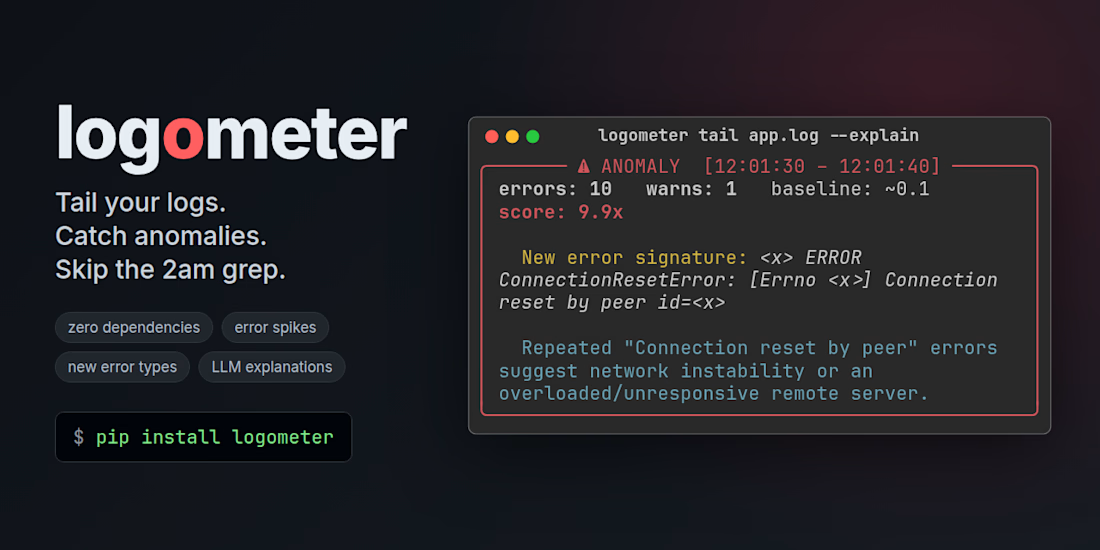
Introducing Logometer — a lightweight, zero-dependency Python CLI tool for monitoring logs and detecting unusual error patterns.
It analyzes log streams, flags error spikes and new error types, and supports structured JSON output. It also offers optional LLM-powered explanations.
Built with Python, with testing, sample logs, and documented limitations.
Explore the project on GitHub:
https://github.com/AmanSg098/logometer