The network for creativity
Join 1.25M professional creatives like you
Connect with clients, get discovered, and run your business 100% commission-free
Creatives on Contra have earned over $150M and we are just getting started
Back to feedPost

Restricted funds are the number one thing that trips up nonprofit books — and it's not because bookkeepers don't know what "restricted" means.
It's because most QuickBooks setups aren't built to track it. A donor gives $50,000 for a specific program, it lands in the same operating account as everything else, and six months later nobody can say with certainty how much of that $50,000 is left, or whether it's already been spent on something it wasn't meant for.
This isn't a minor bookkeeping detail. It's the difference between a clean audit and a finding. It's the difference between a funder trusting you with the next grant and a funder asking hard questions.
The fix: class tracking (or projects, depending on your software) set up at the start, not retrofitted after the fact. Every restricted dollar gets tagged the moment it comes in, and your statement of activities can show exactly what's restricted, what's released, and what's still sitting there waiting to be spent as intended.
If your board or your funders have ever asked "where did that money actually go" and the honest answer took longer than it should have — that's usually a class-tracking problem, not a spending problem.
The network for creativity
Join 1.25M professional creatives like you
Connect with clients, get discovered, and run your business 100% commission-free
Creatives on Contra have earned over $150M and we are just getting started
Trending
retrofuturism
Share your favorite designs from the past exploring the distant future. Or your own take on the aesthetic 🚀
halftone
Dots. Texture. Grain. Let's see your designs using the halftone technique.

Midjourney
Creatives are showing off what they're making with Midjourney.
colorgrade
Video editors sound off: How do you enhance the mood of your video in color grading?
Related posts

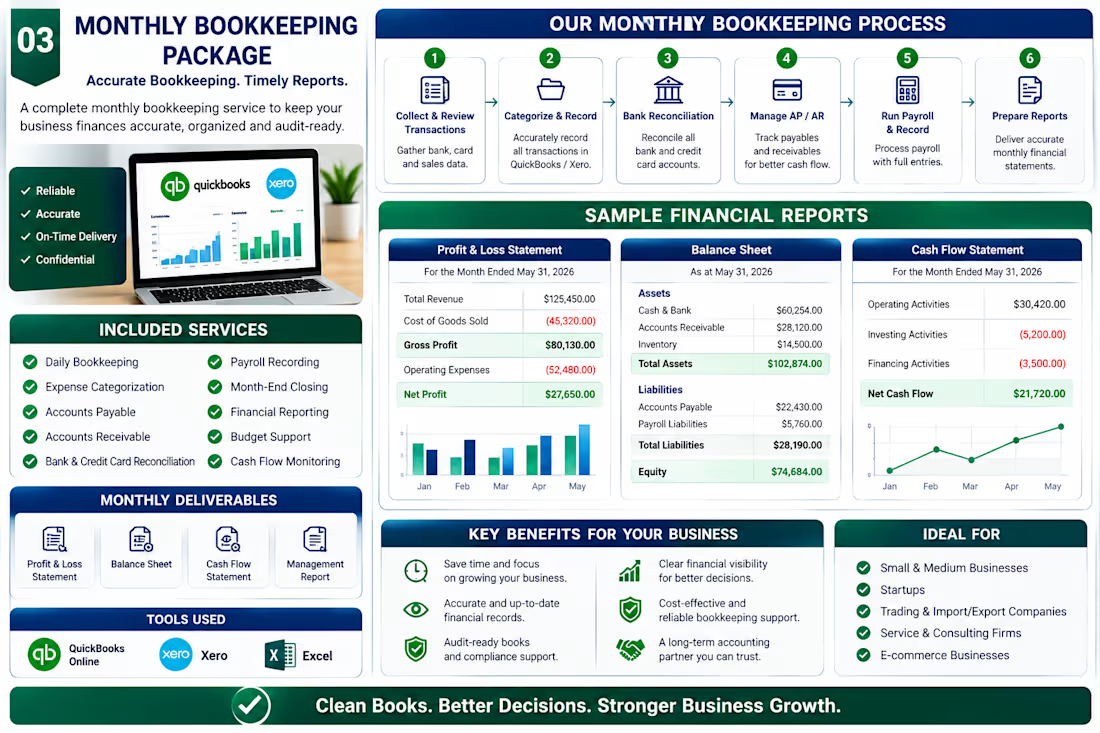
I provide complete monthly bookkeeping services that help businesses maintain accurate financial records, stay organized, and make informed financial decisions.
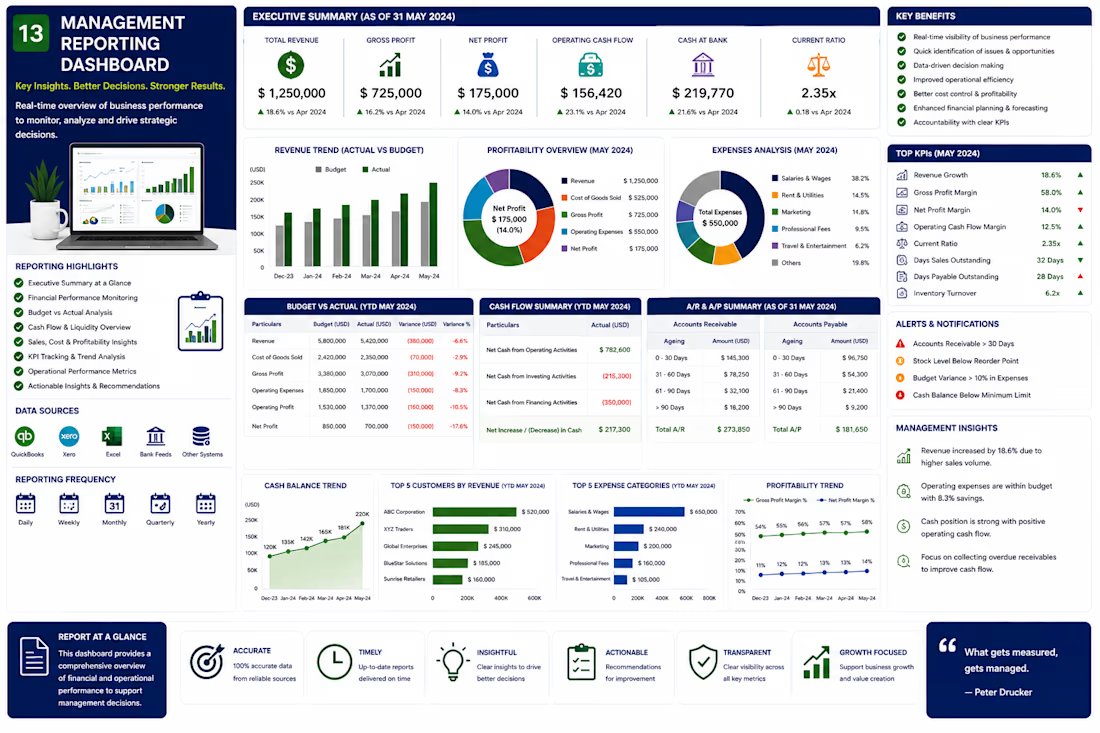
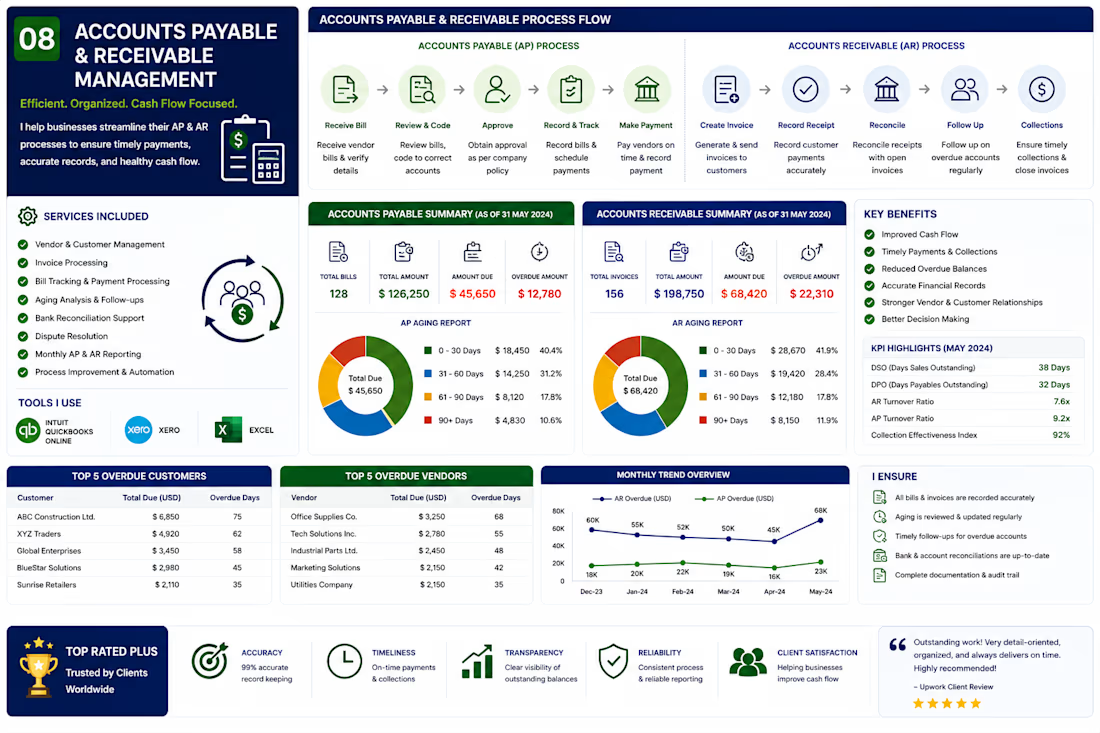
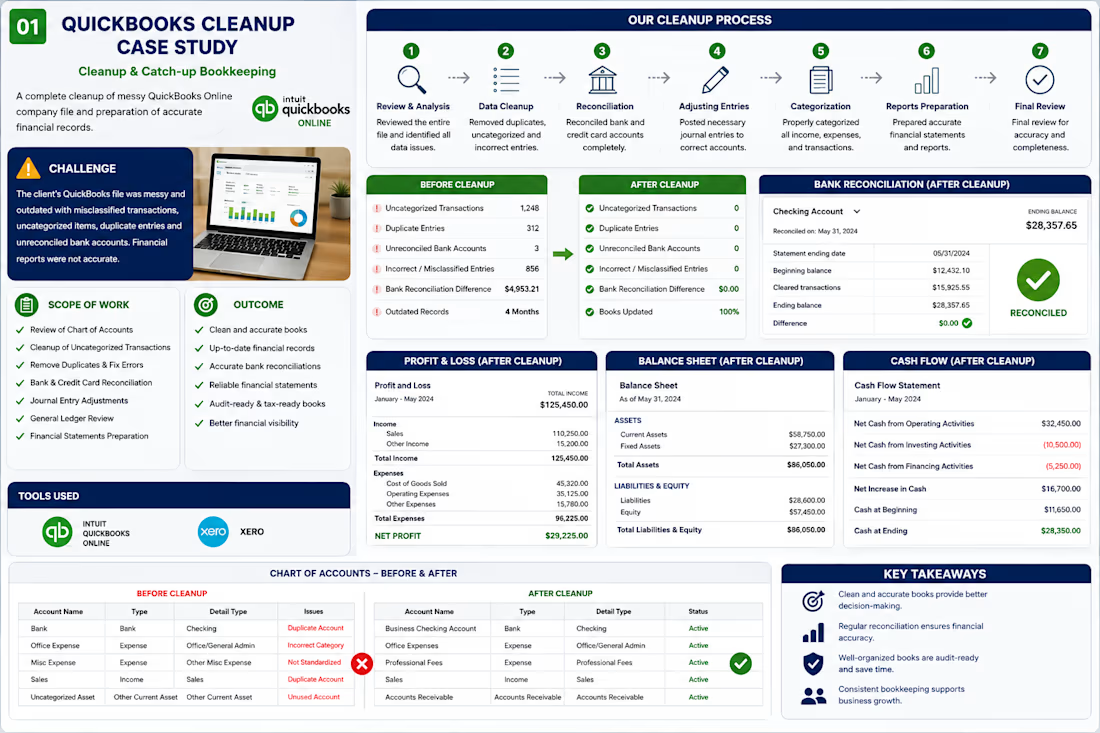
This project demonstrates my end-to-end bookkeeping workflow, including transaction recording, expense categorization, accounts payable and receivable management, bank and credit card reconciliation, payroll recording, month-end closing, and preparation of financial statements.
The objective is to deliver clean, reliable, and audit-ready books while giving business owners clear visibility into their financial performance.
Services Included
Daily Bookkeeping
Transaction Recording
Expense Categorization
Accounts Payable (AP)
Accounts Receivable (AR)
Bank & Credit Card Reconciliation
Payroll Recording
Month-End Closing
Financial Reporting
Cash Flow Monitoring
Budget Support
Monthly Deliverables
Profit & Loss Statement
Balance Sheet
Cash Flow Statement
Management Report
Bank Reconciliation Report
General Ledger
Trial Balance
Accounts Receivable Aging Report
Accounts Payable Aging Report
Monthly Financial Summary


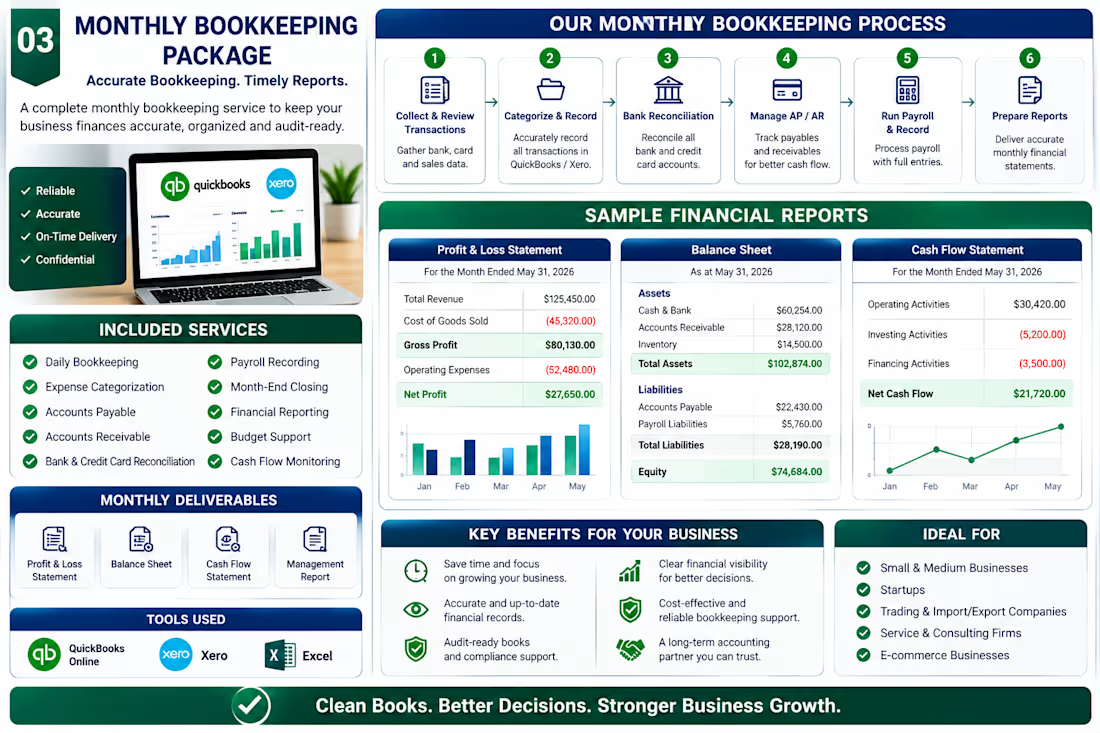
I focus on accuracy, clean documentation, timely reporting, confidentiality, and clear communication. Whether you need ongoing bookkeeping support, a one-time cleanup, monthly financial reporting, or help understanding your business performance, I provide practical and reliable accounting support.
15+ years of experience | CPA-qualified | Multinational experience | QuickBooks Online | Xero | Financial Reporting
Let's turn your financial data into clear, reliable information you can use to run your business with confidence.

Create a report, add a customer, scan an asset.
Get to the next step without overthinking it.
That's what a good app refresh does.

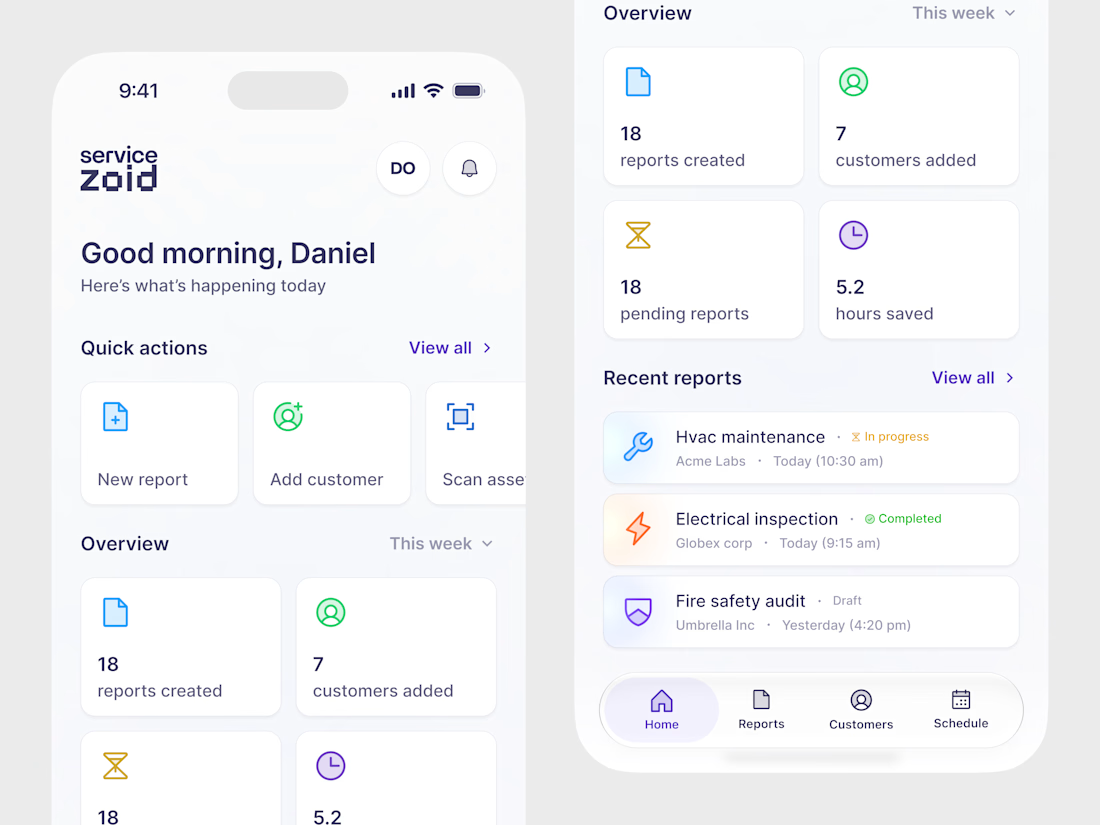


Exactly. Good UX should make the next step feel obvious without making users think too much.