The network for creativity
Join 1.25M professional creatives like you
Connect with clients, get discovered, and run your business 100% commission-free
Creatives on Contra have earned over $150M and we are just getting started
Back to feedPost

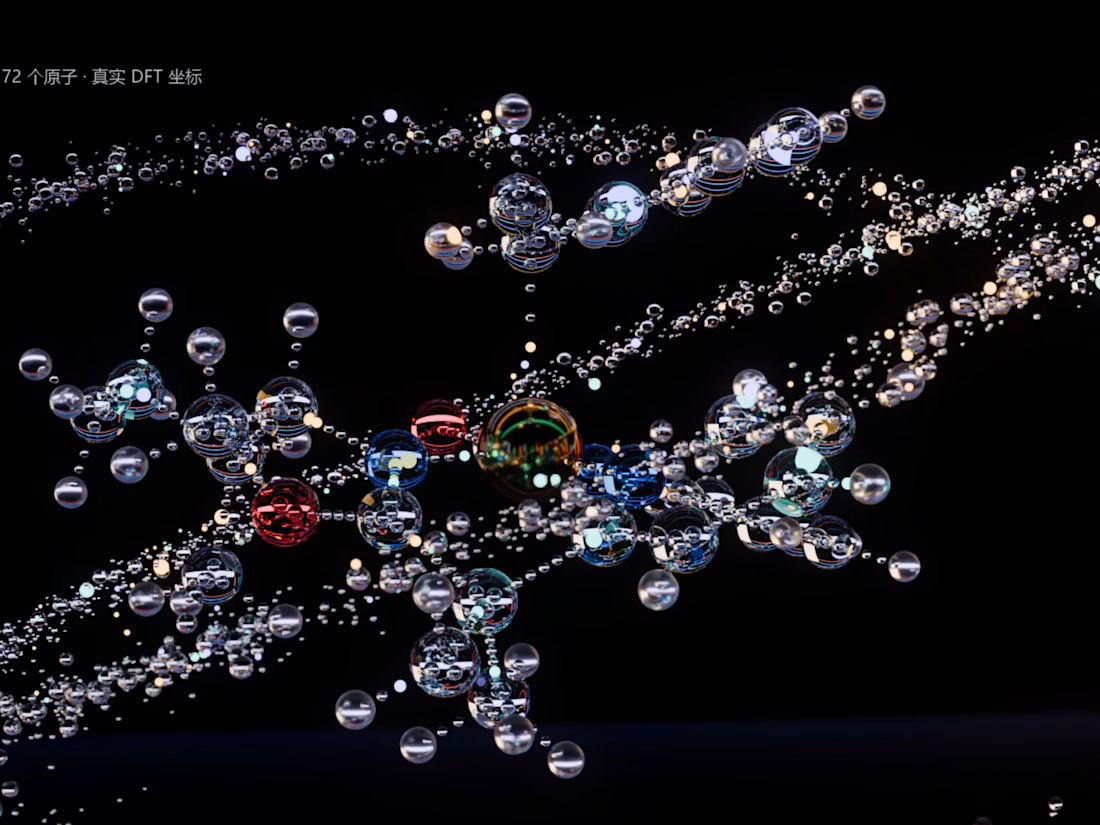
The Anatomy of Adaptation — a motion study exploring biological concepts through particle-based animal forms. Fluid, expressive simulations meet a clean, science-inspired interface. #MotionDesign #CreativeCoding #ParticleAnimation #DataArt

Very interesting!
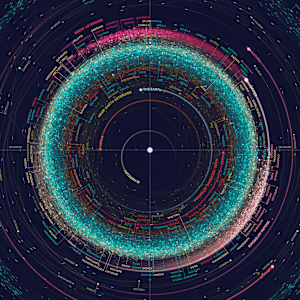
This remind me the Flight Deconstruction series by Eleanor Lutz — https://eleanorlutz.com/animated-science-infographics
eleanorlutz.com
Eleanor Lutz - Animated Science Infographics
Animated infographics explaining breathing, flight, and muscle movement.
The network for creativity
Join 1.25M professional creatives like you
Connect with clients, get discovered, and run your business 100% commission-free
Creatives on Contra have earned over $150M and we are just getting started




Related posts

A 100% procedurally generated 3D animation rendered in Blender Cycles with zero manual modeling. Driven entirely by Python code, 4,883 refractive glass spheres


What if your data looked like a beautifully printed science book?
For my first project here, I built something I dearly wanted for myself, a Genome Atlas: an editorial dashboard that reads the human genome like a book, chapter by chapter.
Three billion letters. Twenty thousand genes. Sixty-four codons that spell only twenty amino acids. I wanted to turn these numbers into something you feel before you read it: soft pastel watercolour, clean ink lines, and charts you can play with.
Ten chapters, ten ways to see data: chromosomes as gel lanes you can sort, a wheel of the genetic code that lights up every synonym, base pairs drawn like a chemistry textbook, and an animated flow that shows what you inherited from each grandparent.
Every figure comes with its source, because beautiful should never mean approximate.
It's now available for use here!


Congrats on the launch. The watercolour blobs behind the big serif numbers make the data feel printed. Sources on every figure is a great call.


MANTA — Cleaner Ocean Technology Website Experience
A futuristic website design for a solar-powered ocean-cleaning glider.
The experience combines 3D wireframe visualization, bold typography, technical interface details and motion-led storytelling to present an innovative approach to ocean cleanup.
#MarineTechnology #WebDesign #SeativeDigital

The 3D wireframe visuals suit an ocean-cleaning glider really well, Subash. Bold type plus the technical UI details give MANTA a strong engineering feel.