The network for creativity
Join 1.25M professional creatives like you
Connect with clients, get discovered, and run your business 100% commission-free
Creatives on Contra have earned over $150M and we are just getting started
Back to feedPost

As a beta reader, I don't look for perfection.
I look for moments that make me feel something.
While reading a manuscript, I'm asking:
📖 Did this scene keep my attention?
💔 Did I connect with the characters?
😲 Did the plot surprise me?
🤔 Were there moments that confused me?
✨ Would I keep turning the pages?
The goal isn't to impress readers with flawless writing.
The goal is to make them care.
That's where honest beta feedback can make a huge difference before a manuscript reaches editors, agents, or publishers.
Writers: What's one piece of feedback that helped improve your story the most?


The network for creativity
Join 1.25M professional creatives like you
Connect with clients, get discovered, and run your business 100% commission-free
Creatives on Contra have earned over $150M and we are just getting started
Related posts

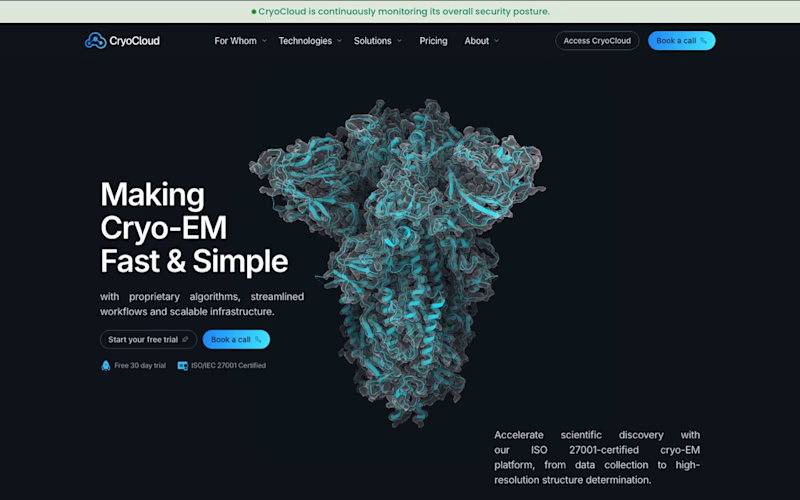
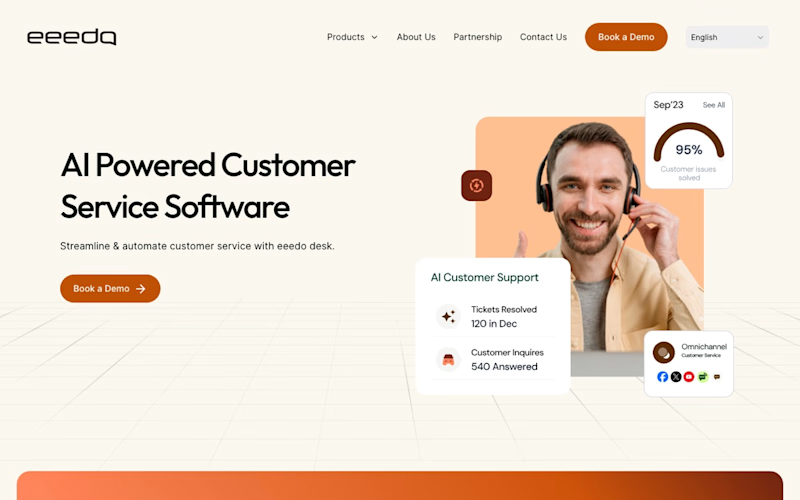
Two hero sections I built, two opposite moods. CryoCloud went dark and scientific so a cryo-EM lab trusts it on sight. eeedo went warm and light so customer support feels human. Same job for both: make a first-time visitor believe the product in a few seconds. Which one pulls you in more? Vote, and tell me what made you pick it 👇

3 voted
60%
2 voted
40%
5 votes
Closed

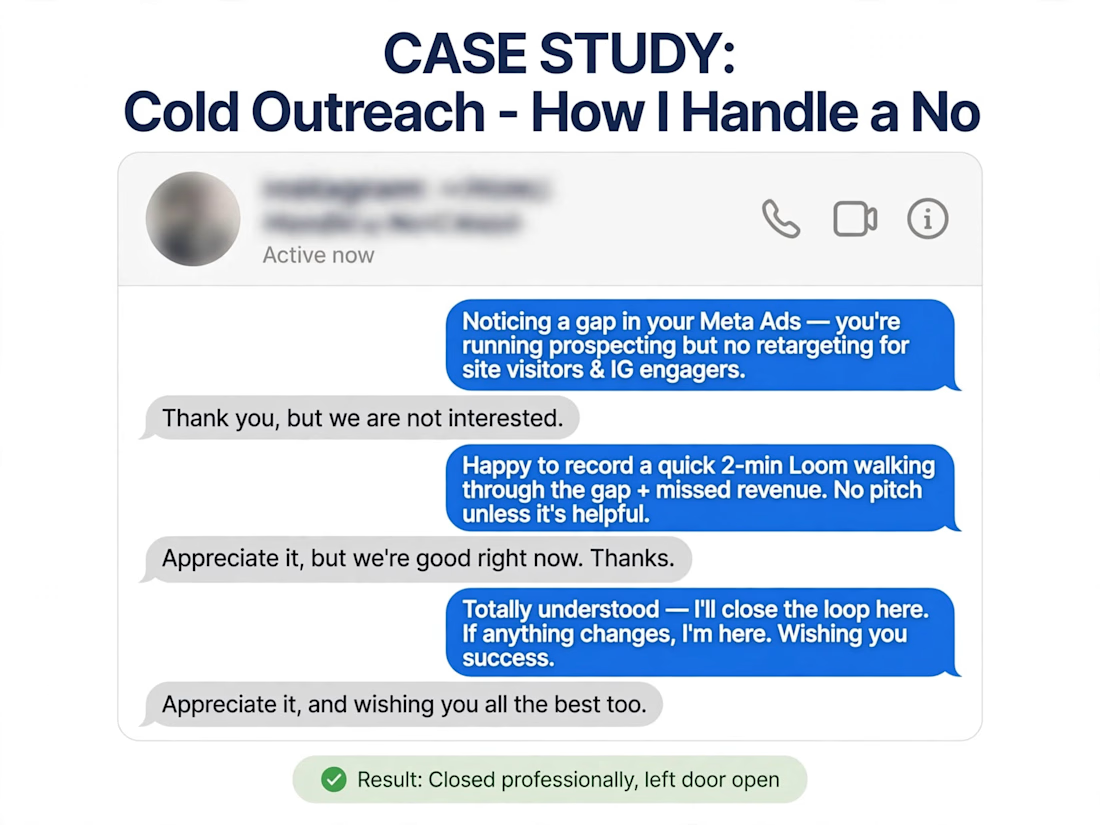
CASE STUDY: Cold Outreach - How I Handle a "Not Interested"
Most freelancers panic when a brand says "Not interested." I don't.
Here's the exact 3-step framework I used when a 30K+ SaaS brand said No twice:
Step 1 - Initial Pitch: Spotted a retargeting gap in their Meta Ads (prospecting without retargeting for site visitors). Pitched lean.
Step 2 - Value Follow-up: When they said No, I didn't push. Offered a 2-min Loom walking through the gap + 1 strategy fix they could run without me. No pitch attached.
Step 3 - Professional Close: When they said No again, I closed the loop respectfully: "Totally understand - I'll close the loop here. If things change, I'm here. Wishing you success."
Result: They replied "Appreciate it, and wishing you all the best too 🧡" - door left open for future. No burn, no desperation.
Lesson: On Contra and Instagram, how you handle a No matters more than how you pitch a Yes. Professional close > pushy follow-up.
I build the same systems for coaches and DTC brands: Meta retargeting, GoHighLevel automations, and follow-ups that close without being pushy.
DM "OUTREACH" if you want my exact script.



Most people only post wins, so a case study on handling "not interested" is a refreshing angle. Which follow-up line gets you the most replies after a no?

13:40: a finished Figma frame. 15:48: this, live on Vercel
Claude wrote every line of the code. I spent those two hours on the part clients actually pay for: looking at each version and saying what's off
17 commits, each one deployed. My notes went in as screenshots with red circles:
→ make the button edges look like ticket cutouts
→ replay the story chips every time you scroll past them
→ spacing 156, then 92, then back to 156
What made it fast was one Figma frame called "Ready for Dev". Every size, color and gap came from there, so nobody had to guess what the mockup meant
For a founder this means a real link on day one, and a fix you ask for at lunch is live by the afternoon

