The network for creativity
Join 1.25M professional creatives like you
Connect with clients, get discovered, and run your business 100% commission-free
Creatives on Contra have earned over $150M and we are just getting started
Back to feedPost
Should You Build Your Own Coaching Website or Hire a Designer?
Hatmasters has been in business for over 40 years. They sell cowboy hats and teach people how to shape and restore every kind of hat you can think of. The sales were good, the customers were loyal, and the website was an afterthought.
I built them a course site on LearnWorlds and a wholesale store on Shopify. Within 45 days of the store launching, sales were up 30%. Course enrollment now grows about 12% every quarter.
Same business, same hats, same people behind the counter. The only thing that changed was the front door.
So should you build your own site or hire a designer? Hire a designer. After 26 years of building websites, 15 of them exclusively for coaches, I haven't found a good reason to say anything else.
You're standing too close to see it
When you build your own site, you fill it with what matters to you. Your story, your credentials, your method, all the things that took years to earn.
Your visitor doesn't care about any of that yet. They want to know if you can fix their problem.
Think of a painter with her nose six inches from the canvas. She can see every brushstroke and none of the picture. A good designer steps back across the room. They see your business the way a stranger does, which is the only view your website needs to be built from.
Designers also understand user experience and layout psychology: where the eye lands first, what a font size says before anyone reads a word, why one button gets clicked and another gets ignored. You can learn some of that in a weekend. You can't learn to apply it objectively to your own business.
One job
A coaching website has one job. In the first few seconds, it has to tell a stranger what you do, why they need it and what happens if they do nothing.
That's it. Everything else on the page either supports those three answers or gets in their way.
The mistakes I see on almost every DIY site
I've redesigned sites for coaches who'd been in business more than ten years with almost no online growth. The mistakes repeat so reliably I could set a watch by them.
The first is the wrong amount of information on the main pages. Some sites are walls of text that explain everything to nobody. Others are so sparse a visitor has nothing to act on.
The second is a buried offer. Picture a hat shop where the best hats sit in the stockroom and the front window shows nothing but receipts. That's what happens when your strongest offer lives halfway down the page, and on a phone, halfway down means a long thumb workout. Most visitors never get there. Your best offer belongs near the top, where nobody has to hunt for it.
The third is that nobody tests the site. Links that go nowhere, 404 pages where a service page should be, images that never loaded. I've found these on sites that were live for years. A broken page tells a prospect you don't check your own work, which is an awkward message from someone asking to be trusted with their goals.
The marketing agency detour
This one costs people real money, and I've cleaned up after it more than once.
A marketing agency is good at selling a website after it's been built. Traffic, ads and email funnels are their craft. But no amount of marketing sells a poorly designed site. You can send a thousand people a day to a confusing homepage and get a thousand people who left confused.
A dedicated web designer works on the other side of that problem. Layout, typography, color, and the hierarchy of what a visitor sees first, second and third. Get that right and the marketing has something to work with.
The platform matters less than you think
Squarespace, Wix, WordPress, Webflow, Kajabi. Everybody has a favorite and everybody defends it like a sports team. Good design is platform agnostic, so pick the one that fits how you teach.
If you coach live, almost any platform will do, as long as it connects to a booking tool like Calendly or TidyCal and takes payments through Stripe or PayPal.
If you sell self-paced courses, you need a proper learning management system. Kajabi, LearnDash, LearnWorlds and Absorb all do that job.
Choose the tool for your delivery model, then hire someone who knows how to build on it well. Great design on a modest platform beats a poor design on an expensive one every time.
How to pick the right designer
Start with their own website. If it's confusing, cluttered or slow to tell you what they do, keep walking. A designer who can't organize their own page won't organize yours.
Look for someone who asks about your business before quoting a price. Someone transparent about what things cost and honest about what you need versus what they'd like to sell you. And someone who gives you value beyond the fee, because the good ones do.
You don't have to do this alone
There are people like me who spend every working day helping coaches start or scale their businesses. We know the mistakes because we've repaired them, we know the platforms because we build on them daily and we care whether your business grows after the site goes live.
If your business has stalled, or hasn't started yet, the site you built over a weekend may be the quiet reason. Hand it to someone who does this for a living and get back to coaching.

"the only thing that changed was the front door" is a lovely way to put what you did for hatmasters. how did they first come across you

Hi Jan
Hatmasters came to me through a referral of a marketing agency I work with to clients. They needed an upgrade to their very outdated course website and lots of marketing graphics.
They churn a conformtable $30k-$40k a month in sales between their in-person training and...
The network for creativity
Join 1.25M professional creatives like you
Connect with clients, get discovered, and run your business 100% commission-free
Creatives on Contra have earned over $150M and we are just getting started
Related posts


Keeping the Halloween-inspired concepts coming! 🕯️✨
This time, we're sharing Ovelle — a luxury candle e-commerce website with warm tones, elegant typography, and a moody editorial aesthetic. Would love to hear your thoughts! 🎃


Same course. Same content.
But two completely different feelings ✨
Which version would you choose?

18 voted
31%
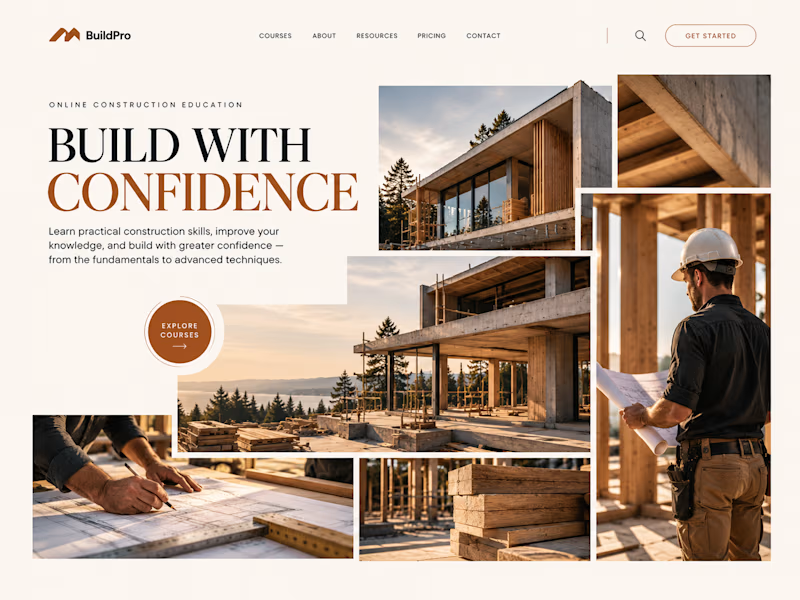
40 voted
69%
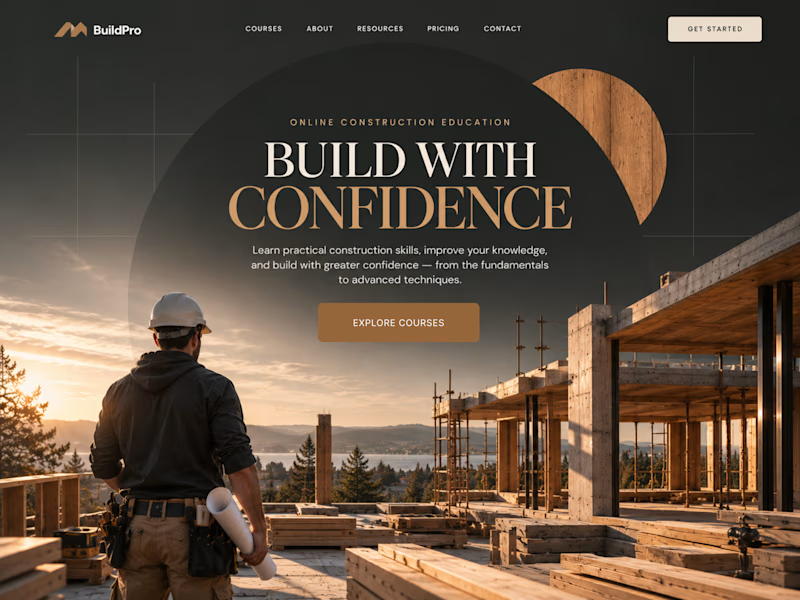
58 votes
Closed

option 2 feels a bit more cinematic, the confident feeling is embedded into the layout!


Officially @Spline - certified. Unofficially, we’ve been 3D-obsessed for years 😉🥇
Feels like the perfect excuse to bring back our interview with the Spline team - 🔗 Link
🎙️ We talked about how we use 3D to make complex B2B products easier to understand, with Elecctro as a real case.
Thank you, Spline, for the badge and for having us 💜
Curious to hear what you think 👇



great work deserves great badges 🏆 congratulations, Lynksen!


