The network for creativity
Join 1.25M professional creatives like you
Connect with clients, get discovered, and run your business 100% commission-free
Creatives on Contra have earned over $150M and we are just getting started
Back to feedPost

I’ve been using Herdr to keep multiple coding-agent sessions in one workspace. Here’s my take so far.
The most useful part is visibility. In my current setup, two Codex sessions sit side by side, while the sidebar makes it easy to see which agent is working and which has finished. I can follow the actual terminal output without jumping between separate windows.
Spaces, tabs and split panes give parallel work some structure. The desktop app also has customizable layouts and themes, so there’s room to adapt the interface to the way you work.
One useful detail in Herdr’s architecture: terminals run in herdr-core, separately from the window. Closing the app is designed to leave them running. A machine reboot is different, so I wouldn’t confuse that with automatic recovery of an unfinished task.
There are trade-offs. It’s still a terminal-heavy experience, and there’s plenty of output to read. A “Done” indicator also doesn’t mean the result has been tested or reviewed. Clear instructions, verification and code review still matter.
My early verdict: worth trying if you regularly juggle several coding agents and want a clearer view of their work.
Credit to Can Celik and the Herdr contributors for building and sharing it as open source.
Explore Herdr: https://herdr.dev/
Source code: https://github.com/herdrdev/herdr-app
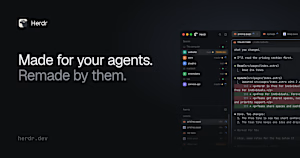
herdr.dev
Herdr: no two look alike
Herdr is a native app for running coding agents. Your agent can change any part of it, from the sidebar to whole new panels. Close it and your agents keep working.
The network for creativity
Join 1.25M professional creatives like you
Connect with clients, get discovered, and run your business 100% commission-free
Creatives on Contra have earned over $150M and we are just getting started



Related posts

The safest AI agent I build is one that asks before it acts.
• A new request starts the run.
• The agent drafts the reply or action.
• The draft goes to Slack or email, and the workflow waits.
• Only approved actions run, and the decision is logged.
Which action would you never let an AI agent take without a check?
Follow for more videos: instagram.com/sellwrightstudio · youtube.com/@sellwrightstudio

Logging each decision is the detail I'd keep: later you can see who approved what. My answer to your question: anything about money or a promise to a customer, like a refund, a price or a delivery date. When nobody answers the Slack message, what does the workflow do: wait forever, or cancel after some time?

New Framer build for an AI studio that makes agents, automations and websites. what will you go with 1 or 2?

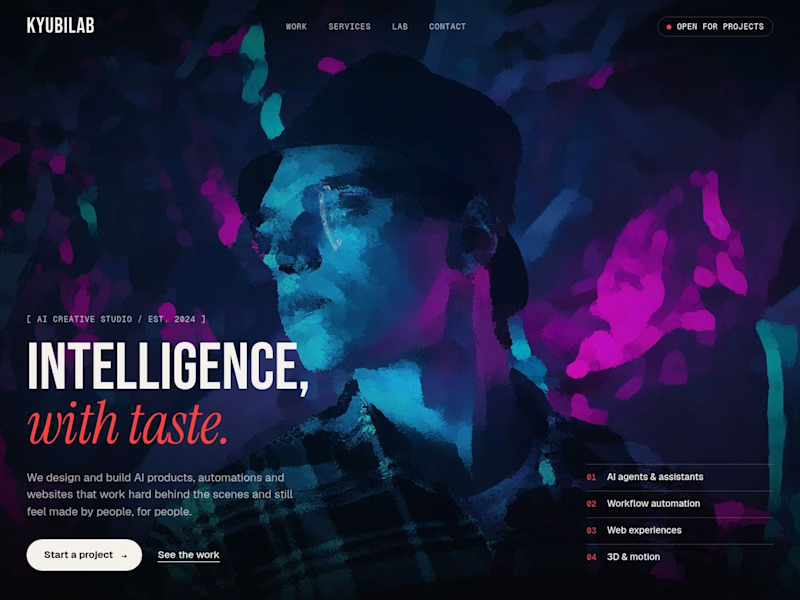
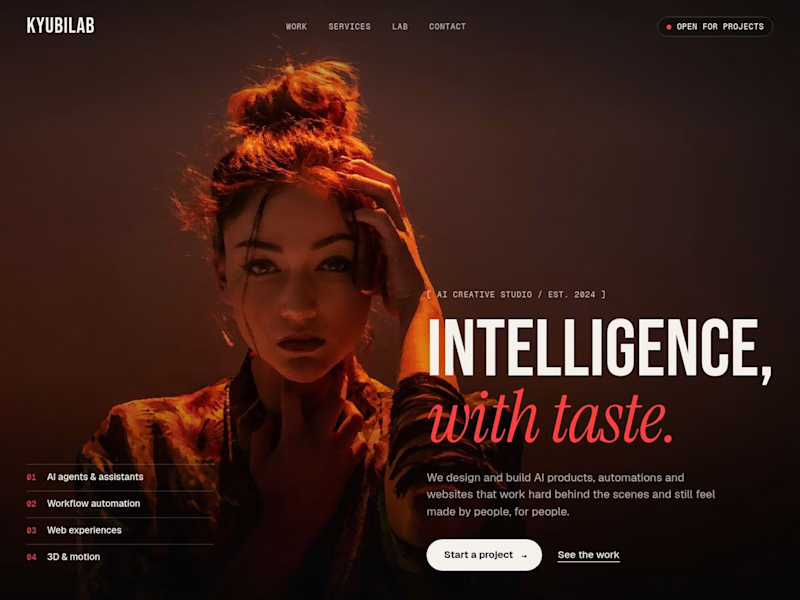
3 votes
Ends in 11h

Clean and confident, well done.

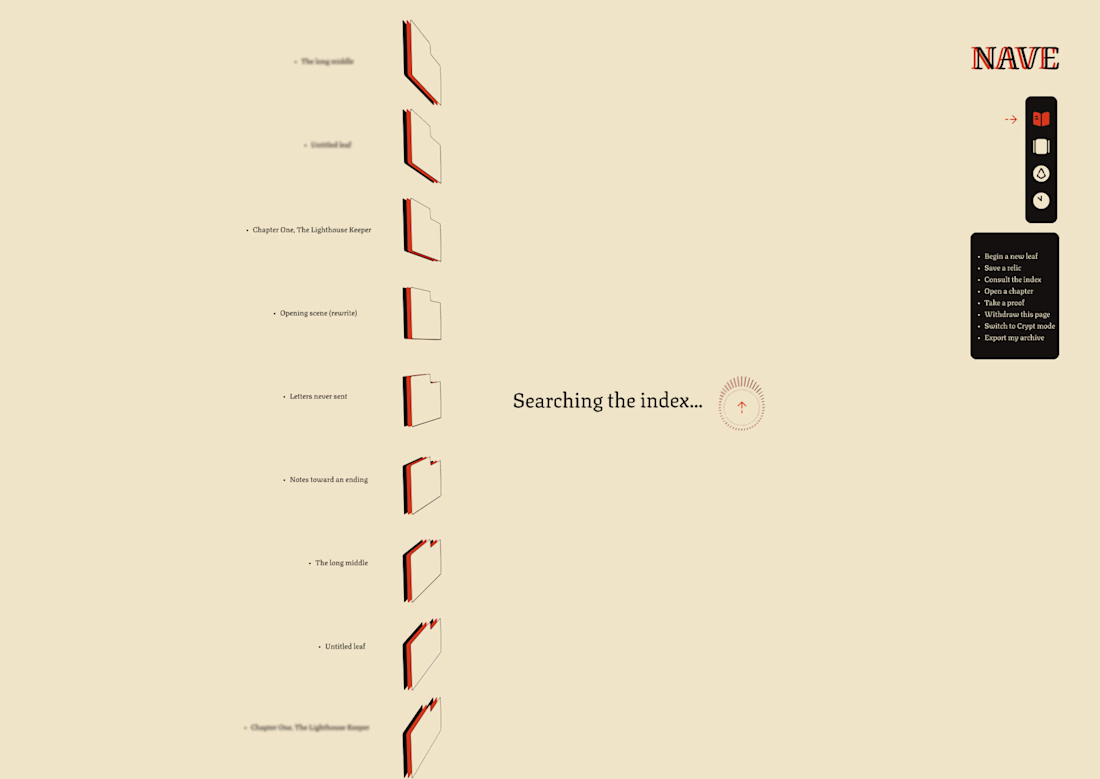
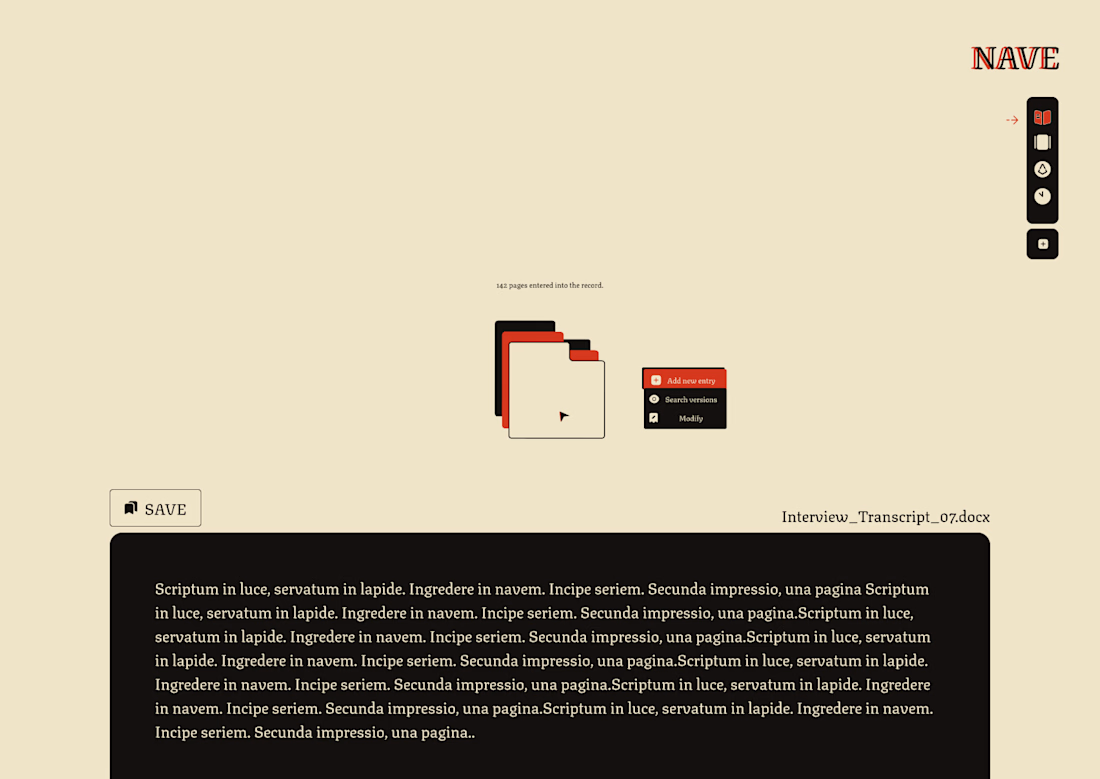
What if your drafts never disappeared?
NAVE prints every revision behind the current one, like a second pass on a press.
See what changed. Bring back what you miss. Keep both.
Out soon
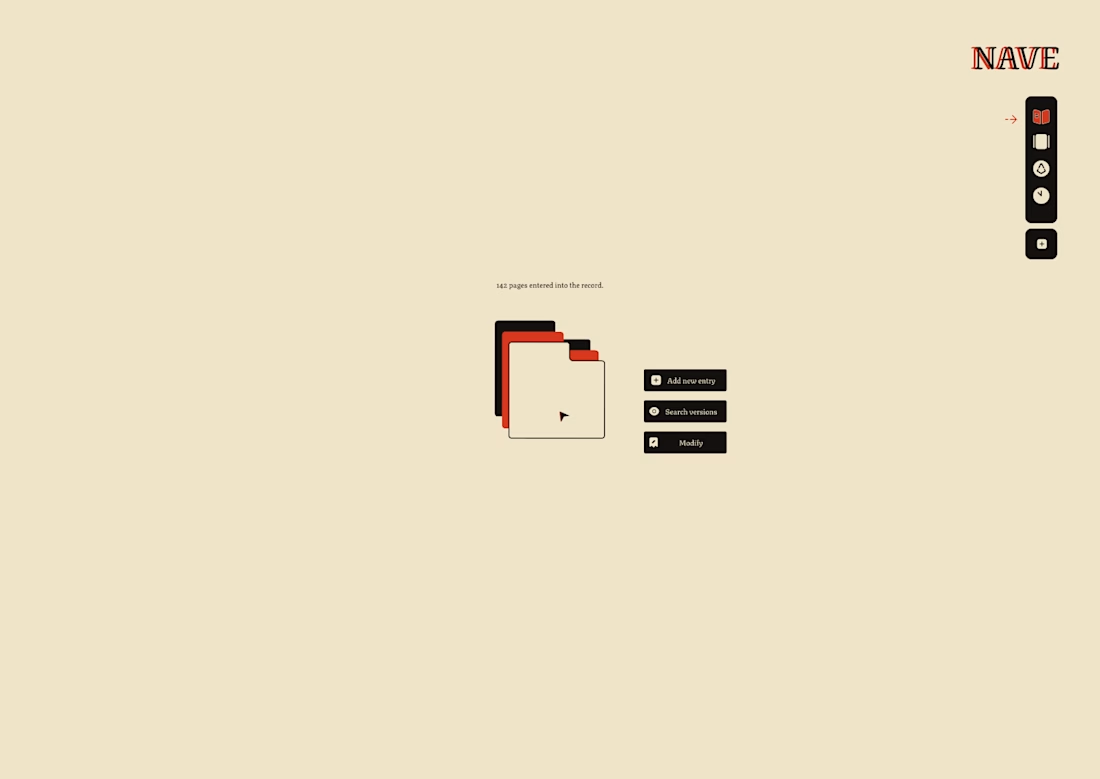

Nice colors