The network for creativity
Join 1.25M professional creatives like you
Connect with clients, get discovered, and run your business 100% commission-free
Creatives on Contra have earned over $150M and we are just getting started
Back to feedPost

*I’ve never really believed that good sales is about convincing someone to buy what you want to sell*
Especially when you work across different markets.
If I’m speaking with a distributor or retailer in a new country, some of my first questions are usually:
How is the market performing?
What sold well last season?
What price points are moving?
Where will the product be sold?
Who is actually buying it?
What is sitting on shelves — and what is disappearing from them?
Because the person sitting across from me probably knows their local market better than I ever will.
I may manage several countries, visit stores, study the numbers, follow trends and understand the category. But there is a difference between knowing a market and living that market every day.
I think international sales requires enough confidence to bring ideas to the table, but also enough humility to listen.
My job is not necessarily to tell a customer what they should buy.
It’s to combine what they know about their market with what I know about the product, the category and other markets — and find the opportunity somewhere in between.
And sometimes that opportunity isn’t even in the obvious sales channel.
The toy industry is a great example.
Today, toys aren’t only for children. Collectibles, licensed products and design-led items can live in specialty stores, kiosks, bookstores, lifestyle spaces, themed cafés or places we might not traditionally consider “toy retail.”
That’s where I think sales gets interesting.
Listen first. Understand the market. Then get creative about where the product belongs.
Because I would rather sell a customer something that moves quickly and makes them come back than convince them once to buy something they’ll eventually have to discount just to get it out of their warehouse.
The first order is good.
- The second one tells you whether you actually did your job well -
Curious: for those working across different markets, how much do you rely on local partners when deciding what will actually sell?

The network for creativity
Join 1.25M professional creatives like you
Connect with clients, get discovered, and run your business 100% commission-free
Creatives on Contra have earned over $150M and we are just getting started
Related posts

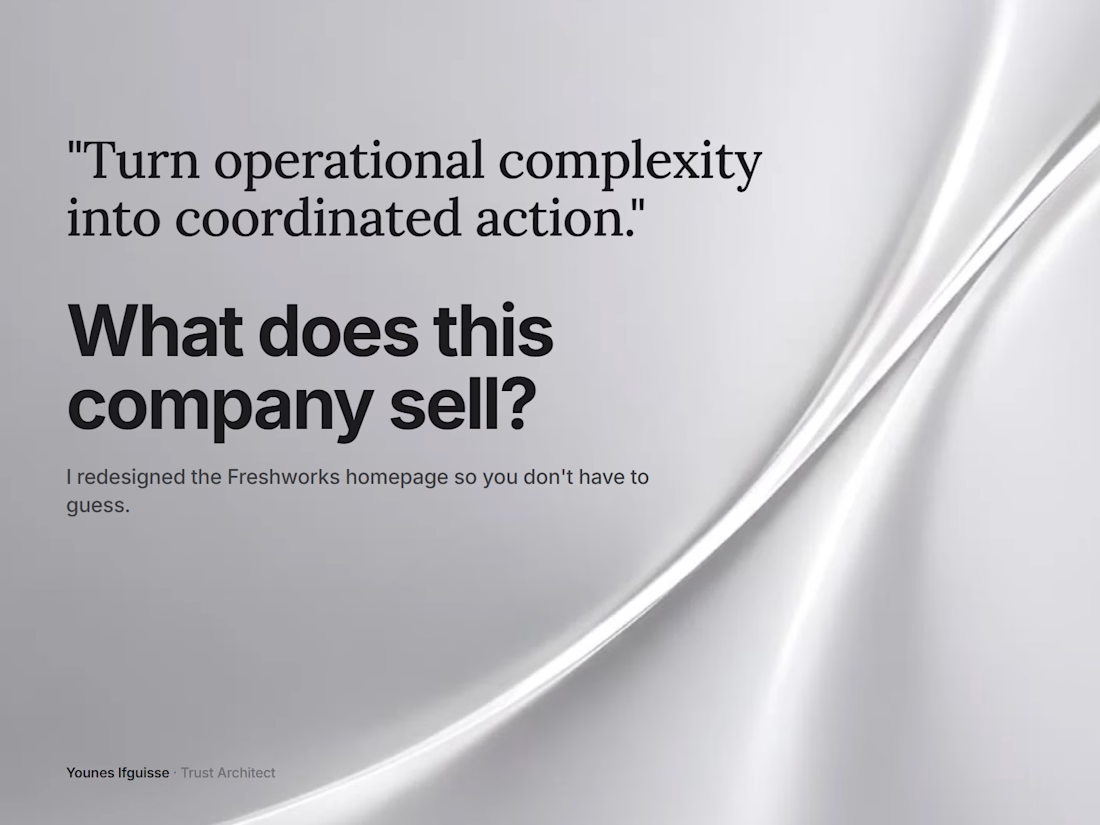
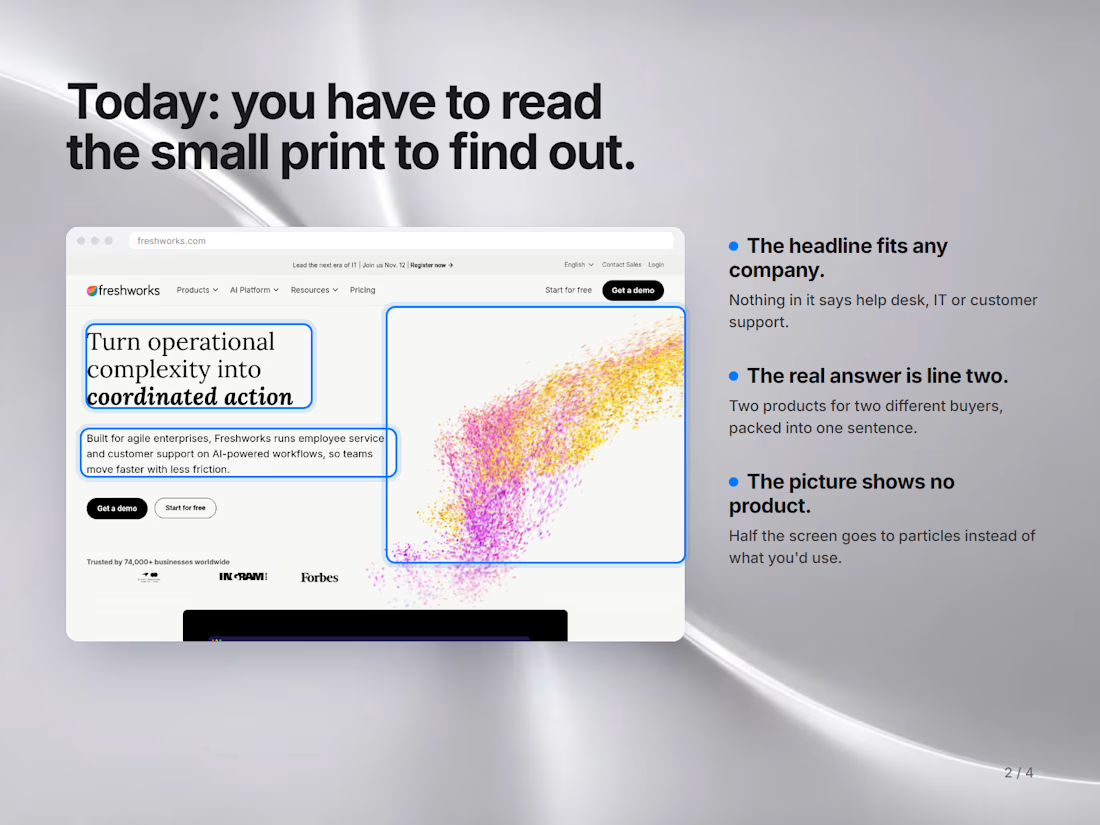
"Turn operational complexity into coordinated action."
That's the headline on Freshworks' homepage. Read it again. Could you tell what they sell?
The real answer is hiding in line two: an IT help desk and customer support software, two products for two very different buyers.
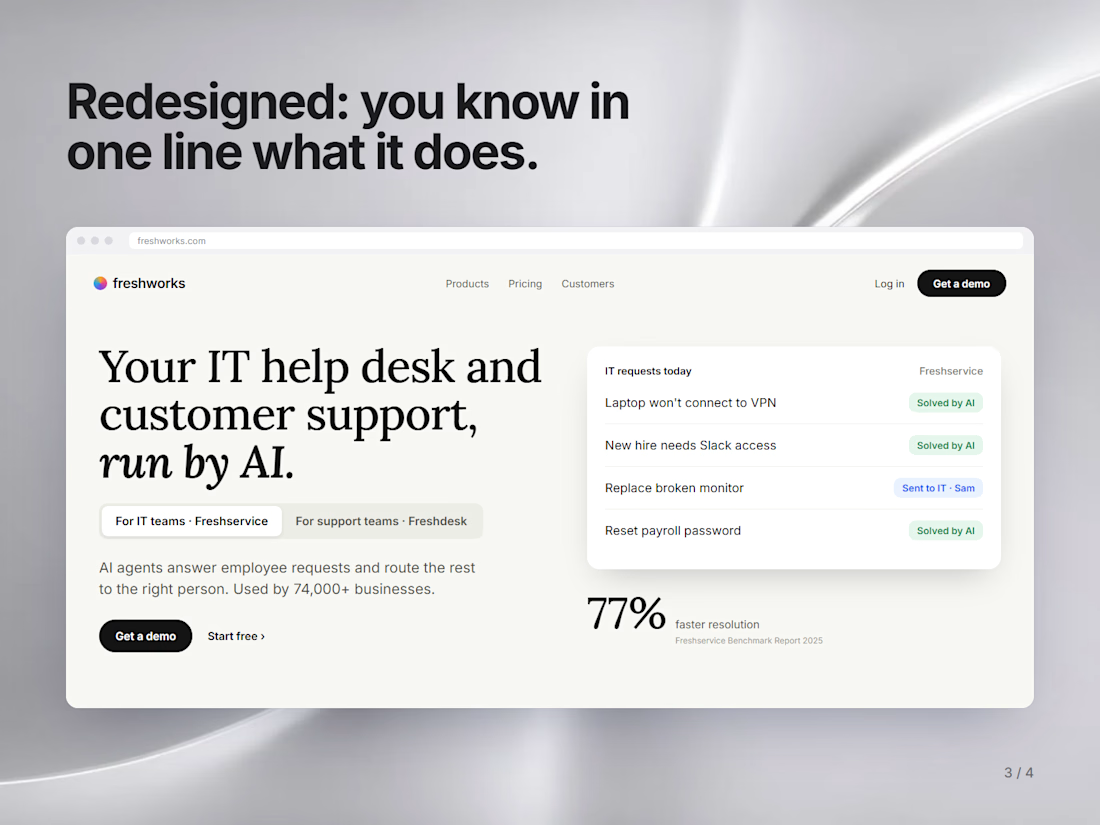
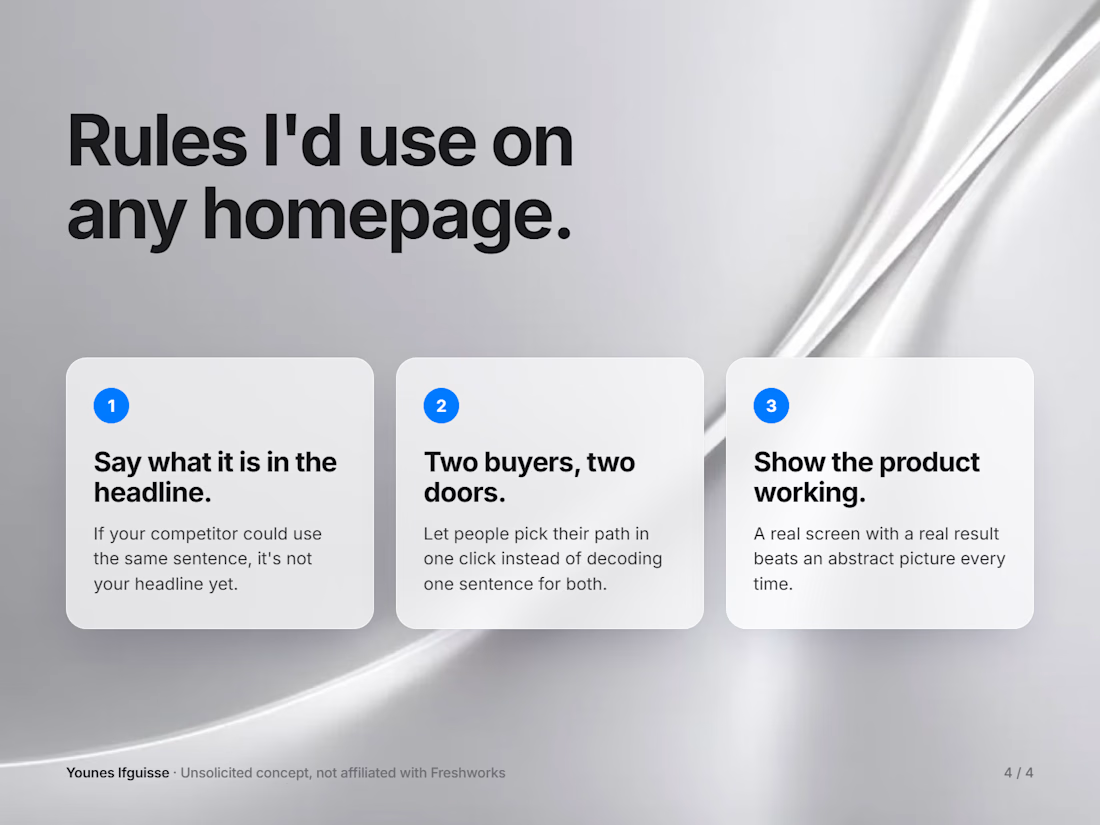
So I redesigned the hero (unsolicited, just for practice):
Say what it is in the headline. If a competitor could use the same sentence, it's not your headline yet.
Two buyers, two doors. IT teams and support teams each get their own path, one click.
Show the product working. A real screen with a real result beats an abstract picture.
Read your own homepage headline out loud. Would a stranger know what you sell?

🚀 Bring Your Products to Life with Stunning AI Product Videos!
Looking for creative, realistic, and visually engaging product videos to showcase your brand?
I create high-quality AI-powered product videos that transform product images and concepts into captivating promotional content.
Whether you're launching a new product, promoting an existing brand, or building your e-commerce business, I can help you create professional videos that capture attention and communicate your product's value.
What I Offer:
AI Product Advertisement Videos
Cinematic Product Animations
Realistic 3D-Style Product Videos
AI Product Demonstrations
E-commerce Promotional Videos
Product Launch & Marketing Videos
Social Media Product Video Ads
Creative Product Storytelling
Why Work With Me?
✔ Creative and customized concepts
✔ Realistic AI-generated visuals
✔ Professional editing and presentation
✔ Brand-focused video content
✔ Content tailored to your marketing goals
Let's turn your product images and ideas into engaging visual experiences!
Have a product in mind? Let's create something amazing together.
DM me to discuss your project!
#AIProductVideo #ProductAnimation #AIVideoCreation #ProductAdvertising #3DProductAnimation #EcommerceMarketing #ProductCommercial #VideoProduction #AIVideoAds #ContraFreelancer


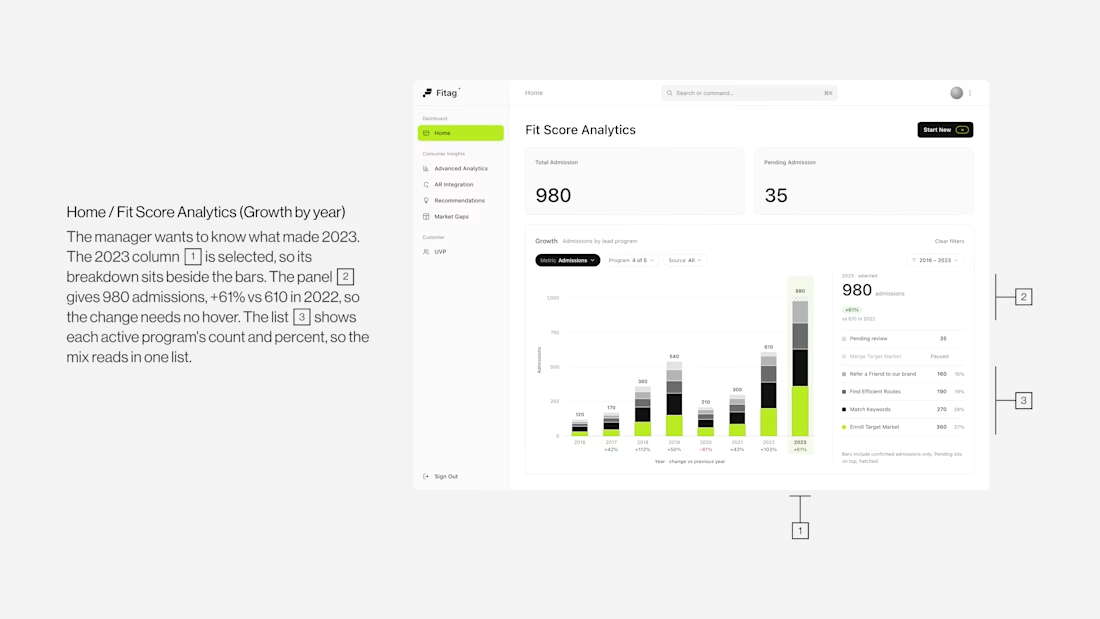
Software design is a lot like sales… // Micro case study
You don’t win at sales by selling every feature you app offers. You win by speaking to the users specific needs, and removing everything else.