The network for creativity
Join 1.25M professional creatives like you
Connect with clients, get discovered, and run your business 100% commission-free
Creatives on Contra have earned over $150M and we are just getting started
Back to feedPost

SOMETIMES, A BUSINESS DOESN'T NEED ANOTHER STAFF MEMBER. IT NEEDS A BETTER SYSTEM
Recently, we received an enquiry from a business prospect looking to solve some of the administrative challenges affecting their property management operations.
Initially, the conversation was about building an ERP solution.
But as we continued communicating, asking questions, and understanding how their business operates, we discovered something more important.
The real problem wasn't simply the absence of software.
It was the amount of manual work involved in managing everyday administrative operations.
Think about things like:
Managing new tenancy agreements and tenant move-ins.
Tracking lease expiration dates and renewal reminders.
Processing landlord remittance requests and approval workflows.
Keeping property owners and managers updated.
Maintaining accurate records and reducing administrative bottlenecks.
Imagine handling all these processes manually while managing multiple properties and clients.
Mistakes happen.
Important reminders get missed.
Approvals become delayed.
Records become difficult to track.
And eventually, business growth becomes another administrative headache.
This is why we believe software development should always begin with communication, not coding.
Before writing a single line of code, we need to understand:
• How does the business currently operate?
• Where are the biggest operational bottlenecks?
• Which processes need automation?
• Who needs access to the system?
• What should management be able to monitor?
With that understanding, we can design an ERP solution with dedicated access for property owners and managers, automated workflows, centralized records, and better operational visibility.
The goal isn't just to deliver software.
The goal is to eliminate unnecessary administrative stress and give business owners more control over their operations.
At Zeecomedia, we build custom software, ERP solutions, and business automation systems around the actual problems businesses face.
Are you still managing your business operations with spreadsheets, WhatsApp messages, and endless manual follow-ups?
Let's talk.
Visit https://www.zeecomedia.net and tell us about your administrative challenges.


The network for creativity
Join 1.25M professional creatives like you
Connect with clients, get discovered, and run your business 100% commission-free
Creatives on Contra have earned over $150M and we are just getting started



Related posts

Not every redesign needs to start with a redesign.
Quite often, clients come to me with an existing product, MVP, or website and pretty much the same concern:
“We know something isn’t working, but we’re not exactly sure what”
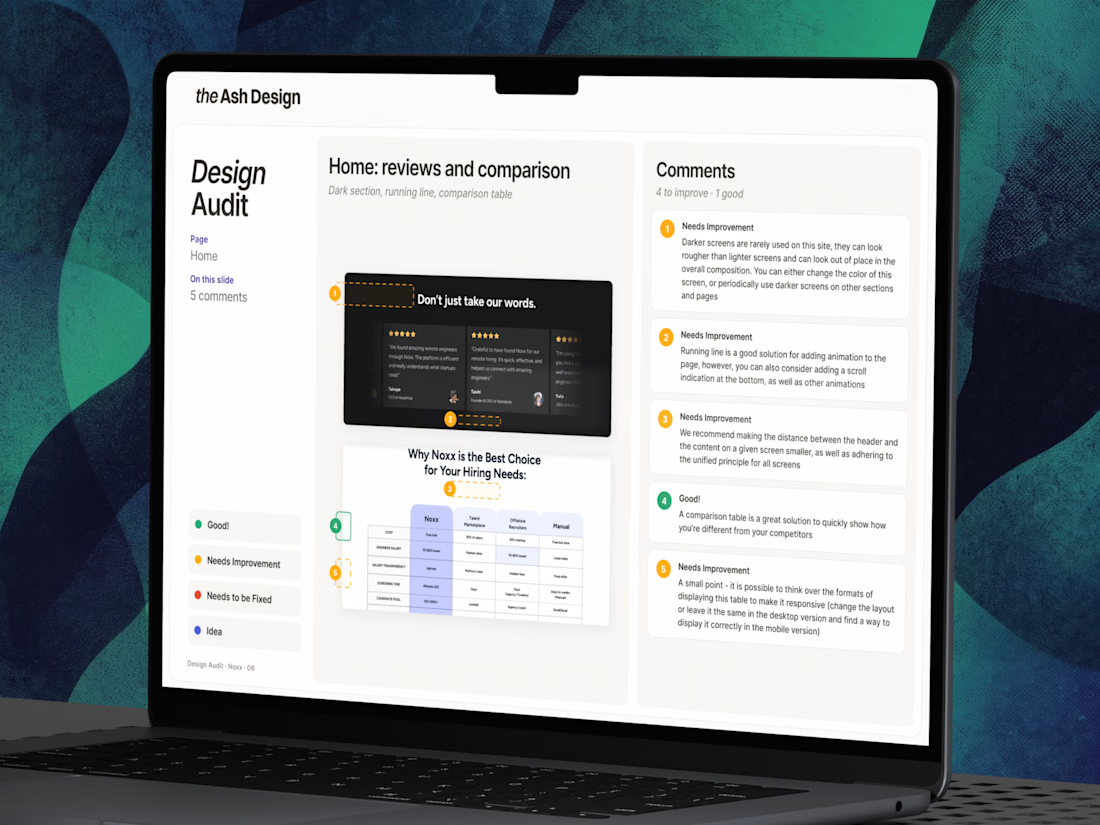
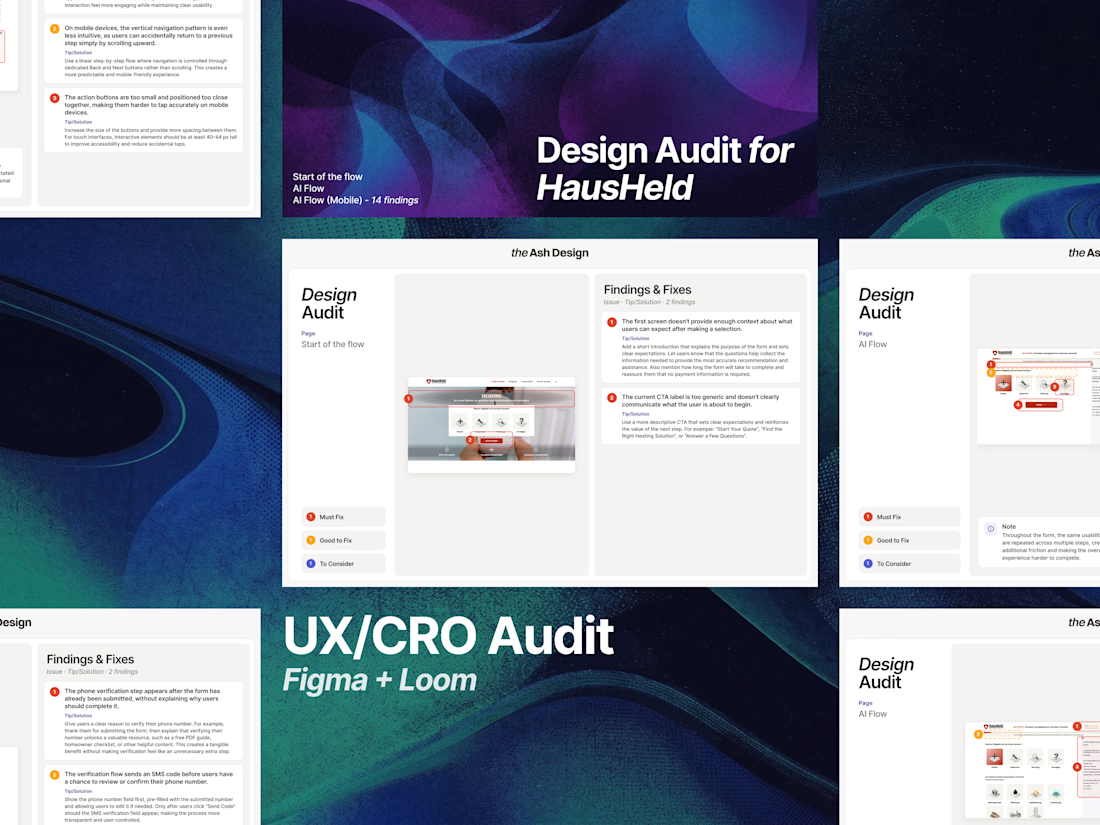
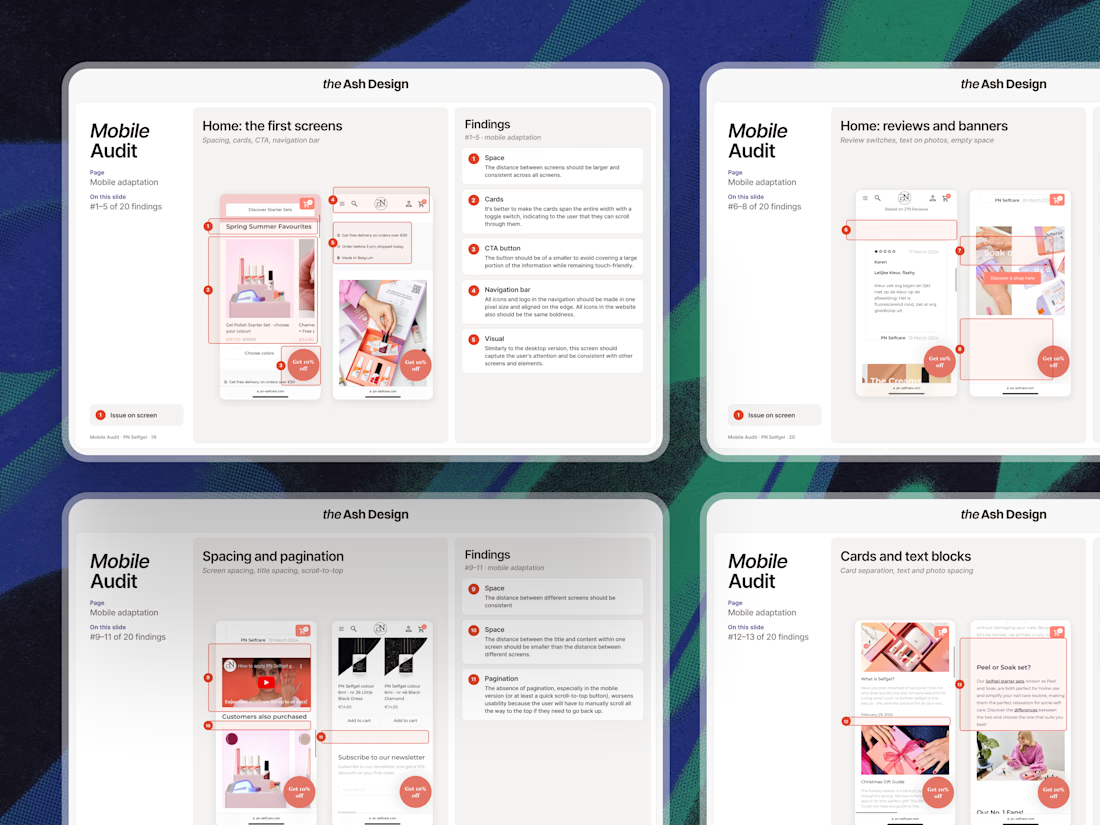
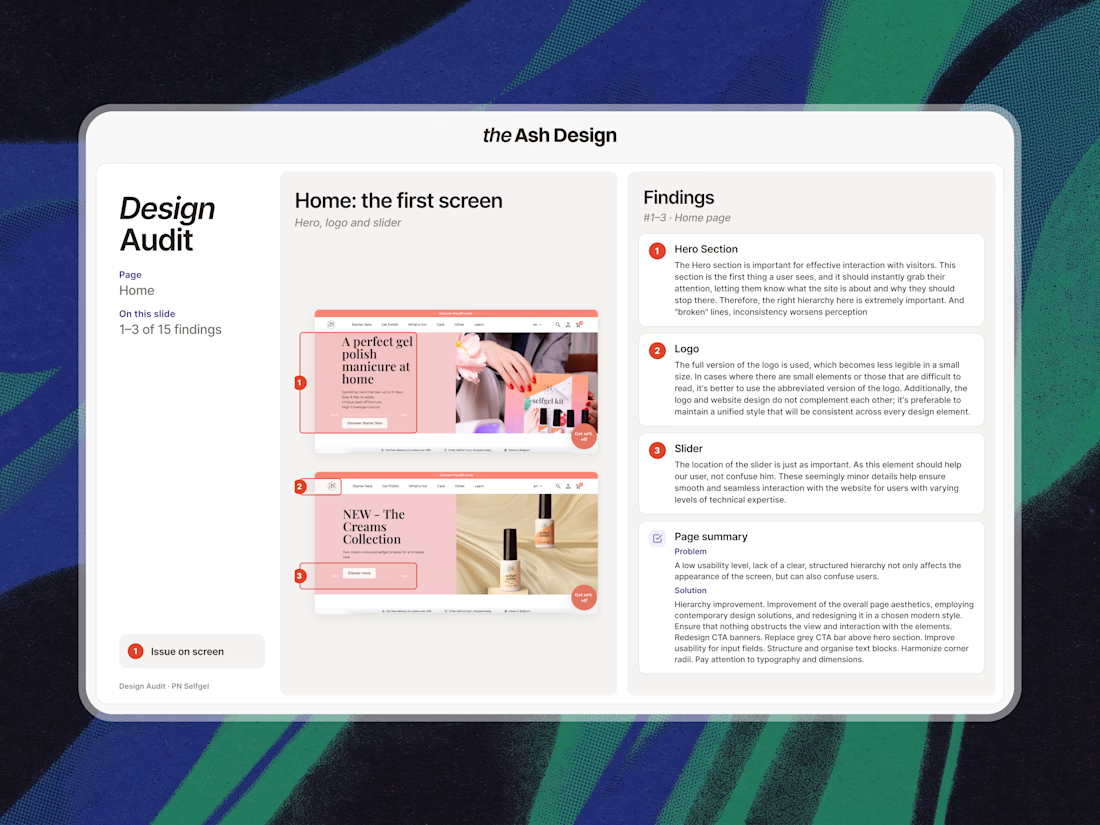
And in cases like this, I almost always suggest starting with an audit.
It doesn’t have to be a huge 30-page document. It really depends on what the product needs. Sometimes it’s a full product or website audit. Sometimes it’s a quick landing page review, a deep dive into a specific flow, or simply looking at where users are dropping off and why.
What I like about starting with an audit is that it quickly turns “we need to improve something” into a clear list of actual problems, hypotheses, and next steps.
From there, everything gets easier. We know what’s actually worth changing, what the scope looks like, and what should come first. And if there’s a lot to improve, we can prioritize it and break the work into manageable iterations.
It also means much less back and forth once we get into design, because we’re not trying to figure out the core problems along the way.
So if you already have a working product or website but aren’t quite sure where to start improving it, you might not need a redesign just yet.
You might need a good audit first.
And if you need a fresh pair of eyes on your product, website, or a specific flow - feel free to DM me!


I checked 22 property manager websites on the Delmarva coast this week. 21 show no fees on their owner or services pages, and none show an owner what they would keep.
That is the first question an owner asks before signing with a manager.
So I built Keyledger, a Framer template for designers with a property manager client. Owners type the rent and the months a home might sit empty and see every fee and the net, line by line.
Click through the live demo before you spend anything.
https://www.framer.com/marketplace/templates/keyledger/


looks trustworthy

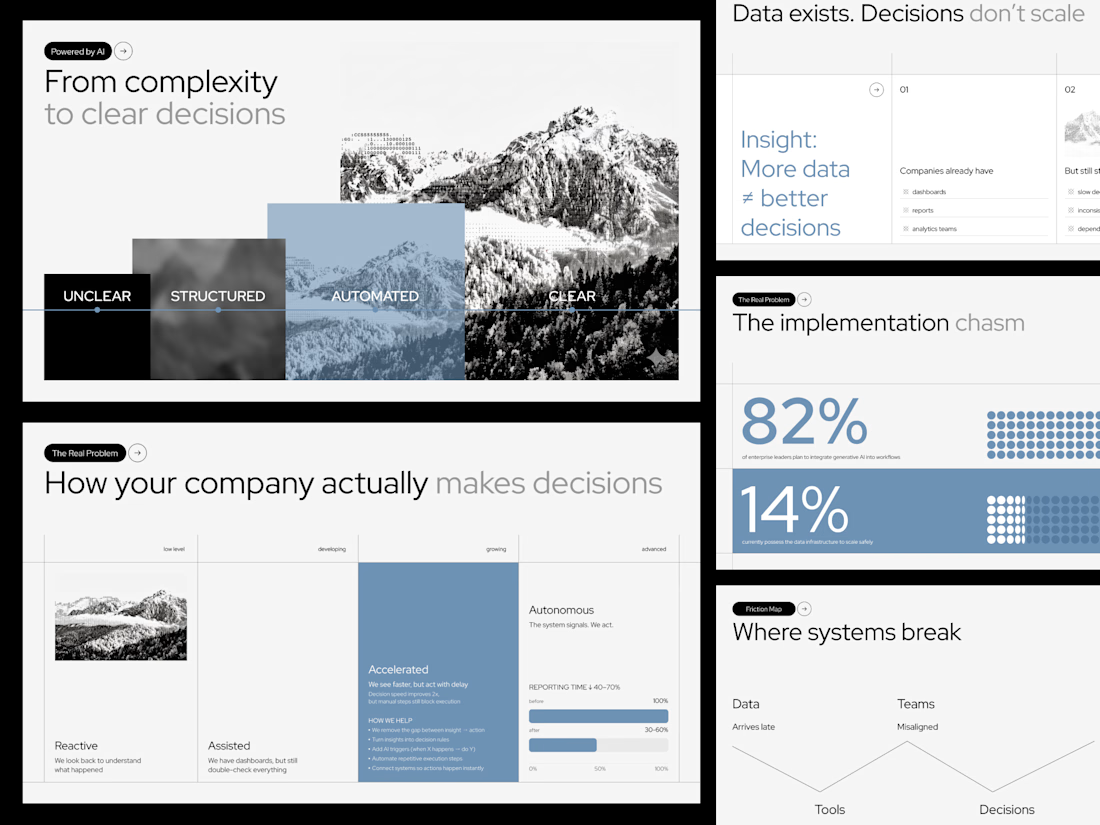
In the mountains, not seeing the road ahead is dangerous, and business works much the same way. This concept deck for an AI consulting firm shows clarity arriving step by step, from black fog to a sharp peak. What does clarity look like in your work?

Very nice 👍🏻