The network for creativity
Join 1.25M professional creatives like you
Connect with clients, get discovered, and run your business 100% commission-free
Creatives on Contra have earned over $150M and we are just getting started
Back to feedPost

Financial Mistakes — The Silent Habits That Hold You Back
We often tell ourselves the problem is low income.
But if we’re honest… it’s usually not about how much we earn — it’s about how we manage it.
Money comes in, but it doesn’t stay.
And that’s exactly where most people lose the game… without even realizing it.
Here are some hard truths worth reflecting on:
Spending Before Earning
The moment income arrives, lifestyle upgrades begin — a new phone, better clothes, dining out.
And by the end of the month?
Zero balance, stress, and borrowing from others.
Rule: Save first, spend later.
Taking Debt Without Thinking
Installments feel easy… but they quietly trap you.
Car, phone, unnecessary purchases —
In the end, you don’t own things… things own you.
Delaying Savings & Investment
“Not now… maybe later.”
But that “later” rarely comes.
Time passes, opportunities fade… and nothing changes.
Relying on a Single Income Source
If your life depends on one income stream, it’s not stability — it’s risk.
One disruption… and everything shakes.
Strong people always build backups.
Spending to Impress Others
Trying to impress others always comes at your own cost.
Everything may look perfect on the outside…
But internally, the numbers don’t add up.
Remember: Respect comes from stability, not show-off.
Expecting Income Without Skills
Everyone wants to earn more…
But not everyone is willing to grow.
Income is always tied to value.
The more you learn, the more you earn.
Final Thought:
Earning money is not the hardest part — managing it is.
The ones who master this… are the ones who move ahead.
Now ask yourself honestly:
Which of these mistakes still exists in your life?
Because change begins the moment you accept the truth…
and decide to act.
#FinancialMistakes #MoneyManagement #WealthMindset #SmartSpending #FinancialFreedom #IncomeGrowth #InvestSmart #Budgeting #PassiveIncome #SuccessMindset
The network for creativity
Join 1.25M professional creatives like you
Connect with clients, get discovered, and run your business 100% commission-free
Creatives on Contra have earned over $150M and we are just getting started
Related posts

That's amazing! Huge congrats! 🎉 It's always inspiring to see hard work paying off. Wishing you even more growth and exciting opportunities ahead!

Feels like I joined Contra just yesterday - and today I'm in the top 1% of creatives. Pretty wild.
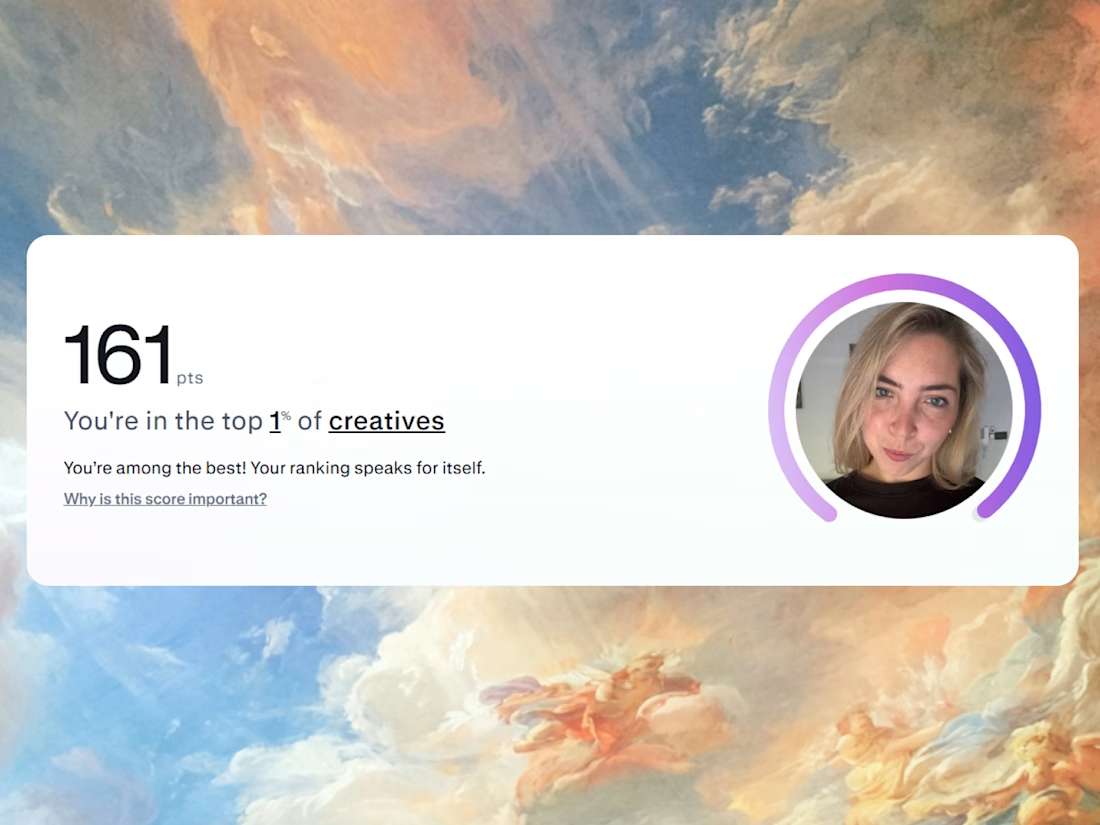

Sometimes, all it takes is one opportunity to remind you that your efforts are not in vain. ❤️


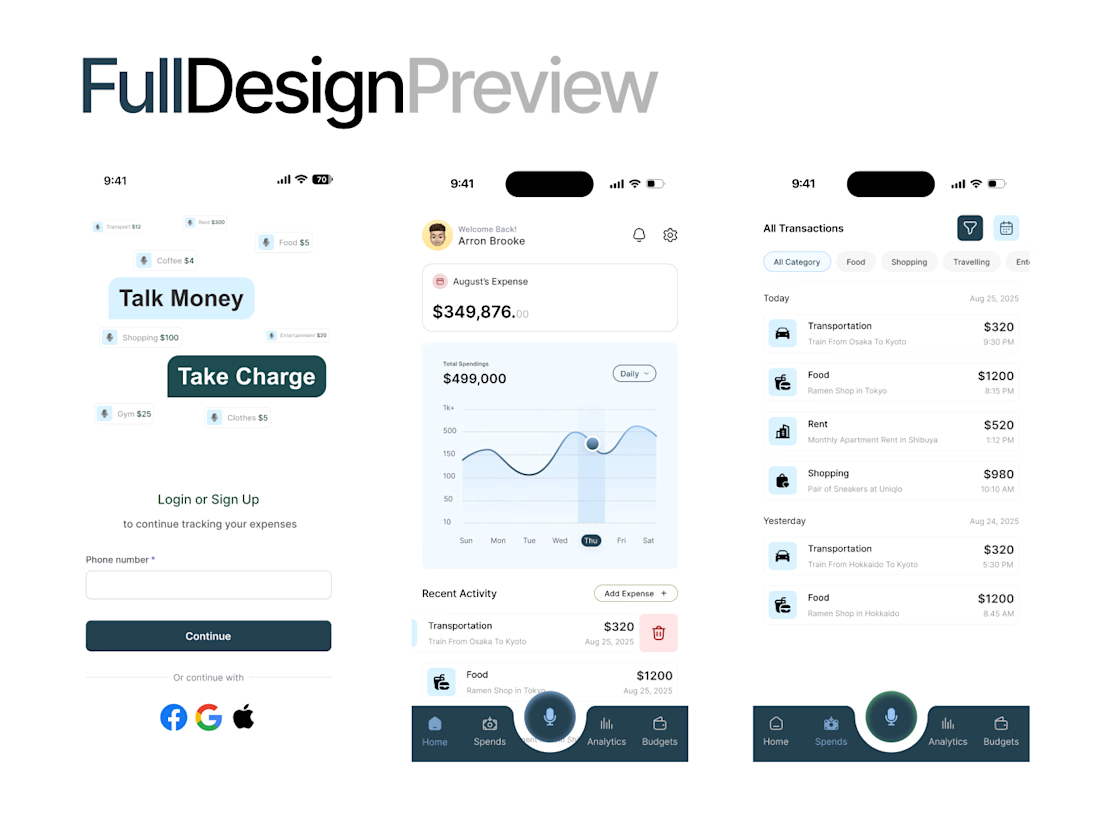
What if your money could actually talk back? 👀💸
Meet Moneytalk AI, a smarter way to explore your finances with AI, clean visuals, and intuitive design.
Let's break down the experience! 🧵
#FintechDesign #AIDesign #UIUX #MobileAppDesign #DesignTwitter
(1/5)
Less financial stress. More clarity. ✨
A clean dashboard, easy-to-read spending charts, and organized transactions make tracking your money feel effortless.
Because good UX should make life easier, not more complicated.
(2/5)