The network for creativity
Join 1.25M professional creatives like you
Connect with clients, get discovered, and run your business 100% commission-free
Creatives on Contra have earned over $150M and we are just getting started
Back to feedPost



The network for creativity
Join 1.25M professional creatives like you
Connect with clients, get discovered, and run your business 100% commission-free
Creatives on Contra have earned over $150M and we are just getting started



Related posts

Services section for an upcoming website project. Which side are you on?

2 voted
25%
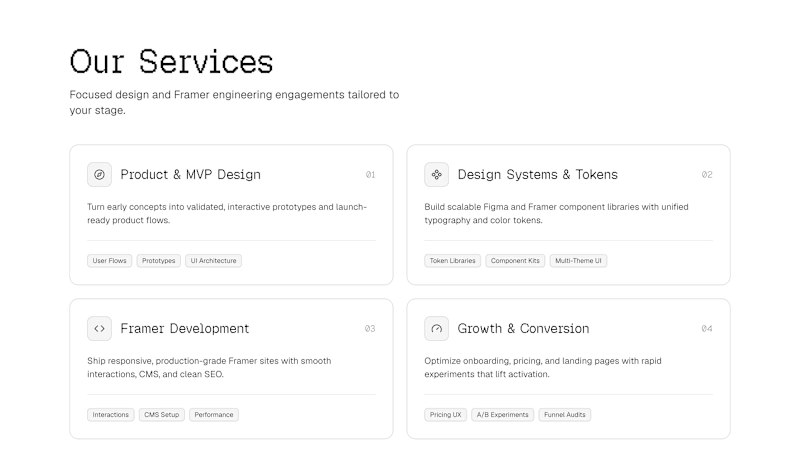
6 voted
75%
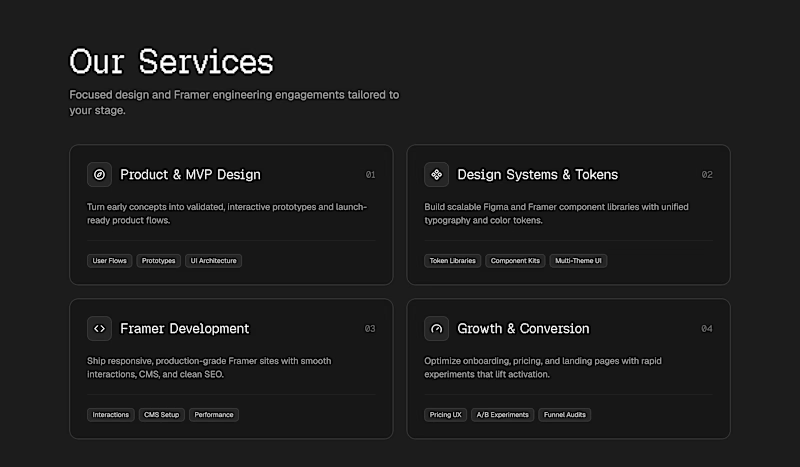
8 votes
Closed

Strong visual hierarchy, great job.

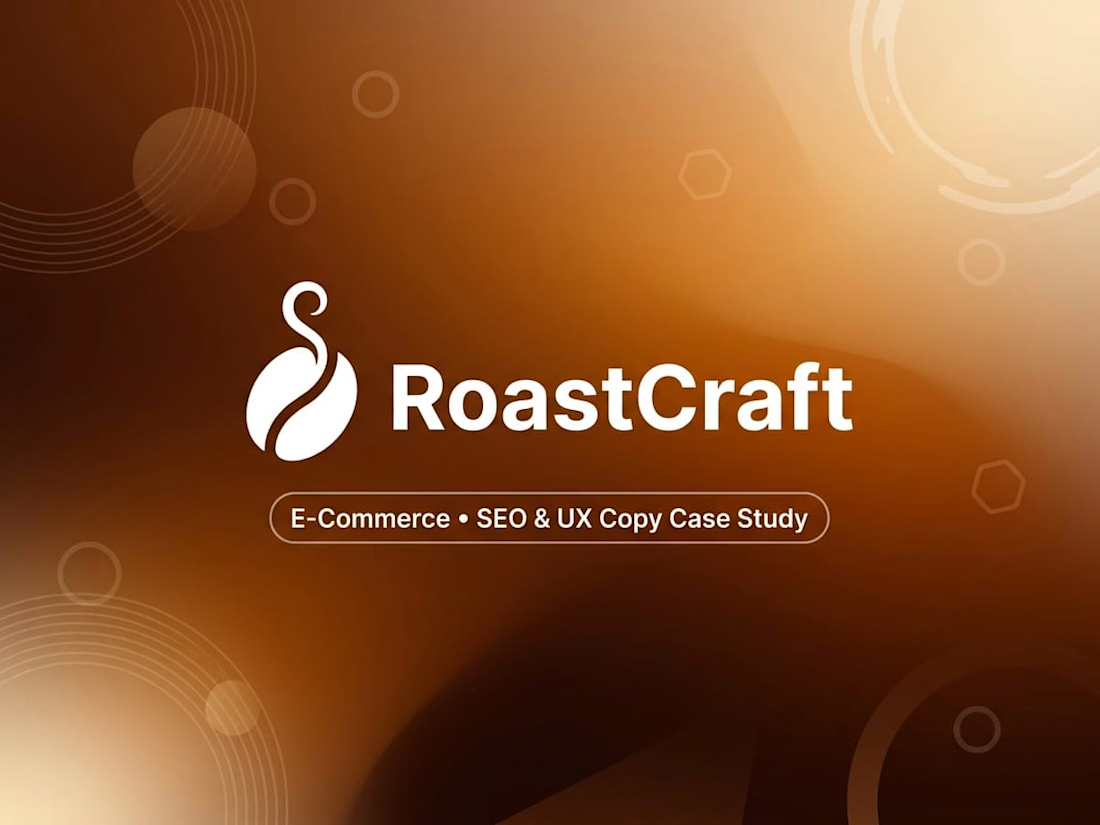
New E-Commerce Conversion & UX Copy case study live on my profile! ☕️
Specialty coffee brands often lose everyday buyers in two spots: pretentious tasting-note jargon on the product page, and subscription anxiety right before checkout.
For this self-initiated RoastCraft concept, I rewrote the path from product discovery to express checkout:
• Plain-English Flavor Copy: Swapped complex wine-style notes for clear sensory cues ("Milk Chocolate • Toasted Hazelnut • Zero Bitterness").
• Friction-Free Subscriptions: Added transparent microcopy right inside the selector ("Skip, pause, or cancel in one click — no emails required").
• Slide-Out Cart UX: Paired a dynamic free-shipping progress bar with exact roast/ship dates to lift AOV and prevent cart abandonment.
Take a look at the full breakdown on my profile and let me know if you're team Whole Bean or Espresso! 👇

This is a quick look at how an MCP workflow handles a request from start to finish.
When a prompt comes in, the MCP host and client check the server for available tools and pass those options along to the LLM.
Once the model picks the right tool for the job, the client runs the call across your code repo, database, or API, pulls in the context, and sends it back so the LLM can generate the final output.
It makes connecting an AI model to multiple tools much simpler than setting up separate custom integrations for each one.

Clear walkthrough. One detail worth adding for anyone building the server side: the tool descriptions are basically the prompt. When I build MCP servers in Go, rewriting a vague description like "get data" into "get orders by status and date range, max 50" fixed more wrong tool...