The network for creativity
Join 1.25M professional creatives like you
Connect with clients, get discovered, and run your business 100% commission-free
Creatives on Contra have earned over $150M and we are just getting started
Back to feedPost

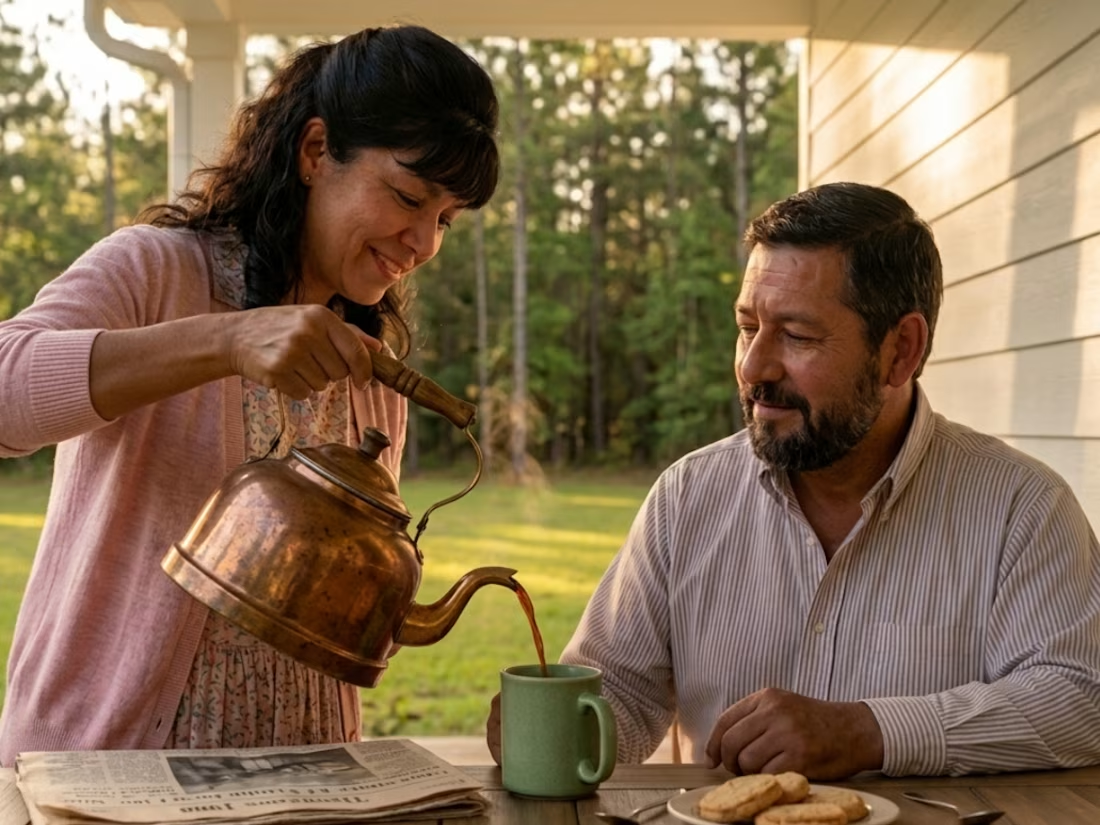
Most AI commercials fall apart after five seconds. Faces drift. The lighting breaks on the very next cut.
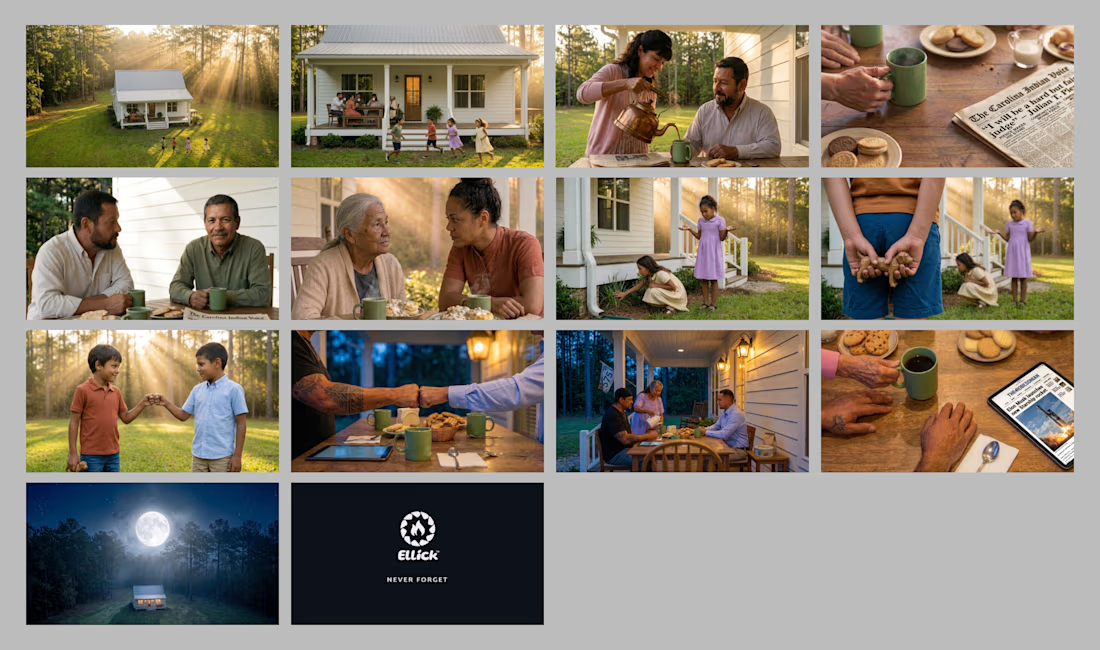
When I directed this 1-minute brand film for Ellick Coffee, I spent the first two days without generating a single video clip. I built nine multi-angle character sheets for the cast and eleven lighting plates of the same farmhouse porch, going from early morning sun to moonlight.
Once those anchors were locked, animating the shots got predictable. I edited and graded the final piece in DaVinci Resolve so the pacing could sit on natural pauses rather than hiding glitches behind fast cuts.
The full breakdown and sheets are up on my profile.
The network for creativity
Join 1.25M professional creatives like you
Connect with clients, get discovered, and run your business 100% commission-free
Creatives on Contra have earned over $150M and we are just getting started



Related posts

With all the AI video challenges popping up on Contra lately, here’s the part I keep learning: making more options is easy. Choosing what stays is the actual creative work 😅
On this short motion graphics piece for TroviqAI, I used movement to make a marketing workflow easier to follow. The goal wasn’t to make every frame shout “look, an effect!” (tempting, though). It was to help the idea land.
The project is here: https://girishfolio.me/work/ai-video/
What makes you stick with a short video—the opening line, the pacing, or one visual that catches you?
girishfolio.me
ai & video — my files
Generated footage, cut and directed.

This nails the part most people miss — the movement does the explaining, not the copy. And the line about direction being what stays out is spot on; generating is easy, choosing is the craft.

I had 10 minutes to make a film. Live on stage. From a brief I'd never seen.
That's the AI Creative Challenge by The One Club and Google: eight AI creators, knockout rounds, a secret brief spun on a wheel, and a finished film playing at the buzzer.
I won the Sydney heat. Next: the Grand Finale in New York.
This is my quarter-final film: a claymation hermit crab doing the Sydney commute. In the next two posts I'll show you exactly how I made it, step by step.
Part 1 of 3. Next: how a rock pool became a clay Sydney.

love this!

Tried something new: a 25-second AI perfume ad for a fictional brand called LUNE.
The idea was to sell a feeling instead of a product: the moment a woman walks in and time stops around her.
I spent a lot of time on the small details: the frozen-time effect, her hair and walk, keeping the LUNE label readable, and the music and voice-over.
It's a sample, so it's definitely not perfect.
Can you spot any mistakes or anything that looks off? Tell me below, I'd love honest feedback.

Selling a feeling instead of a product is the right call! The frozen-time idea is strong. Did you get her walk in one take, or cut it from a few?