The network for creativity
Join 1.25M professional creatives like you
Connect with clients, get discovered, and run your business 100% commission-free
Creatives on Contra have earned over $150M and we are just getting started
Back to feedPost

One of the best ways to retain your customers is by building trust through various forms of guarantees. One approach is offering loyalty points or credits that can be exchanged or used as real currency on the platform. This sparks the customer's curiosity, encouraging them to stay active and engaged in order to earn those rewards. Second, it acts as a safety net: if a customer isn't well served, they can claim a gift or compensation that clearly shows we care about them and that the issue was simply a misunderstanding.

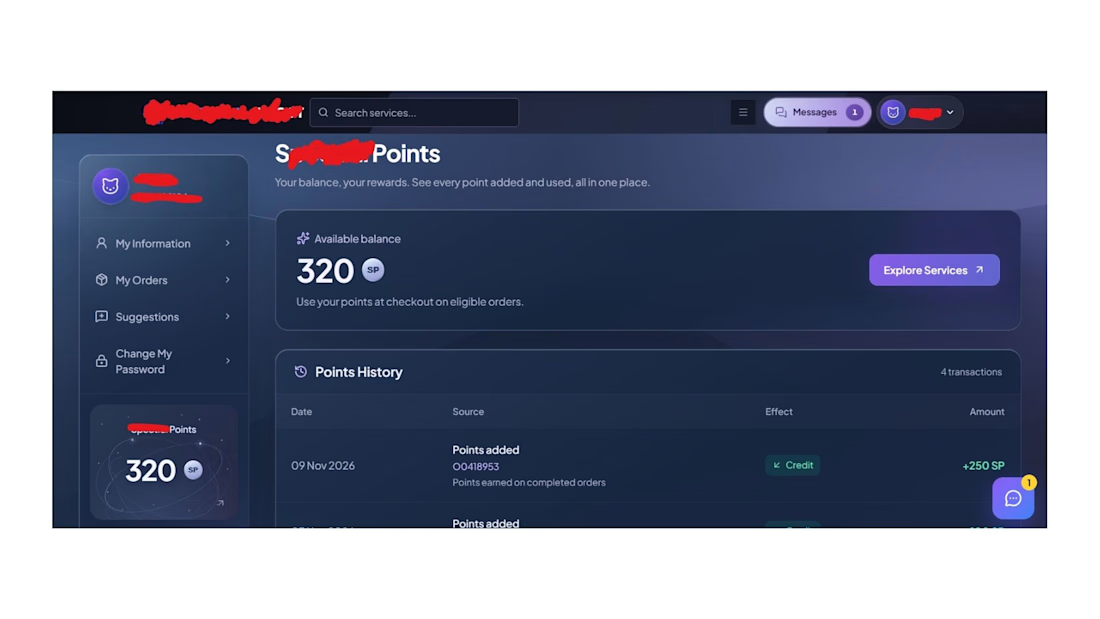


do the credits ever get gamed? curious how you cap them
The network for creativity
Join 1.25M professional creatives like you
Connect with clients, get discovered, and run your business 100% commission-free
Creatives on Contra have earned over $150M and we are just getting started



Related posts

TrustLayer – Scam Checker Mobile App Design
A clear, easy-to-use mobile app that helps people check any message, payment, invoice or voice note in seconds, see why it looks risky, and know exactly what to do next.
Is that message legit? Check before you trust.
We design and develop:
Websites | Mobile Apps | SaaS | Dashboards | Branding | Development

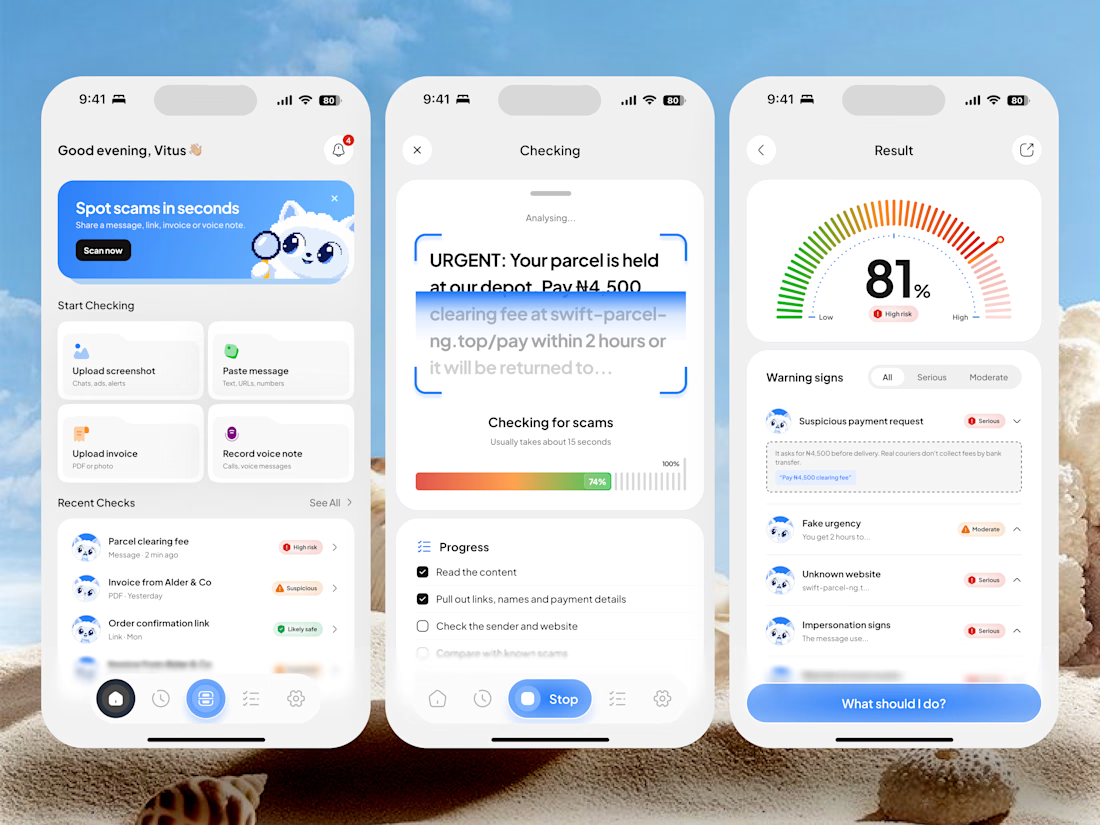

Good focus on next steps.

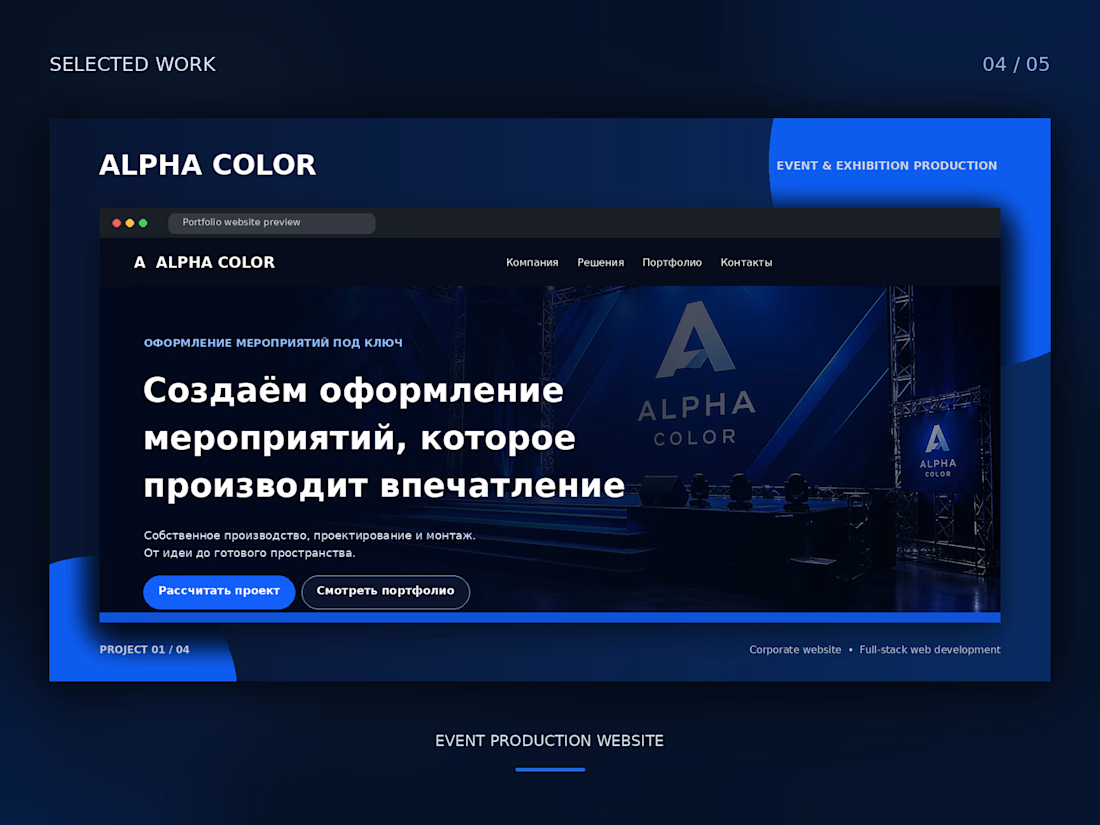
Developed a custom corporate website for an event production and creative services company.
The platform showcases event solutions, production capabilities, completed projects, and professional services through a modern dark-themed interface.
Implemented multiple service and portfolio pages, interactive elements, responsive navigation, and customer inquiry forms with server-side processing.
Built with PHP, HTML5, CSS3, and JavaScript, with a focus on responsive design, structured content, and a consistent visual identity.



Project update: a safer way to move cards to "Paid" in a CRM
For a financial advisory firm, I built a feature in GoHighLevel that makes paying referral partners faster and harder to get wrong.
What it does: when a card is dragged to Paid, the system finds every other card due for the same partner and shows a checklist. The assistant ticks the cards to pay together and confirms once. With a single card, it asks a simple confirmation instead.
How I made it reliable: a small backend on Vercel re-checks every card before moving it (same partner, still due, only into Paid). A failed card is named in a message while the others still move. If the list can't be loaded, the plain question is asked, so nothing moves silently.
What I did: designed the flow, wrote the browser script and the backend, and tested the cases that go wrong, not only the happy path.
Tools: GoHighLevel, JavaScript, Node.js, Vercel, GitHub.:


Re-checking every card on the backend before it moves, instead of trusting what the browser sent, is the step most CRM automations skip. How does it behave if two assistants open the Paid checklist for the same partner at the same time?