The network for creativity
Join 1.25M professional creatives like you
Connect with clients, get discovered, and run your business 100% commission-free
Creatives on Contra have earned over $150M and we are just getting started
Back to feedPost

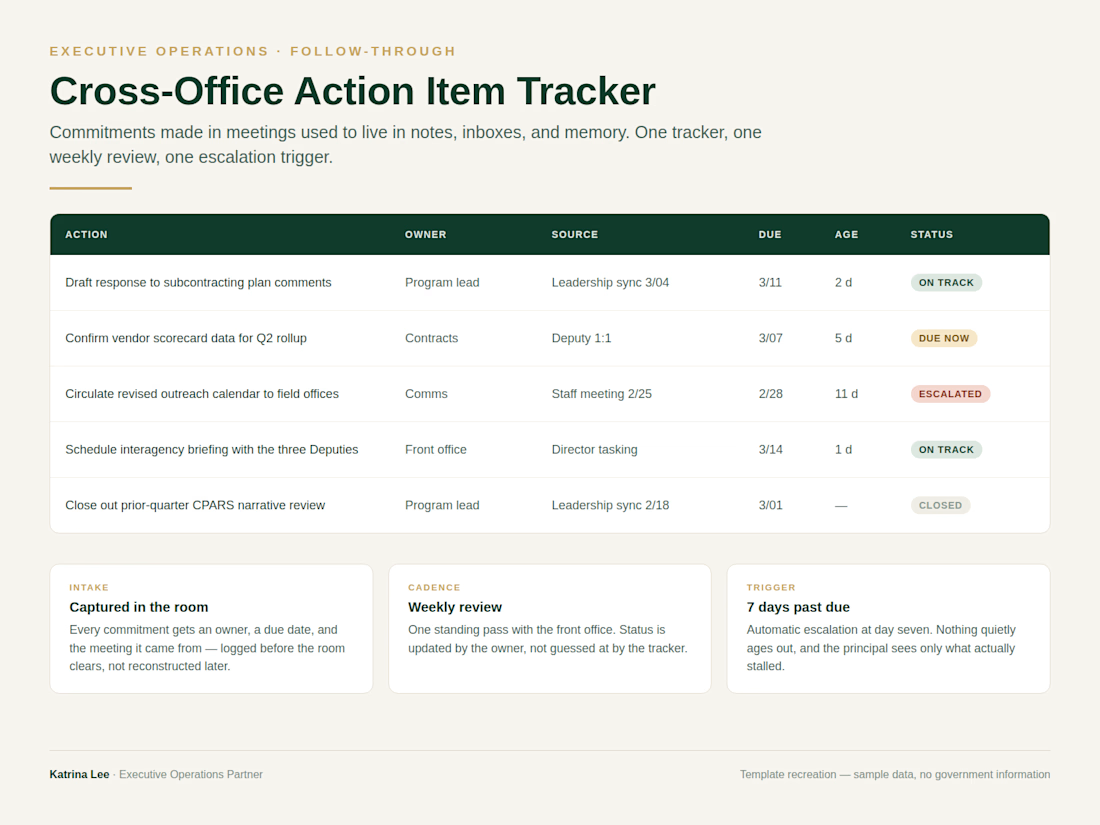
Commitments made in meetings used to live in three places: someone's notes, someone's inbox, and someone's memory.
So I built one tracker. Every action item gets an owner, a due date, and the meeting it came from, captured before the room clears rather than reconstructed later. One weekly review pass. Automatic escalation at seven days past due.
The point wasn't the spreadsheet. It was that follow-through stopped being something people assumed and started being something you could see.
Illustrative recreation. No real records, agency or client.


The network for creativity
Join 1.25M professional creatives like you
Connect with clients, get discovered, and run your business 100% commission-free
Creatives on Contra have earned over $150M and we are just getting started











Related posts


It really workable

A solid example of turning everyday productivity into one focused experience. Habit tracking, streaks, deep work sessions, and progress tracking all brought together in a practical way.


I built a personal productivity mobile app. Think of it as an all-in-one daily self-improvement tracker. It has four main sections accessible via a bottom tab bar:
Home: A dashboard showing your daily progress at a glance
Habits: Track recurring habits with frequency options...

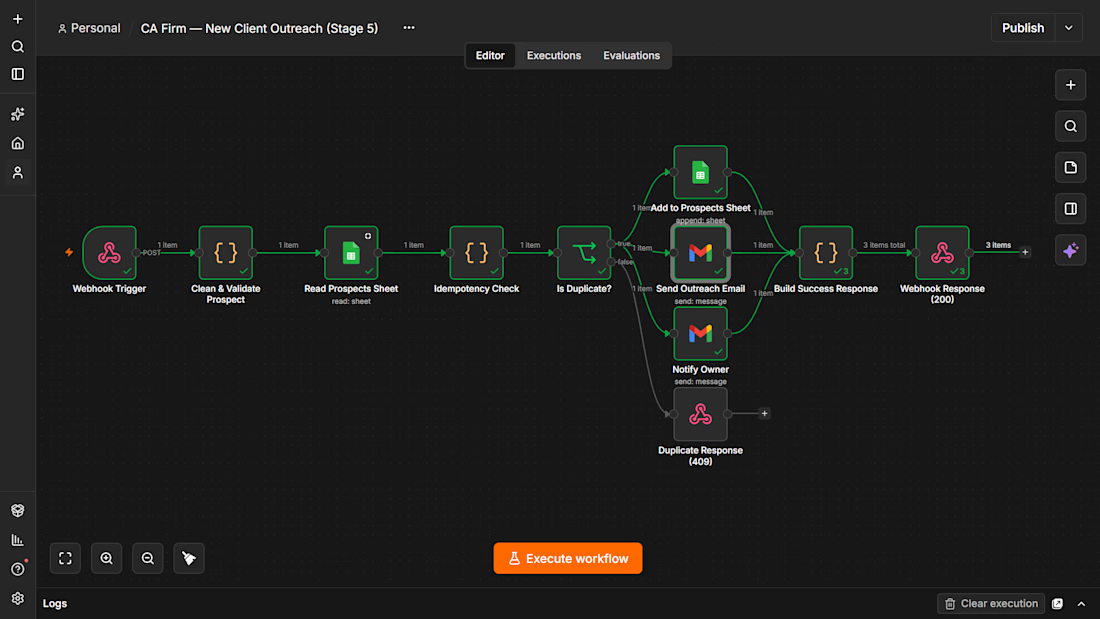
CA Firm Automation Suite — Complete. 5 Stages. 9 Days.
Started with a problem. Finished with a system.
✅ Stage 1 — Client onboarding: form to folder in seconds
✅ Stage 2 — FBR & SECP alerts: 7, 3, 1 day warnings, every client
✅ Stage 3 — Invoice follow-ups: 3 escalating reminders, auto-stop on payment
✅ Stage 4 — Tax data collection: automated document requests with checklist
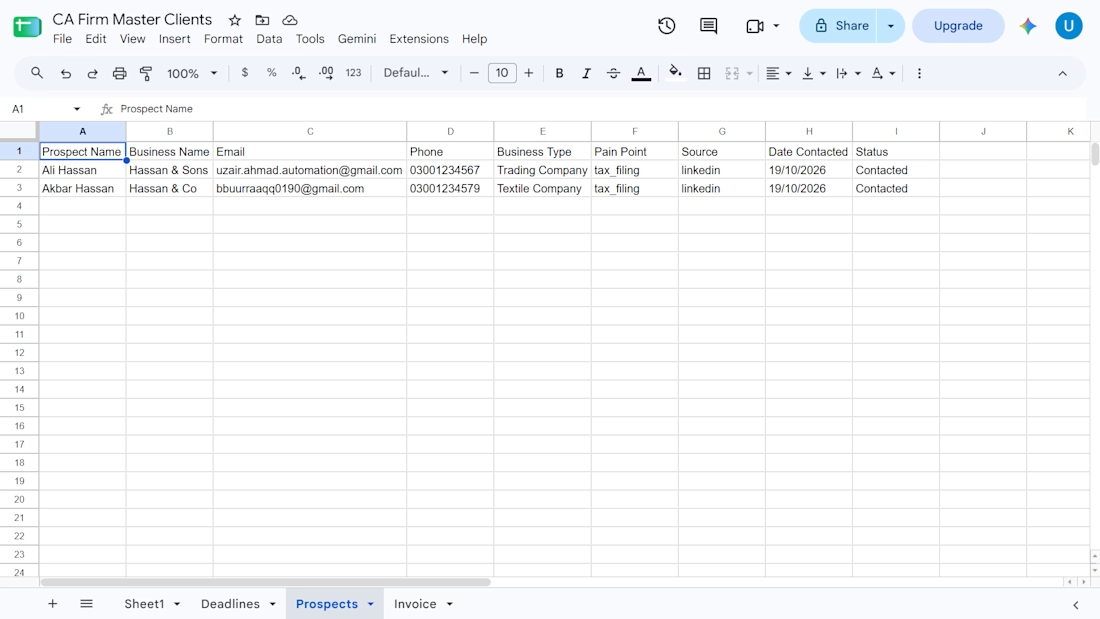
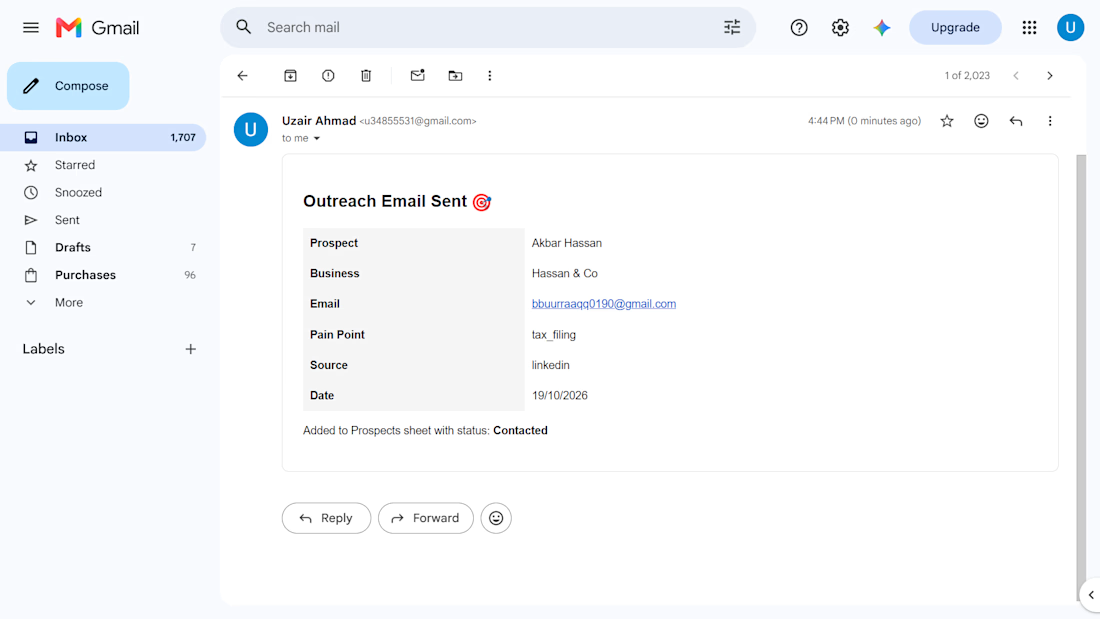
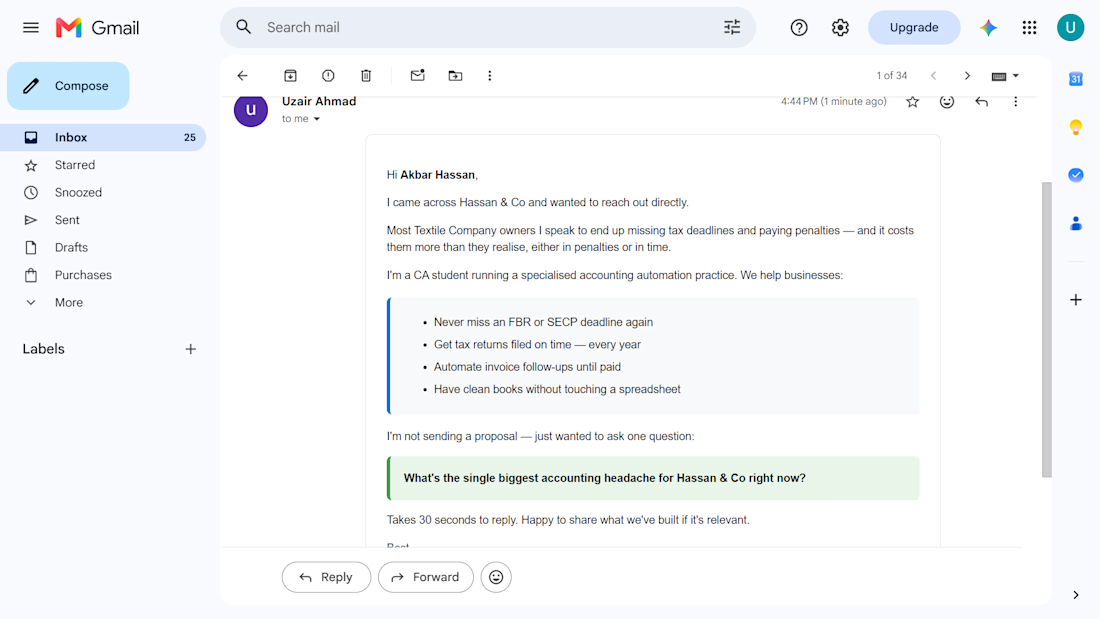
✅ Stage 5 — New client outreach: personalised emails based on pain point
Built by a 20-year-old CA student who knows this industry from the inside.
Zero per-month cost. Runs free on n8n + Railway.
Looking for the first CA firm to implement this. If that’s you — let’s talk.



For the tax document checklist, I'd match uploads to both the client and tax period before marking an item complete. How do you handle a client uploading last year's statement or a replacement after the checklist has already cleared?