The network for creativity
Join 1.25M professional creatives like you
Connect with clients, get discovered, and run your business 100% commission-free
Creatives on Contra have earned over $150M and we are just getting started
Back to feedPost

The secret to photorealism isn’t what you add—it’s what you mess up.
Clean CAD models look fake because physical manufacturing always leaves traces.
Here are 4 micro-details that make product CGI look completely tangible:
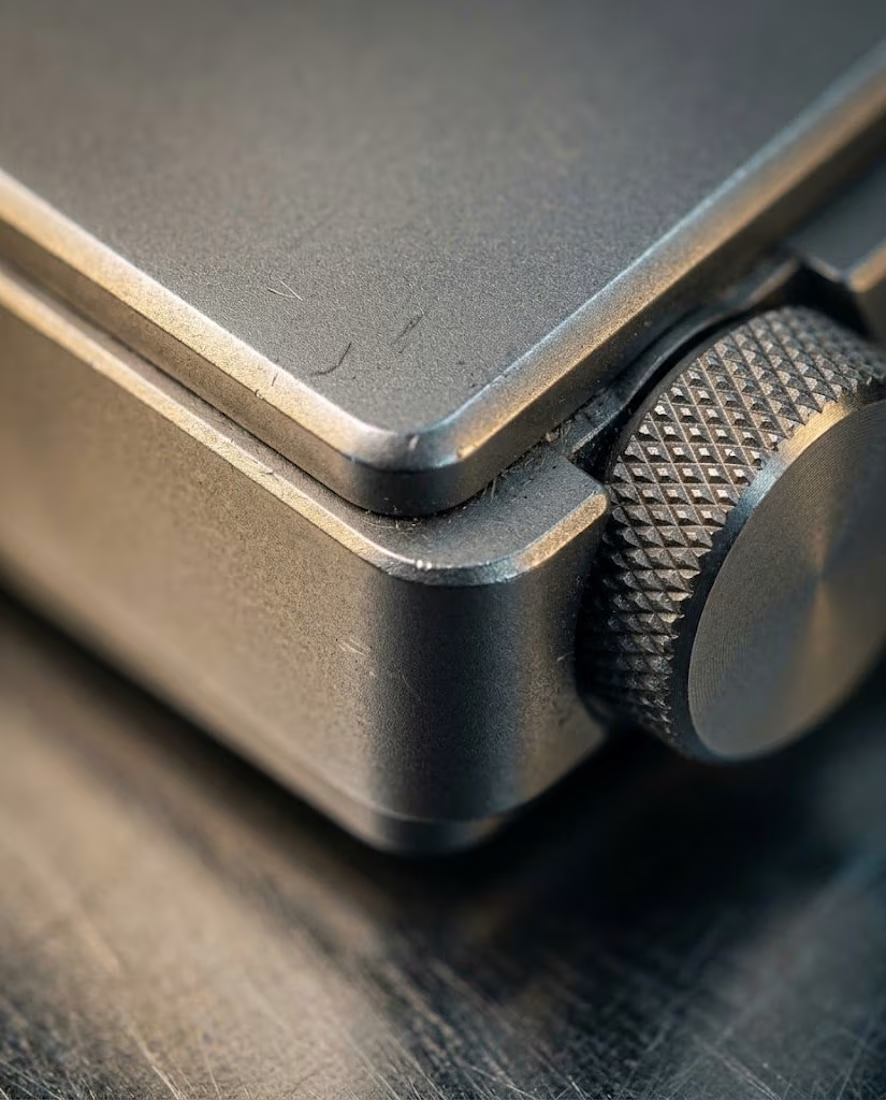
• Subtle anisotropy: Brushed metals scatter light in directional streaks, never uniform highlights.
• Micro-bevels: Zero-radius edges do not exist. Even razor blades carry a microscopic radius to catch rim light.
• Roughness breakup: Map faint smudges and dust specifically where human hands naturally interact with the product.
• Accurate texture scale: Keep bump maps microscopic. Overscaled plastic grain immediately breaks visual scale.
Perfection looks digital. Controlled imperfection makes it real.
What’s the first micro-detail you inspect when evaluating a render’s realism? 👇
#3DArtist #Texturing #PBRMaterials #Blender3D #ProductRendering #CGIArtist #DigitalTwins #ProductVisualization #3DModeling #3DArtistForHire #RemoteWork


The network for creativity
Join 1.25M professional creatives like you
Connect with clients, get discovered, and run your business 100% commission-free
Creatives on Contra have earned over $150M and we are just getting started
Related posts

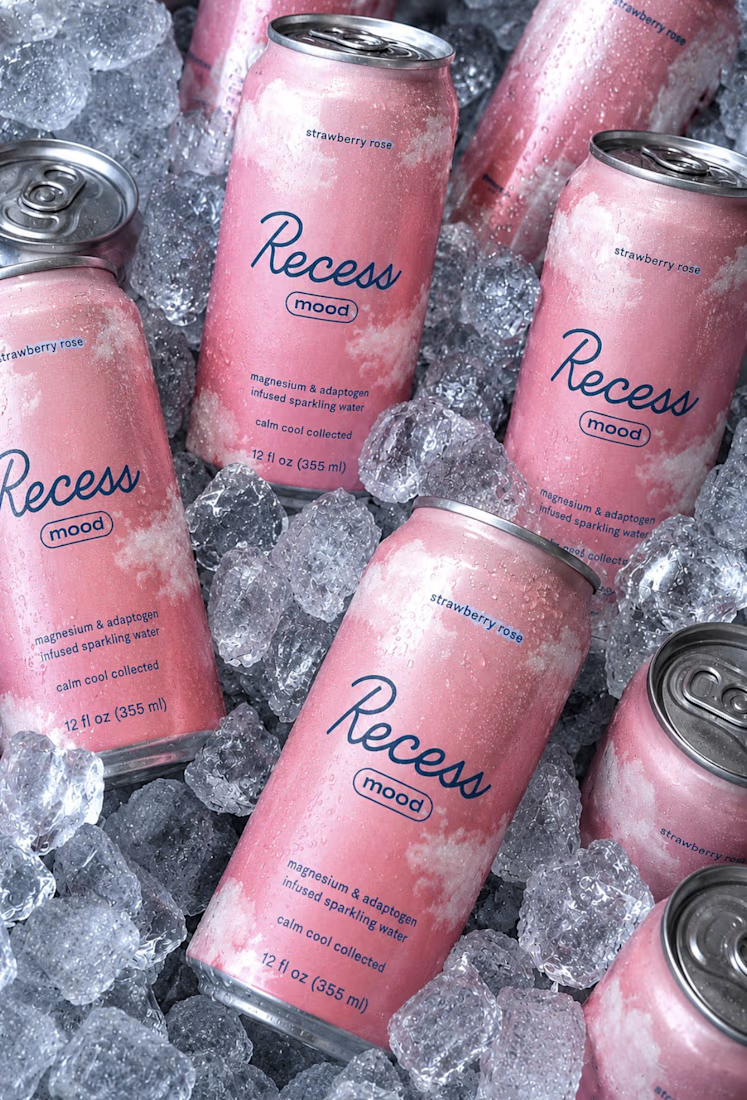
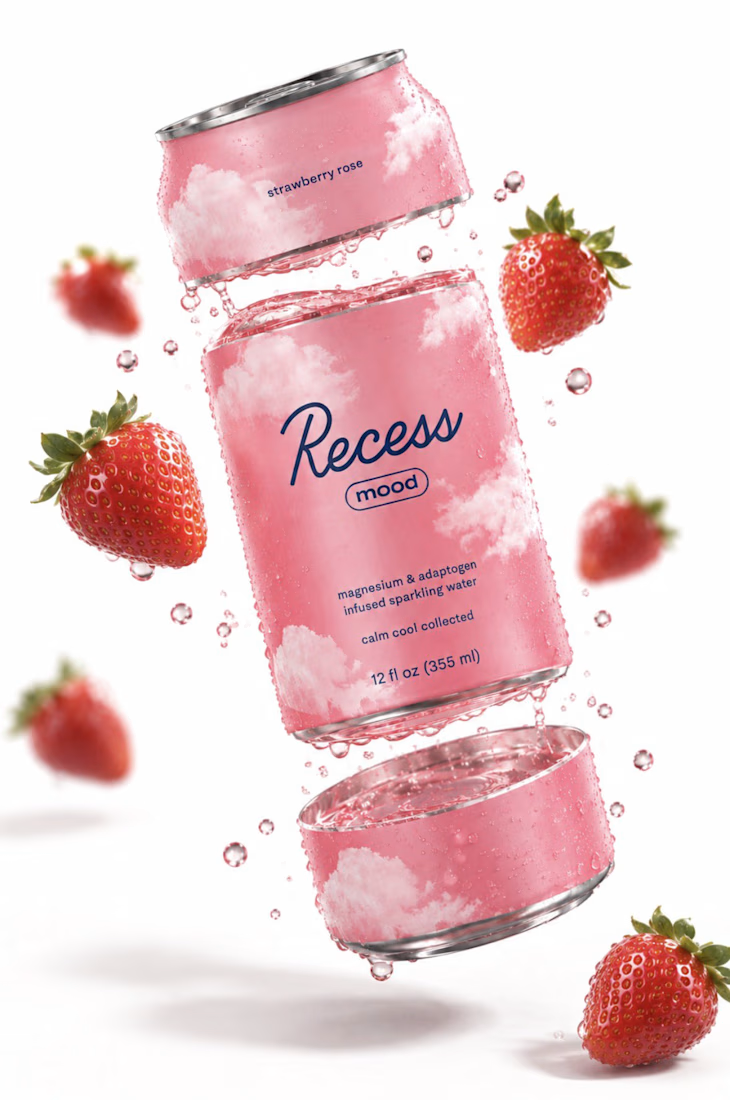

Great brand 🎉🎉

Dark luxury, Halloween edition. 🖤 Obsidian textures, spectral glass, liquid-orange lighting and kinetic typography—fully in their element.
Around 6.5 GB of production data shaped into one 20-second reel, built with Antigravity, Blender and FFmpeg.


Immersive!

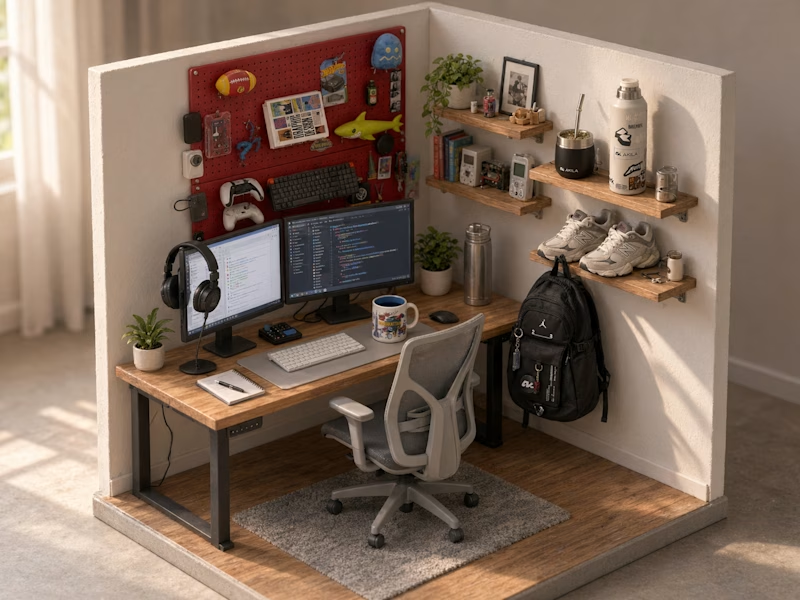
Such a neat experiment in AI-assisted spatial design! Using 10 photos of a real setup to train a local model like FLUX 3 Klein is next-level prototyping.
Both options look great, but Option A totally wins on the cozy lighting front for me. Check out the post and drop your vote


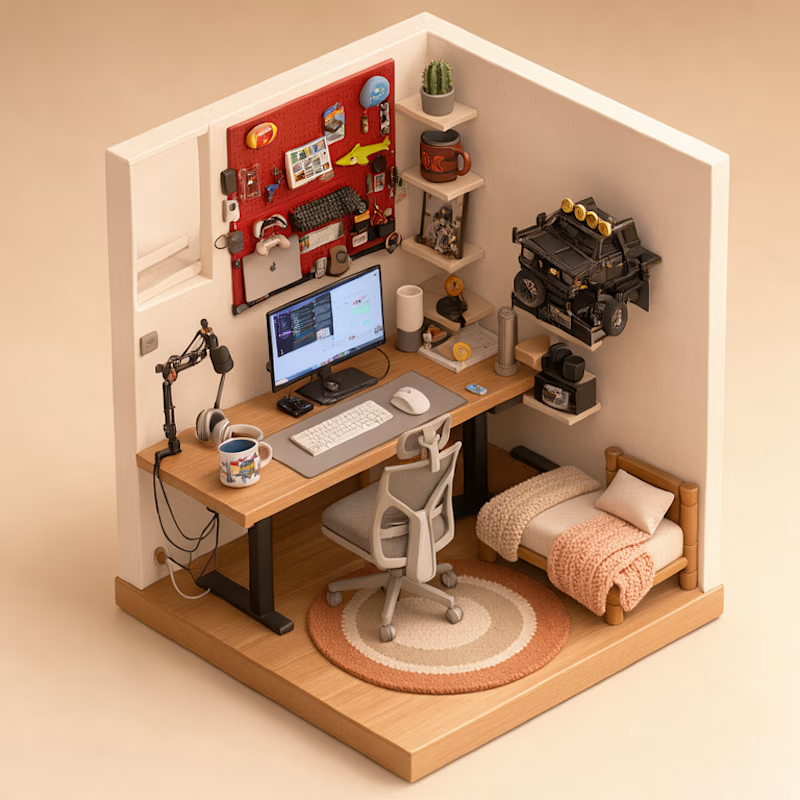
Turned my real desk into a tiny clay diorama ☕️
Made with FLUX 3 Klein running locally, using 10 photos of my actual setup as references: the pegboard wall, headphones, mug, shelves...
Which one do you like more, A or B?
21 voted
58%
15 voted
42%
36 votes
Closed
A hits to me it's so mangable❤️