The network for creativity
Join 1.25M professional creatives like you
Connect with clients, get discovered, and run your business 100% commission-free
Creatives on Contra have earned over $150M and we are just getting started
Back to feedPost

The most important rule in my palm-reading prompt is a refusal
When I started on the palm reading for Numenist, the hard part wasn't palmistry. It was that a vision model will happily describe lines it can't actually see. Hand it a blurry photo and it will still find a strong heart line and a forked head line, and report them with total confidence.
So before the reader says a word, the prompt makes it check four things: the whole palm and every fingertip are in frame, the light is even, the heart, head, and life lines can each be traced on their own, and the photo is in focus. If any check fails, it asks for a better picture and says plainly what it can and can't see. The prompt names guessing from a blurry photo as the number one risk in AI palm reading, and after testing it, I agree.
The camera does the same job up front. It coaches the person to move closer or hold steady, and it won't take the shot until every fingertip is in view.
I think the lesson travels well beyond palms. One of the most useful things you can teach a model is when to stop.
The network for creativity
Join 1.25M professional creatives like you
Connect with clients, get discovered, and run your business 100% commission-free
Creatives on Contra have earned over $150M and we are just getting started
Related posts

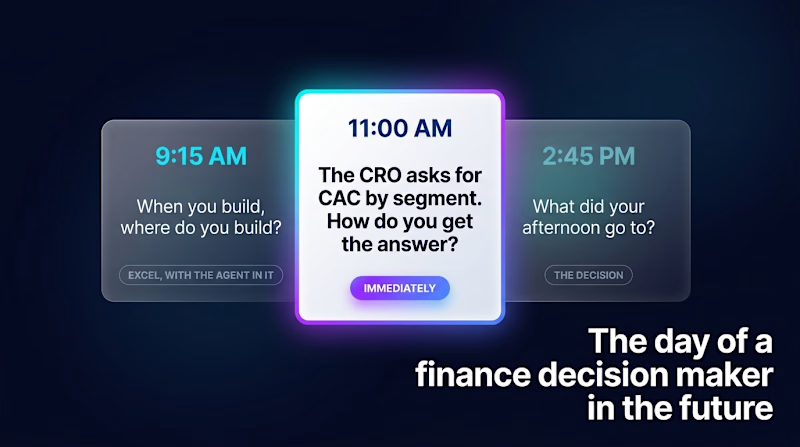
Cooked up some quick AI visuals, animated with Kittl.


A viewer gives a screen about a second to decide whether to keep watching. So this frame has one job: show where to look first.
Purple or dark: which one gets your vote, and why?
4 voted
67%
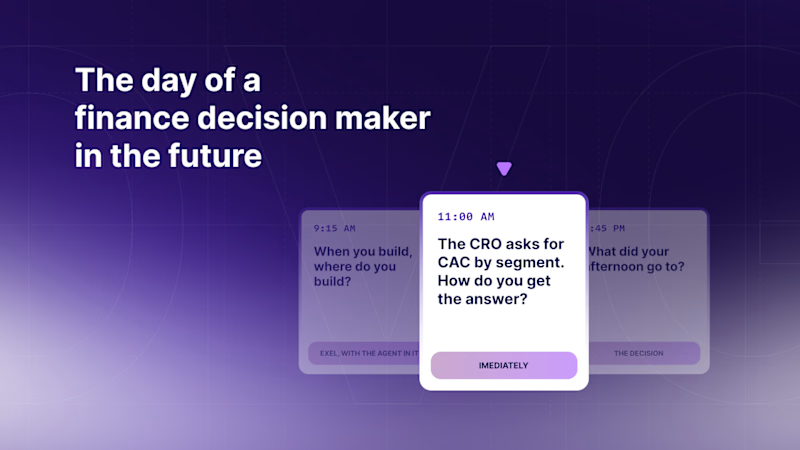
2 voted
33%
6 votes
Closed

Love the framing Elvira! "A viewer gives a screen about a second to decide" - so true. That one job principle: show where to look first is spot on. For me purple wins, it creates better depth and draws eye to that CRO question card instantly while still feeling futuristic for...


The torque identity as stills.
Robotics AI, built around one 3D arm, no lettermark needed beside it.
What do you think?
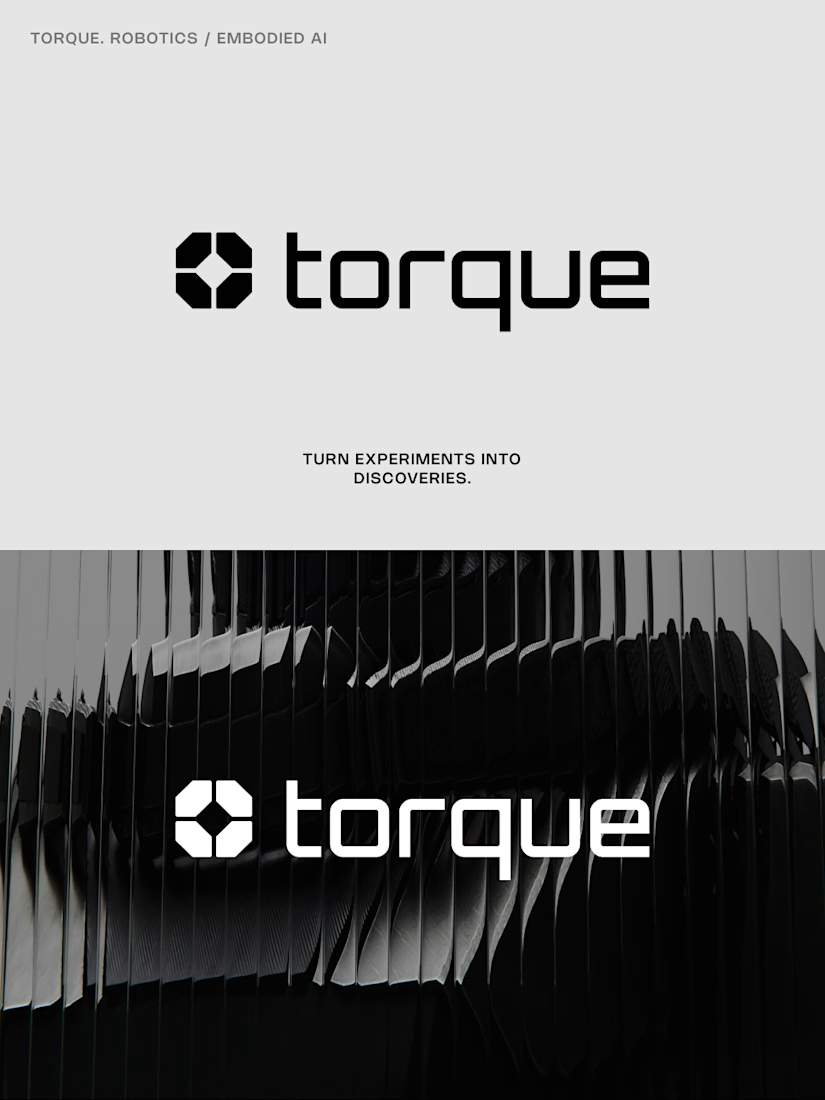
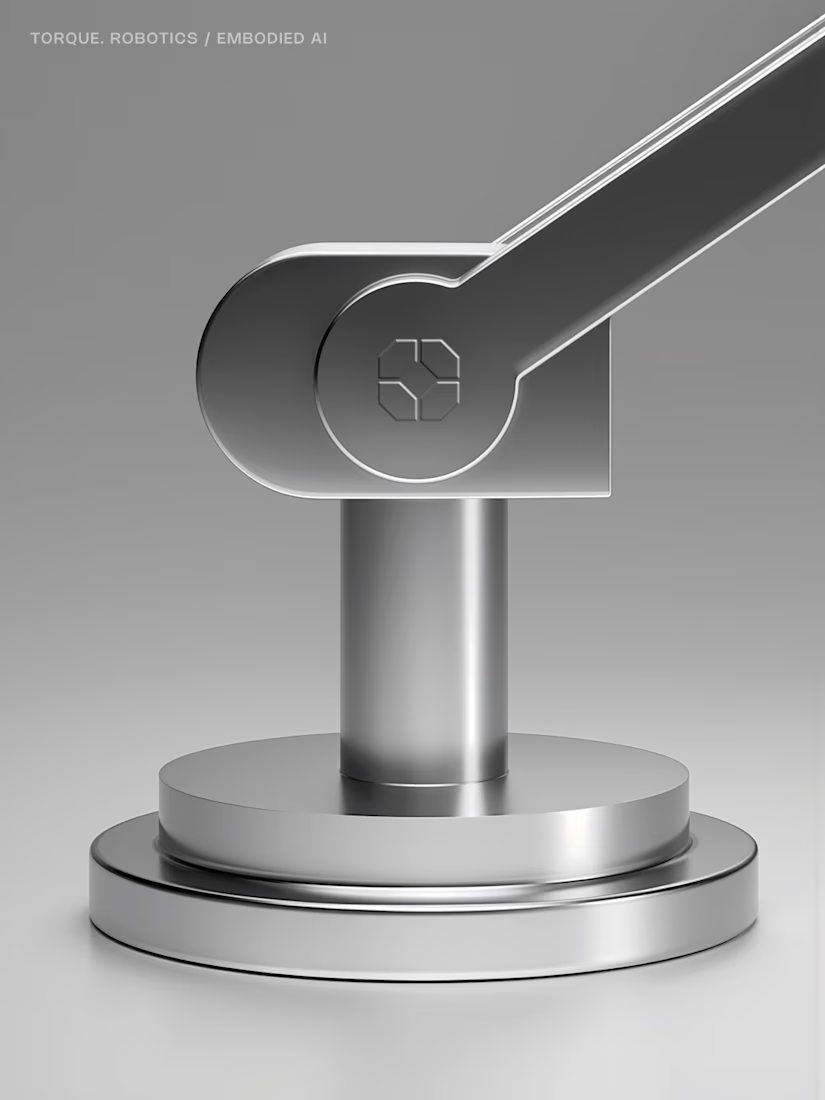
So strong Yunis! That 3D arm as the hero of the identity is genius - no lettermark needed indeed, the symbol alone says Robotics AI instantly. Love how the mark is built from the arm joints, super clever and memorable. And that metallic 3D render looks premium, perfect for "Turn...