The network for creativity
Join 1.25M professional creatives like you
Connect with clients, get discovered, and run your business 100% commission-free
Creatives on Contra have earned over $150M and we are just getting started


The network for creativity
Join 1.25M professional creatives like you
Connect with clients, get discovered, and run your business 100% commission-free
Creatives on Contra have earned over $150M and we are just getting started


Related posts

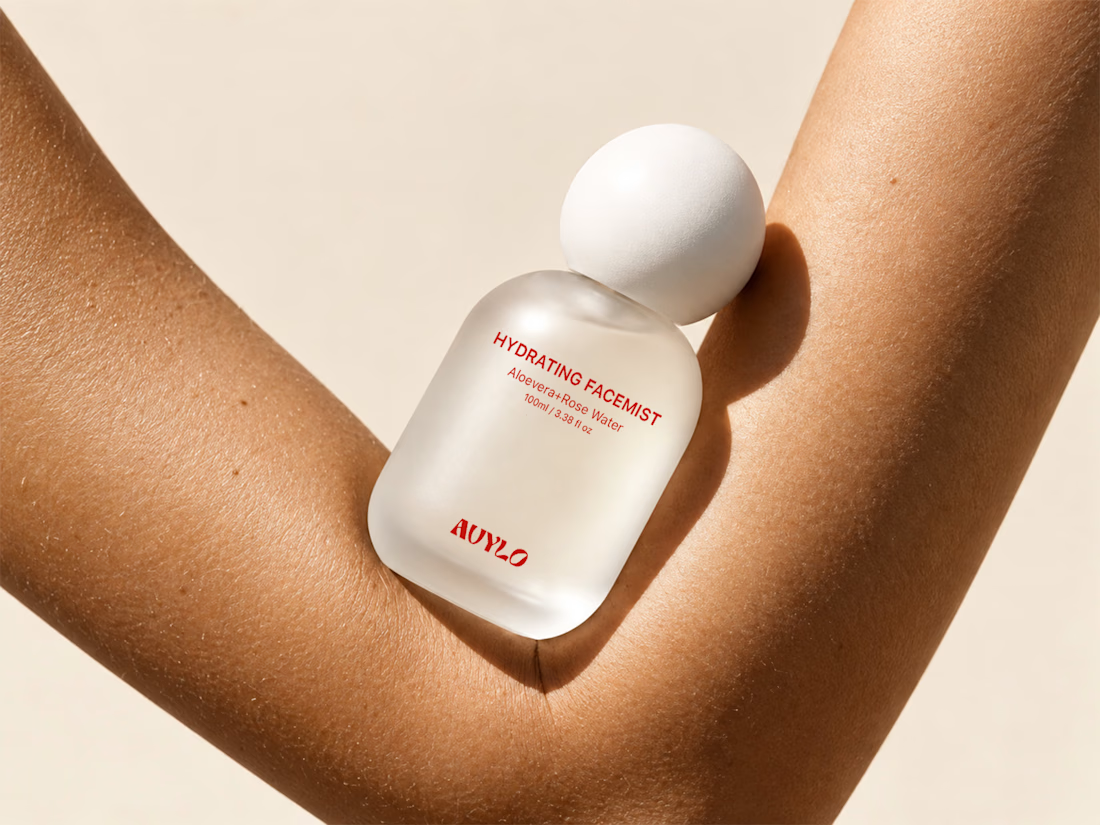
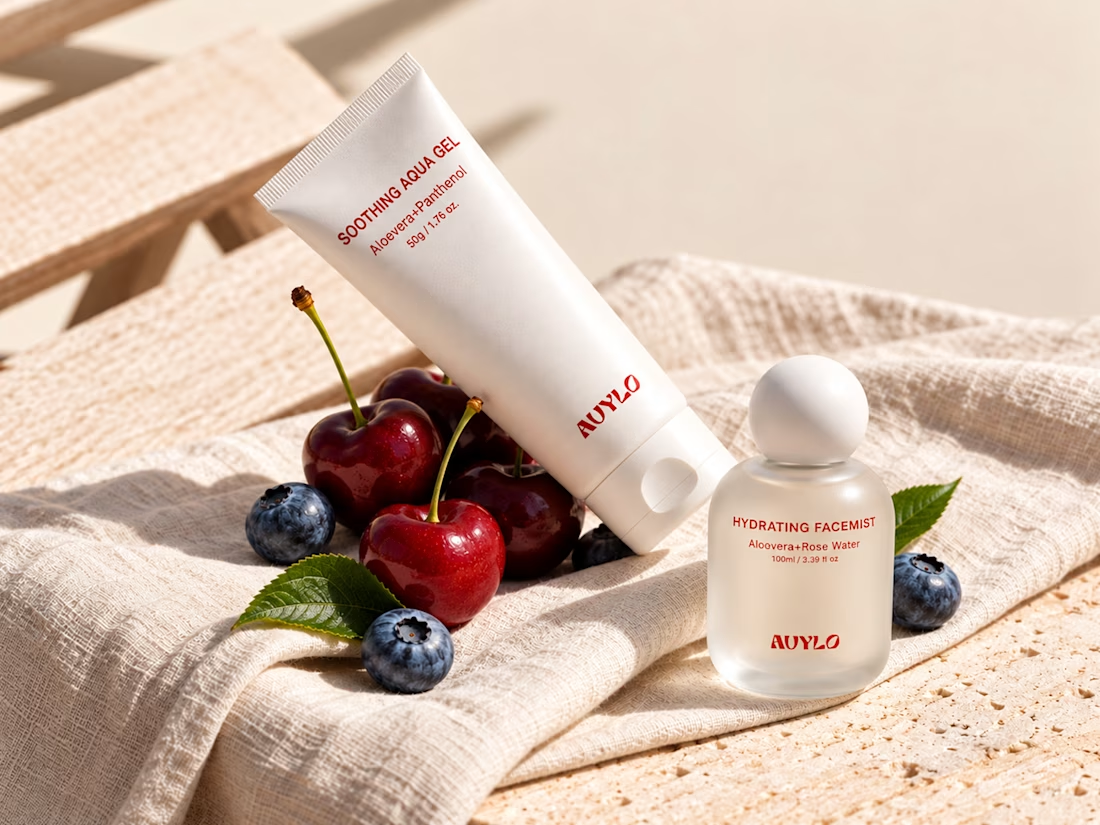
AVYLO Skin Care Packaging Design





Good job

Tales of Mystery & Notification 🕯️🔴
What if Harry Clarke had illustrated our nightmares? In 1919 he drew Edgar Allan Poe's. I asked him to draw ours.
I went digging through the Public Domain Image Archive and found Clarke's 1919 plates for Poe's Tales of Mystery and Imagination: black-and-white ink by a Dublin stained-glass artist, all long pale fingers and dread. I trained ten of them into a Recraft style, Clarke Ink 1919.
Then I retold ten of Poe's tales as the horrors of the smartphone age. Each plate sits beside Clarke's original, and each caption is his own line with one word swapped: "the heart beat on with a muffled sound" became "the phone buzzed on". A man is buried alive in his inbox. The masked guest is a 99+ badge.
The only colour in the whole book is the red notification dot. The film ends inside Recraft, showing how it was made.
@Recraft
Happy Halloween. The style is public, so try it yourself 👇

This is an example of how simple art can be turned into films.
Everything is so refined and polished. I genuinely wanna know how did you come up with this?

From sidewalk to doorstep.
A closer look at ROVR, a landing page concept for an autonomous delivery robot.
A robot at your door is new for most people, so every section answers a question a first time customer would ask: how it gets here, what it can carry, what it costs and what happens if it gets stuck.
Our favorite part is the FAQ, rebuilt as a chat where you can ask ROVR anything.
What would you want to know before a robot delivers your groceries?


Love the idea of turning the FAQ into a conversation. My first question would be: what happens when the robot encounters something unexpected mid-delivery? Showing how ROVR handles those moments could build more trust than any feature list.