The network for creativity
Join 1.25M professional creatives like you
Connect with clients, get discovered, and run your business 100% commission-free
Creatives on Contra have earned over $150M and we are just getting started
Back to feedPost

People keep asking this... 𝐖𝐡𝐢𝐜𝐡 𝐨𝐧𝐞 𝐢𝐬 𝐛𝐞𝐭𝐭𝐞𝐫? 𝐆𝐏𝐓 𝐨𝐫 𝐂𝐥𝐚𝐮𝐝𝐞?
𝐌𝐲 𝐚𝐧𝐬𝐰𝐞𝐫 𝐢𝐬 𝐬𝐢𝐦𝐩𝐥𝐞..
It depends on what you are building...
Most comparisons oversimplify this. These models are competitors, but in real systems, they behave differently depending on architecture, workload, and how you design around them.
When to prefer 𝐆𝐏𝐓 𝐎𝐩𝐞𝐧𝐀𝐈 𝐦𝐨𝐝𝐞𝐥𝐬 𝐥𝐢𝐤𝐞 𝐆𝐏𝐓-𝟒.𝐱 / 𝐆𝐏𝐓-𝟓 𝐟𝐚𝐦𝐢𝐥𝐲
𝐔𝐬𝐞 𝐆𝐏𝐓 𝐰𝐡𝐞𝐧 𝐲𝐨𝐮𝐫 𝐬𝐲𝐬𝐭𝐞𝐦 𝐫𝐞𝐪𝐮𝐢𝐫𝐞𝐬:
• Strong tool / function calling agents, workflows
• Structured outputs JSON, schemas, APIs
• Full stack AI applications backend and orchestration layers
• Production systems with multiple integrations
• Reliable coding and debugging consistency
𝐁𝐞𝐬𝐭 𝐬𝐮𝐢𝐭𝐞𝐝 𝐟𝐨𝐫...
Production systems, AI agents, automation pipelines, full-stack AI applications
When to prefer 𝐂𝐥𝐚𝐮𝐝𝐞 𝐀𝐧𝐭𝐡𝐫𝐨𝐩𝐢𝐜 𝐦𝐨𝐝𝐞𝐥𝐬 𝐥𝐢𝐤𝐞 𝐂𝐥𝐚𝐮𝐝𝐞 𝟑 / 𝟑.𝟓 / 𝟒 𝐟𝐚𝐦𝐢𝐥𝐲
𝐔𝐬𝐞 𝐂𝐥𝐚𝐮𝐝𝐞 𝐰𝐡𝐞𝐧 𝐲𝐨𝐮 𝐧𝐞𝐞𝐝:
• Very large context handling long documents
• Clear structured reasoning and explanations
• High quality summarization of dense information
• Step by step reasoning clarity
• Code explanation and refactoring readability
𝐁𝐞𝐬𝐭 𝐬𝐮𝐢𝐭𝐞𝐝 𝐟𝐨𝐫...
Research workflows long context analysis documentation heavy systems reasoning assistants
𝐑𝐮𝐥𝐞 𝐢𝐬 𝐬𝐢𝐦𝐩𝐥𝐞:
• If your system is tool driven choose GPT
• If your system is context heavy choose Claude
• In real AI systems, the winner is not the model.
• It is choosing the right model for the right layer of the system.
𝐖𝐡𝐢𝐜𝐡 𝐨𝐧𝐞 𝐝𝐨 𝐲𝐨𝐮 𝐮𝐬𝐞 𝐦𝐨𝐫𝐞 𝐢𝐧 𝐫𝐞𝐚𝐥 𝐩𝐫𝐨𝐣𝐞𝐜𝐭𝐬 𝐆𝐏𝐓 𝐨𝐫 𝐂𝐥𝐚𝐮𝐝𝐞, 𝐚𝐧𝐝 𝐰𝐡𝐚𝐭 𝐢𝐬 𝐲𝐨𝐮𝐫 𝐫𝐞𝐚𝐬𝐨𝐧𝐢𝐧𝐠?
The network for creativity
Join 1.25M professional creatives like you
Connect with clients, get discovered, and run your business 100% commission-free
Creatives on Contra have earned over $150M and we are just getting started
Related posts

Sneak peek 👀 working on Flowpath: a new Framer template for AI SaaS

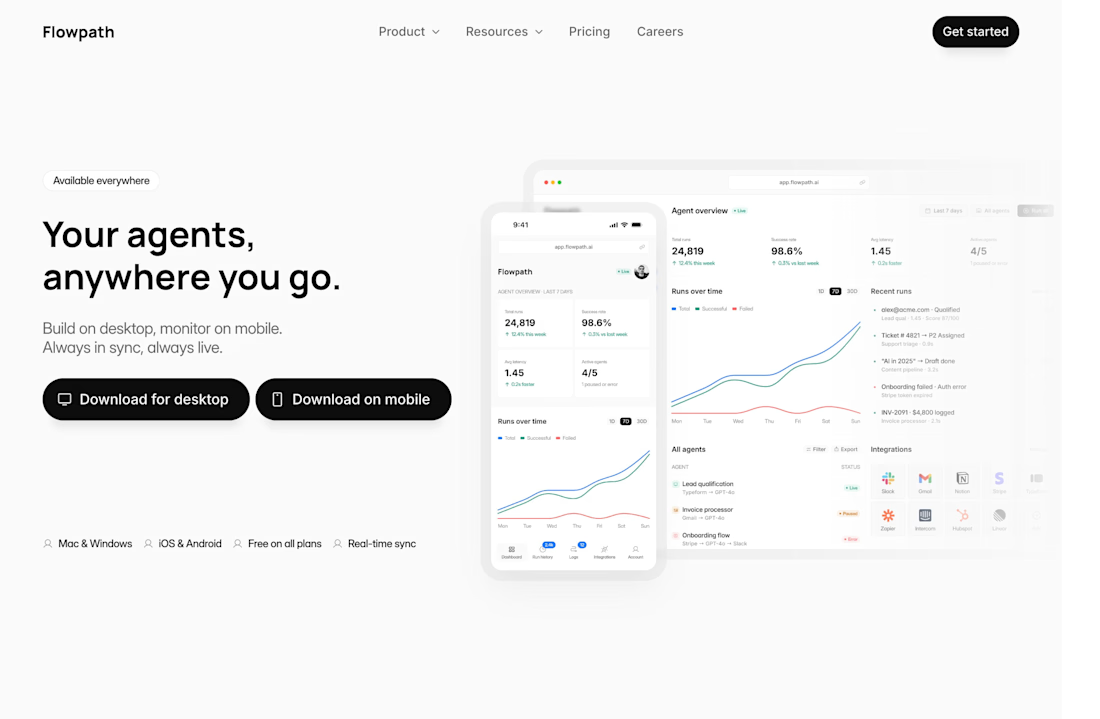

Waiting for the final result!


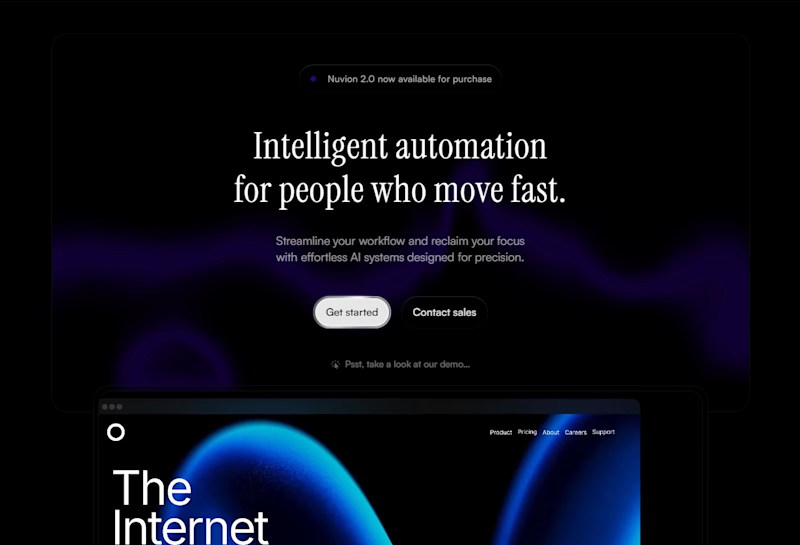
Re-designing my studio's sit exactstudio.pro
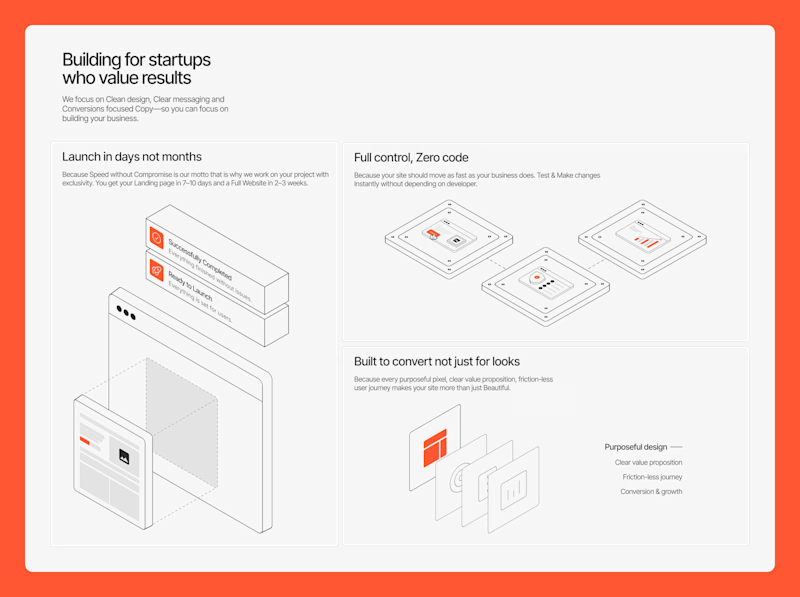
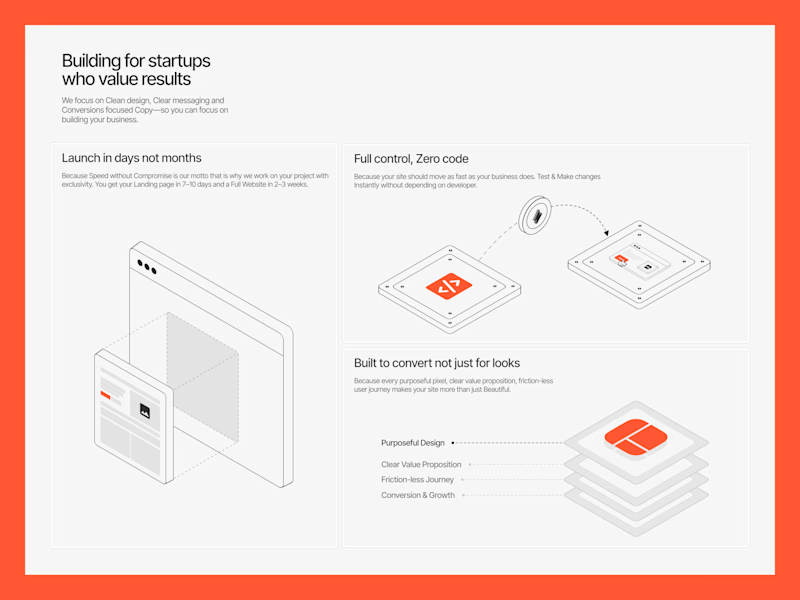
Benefit section exploration ✨
which one converts better??

5 voted
45%
6 voted
55%
11 votes
Closed


Although A might look more appealing, I think B has the most info a user would like to see, great work!









Trending

Claude
Claude has entered the design space. How are you using Claude Design?

Contra University
Learn from expert creatives how to earn more using next-gen AI tools.
creativeaiflow
Creative AI workflows are evolving. What tools do you use, and what are their strengths and weaknesses?
portfolioreview
The best portfolios tell a story, not just show a grid. Share yours for feedback.
freelancerlife
Freelancer life is wins, pivots, and everything in between. What’s yours right now?