The network for creativity
Join 1.25M professional creatives like you
Connect with clients, get discovered, and run your business 100% commission-free
Creatives on Contra have earned over $150M and we are just getting started
Back to feedPost

One of the most important skills in digital marketing isn't knowing how to get more data.
It's knowing which data actually matters.
Businesses have access to more marketing data than ever:
→ Impressions
→ Reach
→ Likes
→ Followers
→ Clicks
→ Website traffic
→ Leads
→ Conversion rates
→ Customer acquisition cost
→ Revenue
→ Retention
The challenge isn't collecting these numbers.
The challenge is understanding what they mean.
For example:
A campaign can generate thousands of clicks and still produce very few customers.
A social media post can receive hundreds of likes but generate no meaningful business opportunity.
A website can receive significant traffic while converting poorly.
And a smaller campaign can sometimes produce fewer visitors but much stronger business results.
This is why I think marketers need to move beyond vanity metrics and start connecting marketing activity to business outcomes.
Instead of asking only:
“How many people saw the campaign?”
Ask:
“Did we reach the right people?”
Instead of:
“How many leads did we generate?”
Ask:
“How many were actually qualified?”
Instead of:
“How much traffic did we get?”
Ask:
“What happened after people arrived?”
And instead of:
“Did the campaign perform well?”
Ask:
“What did we learn that should change our next decision?”
That last question is particularly important.
Marketing analytics shouldn't simply tell you what happened.
It should help you decide what to do next.
That's where data becomes useful.
The goal isn't to create beautiful reports filled with numbers.
The goal is to use those numbers to answer practical questions:
What is working?
What isn't working?
Where are we losing opportunities?
Where should we invest more?
What should we change?
For me, that's one of the biggest differences between reporting marketing activity and using data to improve marketing performance.
Good marketers don't just collect metrics.
They turn metrics into better decisions.
What marketing metric do you think businesses focus on too much?
#DigitalMarketing #MarketingAnalytics #MarketingStrategy #DataDrivenMarketing #CustomerAcquisition #LeadGeneration #BusinessGrowth #DigitalStrategy
The network for creativity
Join 1.25M professional creatives like you
Connect with clients, get discovered, and run your business 100% commission-free
Creatives on Contra have earned over $150M and we are just getting started



Related posts

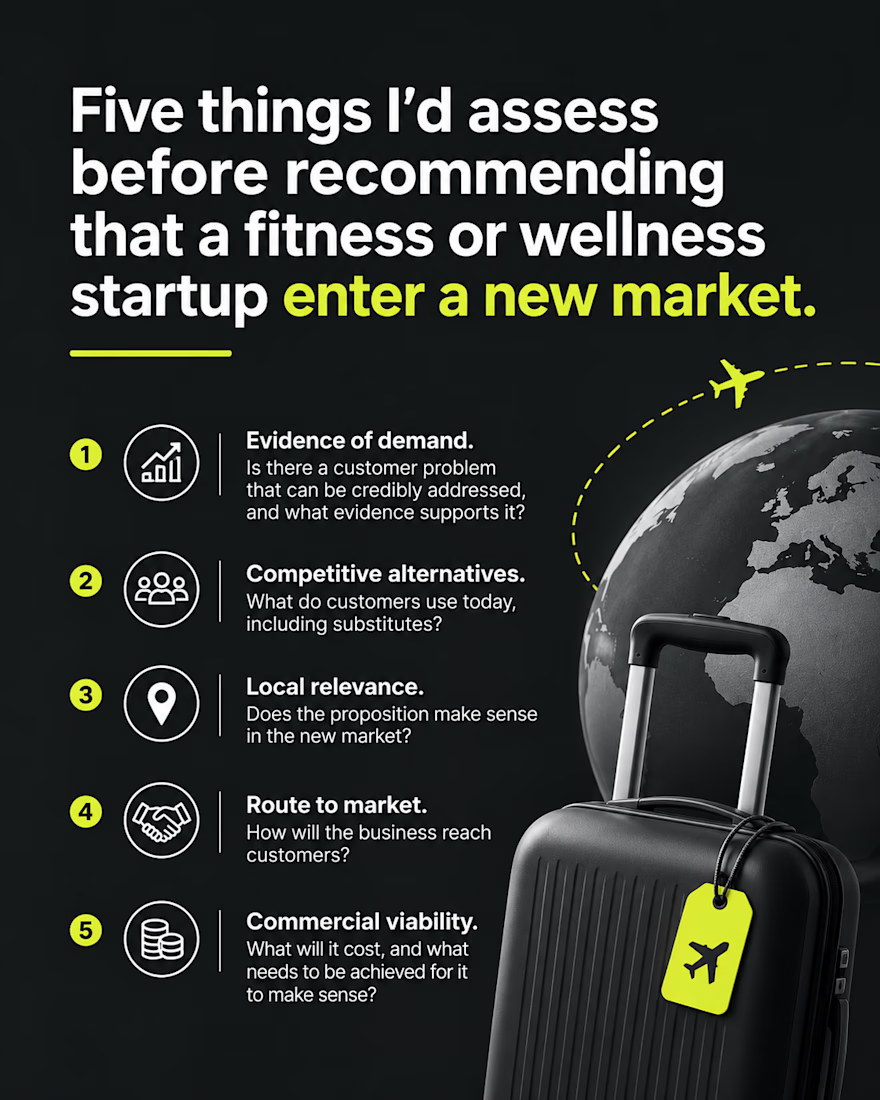
Getting attention is easy. Turning attention into customers is the real challenge.
Effective Meta Ads are about more than impressions and clicks. They require a clear strategy built around:
→ Reaching the right audience.
→ Creating compelling ad creatives.
→ Testing and optimizing campaigns.
→ Making data-driven decisions.
The goal isn't just visibility. It's meaningful business growth.
I help businesses build smarter Facebook and Instagram advertising strategies focused on measurable results.
Ready to make your advertising budget work smarter? Let's connect.
#MetaAds #PaidMedia #DigitalMarketing #MediaBuying #SocialMediaMarketing #BusinessGrowth
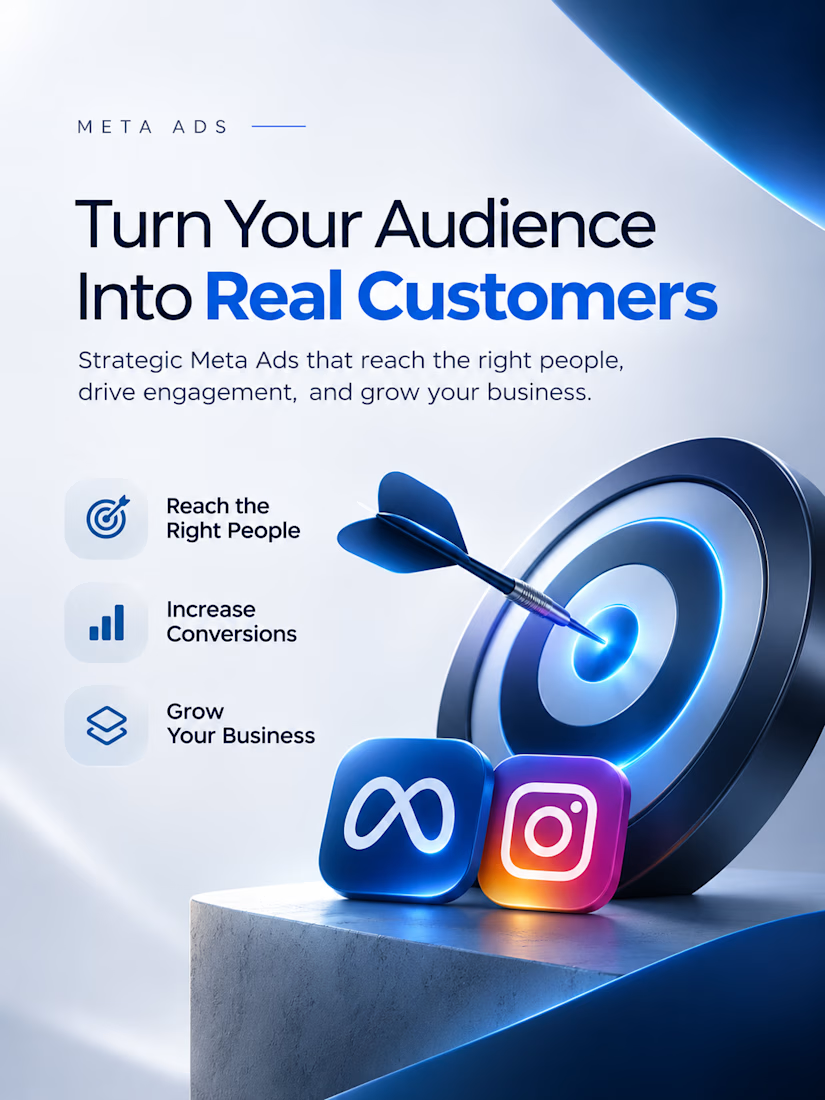

Your Business Doesn't Need More Emails. It Needs Email Marketing That Converts.
Getting someone to subscribe to your email list is only the beginning.
The real opportunity is what happens afterward.
Many businesses invest time and money attracting website visitors, generating leads, and collecting email addresses. But once someone subscribes or makes an inquiry, communication becomes inconsistent.
Some leads never receive a follow-up. Potential customers forget about the business. Previous customers are rarely contacted again.
That's where a well-planned email marketing system makes a difference.
Email Marketing Is More Than Sending Promotions
Effective email marketing creates a relationship between a business and its audience.
It helps businesses stay relevant, build trust, communicate value, and guide potential customers toward making purchasing decisions.
A strong email marketing strategy can include:
Welcome sequences: Introduce new subscribers to your business, services, and value.
Lead nurturing: Keep potential customers engaged through useful, relevant communication.
Automated follow-ups: Make sure inquiries and opportunities don't get forgotten.
Promotional campaigns: Present offers, launches, and services to the right audience.
Customer retention: Reconnect with existing customers and encourage repeat business.
Re-engagement campaigns: Reach subscribers who have stopped interacting with your emails.
The objective isn't to send more messages. It's to send the right message to the right person at the right time.
What I Can Help Your Business Build
I help businesses improve the way they communicate with leads and customers through structured email marketing and automation.
My services include:
1. Email Campaign Setup and Management
Planning and creating professional email campaigns that communicate your offer clearly and encourage meaningful action.
2. Automated Email Sequences
Building workflows for welcome emails, lead follow-ups, appointment reminders, customer onboarding, and re-engagement.
3. CRM and Email Automation
Connecting email communication with CRM workflows using platforms such as GoHighLevel, so leads can be organized and followed up with more consistently.
4. Lead Nurturing Systems
Creating communication journeys that help prospects understand your services, overcome common objections, and take the next step.
5. Email Marketing Optimization
Reviewing existing email workflows and identifying opportunities to improve messaging, timing, segmentation, and calls to action.
Why Your Email Marketing System Matters
Imagine a potential customer visits your website, submits an inquiry, and leaves.
Without a reliable follow-up process, that opportunity can easily go cold.
Now imagine the customer receives a timely confirmation, useful information about your service, and a relevant follow-up without your team having to remember every step manually.
That's the value of combining thoughtful email marketing with automation.
It creates a more consistent customer experience while giving business owners more time to focus on running their businesses.
Looking for Someone to Improve Your Email Marketing?
Whether you're starting from scratch, managing an existing subscriber list, or trying to improve your lead follow-up process, I can help you build a system around your business goals.
I'm interested in working with:
Small and growing businesses
E-commerce brands
Agencies looking for reliable implementation support
Service-based businesses
Founders who want better lead nurturing and customer communication
I approach every project with attention to the business objective, audience, messaging, and customer journey—not just the appearance of an email.
Let's make your email list work harder for your business.
If you need help with email campaigns, automated follow-ups, CRM integration, or email marketing systems, send me a message here on Contra.
David Iyanu
Email Marketing | CRM Automation | GoHighLevel
Iyanu David Digital | Standard Teck Home
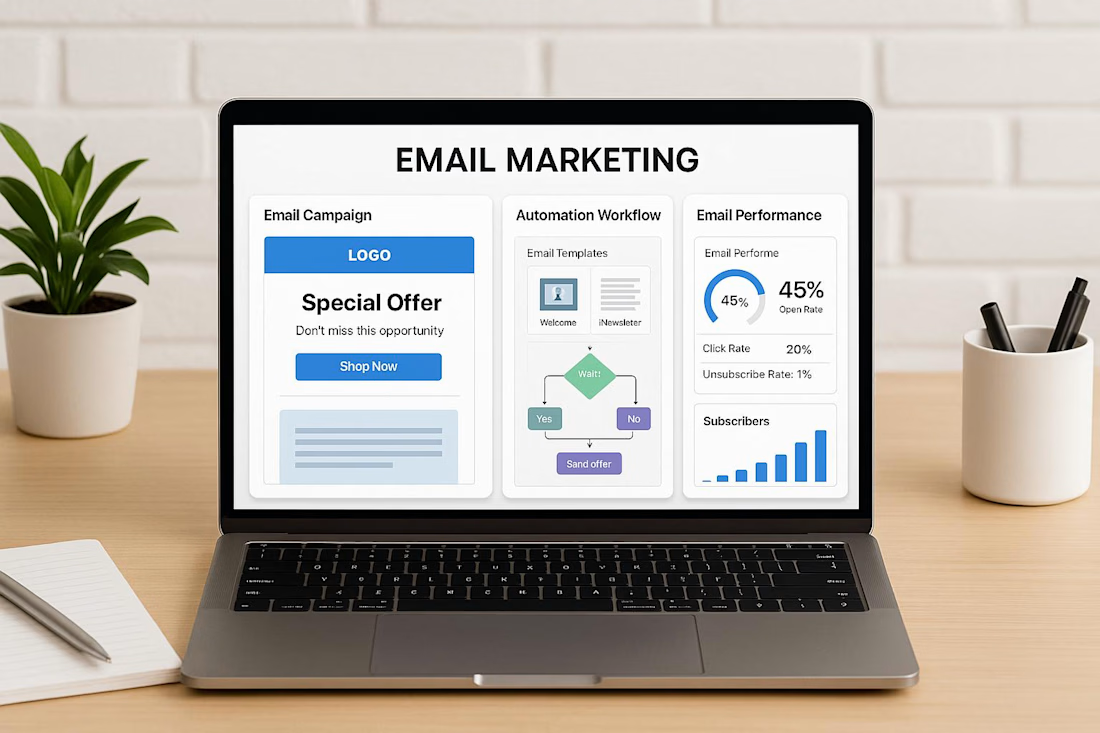

Five things I'd assess before recommending that a fitness or wellness startup enter a new market.
Evidence of demand. Is there a customer problem the product can credibly address, and what evidence supports the opportunity?
Competitive alternatives. What do customers use today, including substitutes that don't look like direct competitors?
Local relevance. Does the proposition make sense in the new market? Consider language, customer expectations, purchasing behaviour and local context.
Route to market. How will the business reach customers? Can it use its existing channels, or will it need new distribution, partnerships or capabilities?
Commercial viability. What will acquisition, fulfilment, support and localisation cost? What would the business need to achieve for the expansion to make sense?
A market can look attractive in a report and still be difficult for a particular business to enter. The question isn't simply whether an opportunity exists. It's whether the company has a credible way to reach that market and build a viable business there.
#GoToMarket #MarketEntry #GrowthStrategy