The network for creativity
Join 1.25M professional creatives like you
Connect with clients, get discovered, and run your business 100% commission-free
Creatives on Contra have earned over $150M and we are just getting started
Back to feedPost

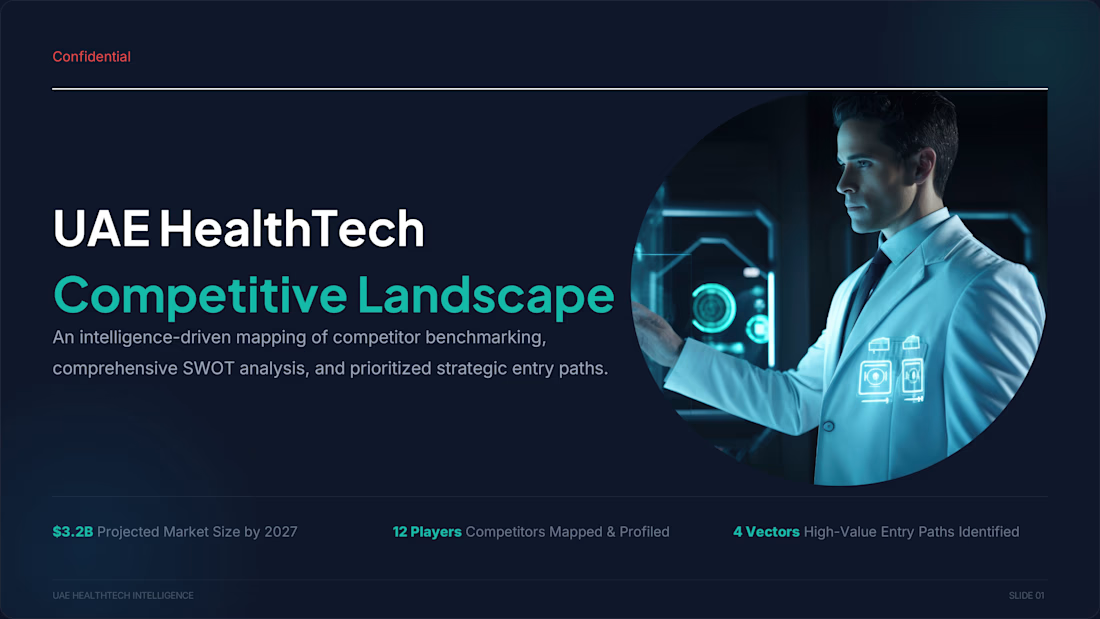
Competitive Landscape Analysis & UAE Market Entry Strategy — HealthTech Startup (Market Research - Competitive Analysis)
Project Overview
Partnered with an early-stage HealthTech startup to deliver a comprehensive Competitive Landscape Analysis, combining a detailed competitor map with a strategic playbook for entering the UAE market. The engagement was designed to give the founding team a clear, evidence-based view of the competitive terrain and a practical roadmap for launch.


The network for creativity
Join 1.25M professional creatives like you
Connect with clients, get discovered, and run your business 100% commission-free
Creatives on Contra have earned over $150M and we are just getting started





Related posts

speculative marketing campaign ideas have been HITTING me lately. which would you rather see first? (first of two, we're gonna bracket vote these down.)
happy to answer any questions or hear any takes you might have below!
3 voted
38%

5 voted
62%

8 votes
Closed


Hey frens, for years I could do much of the work around a new product:
Define the opportunity.
Clarify the audience.
Shape the positioning.
Map the customer journey.
Write the MVP brief.
Plan the launch.
But turning that thinking into a working product usually required another dependency: a developer, technical co-founder, agency budget, or a long wait.
That has changed.
AI-native building tools have become a practical technical execution partner in my work—effectively, an always-available CTO for the early stage of an idea.
Alongside my work as a Hands-On CMO, entrepreneur, and investor, I have added two new hats:
Web developer.
Software builder.
Not because AI replaces experienced engineers, product designers, security, or serious technical architecture.
But because it lets a commercially minded operator move from a clear business problem to a real, testable first version much faster.
A recent example is Viewly by Realto: a focused PropTech workflow designed to turn property interest into a structured viewing request.
The problem is familiar. Someone sees a property, asks for a viewing, and the process becomes a chain of calls, messages, email follow-ups, availability checks, delays, and sometimes a lost lead.
Viewly gives the prospect a clearer path: explore the property, choose a suitable time, submit details, and move toward a confirmed viewing—while the business receives a structured enquiry rather than another unorganised message.
The lesson is bigger than real estate.
The first entrepreneurial bottleneck is no longer always technical execution.
It is clarity:
• Who is the first user?
• What recurring problem do they have?
• What is the smallest useful outcome?
• What can we test before building too much?
The winners will not be the people who generate the most AI apps.
They will be the people who turn real friction into focused, usable products.
I wrote more about the shift from writing briefs to building the first version here:
#Entrepreneurship #AIBuilders #VibeCoding #ProductStrategy #MVP #PropTech #RealEstateTech #NoCode #AI #StartupBuilding
thenewentrepreneurship.substack.com
The New Entrepreneur Builds the First Version
From Property Enquiry to Confirmed Viewing: Building Viewly with AI

Excellent work

More leads isn’t always the answer.
Especially in financial services.
You can have great research, strong thought leadership, webinars, events, website traffic — and still lose valuable opportunities somewhere between interest and an actual relationship.
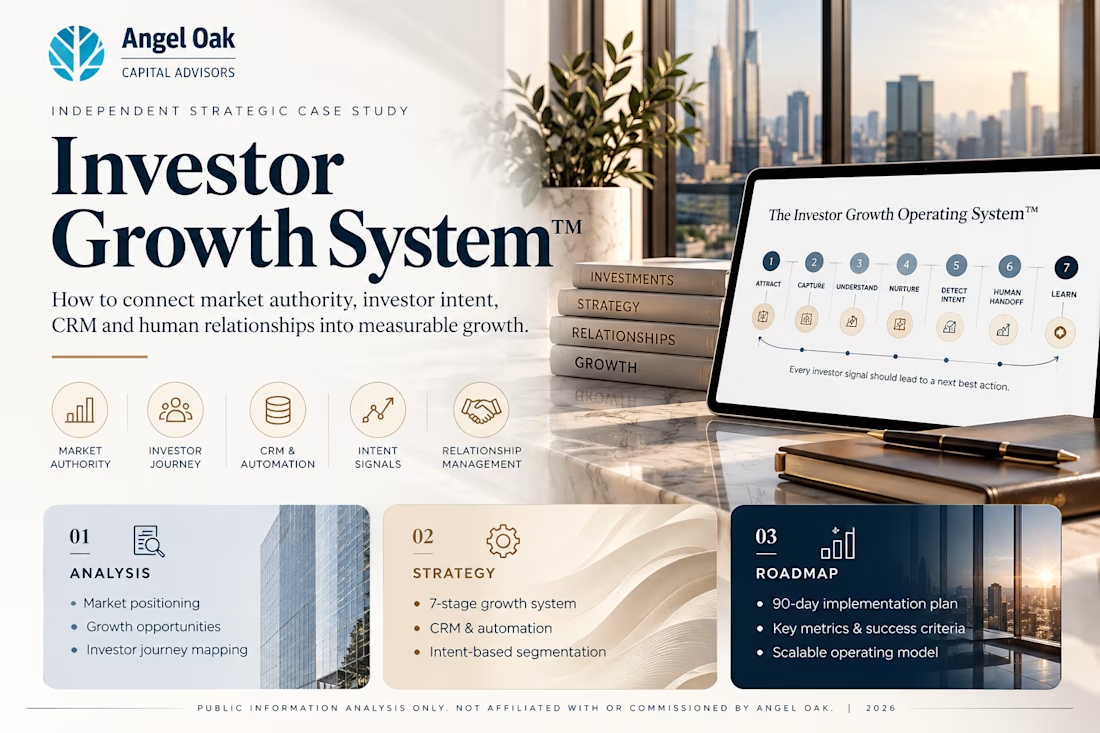
I’ve been thinking a lot about this lately and built an independent strategic case around a simple question:
How do you connect content, investor intent, CRM, automation and human relationships into one measurable growth system?
My answer became a 7-stage framework:
Attract → Capture → Understand → Nurture → Detect Intent → Human Handoff → Learn
The idea I kept coming back to was this:
Automation should prepare the conversation — not replace the relationship.
Technology can help identify signals, organize information, prioritize opportunities and trigger the right next step.
But especially in trust-driven industries, the most valuable moments still belong to people.
The KPI isn’t simply how many leads entered the funnel.
It’s whether the right people are actually progressing toward a meaningful business relationship.
I turned the thinking into a full Investor Growth System case study, including the operating model, CRM and intent framework, measurement approach and a 90-day roadmap.
I’ve added the project to my LinkedIn profile for anyone interested in seeing the framework.
Curious how other marketers think about this:
Where should automation end and human relationship-building begin? https://www.linkedin.com/in/vera-b-672185171/details/projects/