The network for creativity
Join 1.25M professional creatives like you
Connect with clients, get discovered, and run your business 100% commission-free
Creatives on Contra have earned over $150M and we are just getting started
Back to feedPost

RevLinePartners.com - At RevLine Partners, we are the outsourced sales agency that becomes an extension of your businesses. With decades of sales experience and work across nearly every sales vertical and industry, we are able to bring fractional sales appointment setting, closing, and CRM automation to any small to mid-sized business. Message me to hear more!
revlinepartners.com
RevLine Partners | Elite Sales. On Demand.
The revenue team you need. Without the headcount you don’t.
The network for creativity
Join 1.25M professional creatives like you
Connect with clients, get discovered, and run your business 100% commission-free
Creatives on Contra have earned over $150M and we are just getting started








Related posts

CRM Setup, Automation & Lead Generation Systems
Stop losing leads. Turn your website into a system that captures, follows up and converts them for you.
Most businesses don't have a lead problem. They have a follow-up problem. Enquiries sit in DMs and inboxes, replies come too late, and warm leads go cold. I build the system that fixes that.
I'm Emmanuel Ayomide, the web designer and developer behind Shepherd Creatives. I connect your website, your forms and your sales process into one organised flow, so every lead is captured, tracked and followed up without extra manual work.
WHAT I SET UP
• CRM setup: pipeline stages, contact fields, tags and views built around how you actually sell
• Lead capture: landing pages, forms and WhatsApp or email enquiry buttons that feed straight into your CRM
• Automated follow-up: instant confirmation messages, reminders and follow-up sequences
• Workflow automation: your tools talk to each other, so a new enquiry becomes a contact, a notification and a task on its own
• Lead tracking: a simple view of where your leads come from and where they drop off
• Handover: clear documentation and a short walkthrough so you can run it yourself
HOW IT WORKS
Discovery: we talk through your goals, your current process and the tools you already use
Plan: I map the journey from first enquiry to paying customer
Build: I set up the CRM, the lead capture and the automations
Test: I run every step from start to finish before you see it
Handover: you get a walkthrough and a short support period
BEST FOR
Service businesses, agencies, coaches, online stores, schools and non-profits that want more of their enquiries to turn into customers.
WHAT I NEED FROM YOU
Access to your website and current tools, a list of your services, and a short description of how leads reach you today.
TOOLS
HubSpot, Google Sheets, Make
TIMELINE: 3–21 days, depending on the package.
PRICE: Starting from $250.
Message me with a quick description of your business and how leads reach you today, and I'll suggest the simplest setup to start with.


For the reminder sequences, I'd re-check the CRM immediately before each send, even if the message was queued earlier. How do you stop a queued follow-up when the lead replies on WhatsApp or a salesperson takes over?

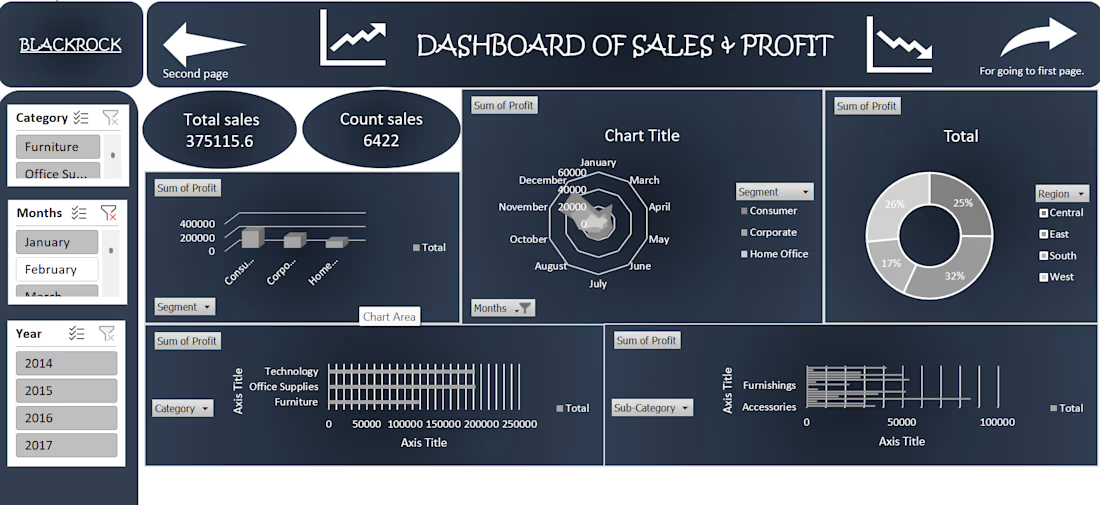
This is a sales and profit dashboard . fully dynamic easy to understand

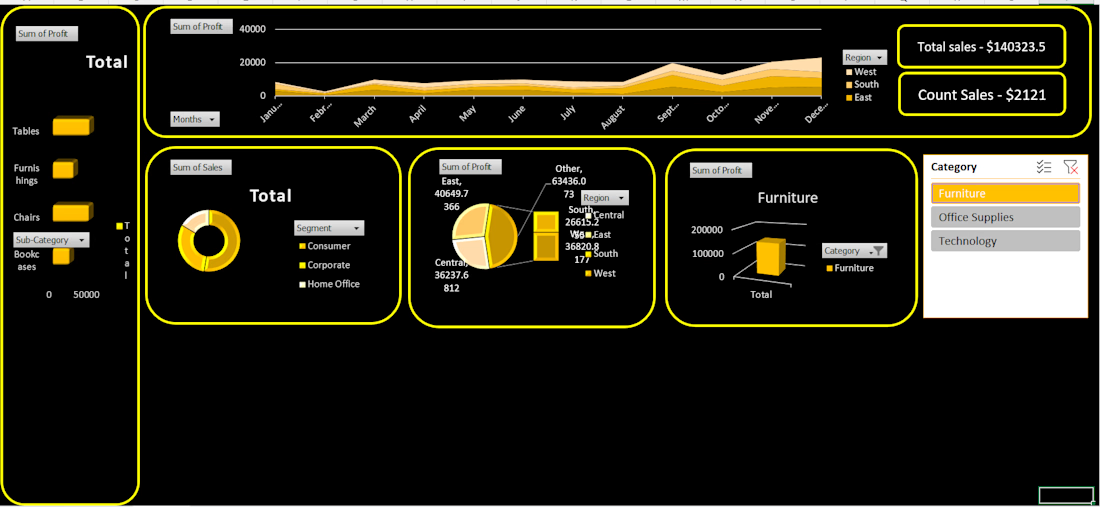
I: just created a Sales and Profit dashboard! Designed to provide a clear overview of business performance, tracking total sales, order count, and profit distribution across region and product categories. Includes interactive filters by year, category, and month for detailed data analyst.