The network for creativity
Join 1.25M professional creatives like you
Connect with clients, get discovered, and run your business 100% commission-free
Creatives on Contra have earned over $150M and we are just getting started
Back to feedPost

Built a premium AI-powered booking website system demo for aesthetic clinics.
BookedFlow AI is designed to show how a clinic website can become more than a brochure — it can guide visitors from treatment interest to consultation request, then organize those leads inside a clean dashboard.
The demo includes:
• Premium clinic homepage
• Treatment discovery page
• Consultation booking flow
• Simulated AI assistant
• Lead dashboard
• AI lead summary
• Follow-up message generator
• Demo login flow
• Mobile responsive experience
This is a frontend portfolio demo built to showcase the user experience, product workflow, and business direction for aesthetic clinics, medspas, and high-ticket service businesses.
Production versions can include backend, CRM integration, calendar scheduling, secure database, email notifications, analytics, and real AI workflows.


The network for creativity
Join 1.25M professional creatives like you
Connect with clients, get discovered, and run your business 100% commission-free
Creatives on Contra have earned over $150M and we are just getting started











Related posts

An interaction study for Mare’s collection feed, exploring how to make groups legible within a dense, mixed-format archive.
The layout preserves image proportions and integrates collection labels into the packing system. On hover, image-derived gradients establish the collection boundary, while subtle displacement creates space around the active group without changing its position or scale.
The motion studies isolate assembly, packing, colour and proximity, using real collection content to examine timing, spatial continuity and hover behaviour.


🌲 Nordhaus | Prefab Timber Homes Website (Framer)
Homes that grow quietly with the forest, now on the web. 🏡
Nordhaus is a website for a Latvian builder of prefabricated timber homes, created in Figma and built in Framer as a responsive site for desktop, tablet and mobile. It brings the brand's calm Nordic character through full-screen photography, a scroll-driven process story, a horizontal model gallery and interactive testimonials.
✨ Template coming soon to Framer.


Wonderful design man

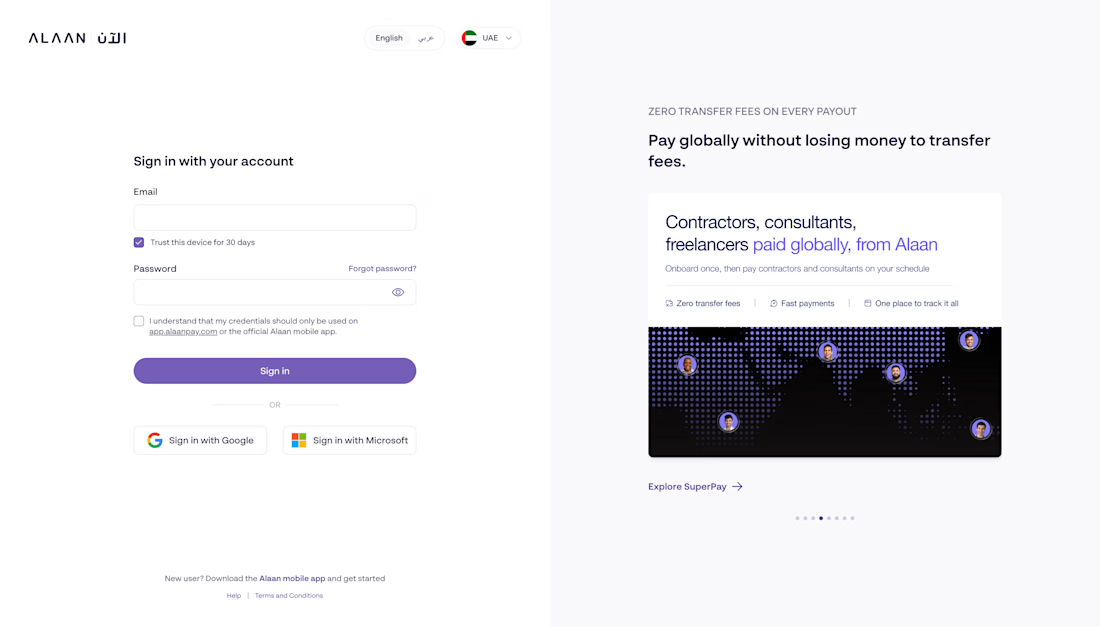
As a front-end engineer at GitStart (YC S19), I built core features for AlaanPay, a payment platform from Alaan ($55M raised). I added full Arabic and English support, including right-to-left (RTL) layouts, and built real-time transaction features used by tens of thousands of users.
“Wajiha over-delivered; she wrote great code across both frontend and backend.” – Timothy Olunsaya
Tools: React, TypeScript, Next.js, GraphQL, PostgreSQL


What needed the most care in the Arabic version—mirroring the layout, or keeping things like amounts and transaction references readable alongside Arabic text? I'd be curious which details were easiest to miss.