The network for creativity
Join 1.25M professional creatives like you
Connect with clients, get discovered, and run your business 100% commission-free
Creatives on Contra have earned over $150M and we are just getting started
Back to feedPost

THE SPACE BETWEEN — Beyond the Frame
Three paintings. A life beyond their frames.
THE SPACE BETWEEN is a cinematic short that explores the world surrounding Thomas Waterman Wood’s A Bit of War History: The Contraband (1865), The Recruit (1866), and The Veteran (1866), held by The Metropolitan Museum of Art. Taking the original paintings as visual references, the film gives movement, atmosphere, and sound to the spaces and experiences their compositions leave outside the frame.
I chose these works because they already tell a powerful story through three moments in a person’s life. Clothing, posture, expression, and the objects around him communicate profound change. Looking at them together, I kept thinking about everything that happens between those moments: the places he passes through, the people beside him, and the experiences that shape the figure we encounter in the next painting.
The film grew from that curiosity. What surrounds these images? What might we hear if we could stand inside their world? What happens beyond the doorway?
The three chapters—The Choice, The Cost, and The Return—follow the emotional progression suggested by the triptych. The paintings provide the foundation, while the camera explores an imagined surrounding world. A worn interior, a quiet room, and light entering through a doorway establish the intimate setting. The battlefield opens that space into mud, smoke, damaged trees, and the physical effort of moving through war.
The environment becomes part of the storytelling. Wet clothing carries weight. Footsteps struggle against the ground. Distant gunfire interrupts the air. Another person’s presence changes the meaning of a gesture. These details bring attention to the human experience surrounding the moments preserved in the paintings.
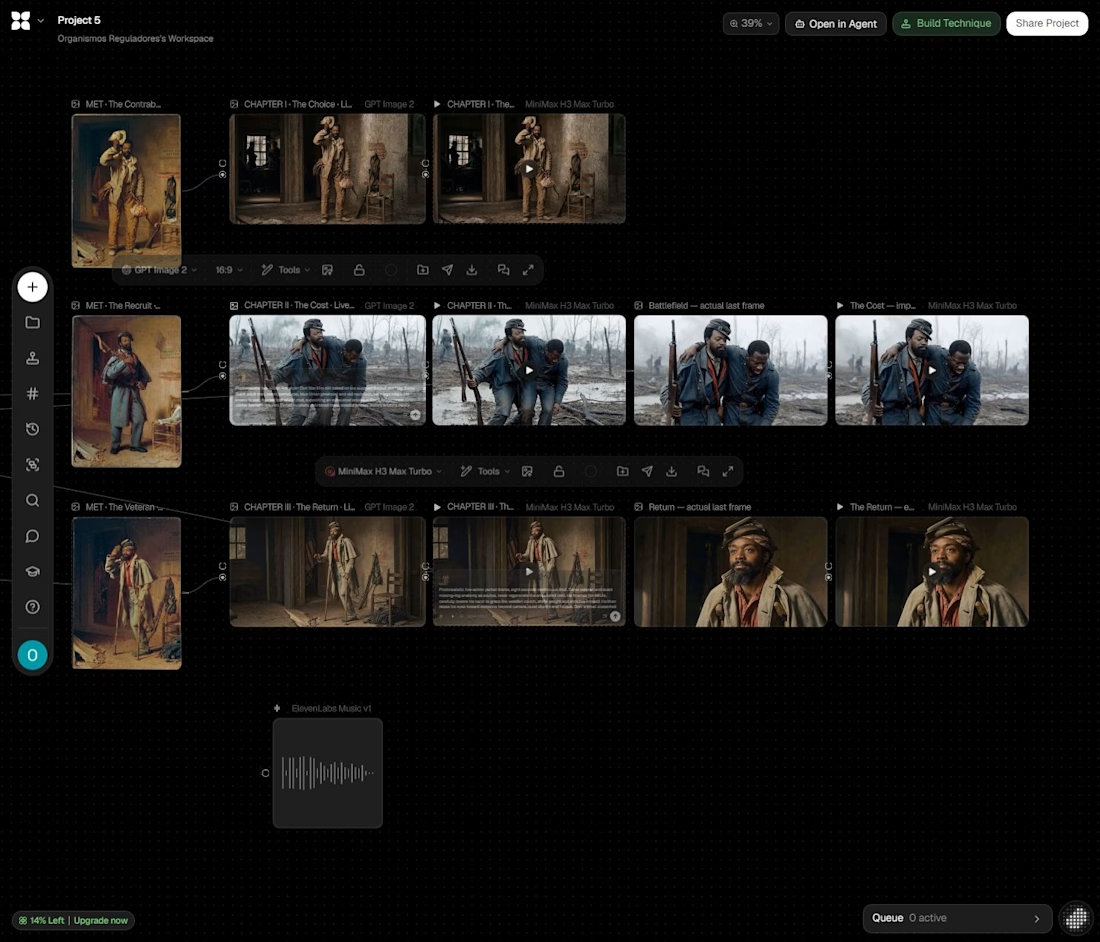
The original museum images were used directly as visual references in FLORA. They guided the characters’ appearance, clothing, poses, and surroundings as I developed realistic cinematic stills with GPT Image 2. MiniMax H3 Max Turbo then brought those scenes into motion, with iterations focused on clear action, restrained camera movement, and visual continuity.
To connect continuous scenes, I extracted the final frame of one clip and used it as the starting reference for the next. This allowed the camera and characters to continue from their existing positions, helping the film feel like an unfolding experience. The FLORA workflow shows the progression from the original paintings to the surrounding environments, moving scenes, and connecting frames. The final edit was assembled in HyperFrames.
An instrumental score generated with ElevenLabs Music accompanies the environmental sound and generated effects. Breathing, fabric, footsteps, and distant battle sounds give the world a physical presence. The absence of explanatory dialogue leaves room for viewers to observe the characters and experience the changing atmosphere for themselves.
The additional events and relationships are fictional extensions inspired by the works, rather than documented episodes from the depicted person’s life. They serve as a way to explore the emotional space around the paintings while keeping the original artworks at the center of the project.
My intention is for viewers to return to the triptych with a deeper curiosity about what surrounds each image—to look at a doorway and imagine the world beyond it, or at a still figure and consider the experiences that brought him there.
Original artworks by Thomas Waterman Wood, The Metropolitan Museum of Art:
Original artworks:
The Contraband (1865): https://www.metmuseum.org/art/collection/search/13345
The Recruit (1866): https://www.metmuseum.org/art/collection/search/13346
The Veteran (1866): https://www.metmuseum.org/art/collection/search/13344
Thomas Waterman Wood. The Metropolitan Museum of Art. Public domain images.
FLORA workflow: https://app.flora.ai/projects/ns71damvfmhm0jpy5pvshpyda18e00wd
The network for creativity
Join 1.25M professional creatives like you
Connect with clients, get discovered, and run your business 100% commission-free
Creatives on Contra have earned over $150M and we are just getting started





Related posts

My Last AI Content — Closing One Chapter, Starting Another
After a long delay, I decided to wrap up my final AI content project by cutting it short and keeping the video focused on the finished work.
While working on other projects and beginning my journey with Blender and Unreal Engine, I realized I no longer wanted to keep putting this project on hold. Rather than prolonging production, I chose to finish it, share the result, and move forward.
This marks the end of my AI content creation chapter as I shift my focus toward developing my artistic skills, 3D modeling, animation, and filmmaking through more hands-on creative workflows.
Every experiment has taught me something valuable, and I'm taking those lessons into my next chapter.
One chapter closes. Another begins.
#ComfyUI #DaVinciResolveStudio #Filmmaking #CreativeJourney


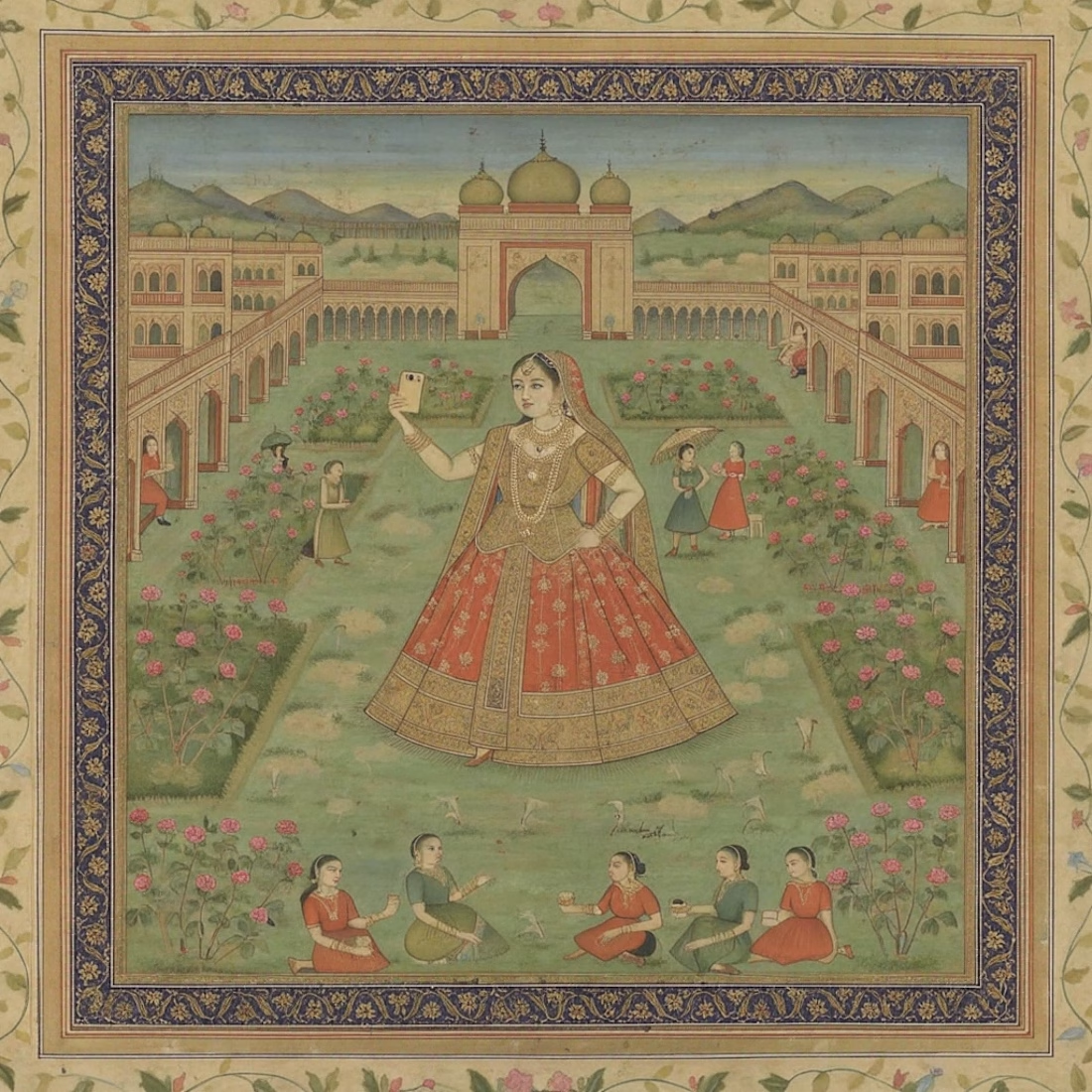
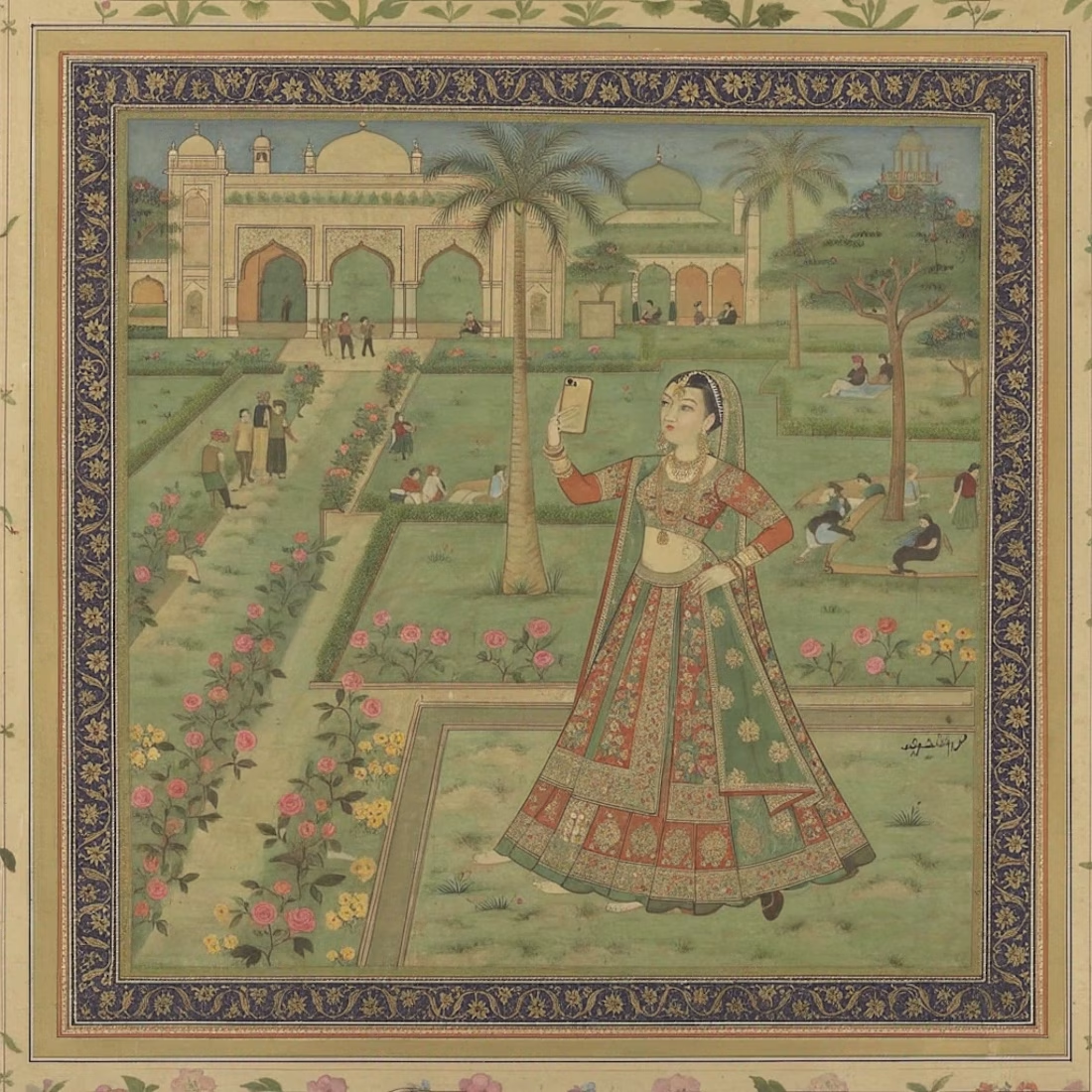
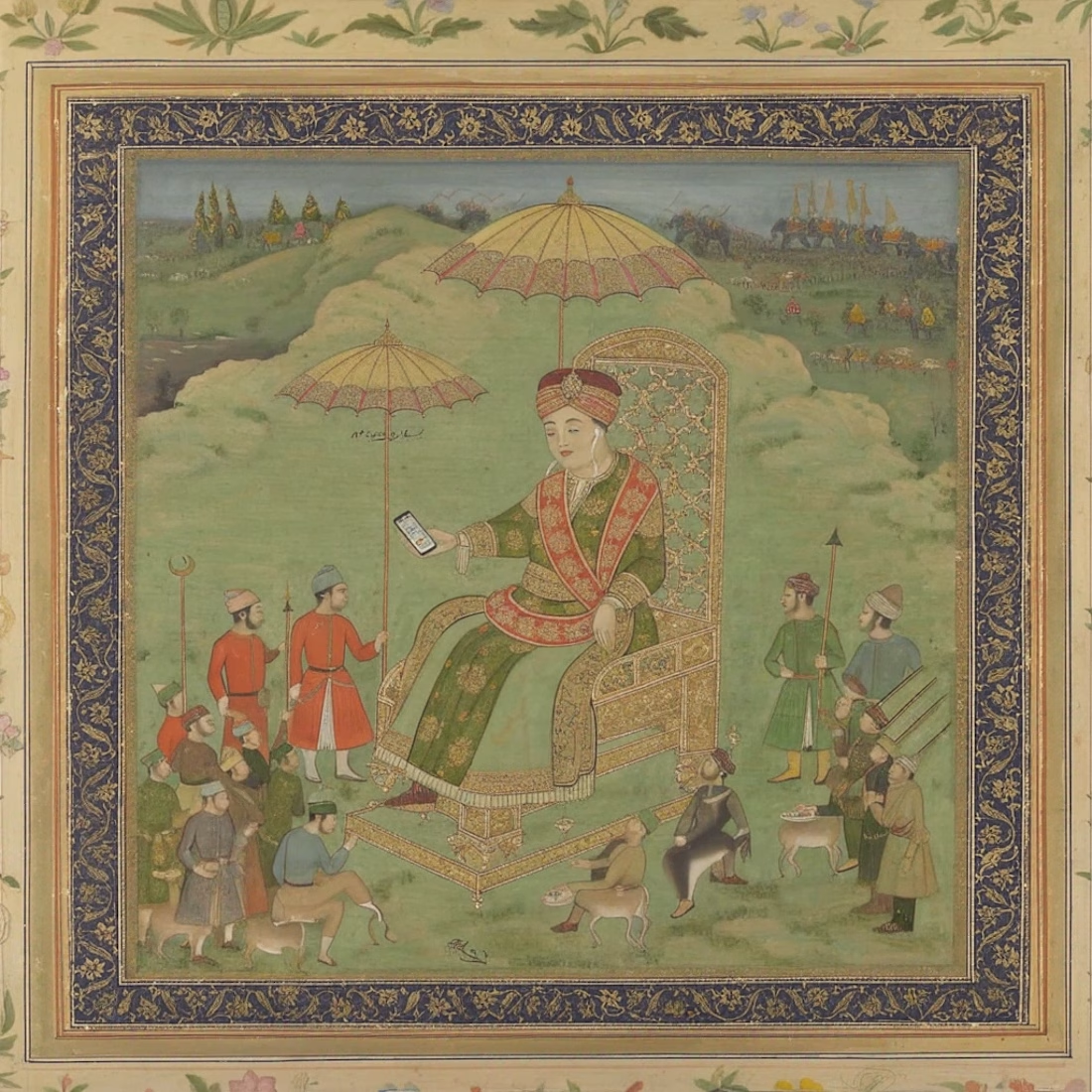
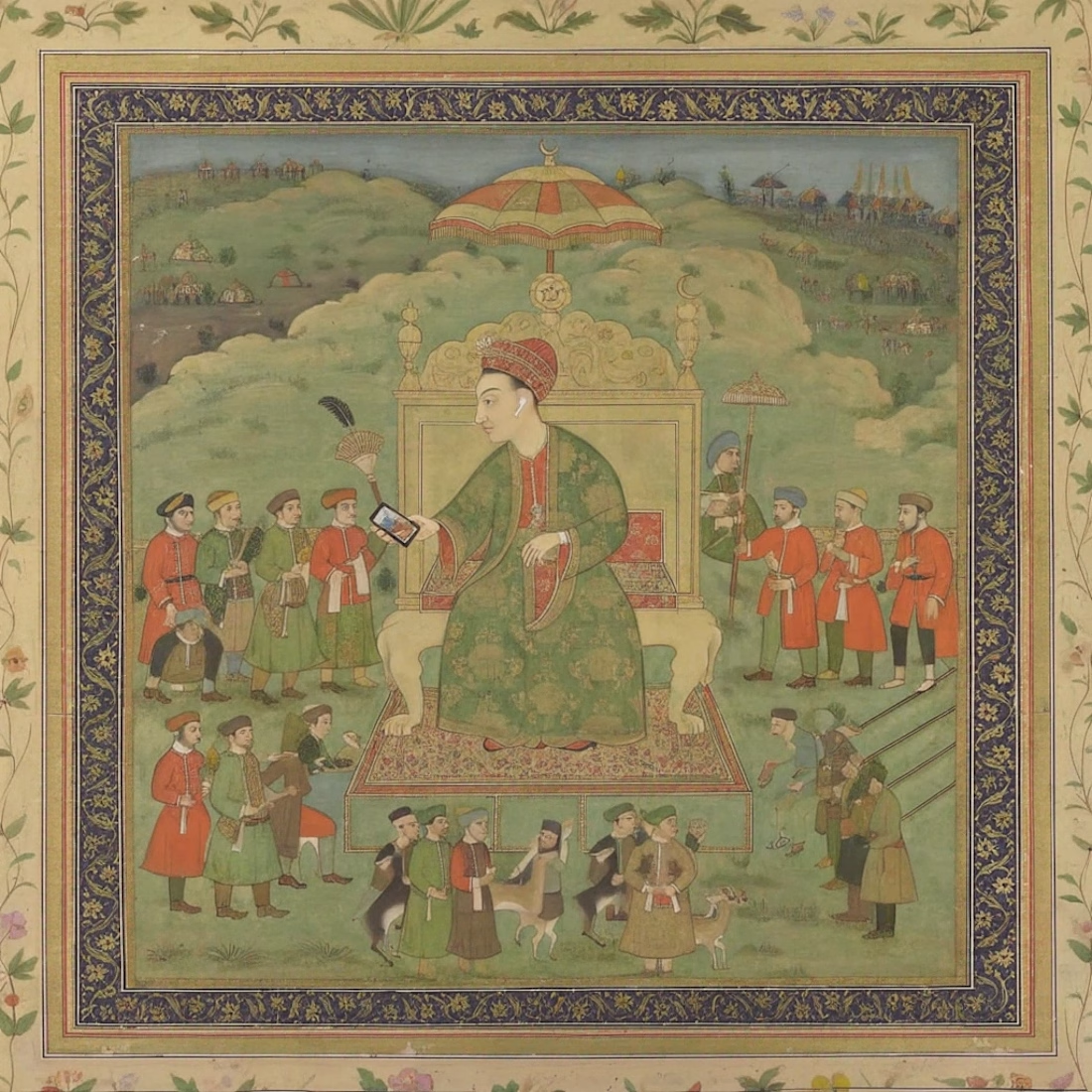
For this challenge, I explored the rich artistic heritage of 17th-century Mughal Miniature Paintings from The Met Museum's public domain archive. I created a custom Recraft Style called 'Mughal Tech' to blend this historic art style with modern digital tools. The series showcases a creative collision where Mughal royalty and soldiers interact with unexpected modern technology like AirPods, smartphones, E-scooters, and food delivery systems, maintaining a unified visual aesthetic throughout the collection.

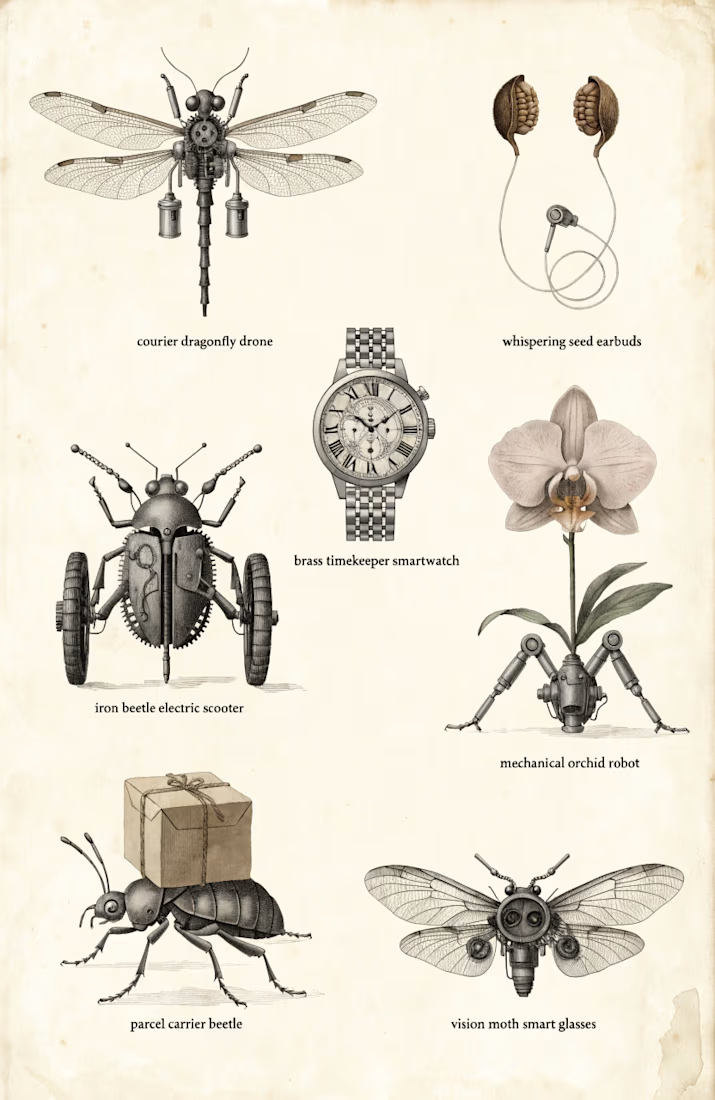
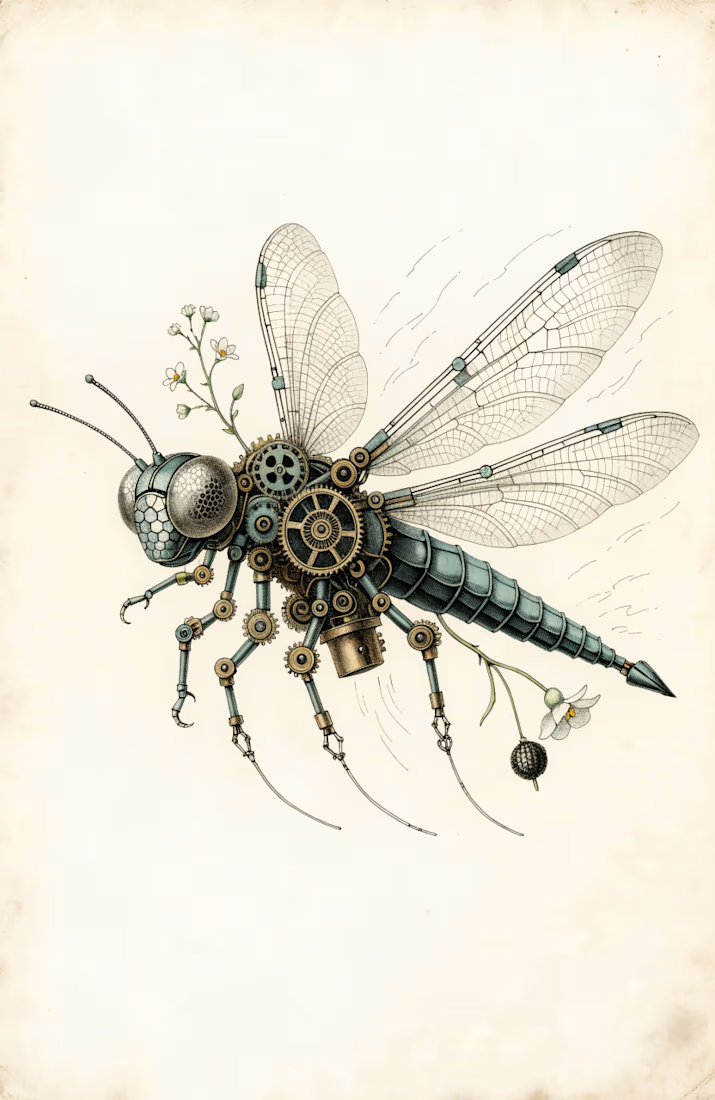
The Unnatural History of Tomorrow
An illustrated archive of mechanical species
What if a naturalist from the 19th century discovered the technology of tomorrow?
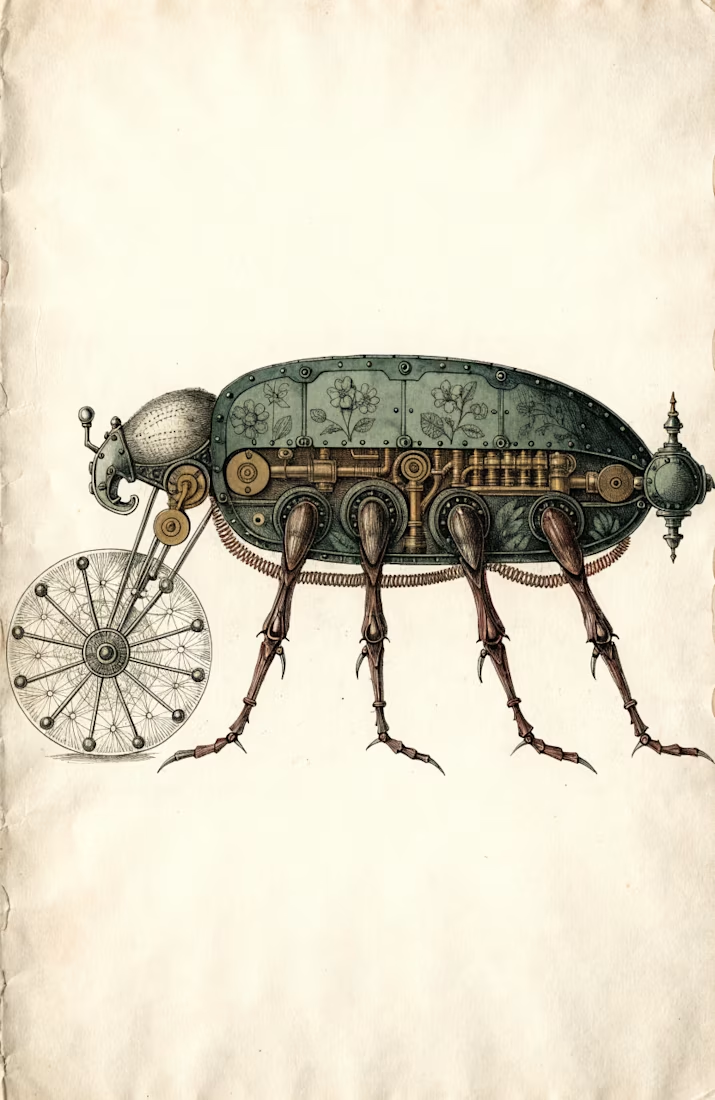
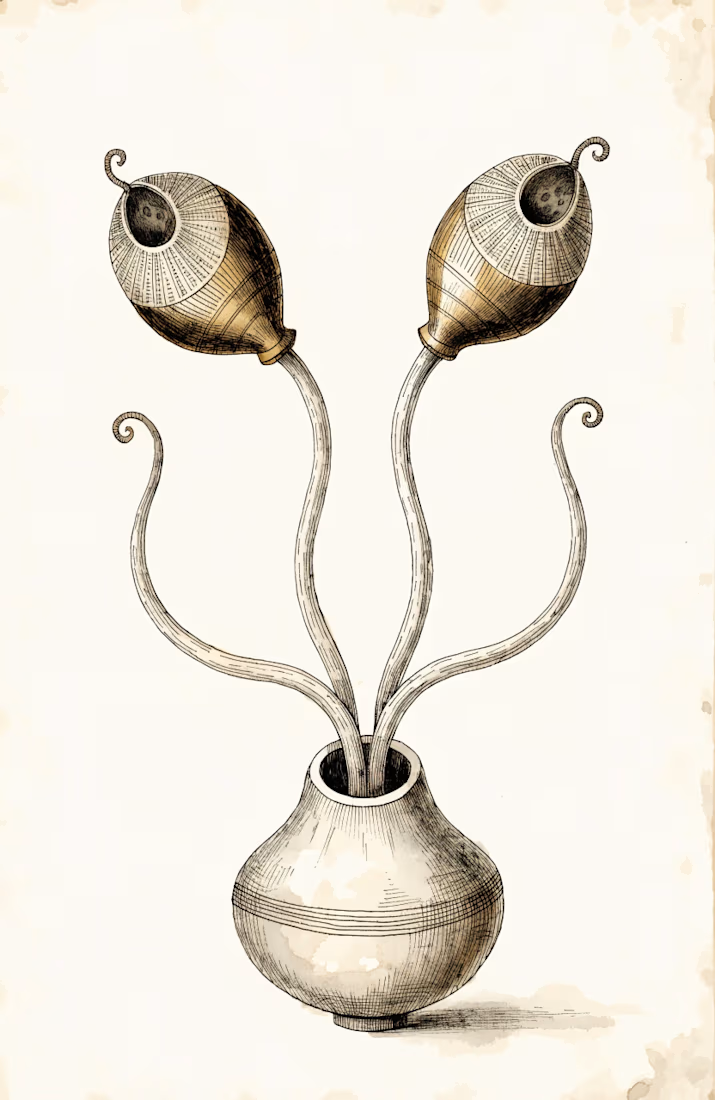
This creative project transforms futuristic technology into extraordinary mechanical species, combining antique botanical illustration, scientific engraving, and speculative design.
From mechanical dragonflies to botanical-inspired devices, each artwork explores the unexpected relationship between historical illustration and imagined future technology.
Creative direction: Art Direction · AI-Assisted Illustration · Visual Storytelling · Speculative Design
Tools: Recraft Studio
Historical inspiration: Public-domain botanical illustrations from The Metropolitan Museum of Art.
Recraft Project: [https://www.recraft.ai/project/362cdaa4-52f4-44b1-9611-de6aed2d9dc8 ]
Historical References: [https://www.metmuseum.org/art/collection/search/697703?utm_source=chatgpt.com ]


This is beautiful, it is giving some kinda feelings I can't really analyse hahaha 😊