The network for creativity
Join 1.25M professional creatives like you
Connect with clients, get discovered, and run your business 100% commission-free
Creatives on Contra have earned over $150M and we are just getting started
Back to feedPost

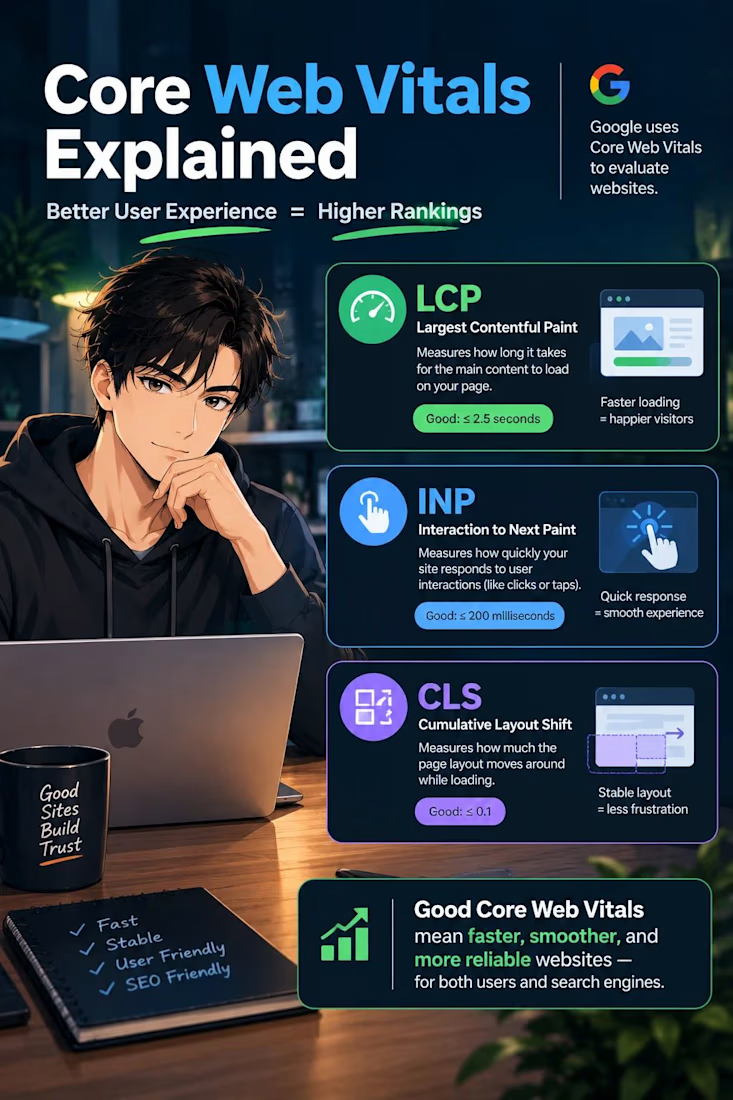
Core Web Vitals are a set of important performance metrics that help measure how fast, responsive, and visually stable a website feels to users. They are especially important for creating a smooth user experience across both mobile and desktop devices.
🔍 The 3 Core Web Vitals
LCP – Largest Contentful Paint:
Measures how quickly the main content of a webpage loads. A good LCP is 2.5 seconds or less.
INP – Interaction to Next Paint:
Measures how quickly a page responds when users interact with it, such as clicking a button, opening a menu, or submitting a form. A good INP is 200 milliseconds or less.
CLS – Cumulative Layout Shift:
Measures how much the page unexpectedly moves while loading. A good CLS score is 0.1 or less.
Why Do Core Web Vitals Matter?
A website that loads quickly, responds smoothly, and remains visually stable provides a much better user experience. Poor performance can frustrate visitors and may lead to higher bounce rates and fewer conversions.
Core Web Vitals are also part of Google's page experience signals, so they should be an important consideration in your technical SEO strategy.
🛠️ How to Improve Core Web Vitals
Optimize and compress images
Improve server response time
Remove unnecessary JavaScript
Reduce render-blocking resources
Use caching and a CDN
Reserve space for images and ads
Optimize fonts and third-party scripts
Keep your website's code lightweight
SEO Tip: Don't focus only on rankings. A technically optimized website should also provide a fast, stable, and enjoyable experience for real users.
Check your Core Web Vitals regularly using Google Search Console, PageSpeed Insights, and Chrome DevTools to identify performance issues and track improvements.
#CoreWebVitals #TechnicalSEO #SEO #PageSpeed #WebPerformance #GoogleSEO #OnPageSEO #WebsiteOptimization #UX #DigitalMarketing
The network for creativity
Join 1.25M professional creatives like you
Connect with clients, get discovered, and run your business 100% commission-free
Creatives on Contra have earned over $150M and we are just getting started







Related posts


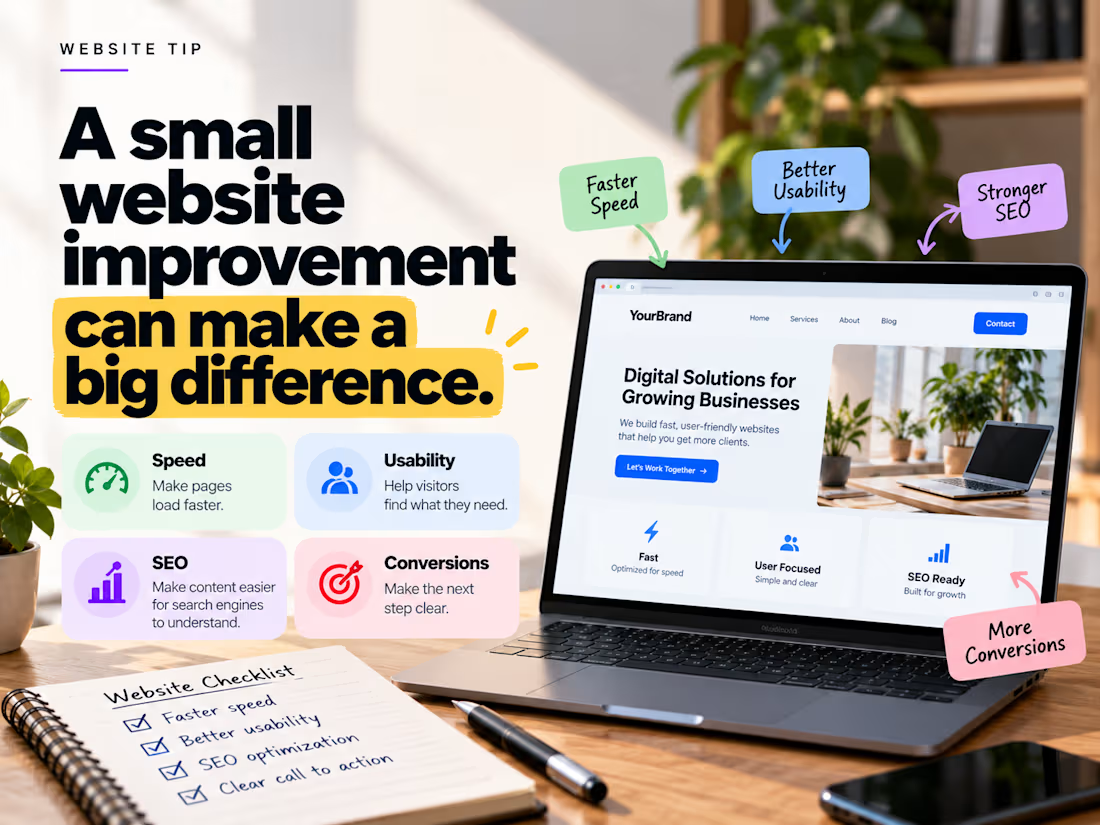
A small website improvement can make a big difference. 💡
When building or improving a website, it's easy to focus only on how it looks.
But great websites need more than good design.
Here are 4 things I always consider:
→ Speed: Make pages load faster.
→ Usability: Help visitors find what they need.
→ SEO: Make content easier for search engines to understand.
→ Conversions: Make the next step clear.
You don't always need a complete redesign.
Sometimes, fixing a few important issues can create a much better experience.
Build smarter. Improve continuously. Make every change count. 🚀
What’s the first thing you check when auditing a website?
#WordPress #WebDevelopment #SEO #WebsiteOptimization #Contra



Hi, I'm Farwa Shah an SEO Specialist passionate about helping businesses grow their online presence and achieve better visibility on search engines.
My journey into SEO has been filled with challenges, learning, and personal growth. Through dedication, consistency, and a strong desire to improve, I've worked hard to develop my skills and build my place in the digital marketing world.
My expertise includes Keyword Research, On-Page SEO, Off-Page SEO, Competitor Analysis, Link Building, and Website SEO Audits.
I believe SEO is not just about rankings; it's about understanding a business, reaching the right audience, and creating long-term growth opportunities.
I'm always excited to connect with business owners, agencies, and professionals who are ready to take their online presence to the next level.
✨ Let's connect, collaborate, and grow together!




Yes SEO id very crucial

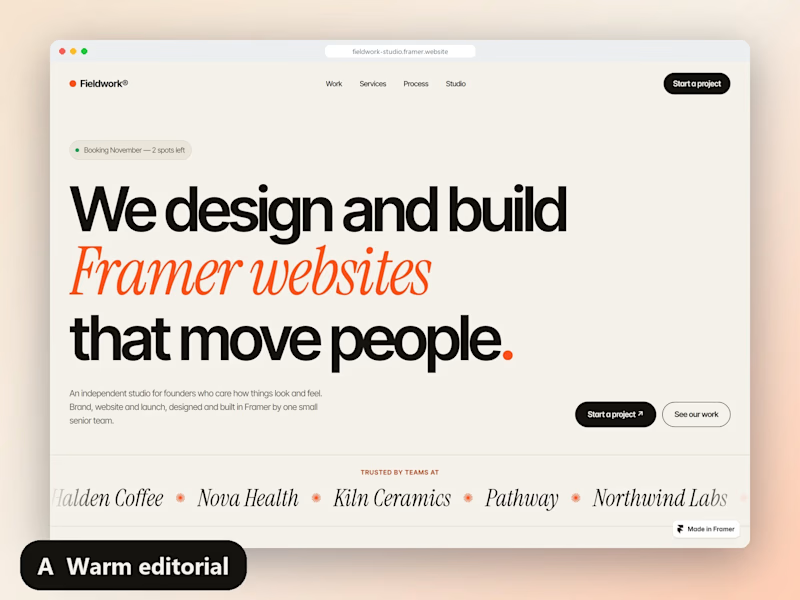
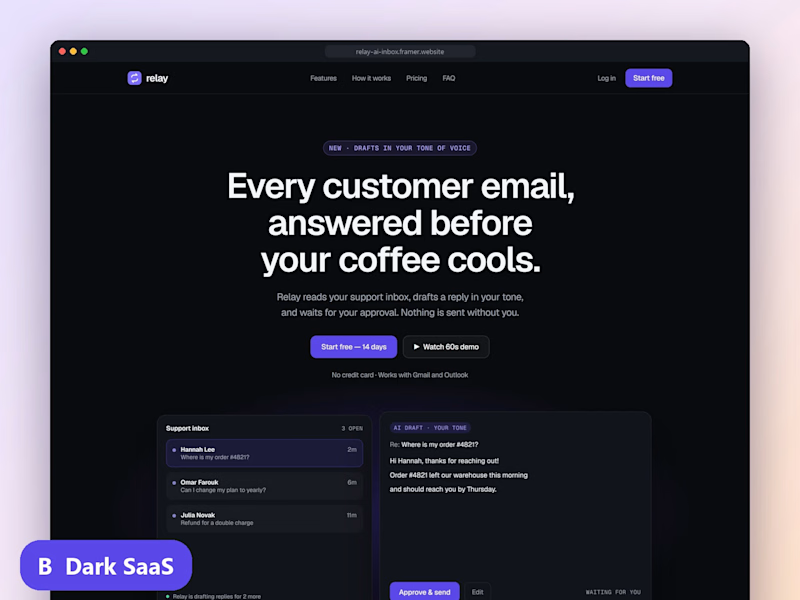
Founders: you get 3 seconds on a homepage. Which hero makes you book the call?
Both are live Framer sites I built this month (PageSpeed 97+ on desktop):
A: fieldwork-studio.framer.website
B: relay-ai-inbox.framer.website
Vote, then tell me why in the comments. I reply to every one.

6 voted
67%
3 voted
33%
9 votes
Closed
