The network for creativity
Join 1.25M professional creatives like you
Connect with clients, get discovered, and run your business 100% commission-free
Creatives on Contra have earned over $150M and we are just getting started
Back to feedPost

A buyer fills in "Book a Viewing" on a real estate website.
Within 60 seconds, an AI voice agent calls them back, answers their questions and books the viewing on the live calendar.
The team starts the day with viewings booked, not a list of people to call back.
A quick check for your own business:
- open your last 20 website leads.
- For each one, compare when the form came in with when someone first called.
If the usual gap is hours rather than minutes, that's where your viewings go.
Want that gap closed?
I'd love to discuss your setup in more detail.
P.s the case study is on my profile


The 60-second callback isn't a feature — it's the entire competitive advantage. Great breakdown, Katya.
Yeah exactly, especially in competItive industries like real estate
Thx!!
The network for creativity
Join 1.25M professional creatives like you
Connect with clients, get discovered, and run your business 100% commission-free
Creatives on Contra have earned over $150M and we are just getting started





Related posts

AI productivity app focused on voice commands, tasks, scheduling, and reminders.




Turning my Shan Hai Cuties looping animations into interactive foil cards 🃏✨
Designed the card elements and layers in Figma, then used GPT-6.1 Sol to bring the interactions to life. I spent some time refining the details, but so far, so good — I’ll keep experimenting and sharing the progress!

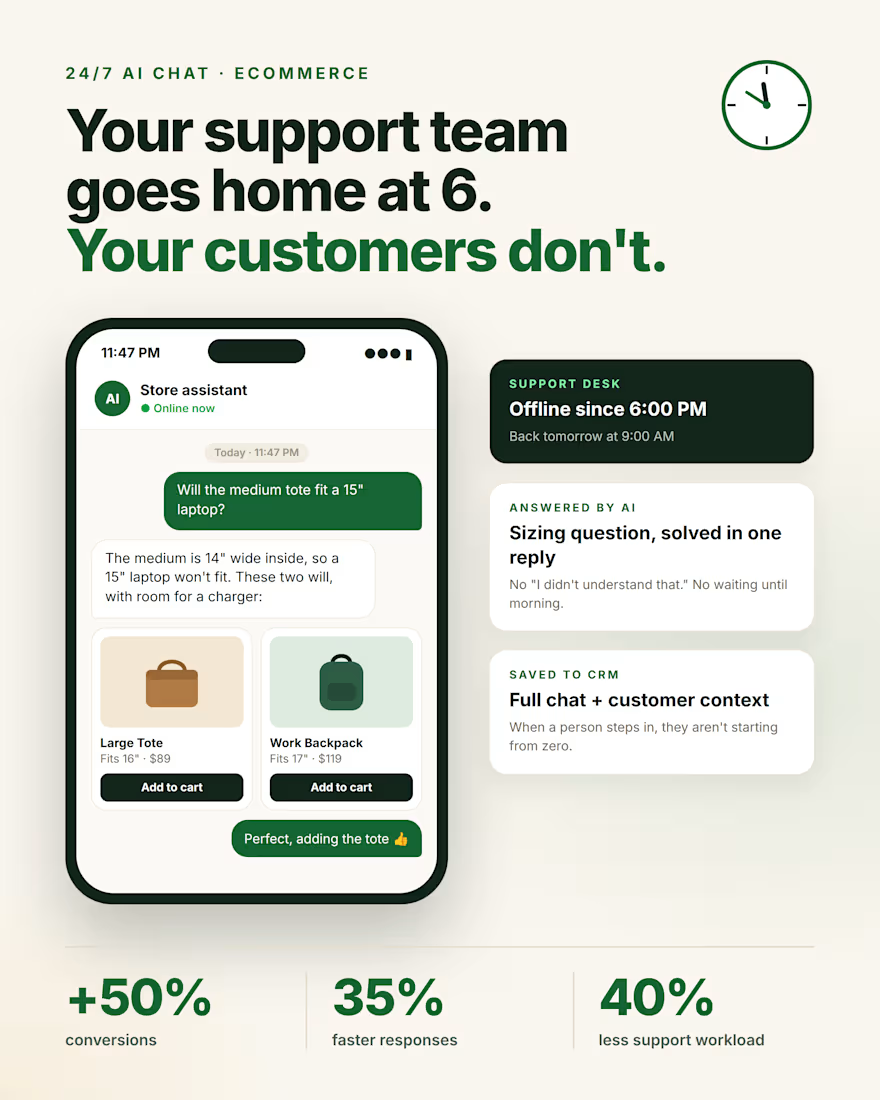
Your support team goes home at 6. Your customers don't. An online retailer we worked with had a simple problem.
Shoppers asked questions at 11pm, on weekends, on holidays.
The answers came the next morning, and by then a lot of them had bought somewhere else.
We built a 24/7 AI chat into their store. Not a FAQ bot that says "I didn't understand that" three times.
It handles the common questions on its own, recommends products inside the conversation, and drops every chat into their CRM with the full customer context.
When a person does step in, they aren't starting from zero. → 50% more conversions → 35% faster response time → 40% less support workload The part people underestimate is the CRM link.
A chat that sells but forgets who the customer is just moves the problem to your team. Support and sales turned out to be the same conversation.

Question for ecommerce founders. What share of your support questions come in outside working hours? Have you ever checked? It's usually the first number I ask for.