The network for creativity
Join 1.25M professional creatives like you
Connect with clients, get discovered, and run your business 100% commission-free
Creatives on Contra have earned over $150M and we are just getting started
Back to feedPost

hey, world!
My submission for the StitchChallenge!
Prototype link
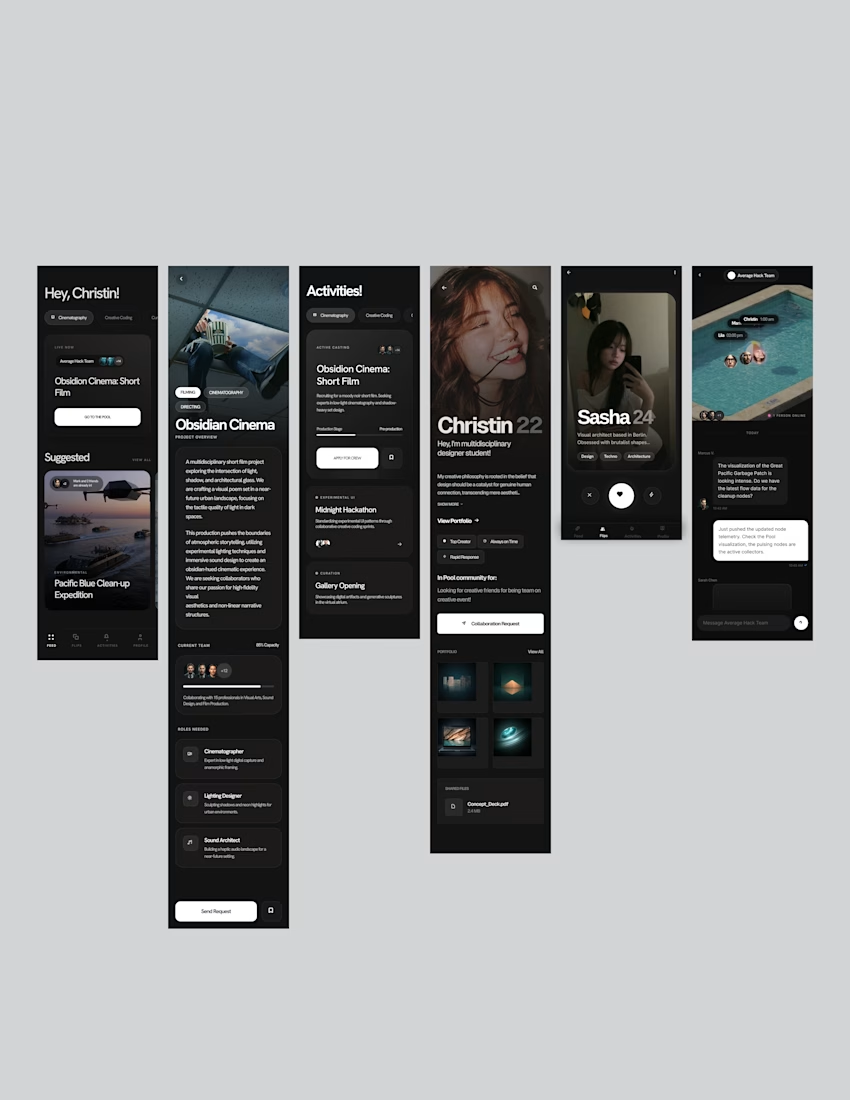
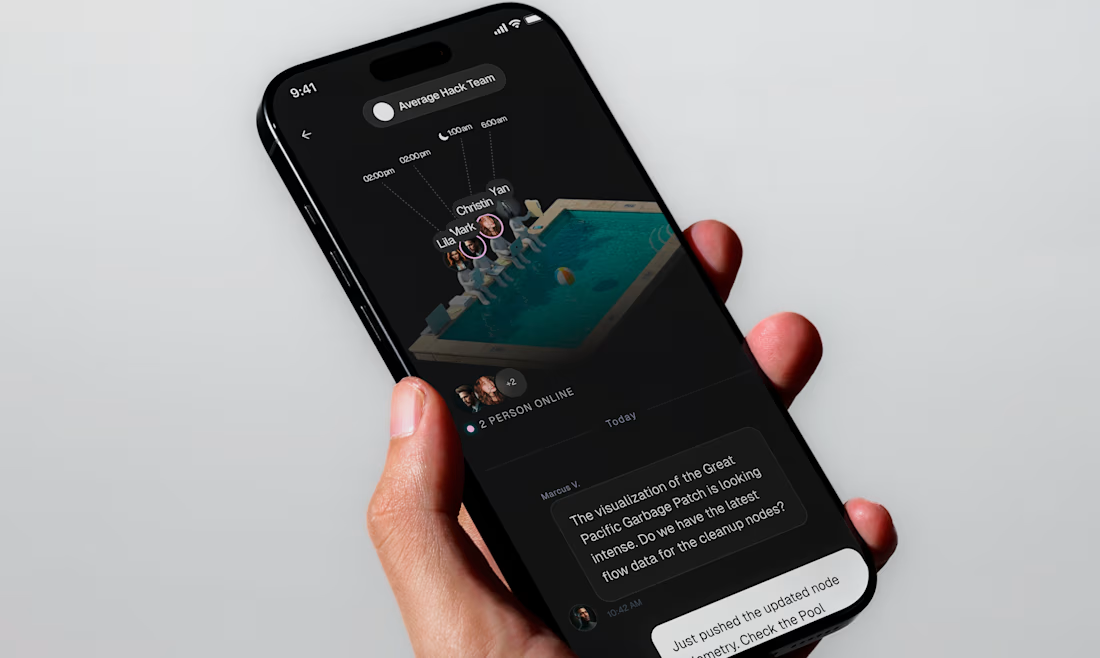
Pool is a community platform for building teams around non-commercial ideas, projects, events, and initiatives. Pool is a pool of people, tasks, and literally a pool.
Whether you're organizing a film shoot, hackathon, local event, creative collaboration, social project, or simply looking for like-minded people, Pool helps you find teammates, join activities, and turn ideas into reality
Every member has a personal profile called a Flip — a snapshot of who they are, what they do, what they've achieved, and what they're looking for in the community.
Powered by Gemini, Nano Banana, and Stitch, of course! =)
I used Stitch to generate functionality ideas first, then to create wireframes. It inspired a lot of the concepts. I completed the brief and dropped it into Stitch.
Most of my time was spent explaining the visual identity and animation details. The pool concept was surprisingly difficult for Stitch to understand, but it still produced a pretty good result. The animations turned out great!
Some challenges I ran into:
- Sometimes it doesn't understand very simple requests, like changing a color, and it's faster to do it manually.
- Navigation ended up being implemented differently across screens.
- It would be great if headers and other recurring UI elements could be turned into reusable components.
- The strangest issue: sometimes a screen updates successfully, but after a few minutes it reverts back to a previous state.
In some cases, I sketched ideas in Figma first and then fed them into Stitch, which made the results much more accurate.
But the animations by stitch are really exciting!


The network for creativity
Join 1.25M professional creatives like you
Connect with clients, get discovered, and run your business 100% commission-free
Creatives on Contra have earned over $150M and we are just getting started

Challenges
View all


Related posts

Same data, two different ways to experience it 🤔
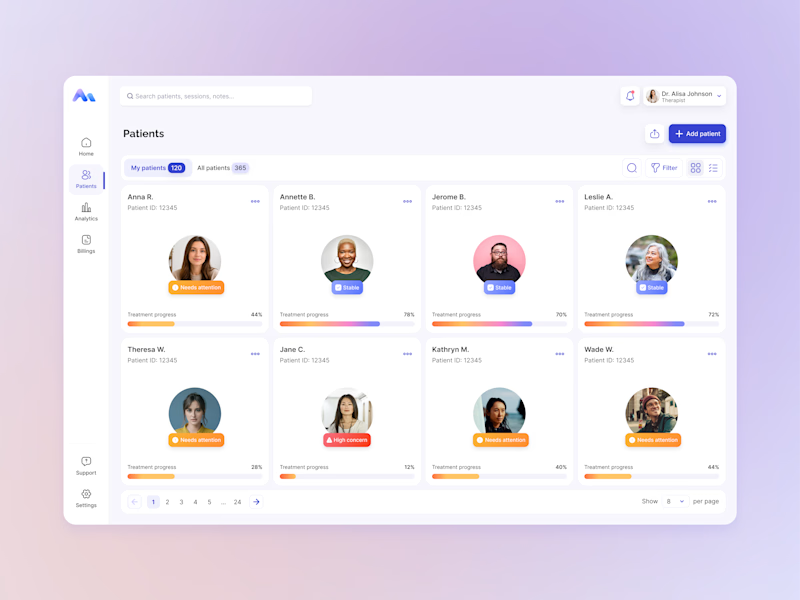
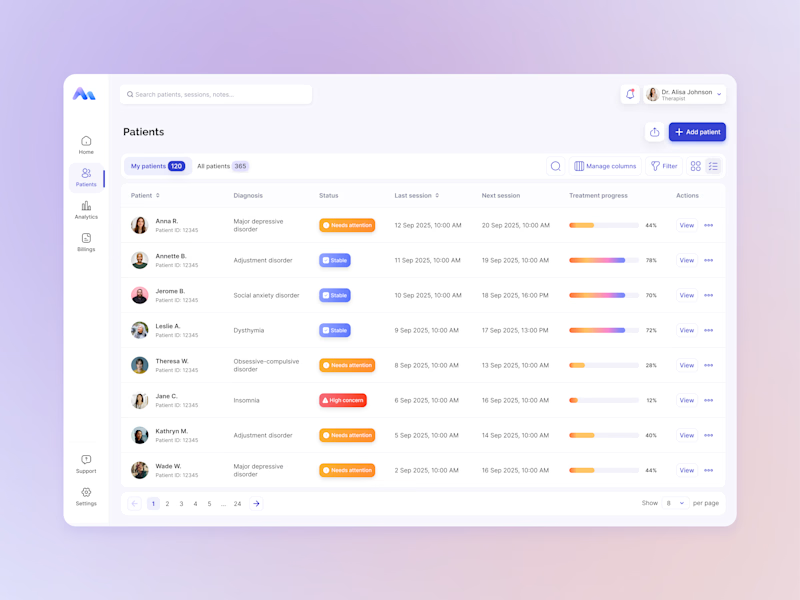
I explored two patient list layouts for a mental health platform: a card view and a table view.
Cards feel more visual and personal, but space is limited and adding more information can quickly make them crowded. For complex enterprise products, I often find tables more practical — they’re easier to scan, compare, sort, and can support more columns when users need greater visibility.
For this kind of workflow, I’m leaning toward the table view. Which would you choose — cards or table?
11 voted
55%
9 voted
45%
20 votes
Closed

For a mental-health patient list the choice isn't really card vs table — it's scan-speed vs context. The card wins the first meeting because the photo and name set the clinician's mental model before they touch the row, but the table is what holds up under the daily rhythm of...


Product first or brand first? 🤔
We're cutting the promo reel for our case study and can't agree on its start. ✨
Which product ad opening would make you stay past the first 3 seconds?
Vote and tell why! 👇
Product DesignSoftware DevelopmentAdobe After EffectsCinema 4DFigmaBrand DesigncreativeaiworkflowUX Design


15 voted
25%
46 voted
75%
61 votes
Closed

I think both is important, but good product first.

Both on-brand. Just two different sides of the same story.
Which color would make you trust "better spaces, a healthier you" more? 👇

44 voted
100%
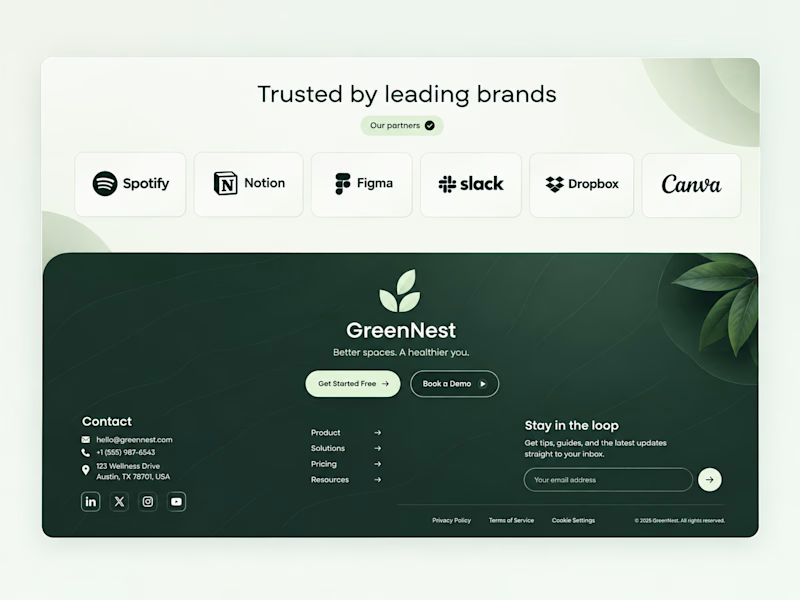
0 voted
0%
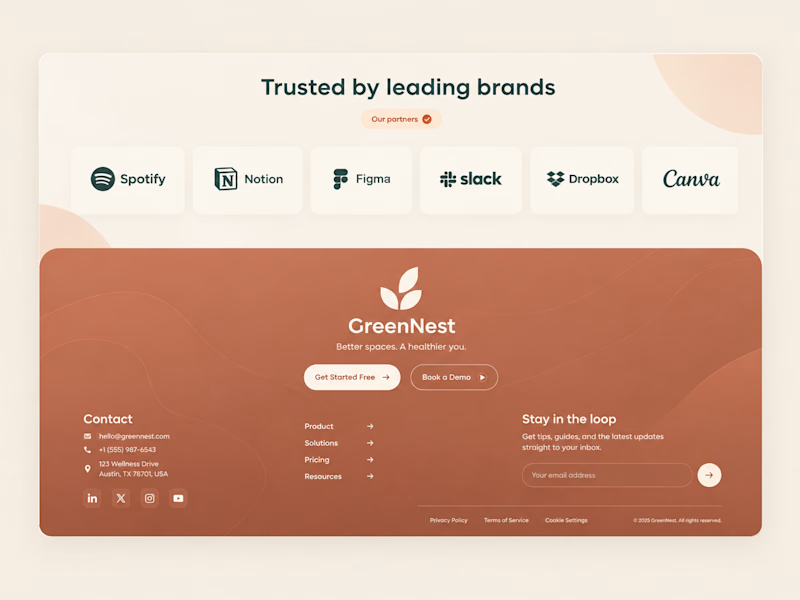
44 votes
Closed
