The network for creativity
Join 1.25M professional creatives like you
Connect with clients, get discovered, and run your business 100% commission-free
Creatives on Contra have earned over $150M and we are just getting started
Back to feedPost

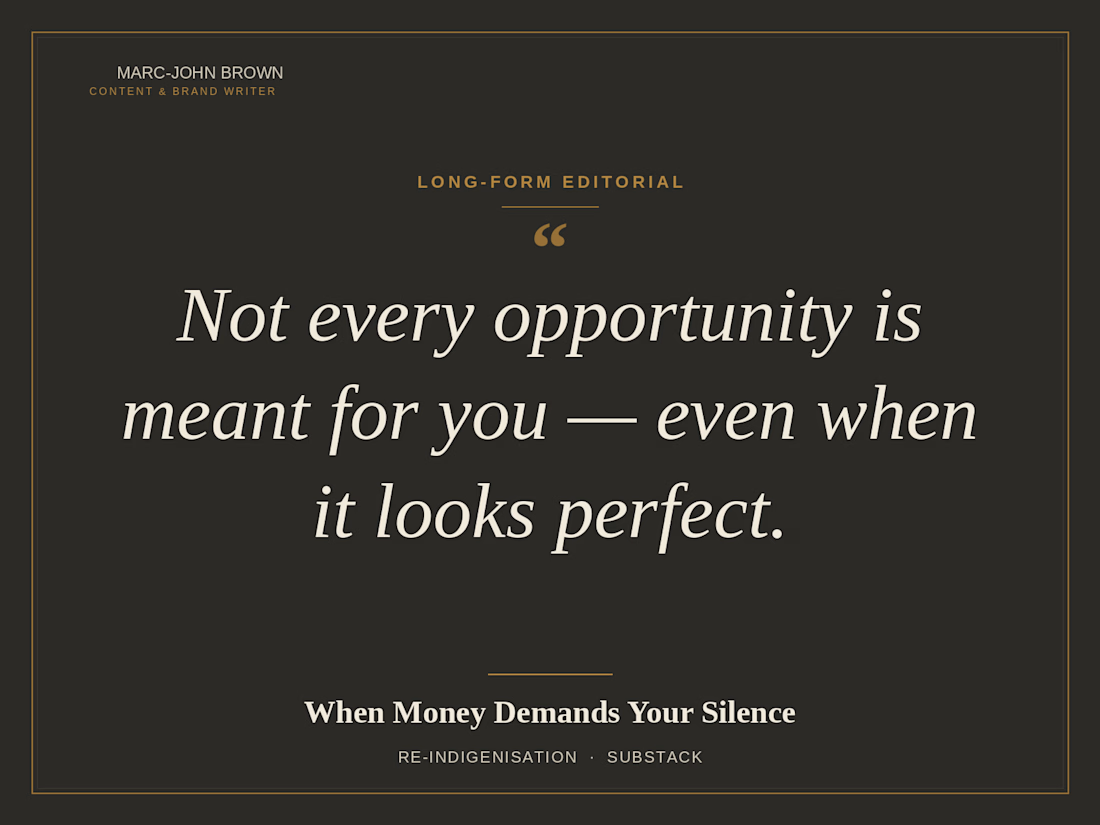
This is a piece from my Substack publication on sacred entrepreneurship and reconnecting with indigenous wisdom. It's built around a single decisive moment — losing an investor five days before closing on land for our sanctuary, because I wouldn't stay quiet on a subject that mattered to me — and uses that to open out into a wider reflection on values-led business. I write most of my long-form this way: a real moment first, the argument second. It's a good example of my editorial voice and how I structure a personal essay so it lands an idea, not just a story.

The network for creativity
Join 1.25M professional creatives like you
Connect with clients, get discovered, and run your business 100% commission-free
Creatives on Contra have earned over $150M and we are just getting started





Related posts

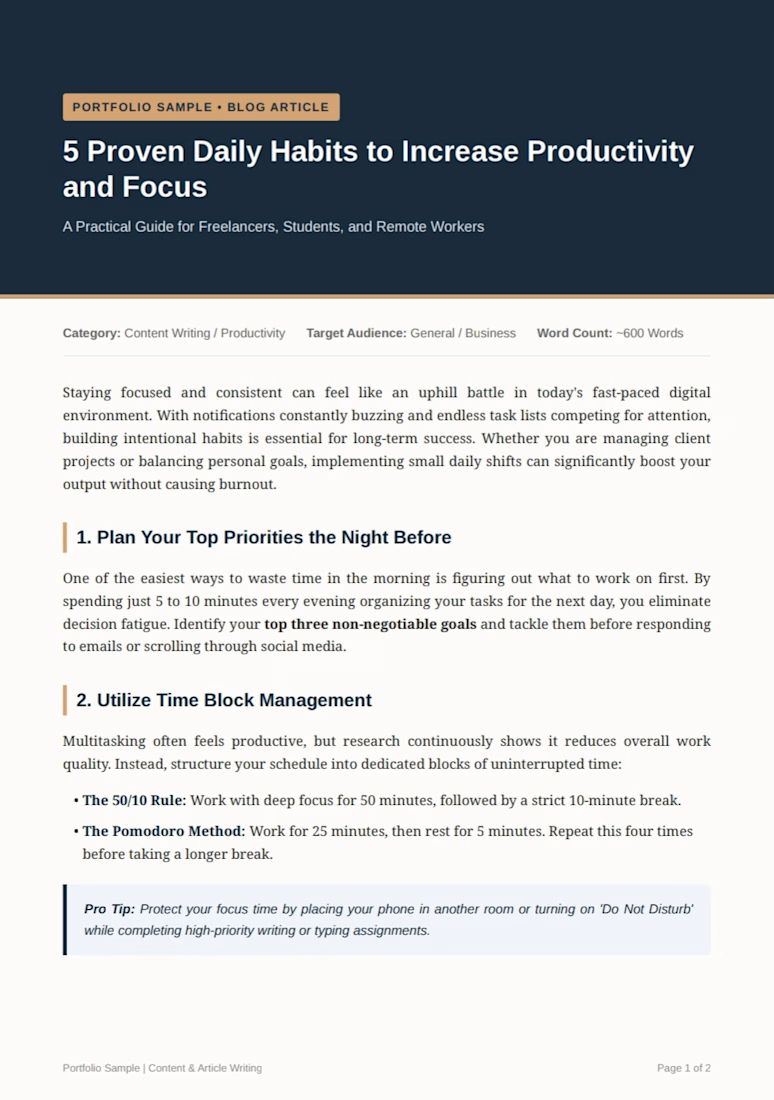
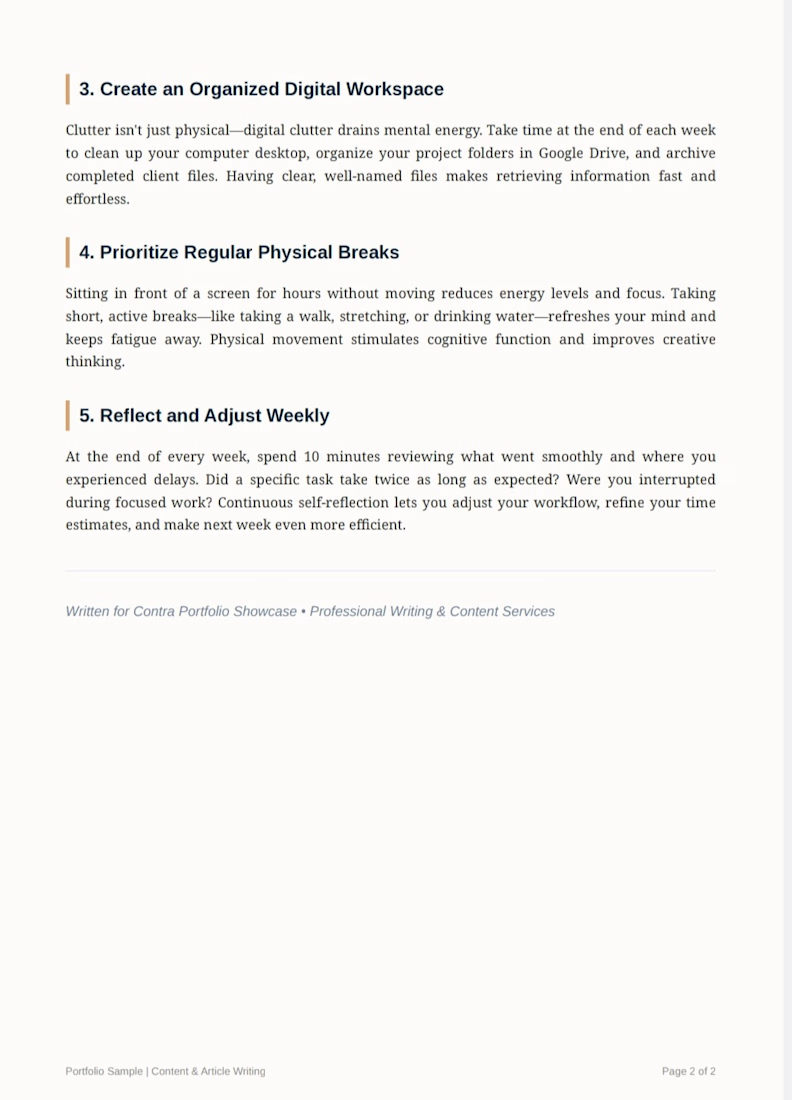
Project Title: 5 Proven Daily Habits to Increase Productivity and Focus.
Project Type: Blog Post / Content Article .
About the work
I typed and formatted a clear 600-word blog article on improving daily focus .
What I did :
• Wrote actionable tips on time-blocking and planning.
•Used subheadings , bullet points, and tip boxes for easy reading.
•Proofread and spell-checked the draft so it's clean and ready to publish .

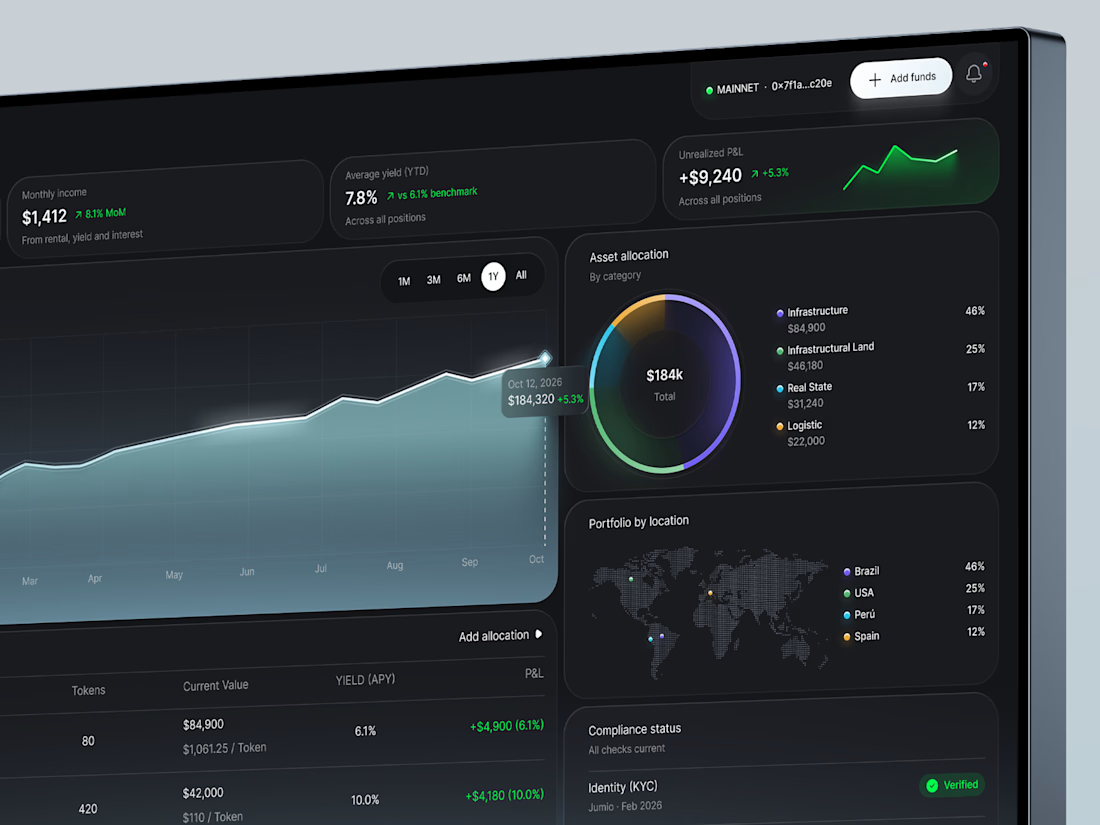
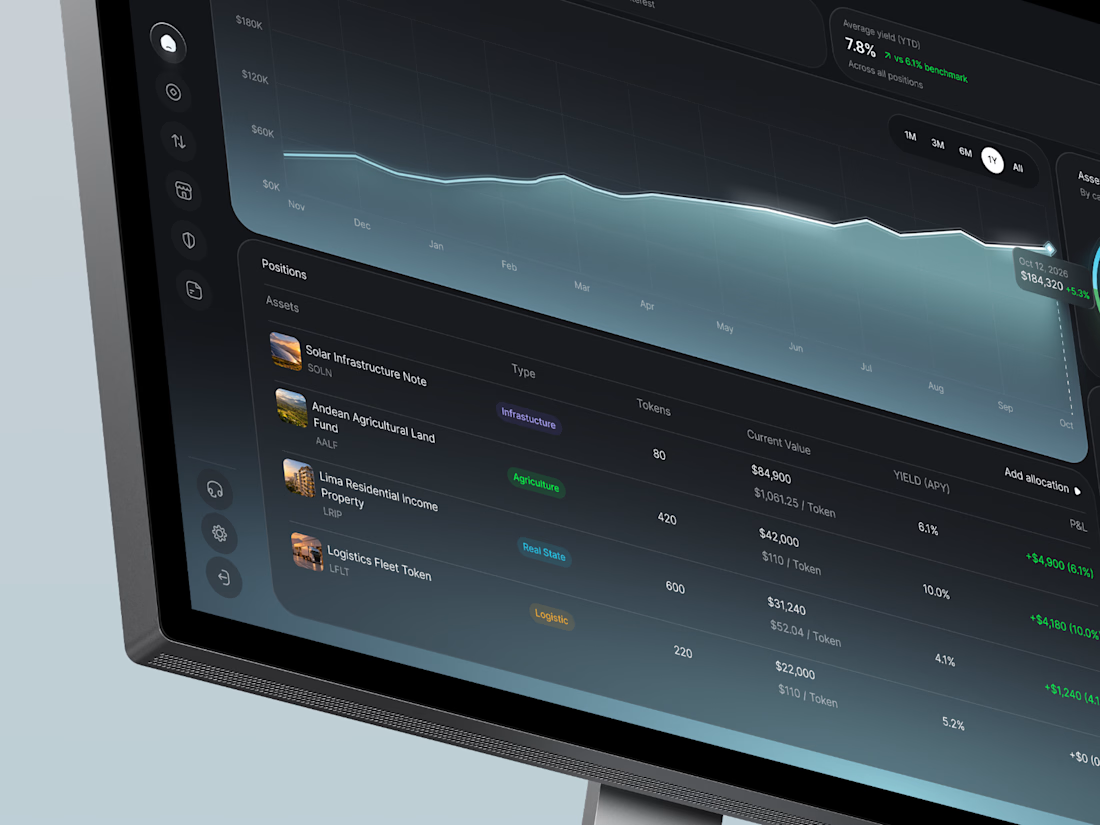
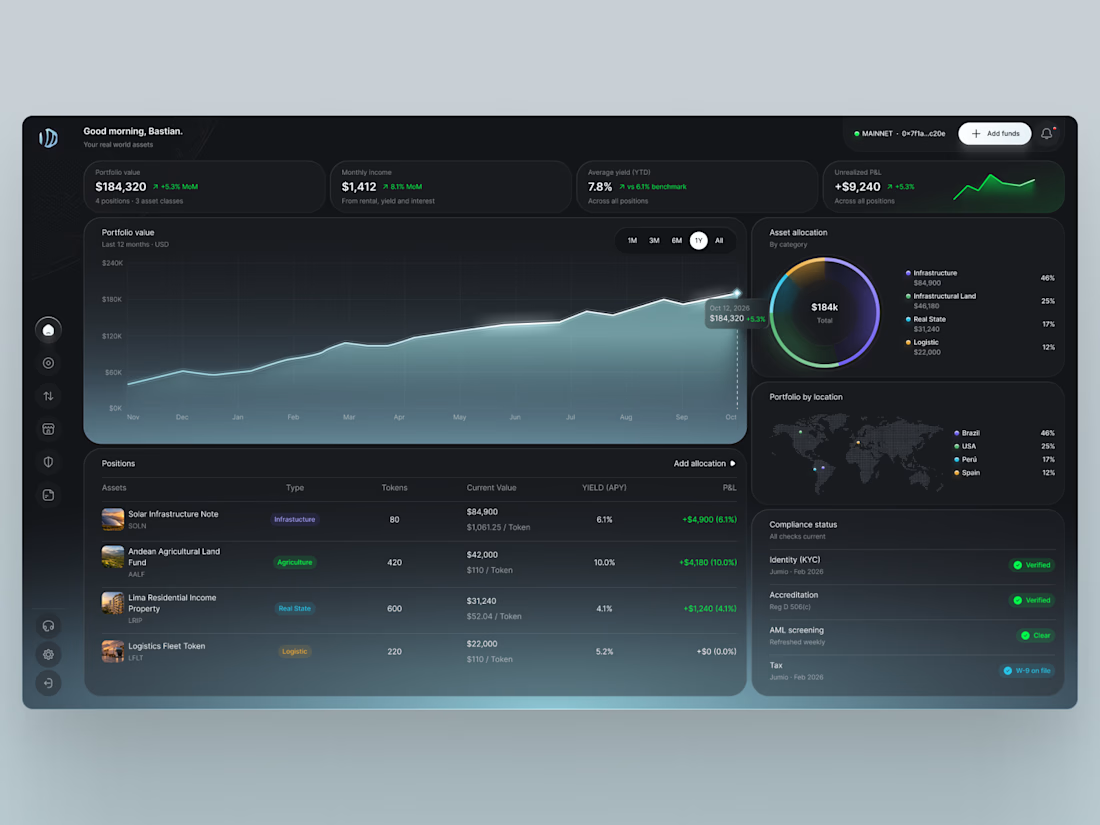
RWA Marketplace
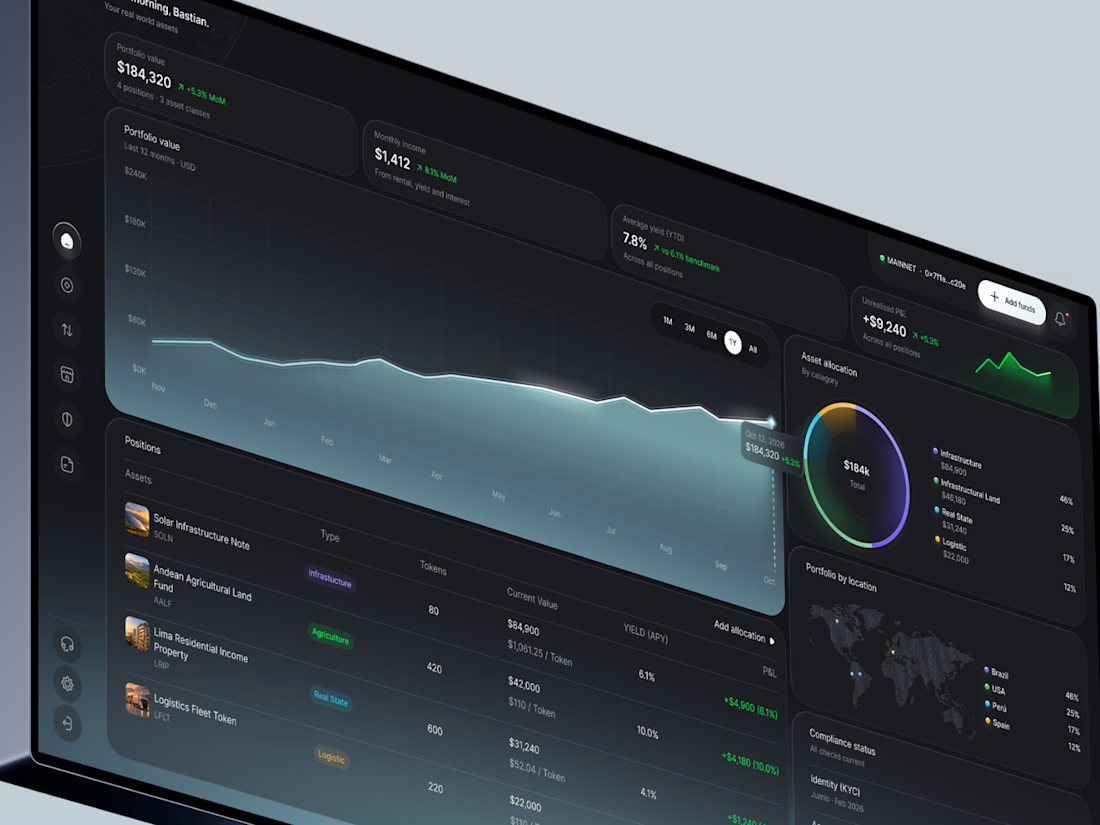
Real-world asset tokenization is becoming one of the most interesting intersections between Web3, fintech and traditional assets.
For this exploration, I imagined a marketplace connecting two sides of the ecosystem:
Asset issuers — companies bringing real-world assets such as real estate, agricultural land, logistics fleets and solar infrastructure on-chain.
Asset holders — people discovering, acquiring and managing those tokenized assets as part of their portfolio.
The dashboard focuses on the holder experience: portfolio value, monthly income, yield, asset allocation, geographic exposure, positions and compliance.
The goal wasn't to design another crypto dashboard.
It was to explore how we could make tokenized real-world assets feel understandable, transparent and manageable.



Have you ever felt like being a “real” writer means you should be good at every part of writing?
Some writers love building worlds and figuring out how everything fits together. Others come alive when they’re developing characters, chasing a new idea, or finding the deeper meaning in a scene. You can learn from what challenges you without overlooking the strengths you already bring to the page.
My latest article is about giving yourself room to write the way you write best—and recognizing when another writer’s perspective could help your story grow.
What part of writing pulls you in most?


amandaleewrites.substack.com
You Don’t Have to Be Good at Every Part of Writing
What if our different creative strengths gave writers a reason to collaborate instead of compete?