The network for creativity
Join 1.25M professional creatives like you
Connect with clients, get discovered, and run your business 100% commission-free
Creatives on Contra have earned over $150M and we are just getting started
Back to feedPost

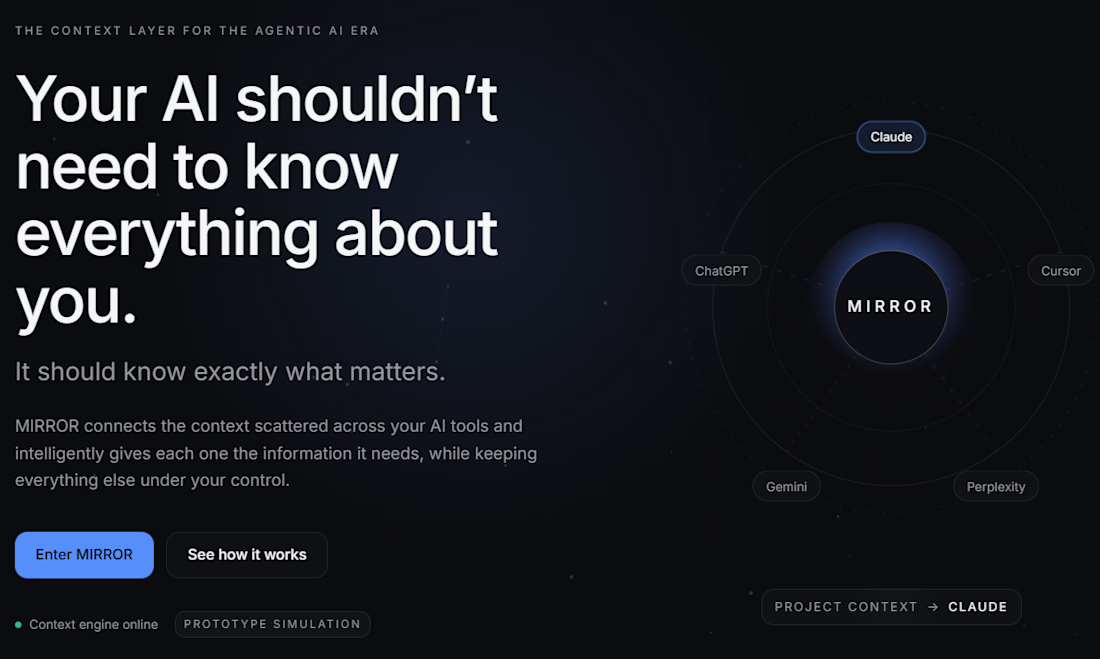
The biggest problem with AI might not be intelligence. It might be context.
As we move between ChatGPT, Claude, Gemini and other AI tools, one problem keeps emerging: our context is scattered, our preferences get repeated, and important details don't always make it into the conversation where they're needed.
MIRROR is my exploration of a different approach.
It's a concept prototype built around one question: What if you could control what an AI knows about you, instead of starting from scratch every time?
The experience explores three key ideas:
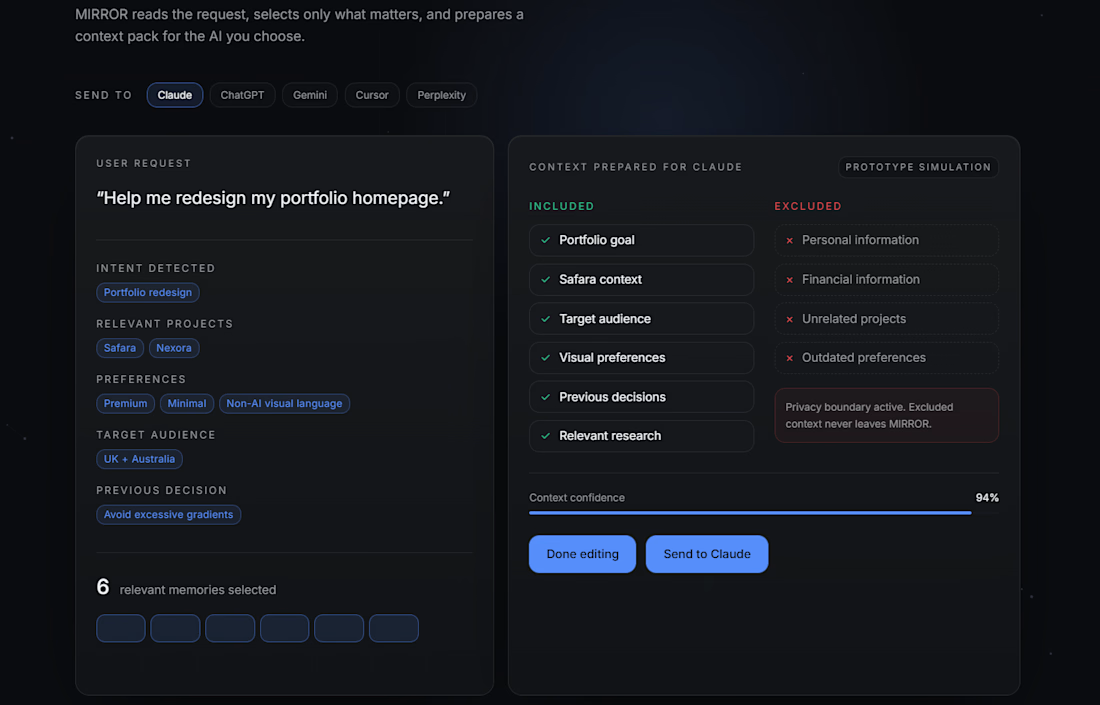
→ Context Composer: Identify the information relevant to a task and prepare a focused context pack.
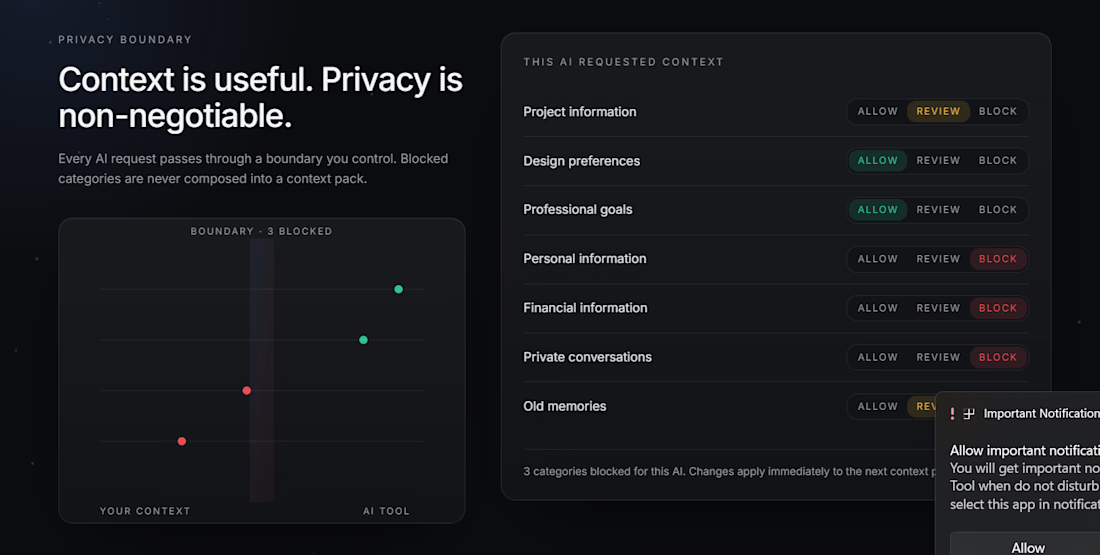
→ Privacy Boundary: Give users control over what gets included, reviewed or excluded.
→ Memory & Context Conflicts: Make preferences visible, editable and easier to resolve when new requests contradict previous ones.
The design challenge was to make an abstract AI infrastructure problem feel tangible through a clear, intuitive interface, without overwhelming users with complexity.
MIRROR is currently a simulated prototype, not a live product with real AI integrations. It's an exploration of how context, privacy and user control could work together in AI experiences.
Because the next step in AI might not be giving it more information.
It might be giving it the right information, with the right boundaries.
I'd love to hear how other product designers and AI builders think about this problem.


The network for creativity
Join 1.25M professional creatives like you
Connect with clients, get discovered, and run your business 100% commission-free
Creatives on Contra have earned over $150M and we are just getting started






Related posts



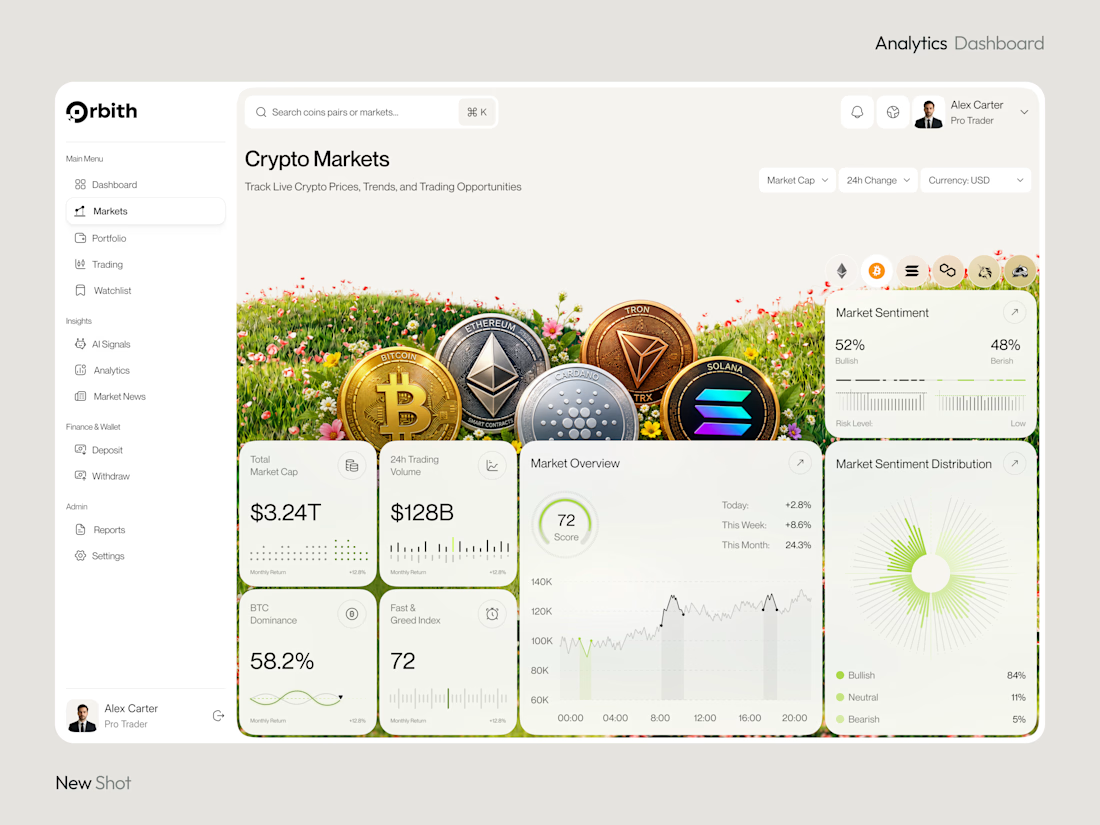
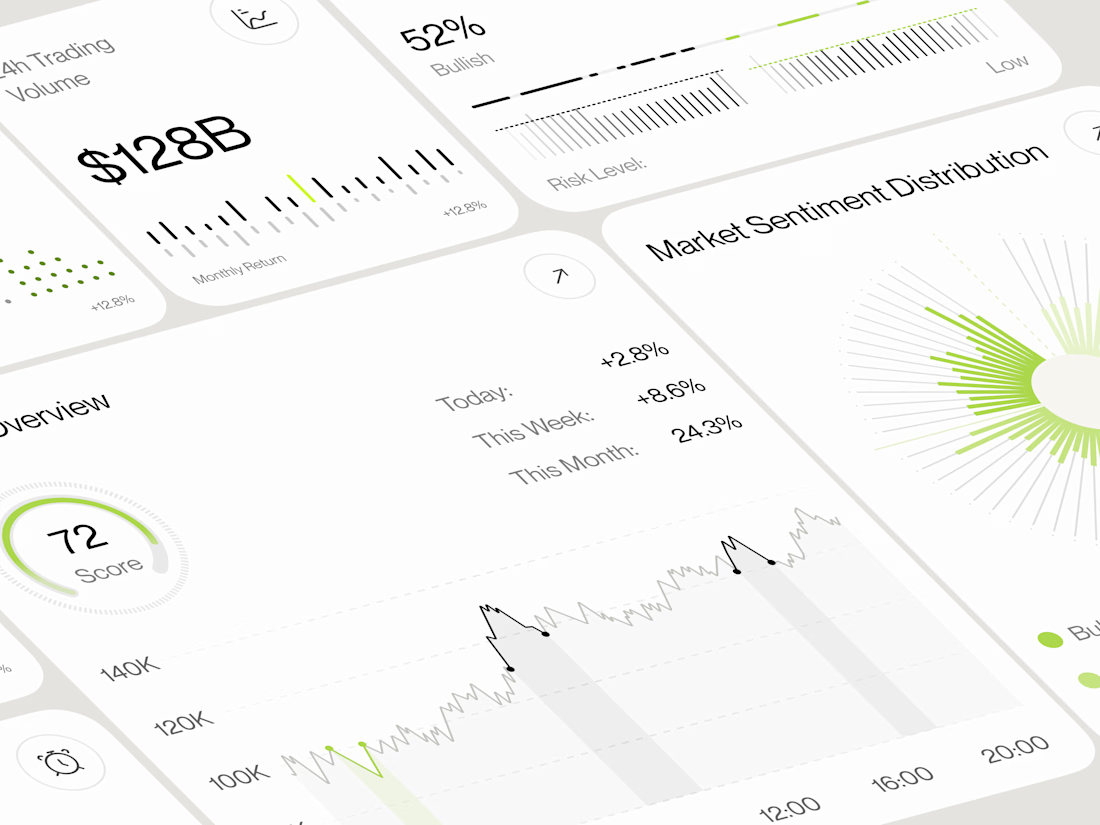
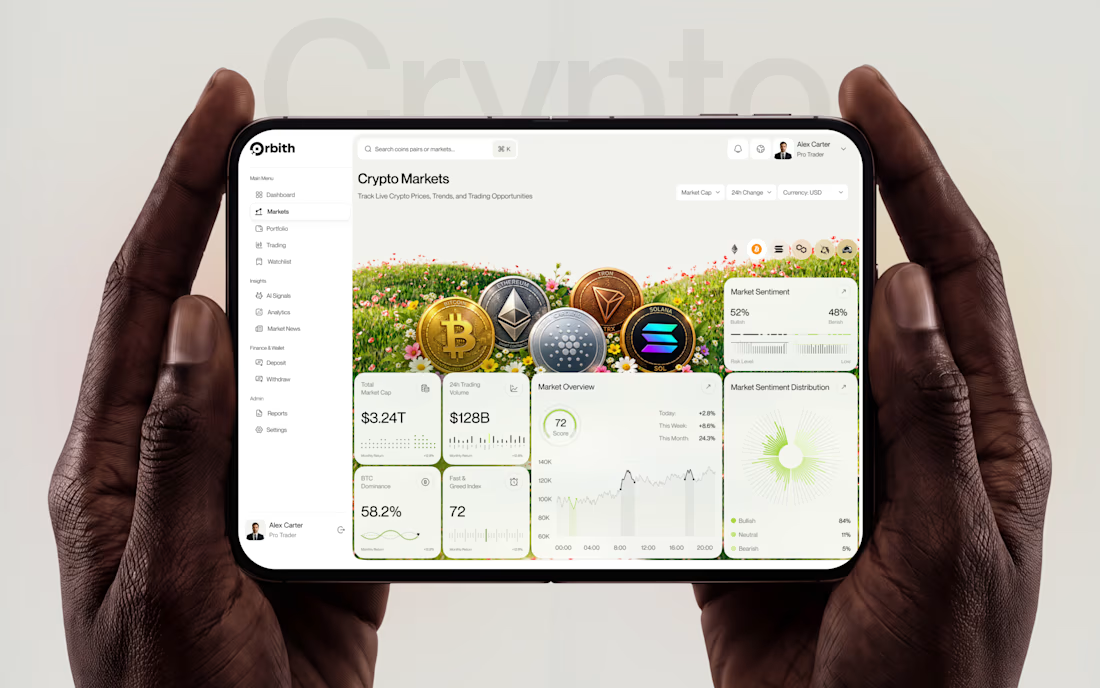
Most crypto dashboards show numbers. Great design turns those numbers into decisions.
Meet Orbit — a crypto analytics dashboard where real time insights meet a premium, data-driven experience.
Would you trust this interface with your next trading decision?
#UIDesign #DashboardDesign #CryptoTrading #FintechDesign #ProductDesign



Clean work

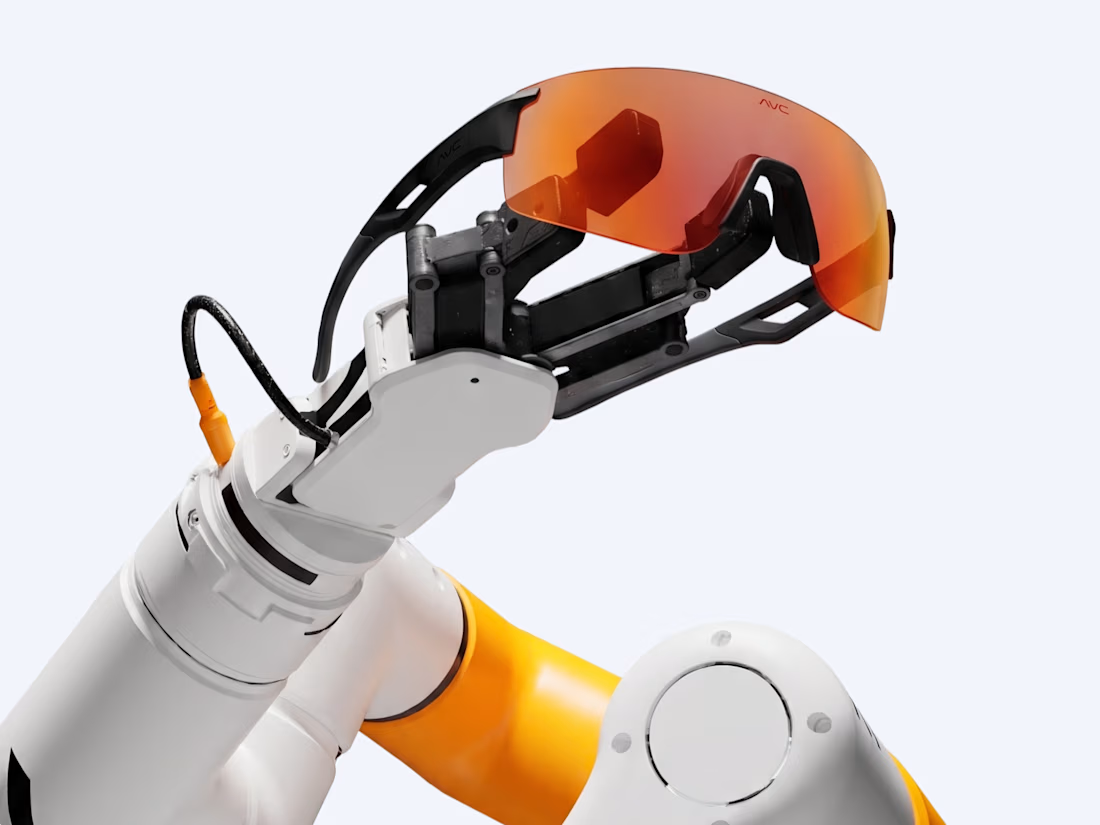
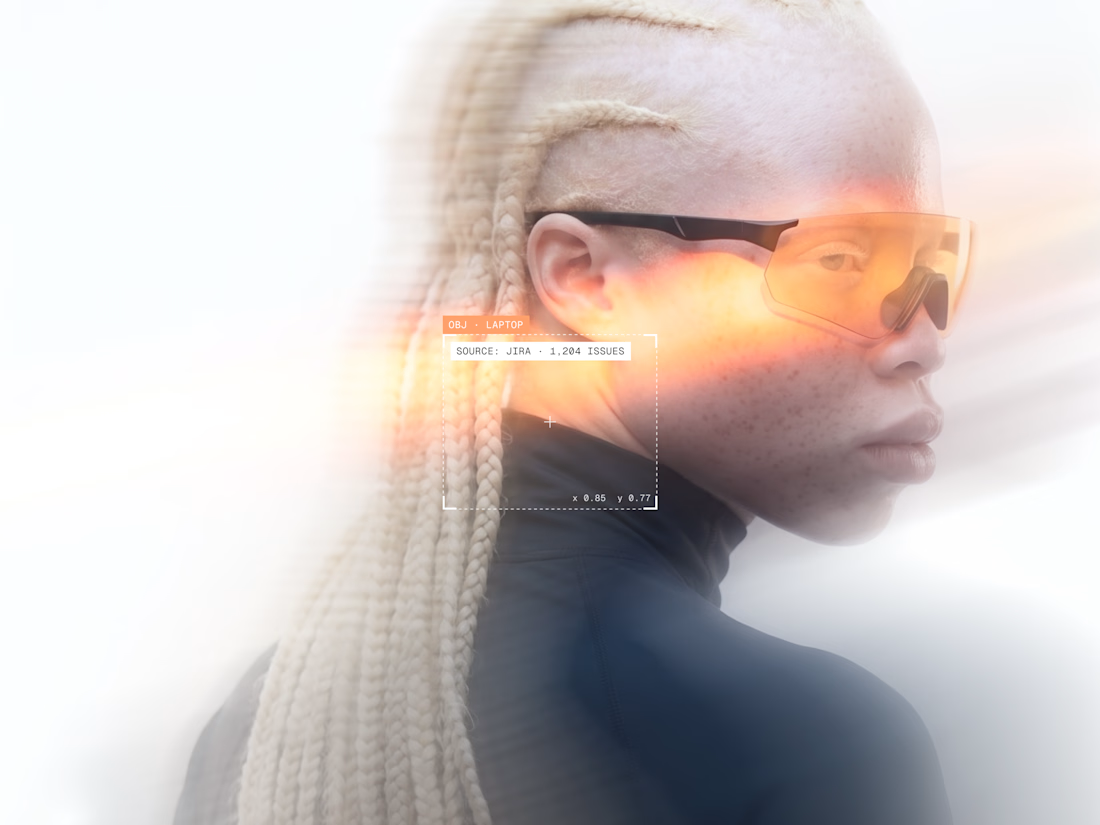
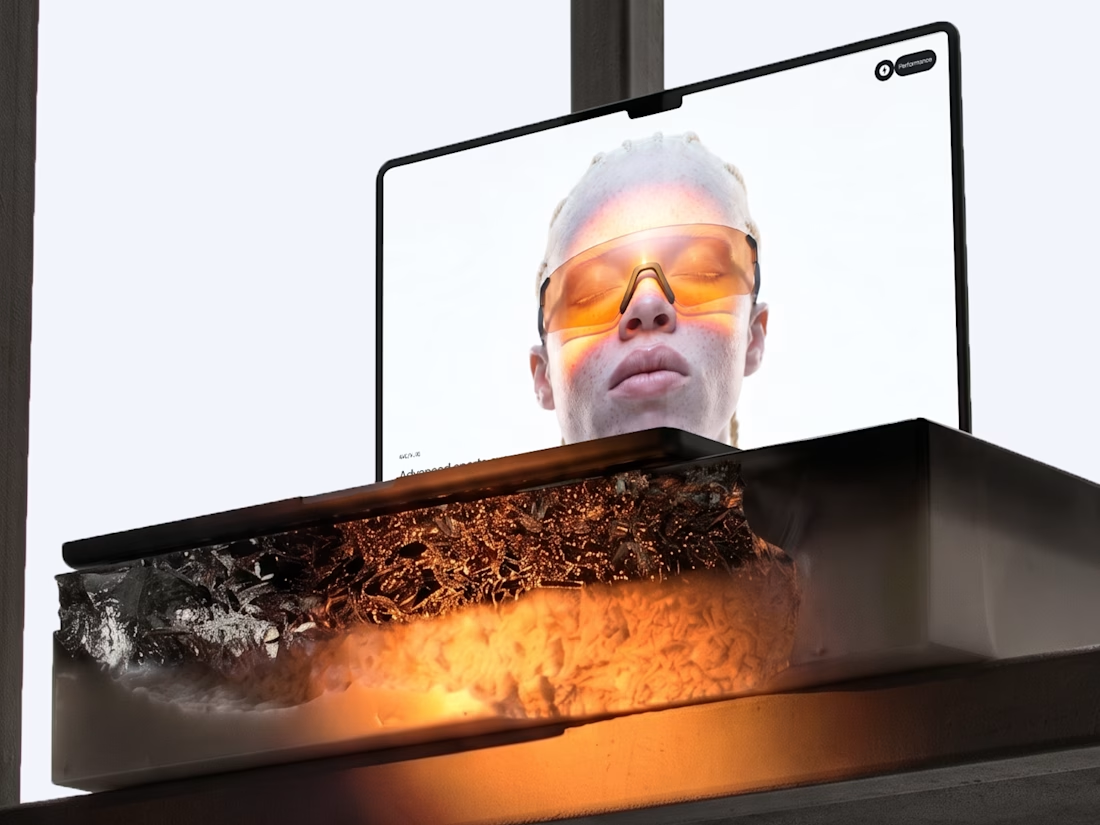
A personal brand concept exploring the future of AI-powered performance eyewear.
I wanted to create something that blends sports, technology, and futuristic aesthetics into one cohesive visual identity.
From the eyewear design and product visuals to art direction, 3D renders, and motion every detail was developed to give AVC its own distinctive character.
Not just another pair of sports glasses. A vision of what next-generation wearable technology could look like.
More explorations coming soon.


Blending sports and tech into eyewear is a tough positioning, but the system holds together — the renders, art direction, and product visuals all speak the same visual language rather than competing. Where the execution lands next will be in the packaging and retail touches; if...