The network for creativity
Join 1.25M professional creatives like you
Connect with clients, get discovered, and run your business 100% commission-free
Creatives on Contra have earned over $150M and we are just getting started
Back to feedPost

🔐 Server Security Hardening with Ansible
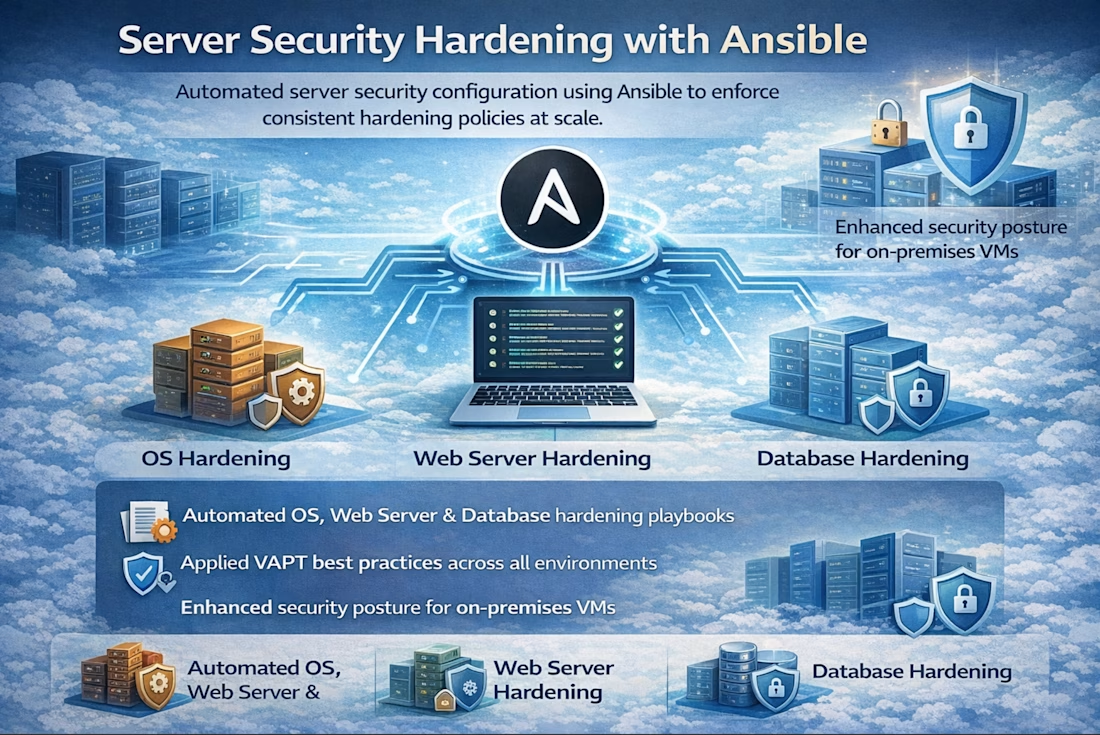
Excited to share a project focused on automating server security hardening using Ansible, ensuring consistency, scalability, and strong security across infrastructure.
🔹 Overview:
Implemented automated configuration management to enforce standardized hardening policies across multiple environments, reducing manual effort and improving compliance.
🔹 Key Highlights:
⚙️ Automated Hardening Playbooks
Developed Ansible playbooks to secure Operating Systems, Web Servers, and Databases, ensuring uniform configurations across all systems.
🛡️ Security Best Practices (VAPT)
Applied Vulnerability Assessment and Penetration Testing (VAPT) guidelines to strengthen system defenses and minimize attack surfaces.
🏢 Enhanced On-Premises Security
Improved the overall security posture of on-premises VMs by enforcing strict access controls, configurations, and security policies.

The network for creativity
Join 1.25M professional creatives like you
Connect with clients, get discovered, and run your business 100% commission-free
Creatives on Contra have earned over $150M and we are just getting started





Related posts

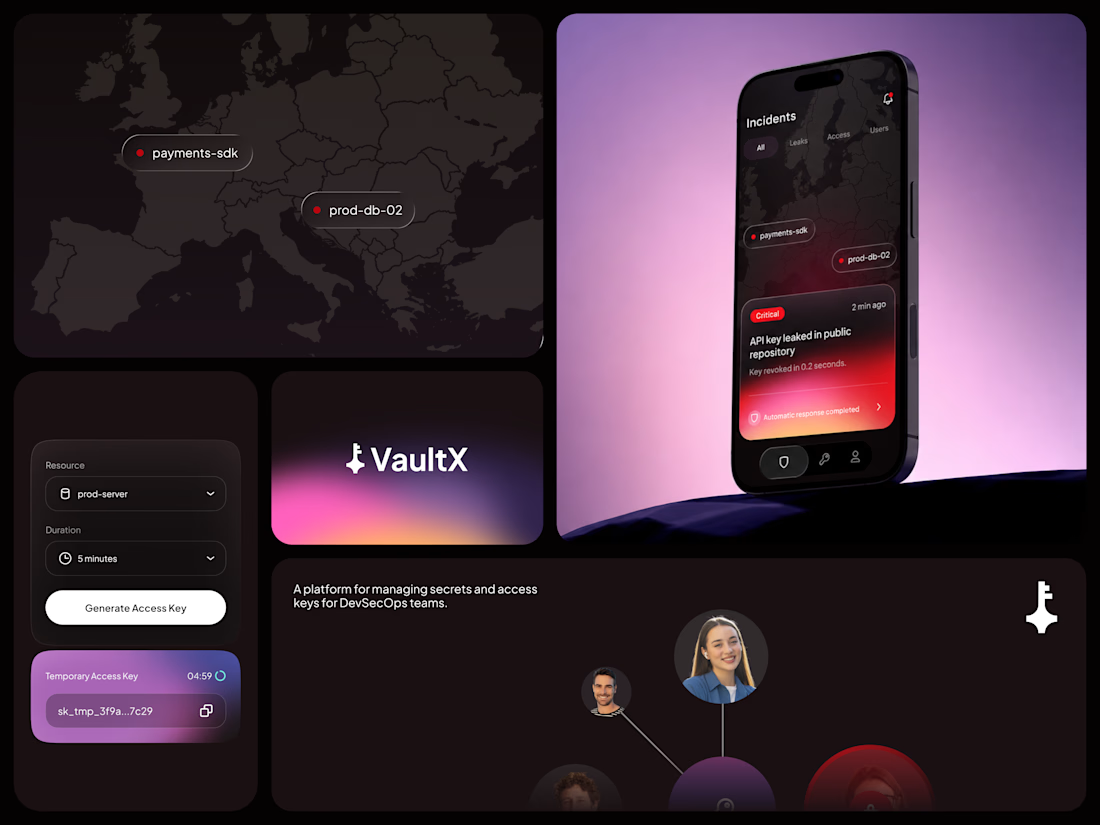
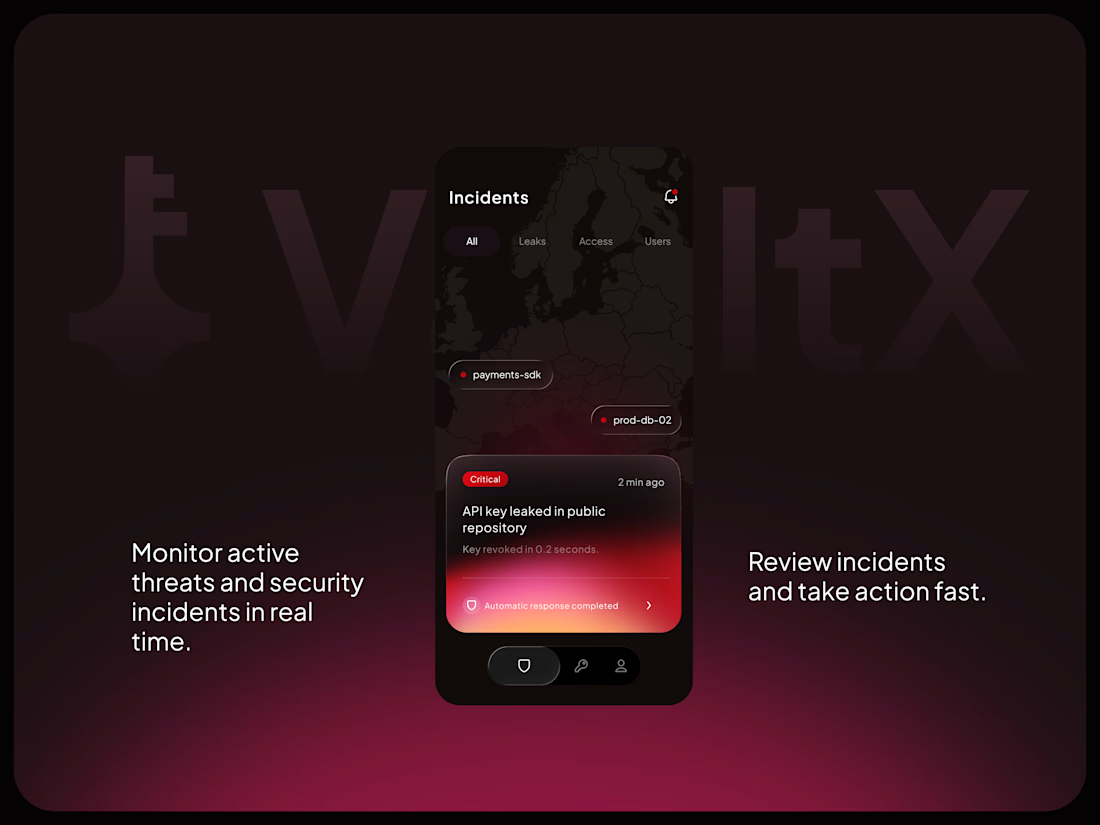
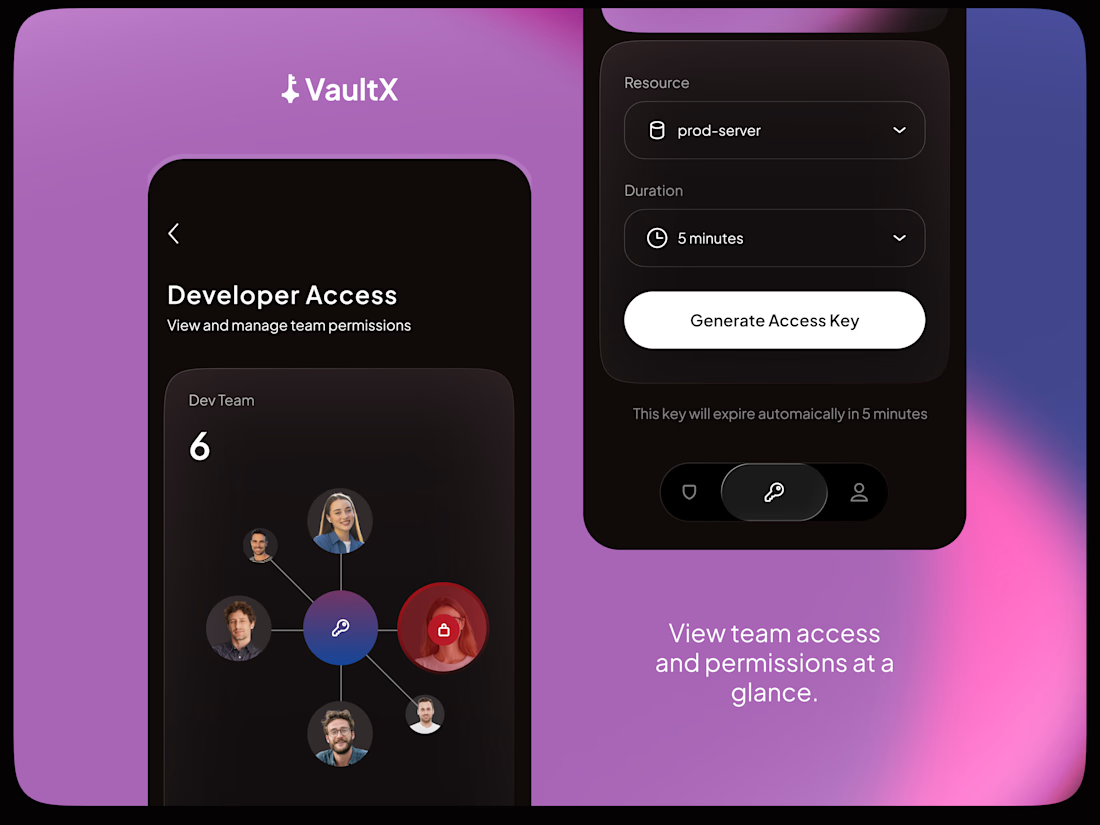
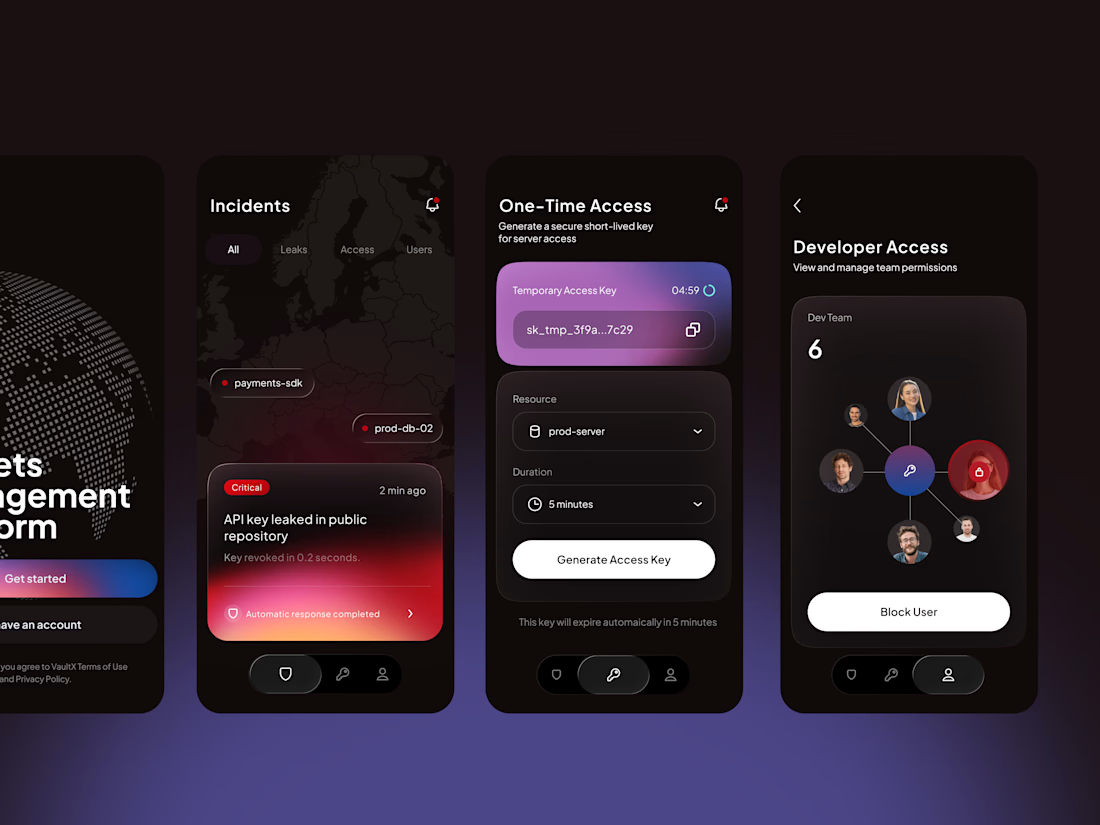
VaultX is a mobile security app for DevSecOps teams. We designed a focused experience for monitoring security incidents, generating temporary access keys, and managing sensitive resources and team permissions.
See the project on Dribbble:
https://dribbble.com/shots/27782415-Mobile-App-DevSecOps-Security



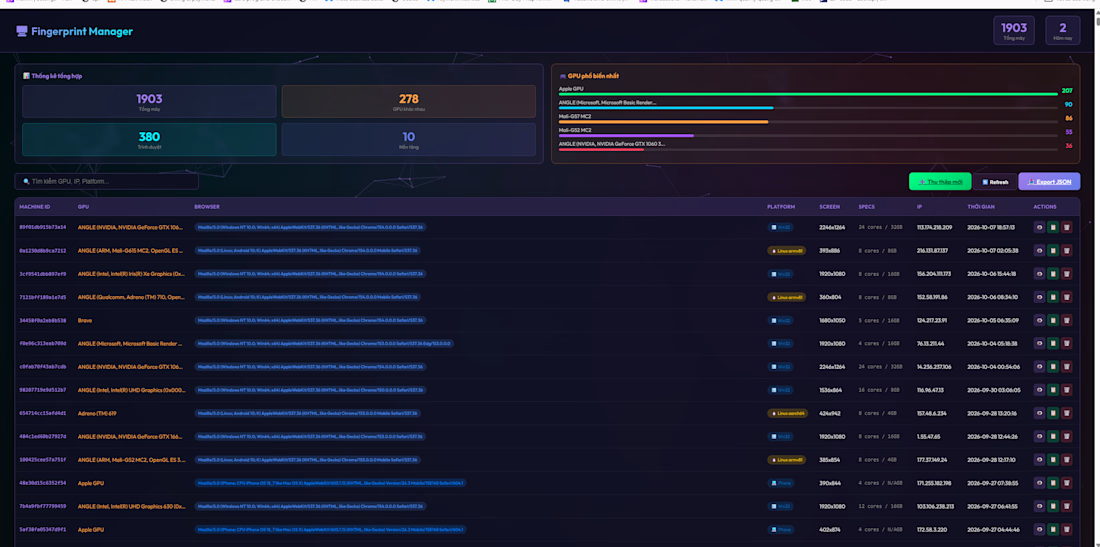
I have a security system designed to combat bots. It collects comprehensive user fingerprint data—ranging from cookies to behavioral patterns—which I use to monitor visitor activity and block bots attempting to compromise my site. The code can also revoke a visitor's trust score and terminate their session.

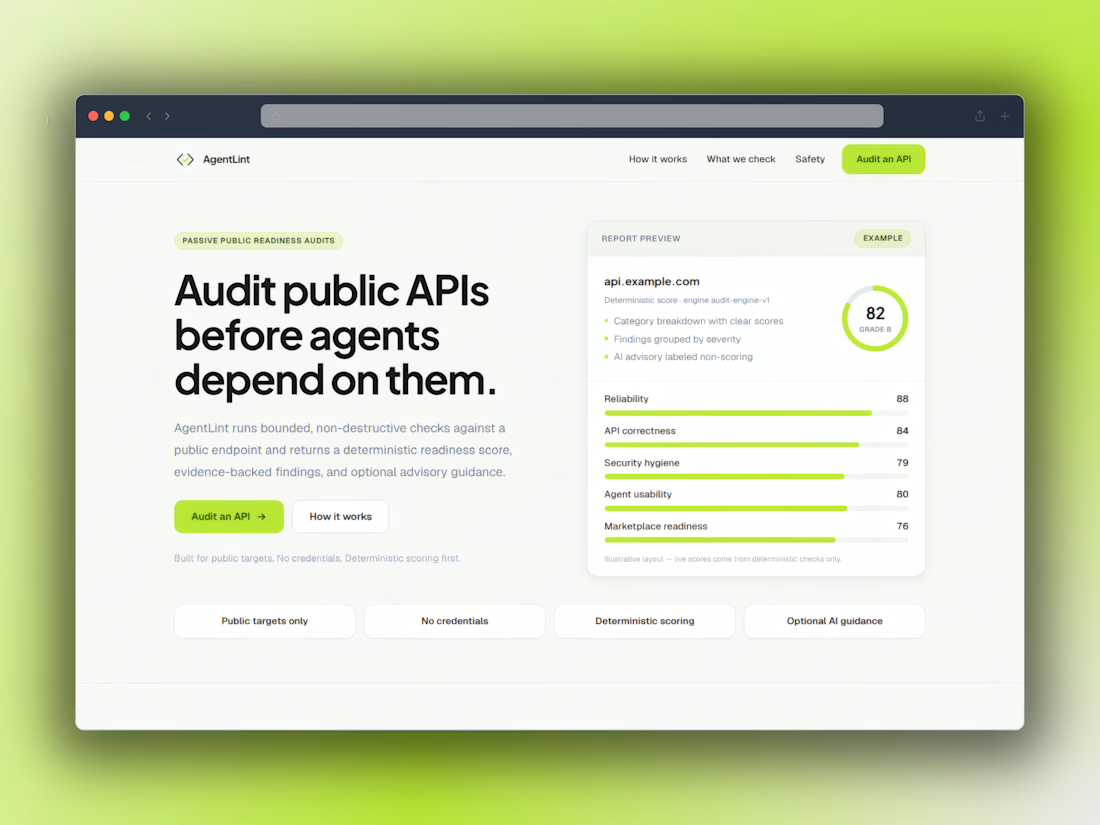
AgentLint started from the idea of helping developers test AI agents and APIs before users depend on them.
I built it as a readiness auditing platform that checks reliability, response validity, schema consistency, security hygiene, and integration readiness, then turns the results into clear scores and remediation guidance.
This project pushed me deeper into developer tooling, backend architecture, AI integration, security controls, and production-oriented engineering.