The network for creativity
Join 1.25M professional creatives like you
Connect with clients, get discovered, and run your business 100% commission-free
Creatives on Contra have earned over $150M and we are just getting started
Back to feedPost
I don't just think about products. I build them.
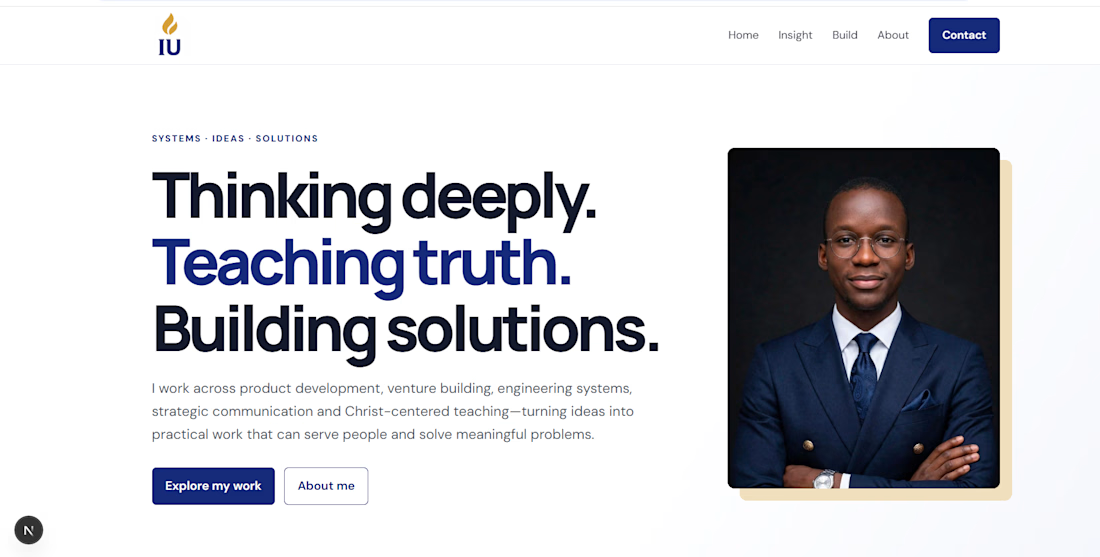
I recently developed and deployed my personal website — a digital platform designed to communicate my work, showcase projects, and create a central space for my ideas and professional identity.
But the interesting part isn't just the website itself. It's what went into building it.
From defining the product direction and structuring its features to developing the frontend, integrating backend services, and deploying the platform, I approached it as a product development project.
This reflects how I approach the work I do.
I'm a Product Developer, combining product management thinking with software development to take ideas from concept to functional digital products.
I work across:
Product Development: Turning ideas into structured, buildable products through research, planning, feature definition, and product strategy.
Full-Stack Development: Building functional web applications, integrating backend systems, and implementing product features.
AI Product Development: Building AI-powered applications, integrating intelligent capabilities, and exploring practical applications of emerging technologies.
Whether you're a founder looking to bring an idea to life, a business seeking to build a digital solution, or a team that needs someone who can bridge product thinking and technical execution, I'd love to connect.
Have an idea? Let's build something that works.
Explore my website and projects:
https://ifiokudoma.site
Available for product development, software development, and AI product-building engagements.
#ProductDevelopment #FullStackDevelopment #AIBuilding #SaaS #Contra
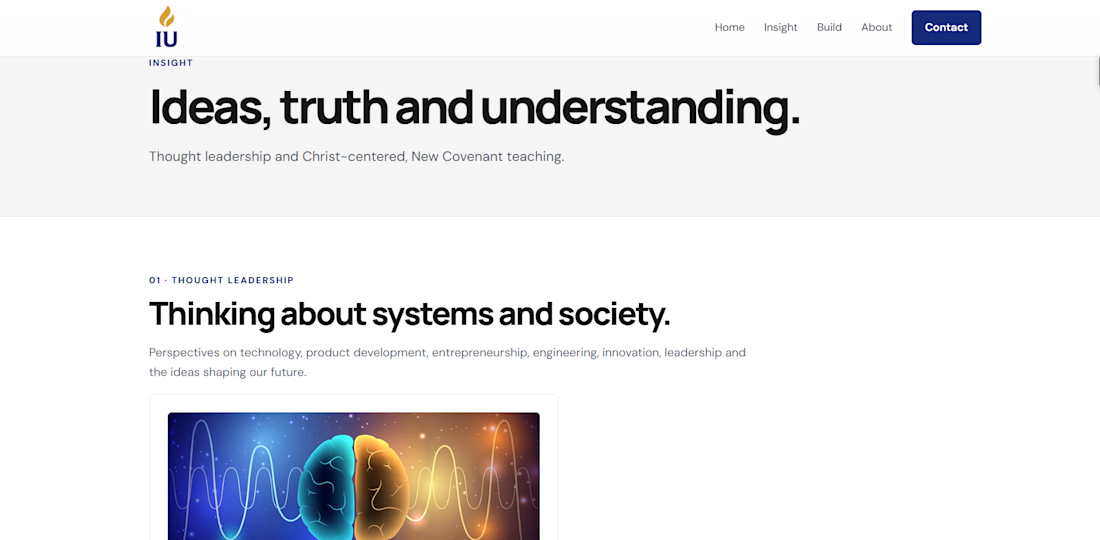

Treating your own site as a product is a good forcing function. Did you set one goal for it upfront, like inbound leads, so you could tell which features actually earned their place?

Thank you Shoaib. Yes.
The network for creativity
Join 1.25M professional creatives like you
Connect with clients, get discovered, and run your business 100% commission-free
Creatives on Contra have earned over $150M and we are just getting started



Related posts

The first thing I created for LedgerFlow wasn't a screen.
It was a set of questions.
I'm kicking off a new concept project: **LedgerFlow, an accounting and financial management SaaS platform for small businesses, freelancers and independent business owners.
The goal is to design a website that helps visitors understand what the product does, how it helps their business, and why they should book a demo.
But before opening Figma, I needed to understand the business.
So I created a website discovery and brand strategy questionnaire.
It covers:
→ Brand vision and business goals.
→ Target audience.
→ Website goals and user experience.
→ Branding and visual direction.
→ Services and offers.
→ Project direction and logistics.
I want to understand things like:
Who exactly are we designing for?
What problem does the product solve?
What makes it different from traditional accounting software?
What should visitors understand within the first few seconds?
And what would make them confident enough to book a demo?
Because the answers will influence the website's messaging, content, visual hierarchy and calls to action.
You can't design a clear experience when you don't understand what the business needs to communicate.
LedgerFlow is a concept project, but I'm treating the process like a real client engagement.
I'll be sharing the journey from discovery to website structure, UI design and Webflow development.
And if you're building a SaaS product or need a website that communicates your business value clearly, I'm open to website design and Webflow projects.
Let's talk about what you're building. 🤝


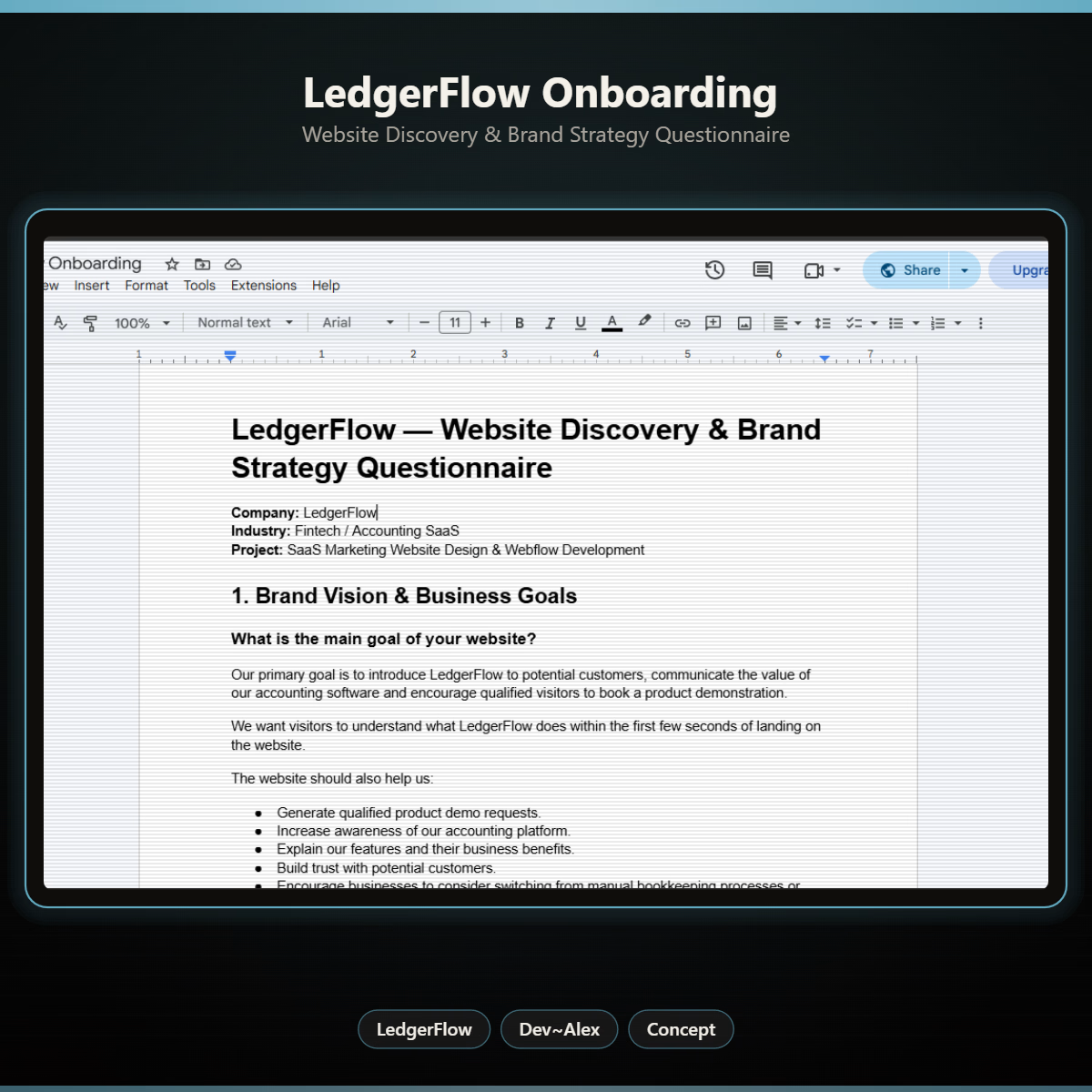

Starting with a discovery questionnaire instead of a screen is how good briefs begin, and "explain what LedgerFlow does in the first seconds" is the right goal to design around. Will the answers become a one page brief?

Still looking to land my first project on Contra, so I'm offering 50% off my first booking here.
I've built a creative business that's done over $300K in project revenue and helped generate more than $10M+ in revenue for clients.
I specialize in website design, full-stack development, and branding.
Whether you're building something from scratch, redesigning an existing site, or need an extra developer or designer on a project, I'd love to connect!
Who's working on something interesting?


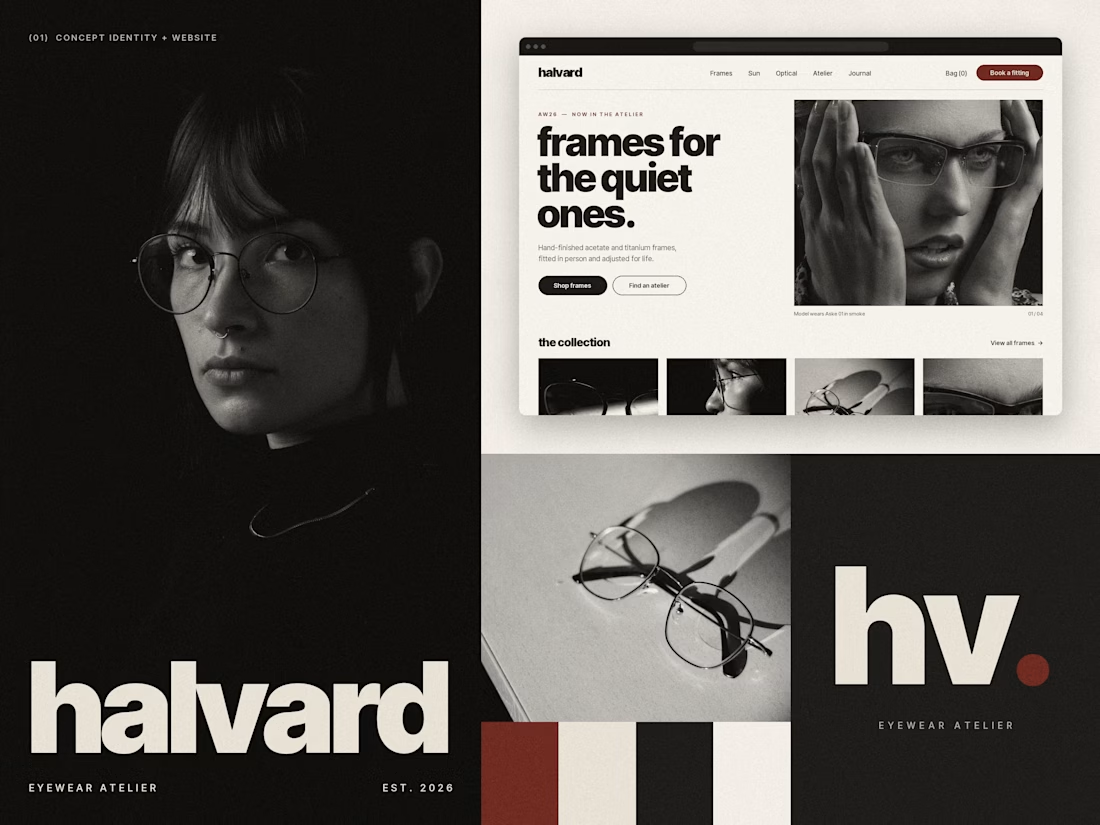
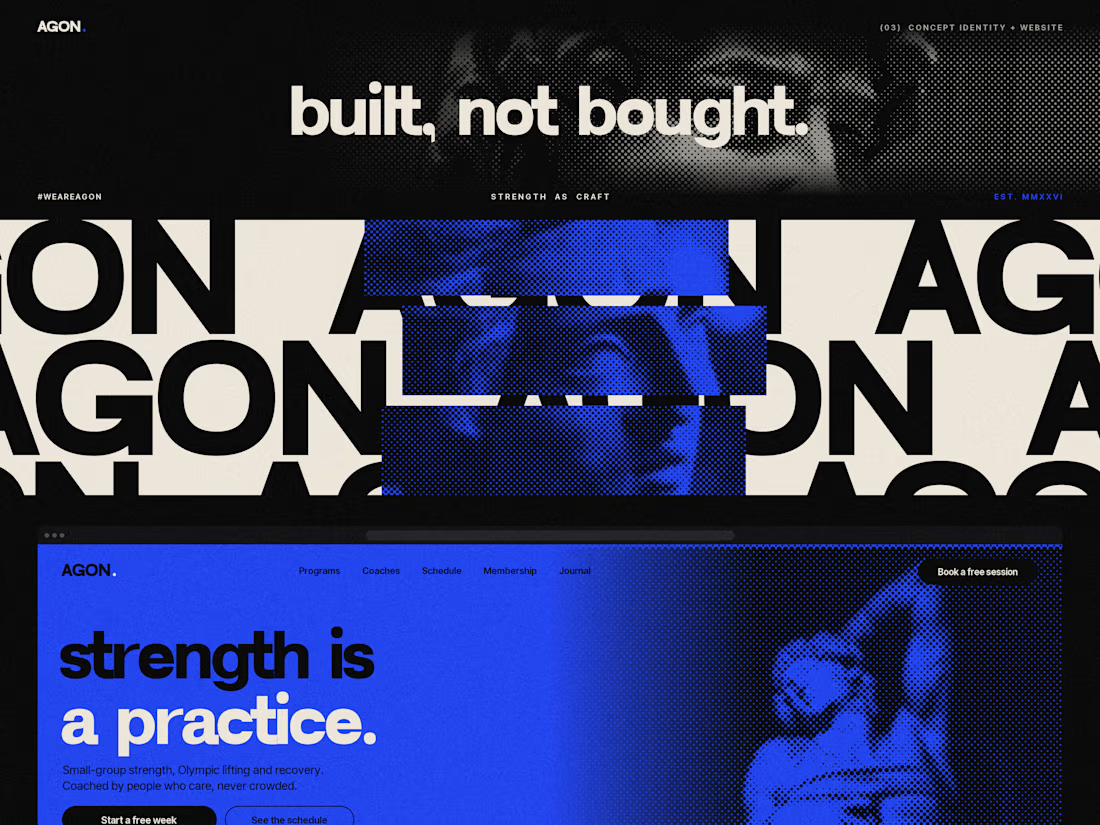
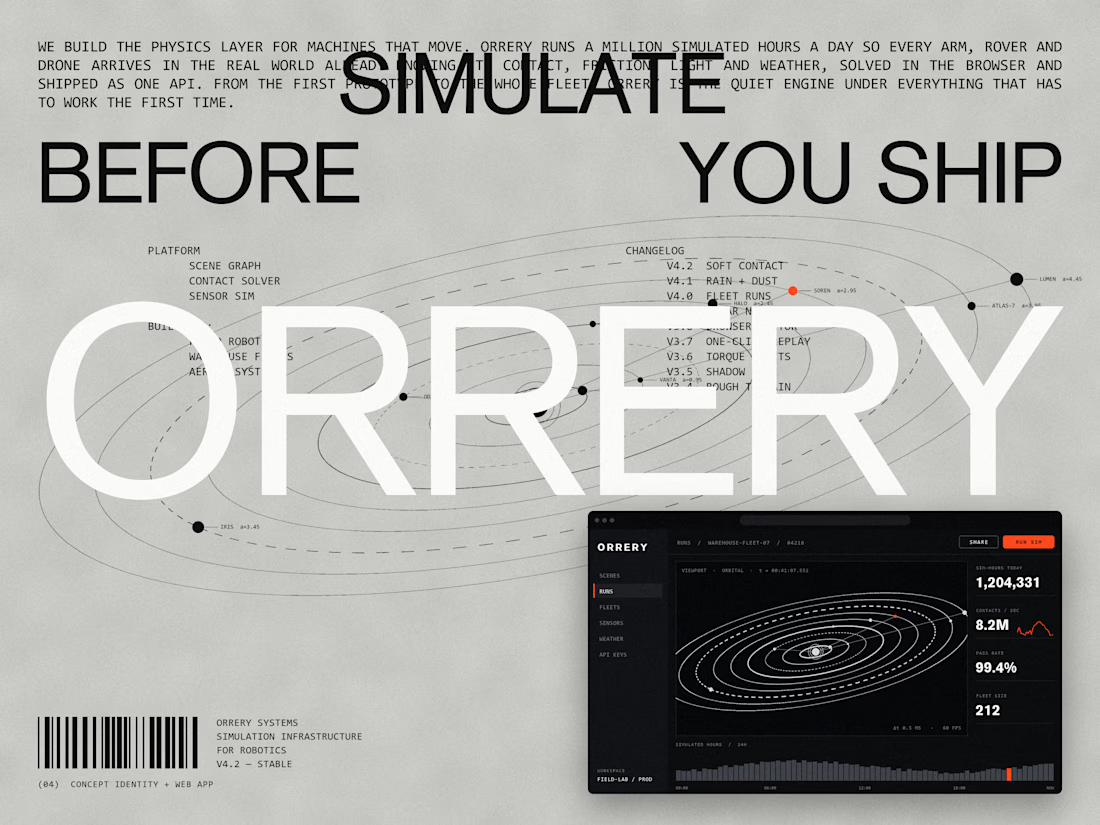
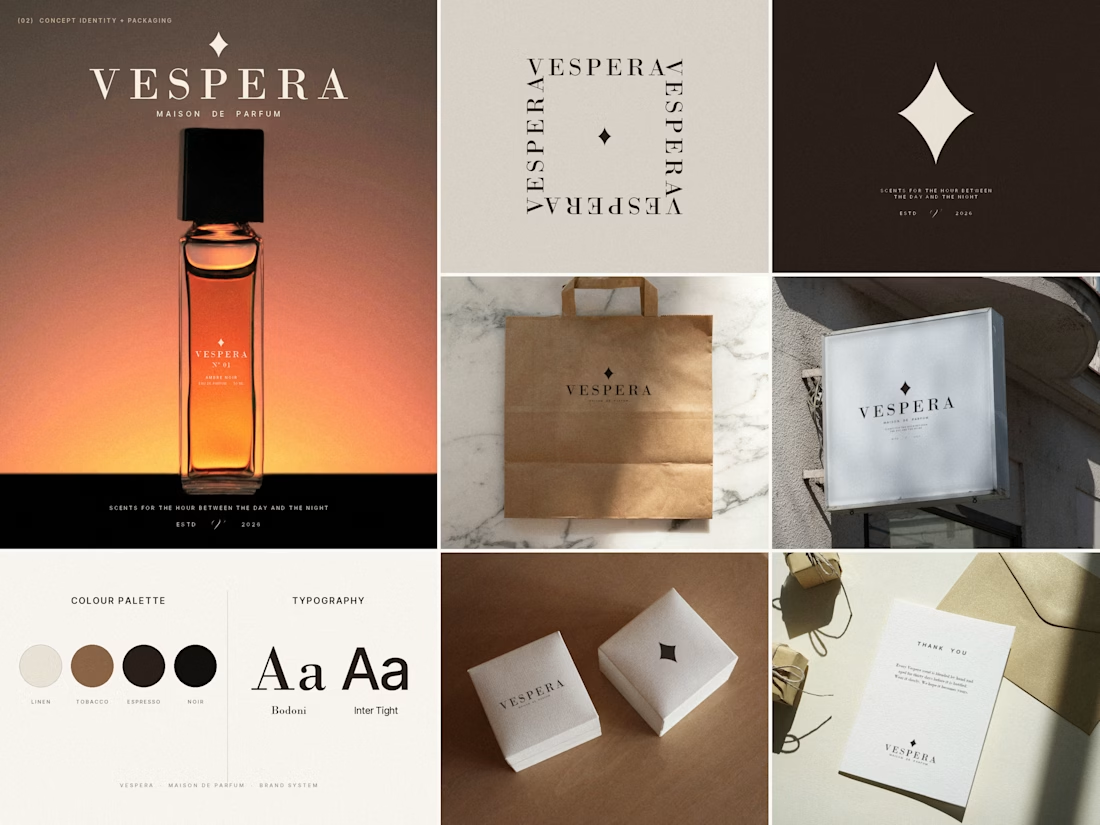

Great work Mate 🔥

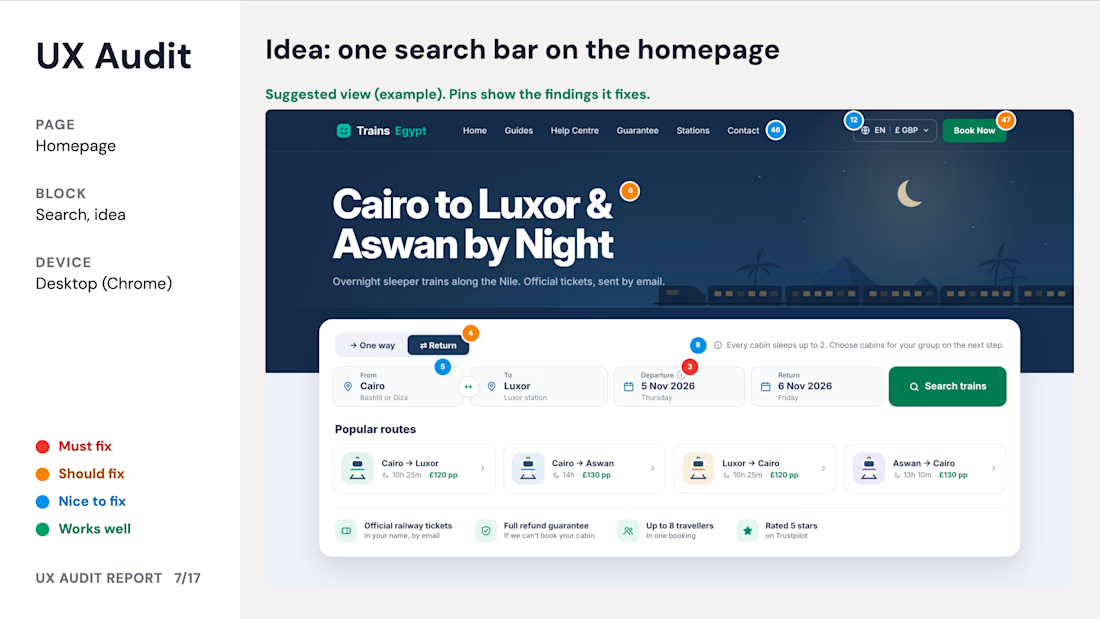
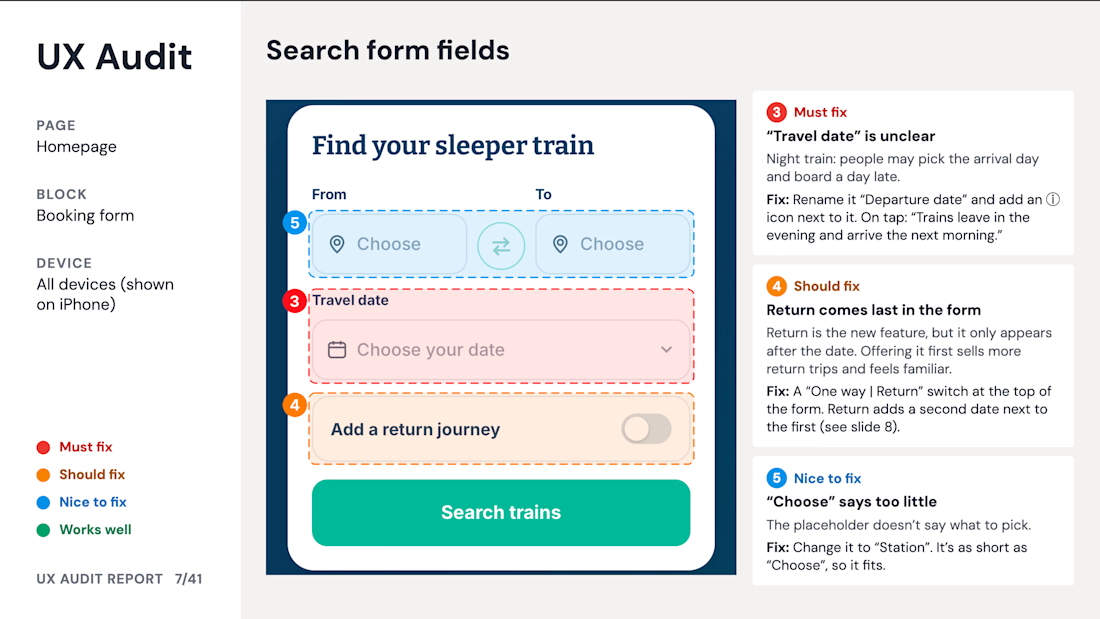
Lately I get a lot of requests for product audits (in terms of UX/UI and sometimes even with suggestions for CX!!). Most of them are new products built fast, often with AI
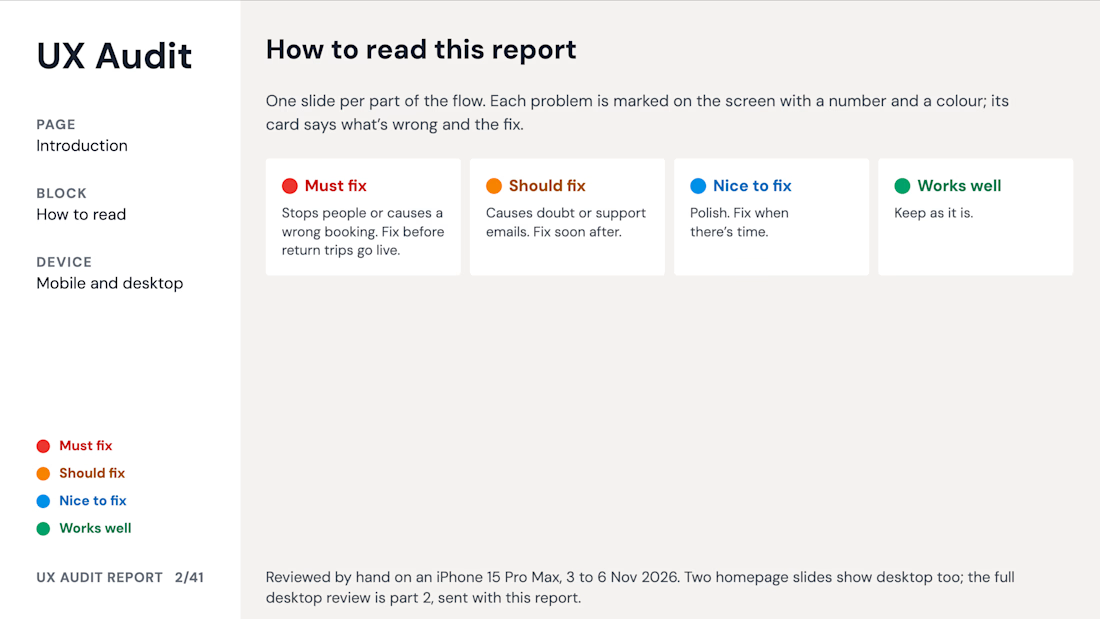
I just finished 1 for a train booking site: 2 reports, mobile and desktop, 54 findings. Every finding has a number, a screenshot with the problem marked, why it matters to the customer, the exact fix and a priority
The format is the point - > you can hand it to your developer or straight to Claude and it can apply the fixes one by one
If you're about to launch something new and want a designer's eyes on it first, send me a message 😉
Btw, how often do you audit your product? I think it should happen before every launch and in the process with received data