The network for creativity
Join 1.25M professional creatives like you
Connect with clients, get discovered, and run your business 100% commission-free
Creatives on Contra have earned over $150M and we are just getting started
Back to feedPost

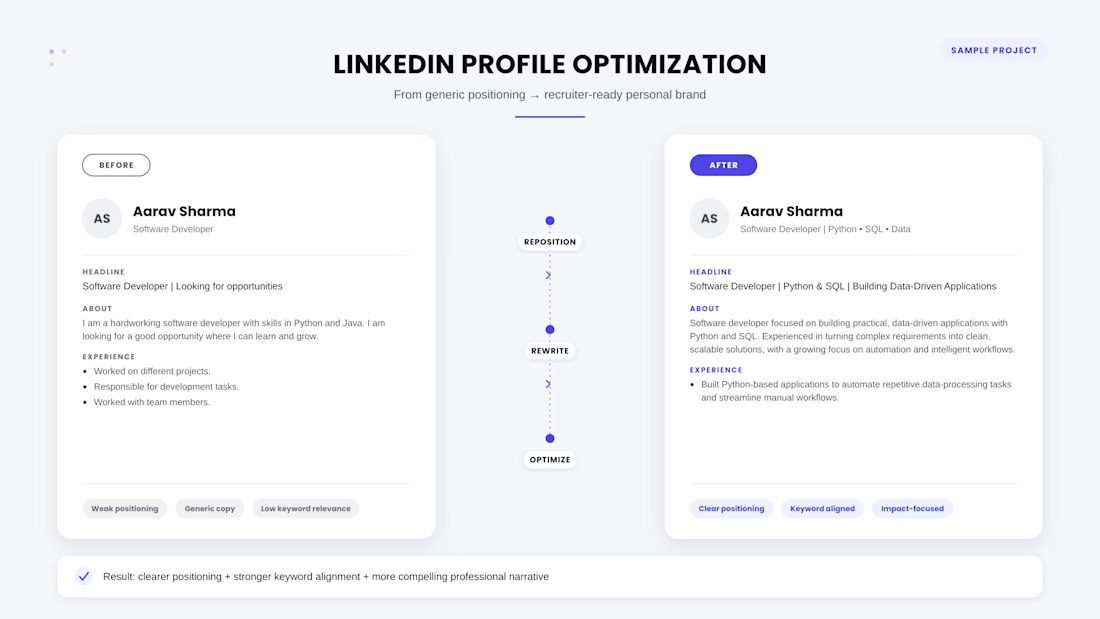
A strong LinkedIn profile should do more than list your experience it should make the right person want to know more about you.
For this sample project, I took an underdeveloped LinkedIn profile and rebuilt its positioning from the ground up refining the headline, rewriting the About and experience sections, strengthening keyword alignment, and restructuring the profile around the candidate's actual strengths and career direction.
The goal wasn't to make the profile sound “fancier.” It was to make the candidate's value clear, credible, searchable, and impossible to skim past.
Result: a sharper personal brand, stronger first impression, and a profile designed to connect the candidate with more relevant opportunities.
Sample project created to demonstrate my LinkedIn optimization process.


The network for creativity
Join 1.25M professional creatives like you
Connect with clients, get discovered, and run your business 100% commission-free
Creatives on Contra have earned over $150M and we are just getting started
Challenges
View all


Related posts


I’ve been razzmatazzing and flibbertigibbeting with Claude Code and somehow ended up with a new yels.dev.
It finally feels like me: simple on the surface, slightly complicated underneath, and very much alive.
You can see who I am, what I do, the work behind Herodot, RaptorLabs, CyberLink Security and Solmint, plus a selection of projects I’ve built across AI, cybersecurity, Web3, product systems, education, archives, and experimental digital spaces.
Built to be explored


The simple-on-the-surface, layered-underneath idea comes through so clearly in the presentation. I especially like how the project archive turns the site into something to explore rather than just a résumé of links.

Built this over a weekend as an experiment with AI-assisted design and development.
Duo Case is an absurd concept for turning two iPhones into a very unofficial foldable iPhone. The goal was to see how far AI could accelerate the process while keeping creative direction, design decisions and final execution in human hands.


A weekend build that looks this polished is wild. Where did AI actually save you the most time here, the concepting or the production grind?

I never believed in staying in one design lane.
Over the last few years, I moved across the full spectrum:
• Branding taught me systems how a mark survives across every medium.
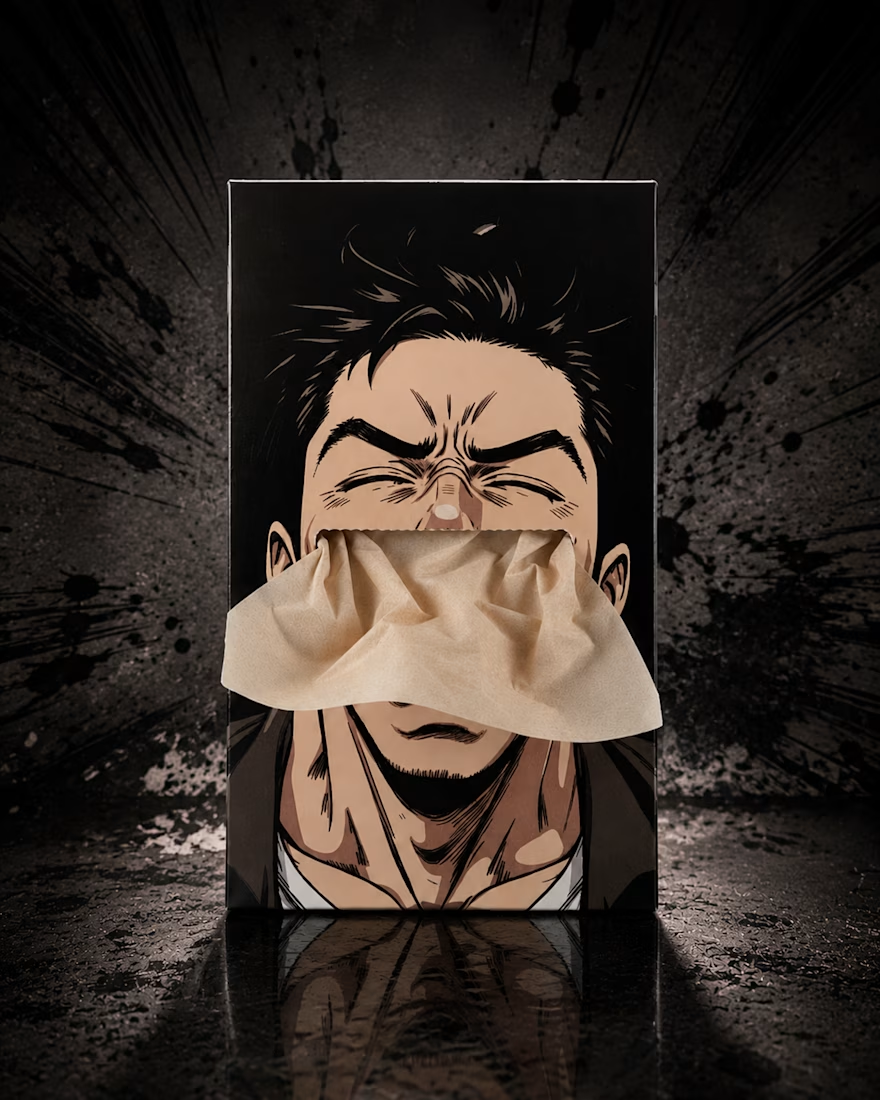
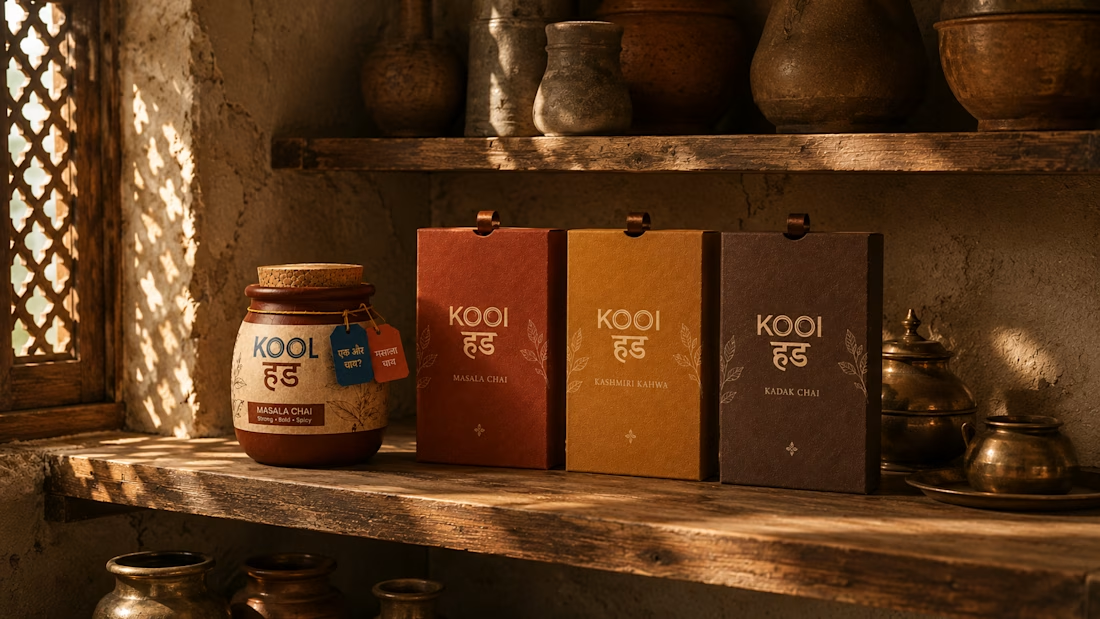
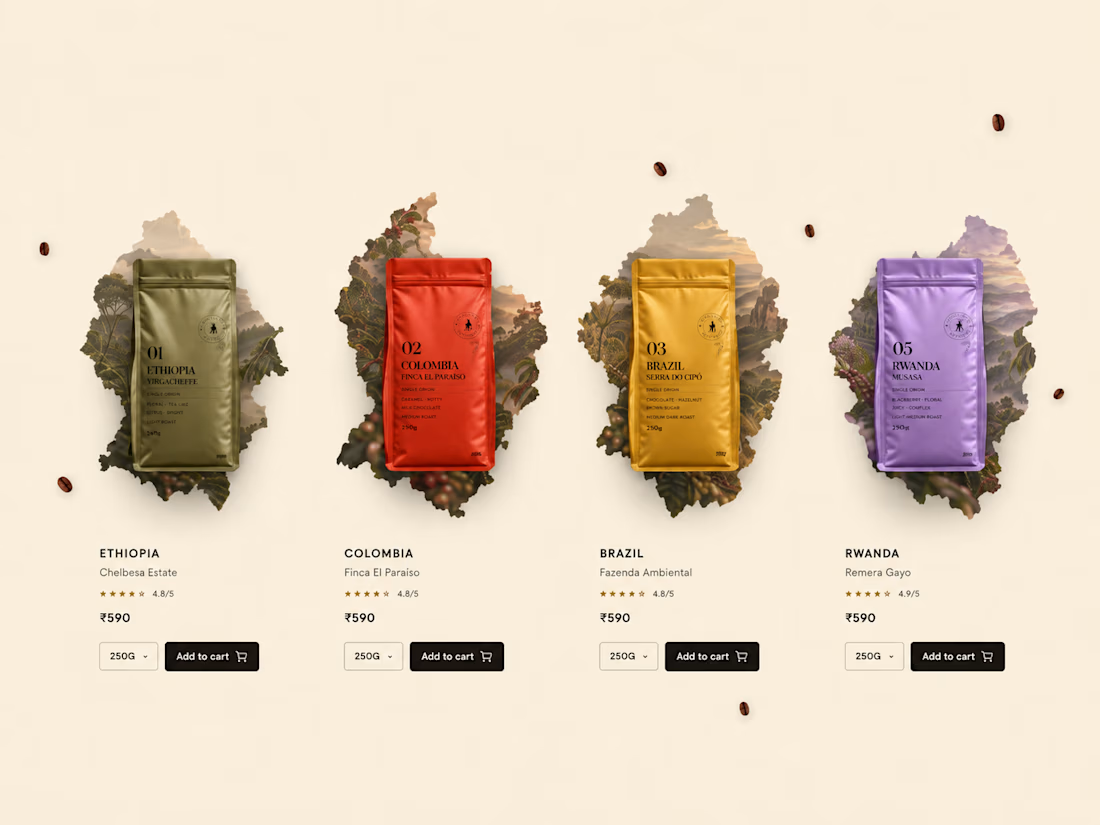
• Packaging taught me physical detail real print constraints, paper stock, and dieline tolerance.
• UI/UX taught me structure frictionless navigation and user behavior.
• Web design taught me how to connect the entire journey from shelf to screen.
Instead of keeping these disciplines in silos, I brought them together into a unified personal archive.
A few years of learning, building, and refining now in one place:
👉 https://saurabhhsharma.netlify.app/
I love how you connect branding to packaging and UX—the idea that a mark has to survive every medium is so true. The case-study grid makes that range feel tangible without losing the thread.