The network for creativity
Join 1.25M professional creatives like you
Connect with clients, get discovered, and run your business 100% commission-free
Creatives on Contra have earned over $150M and we are just getting started
Back to feedPost
🚨 What if your sales team only got alerted when a deal actually became risky?
I built a RevOps Deal Risk Assessment & Alert System in n8n to solve a problem that many sales teams face:
Too many deals.
Too many status checks.
Too many repetitive notifications.
And not enough visibility into which changes actually matter.
🔎 The idea
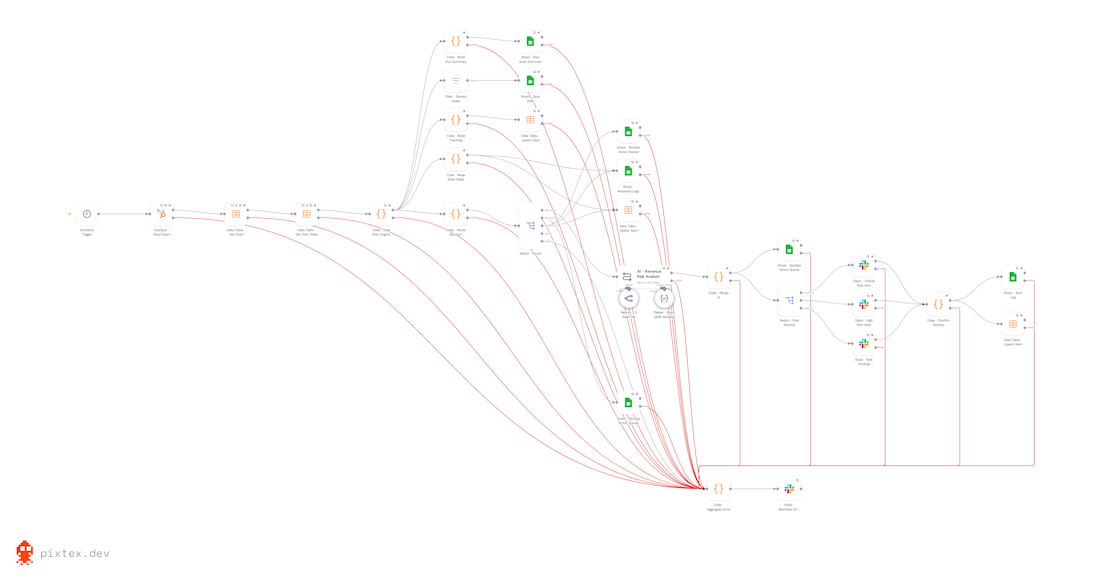
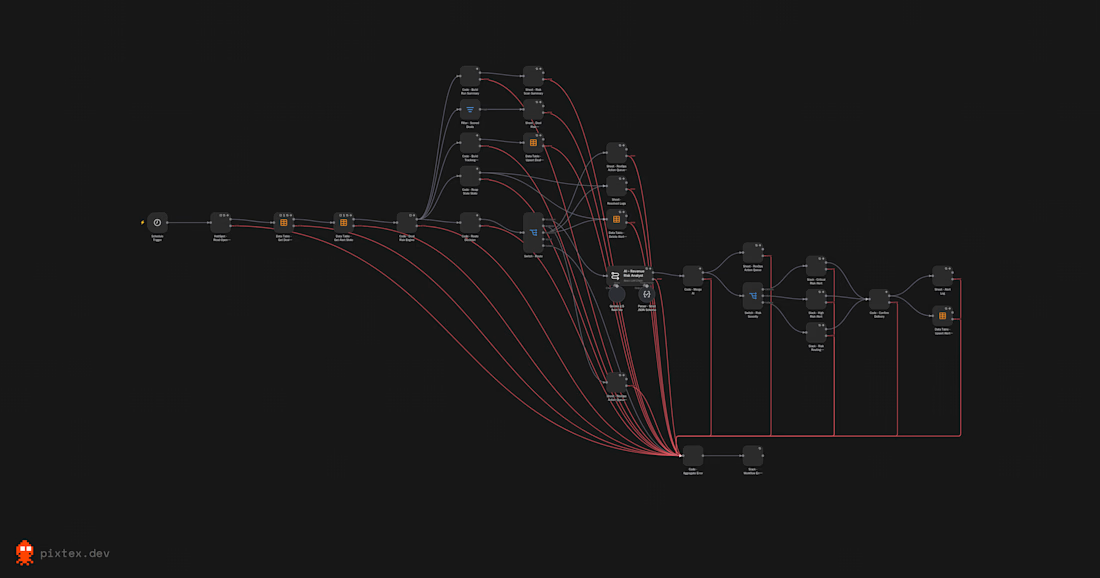
The workflow connects HubSpot → n8n → Google Sheets/Data Tables → Slack and evaluates deals on a scheduled basis.
Instead of simply checking whether a deal is "high risk" and sending another alert every day, the system tracks what happened previously and decides whether the current change actually requires action.
Each deal is routed into one of four outcomes:
🚨 Alert — meaningful risk detected
🔄 Silent Refresh — state changed but no notification is needed
✅ Resolution — previously risky deal has recovered
➖ No Action — nothing meaningful changed
🧠 What I focused on
The interesting part wasn't connecting the apps.
It was making the automation reliable.
I designed:
• Persistent state management
• Alert deduplication
• Delivery-confirmed state commits
• Retry-safe notification handling
• Deterministic risk scoring
• AI-assisted alert wording with a fallback
• Centralized error aggregation
• Reusable error handling
• Detailed workflow documentation
For example, the system only records an alert as delivered after the messaging platform confirms delivery.
So if the notification fails, the workflow doesn't incorrectly assume that the alert was already sent — it can try again on the next run.
🤖 Where AI fits
I deliberately didn't let AI make the core risk decision.
The actual risk assessment uses deterministic business rules so the result remains predictable and explainable.
AI is used only where it adds value: generating a concise, human-readable explanation for the alert.
That means an AI failure doesn't remove the underlying risk signal.
🛠 Built with
n8n • HubSpot API • Google Sheets/Data Tables • Slack • Gemini
This project started as a portfolio exercise, but the bigger goal was to practice designing automations that are not just functional — but stateful, recoverable, explainable and maintainable.
#n8n #WorkflowAutomation #RevOps #SalesOps #Automation #AI #HubSpot #NoCode #LowCode #BusinessAutomation


The network for creativity
Join 1.25M professional creatives like you
Connect with clients, get discovered, and run your business 100% commission-free
Creatives on Contra have earned over $150M and we are just getting started

Challenges
View all


Related posts

AI Voice Agent for Real Estate Lead Booking
An AI-powered phone receptionist built for real estate agencies that answers inbound calls, qualifies leads in real time, and books showings directly to Google Calendar — all within the call itself, with no manual follow-up required.
The problem: Real estate agencies routinely lose leads to missed calls — after-hours inquiries, calls during showings, or overflow during busy periods. A slow callback often means the lead has already moved on to a competitor.
What it does:
Answers every call instantly, 24/7
Naturally qualifies the caller (buy/sell intent, area of interest, showing vs. agent call)
Collects contact details and preferred timing conversationally
Checks real-time calendar availability before booking
Prevents double-bookings and duplicate entries automatically
Confirms the appointment out loud before ending the call
Built with: Retell AI (conversational voice layer), n8n (workflow automation and business logic), Google Calendar API (scheduling)
Available for: Custom builds for real estate agencies, brokerages, or property management companies looking to stop losing leads to missed calls

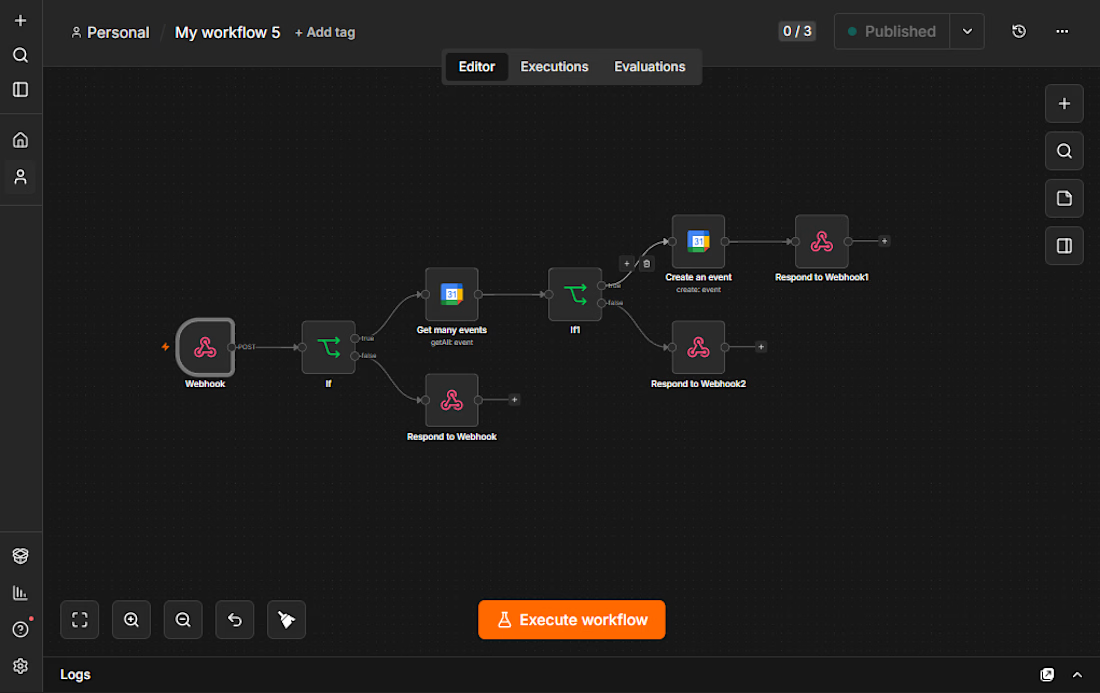

Beautiful workflow by the way. My nicheeee


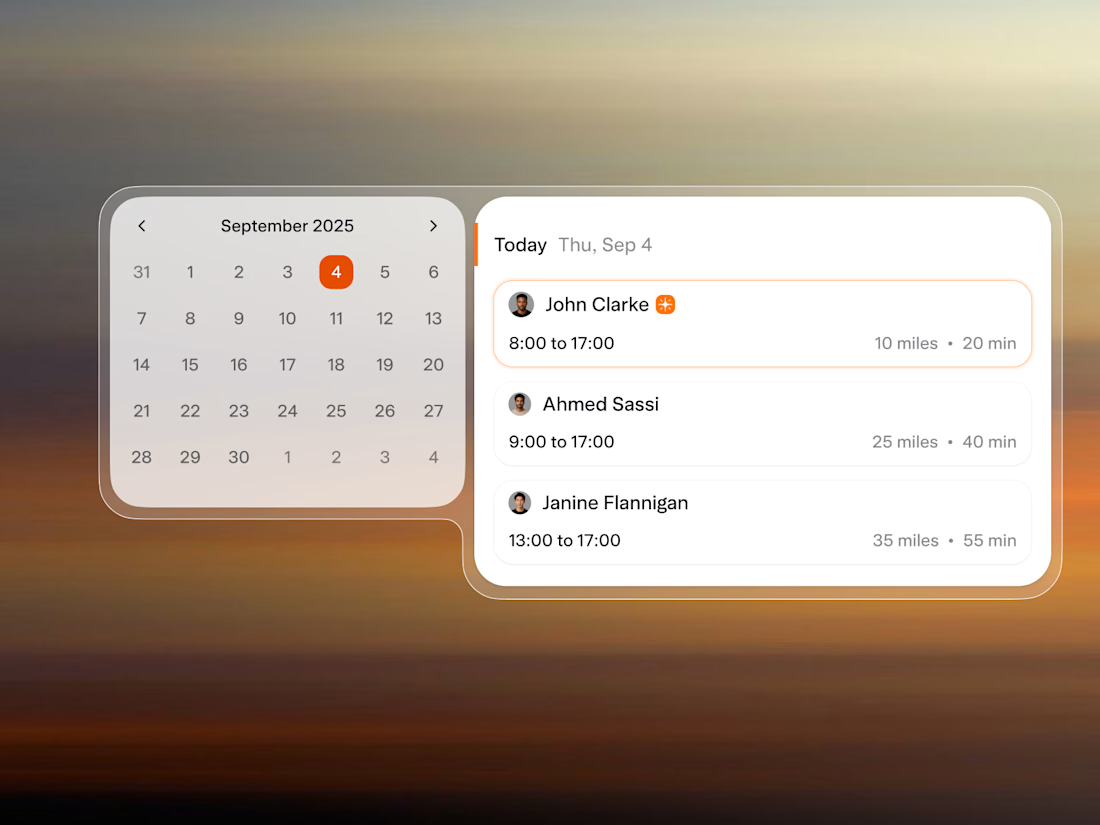
When a customer calls to book an appointment, the rep needs an answer immediately. Checking calendars, cross referencing routes, and manually figuring out which technician is available while someone is on the line creates delays and errors.
We designed a booking flow where the rep picks a date and the system filters to that day immediately, showing the AI recommendation for the best technician available. The rep does not have to leave the platform or put the customer on hold. The answer is already there. They confirm and move on.
The AI factors in the technician's schedule, working hours, and how much travel time the appointment adds to their route before surfacing a recommendation.

Built an end-to-end RevOps automation in n8n that evaluates open HubSpot deals every morning, scores deal risk using deterministic business rules, explains the drivers behind each risk, maintains an operational action queue, and sends Slack alerts only when a material change occurs.