The network for creativity
Join 1.25M professional creatives like you
Connect with clients, get discovered, and run your business 100% commission-free
Creatives on Contra have earned over $150M and we are just getting started
Back to feedPost

Figma shows one perfect frame. The browser has to handle everything in between.
A big part of Figma-to-Webflow development is deciding how the design should behave once it leaves that fixed canvas.
Text wraps. Images scale. Columns shrink. Layouts stack.
The work isn’t just recreating the Figma file, it’s preserving the design across real screen sizes.
That means making deliberate decisions around fluid sizing, max-widths, spacing, responsive structure, and breakpoints.
Figma → Webflow is translation, not duplication.


The network for creativity
Join 1.25M professional creatives like you
Connect with clients, get discovered, and run your business 100% commission-free
Creatives on Contra have earned over $150M and we are just getting started











Related posts

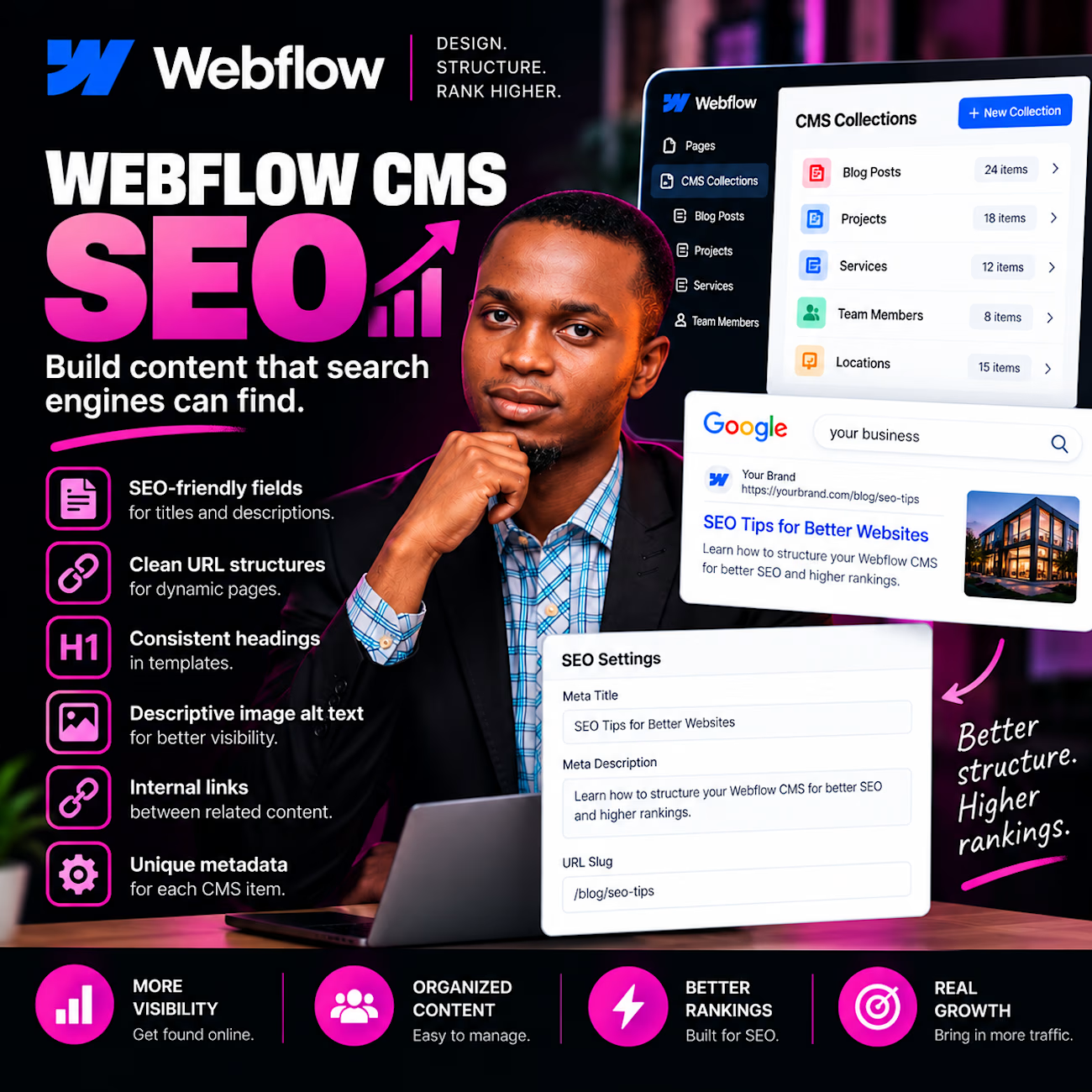
🔎 Your Webflow CMS Can Do More Than Organize Content.
A well-designed website should look good, be easy to manage, and help people discover your business.
That's why SEO should be considered when structuring your Webflow CMS.
Here's what I focus on:
→ SEO-friendly CMS fields for titles and descriptions
→ Clean URL structures for dynamic pages
→ Consistent heading hierarchy in templates
→ Descriptive image alt text
→ Internal links between related content
→ Unique metadata for each CMS item
The goal isn't to add SEO as an afterthought.
It's to build a content structure that supports discoverability from the beginning.
Good CMS architecture organizes content. Good SEO helps people find it.
Build with structure. Design with purpose. Make every page count.
#Webflow #WebflowCMS #SEO #WebDesign #CMS #Contra



This is the kind of work I want to do more of.
A strong visual direction and plenty of room to get creative with the development. Built in Webflow, animated with GSAP.
Here’s a look around.


Outstanding Work❤️


Just completed this Webflow website project for Skin Engineering, a specialist skin and laser clinic in London.
The goal was to make the site feel premium and calming while still clearly explaining the treatments, practitioner expertise, pricing, and consultation process.
I focused on clean treatment discovery, strong trust signals, responsive design, and a simple booking journey that helps visitors move from researching a concern to feeling confident enough to book.
I’d love to hear your thoughts, does the website feel like the right balance between clinical credibility and a premium beauty experience?
#webflow #webdesign #webdevelopment #websiteCSS #figma #websitedesigner